The Atlas
Destinations
Every traveler-relevant place in Italy, judged by Trip Role. Filter by tier to find major anchors, or by role to find day trips, detours, and quick stops.
305 places

Region · Sicilia
Sicilia
Sicily is the deepest Italy trip you can take without leaving the country — a place where the food, the ruins, and the landscape all feel bigger and older than the mainland. It rewards a slow, two-week circuit, but even a focused week on the east coast (Syracuse, Taormina, Etna) or the baroque southeast (Noto, Modica, Ragusa) is unforgettable. Go for the food and the Greek ruins; stay for the chaotic, beautiful cities. The logistics are harder than the north — rent a car, expect long drives — but it's worth it.

Region · Lazio
Lazio
Most visitors come for Rome and leave — and that's fine, Rome alone is worth a week. But Lazio hides a worthwhile second trip: the gardens of Tivoli, the lakes of Bracciano and Bolsena, and the dying-on-a-rock town of Civita di Bagnoregio. It's a region to revisit once you've done the capital, not a substitute for it.

Region · Lombardia
Lombardia
Lombardy is the Italy of business, design, and the lakes — less obviously postcard-pretty than Tuscany but with the country's best mountain-and-water scenery within a short train of a world capital. Come for Milan (2 days), the lakes (a week), or the alpine north. Skip it if you only want medieval hill towns and Renaissance art — go to Tuscany and Umbria instead.

Region · Campania
Campania
Campania is the most intense region in Italy — the food, the driving, the archaeology, and the coast all turned up. Do Naples for the pizza and the chaos, the Amalfi Coast for the glamour, and Pompeii for the ruins. If you can, push south into the Cilento for a quieter, cheaper, genuinely Italian coast. Avoid the Amalfi Coast in peak August unless you love crowds and traffic.

Region · Veneto
Veneto
Venice alone justifies Veneto, and most travelers never get further. But the region rewards a second look: Verona for opera and Roman ruins, Padua for the frescoes and a real working city, the Prosecco hills for wine, and Cortina for the Dolomites. Pair Venice with one or two of these rather than rushing through Venice alone.
Region · Emilia-Romagna
Emilia-Romagna
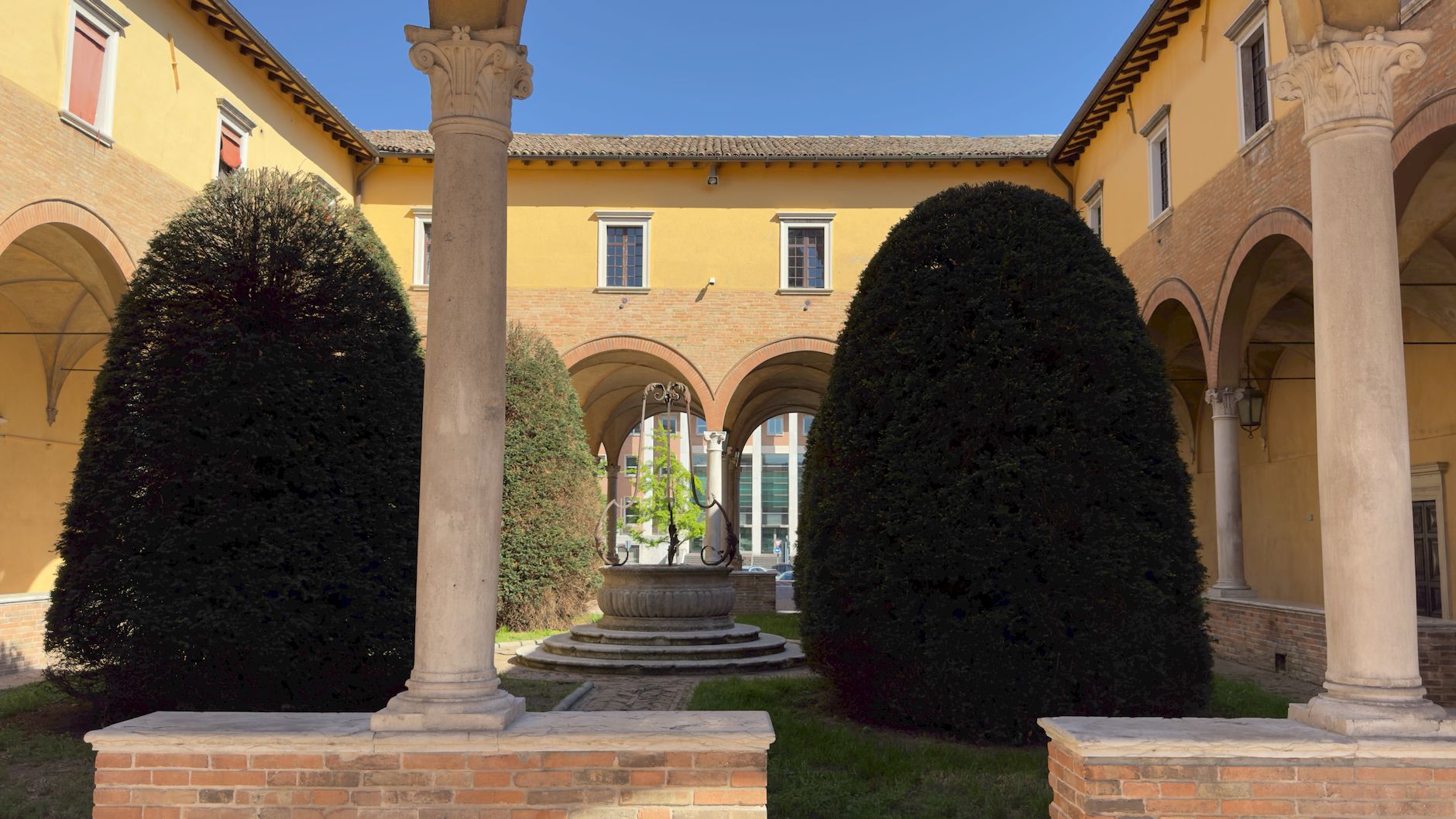
If food is the point of your trip, Emilia-Romagna is the best region in Italy. Bologna is the eating capital, Parma and Modena give you ham, cheese, and balsamic, Ravenna holds world-class mosaics, and Ferrara is a perfect cycleable Renaissance city. It's flat, train-friendly, cheaper than Tuscany, and less crowded. The art-trip traveler underrates it; the food-trip traveler should not.
Region · Puglia
Puglia
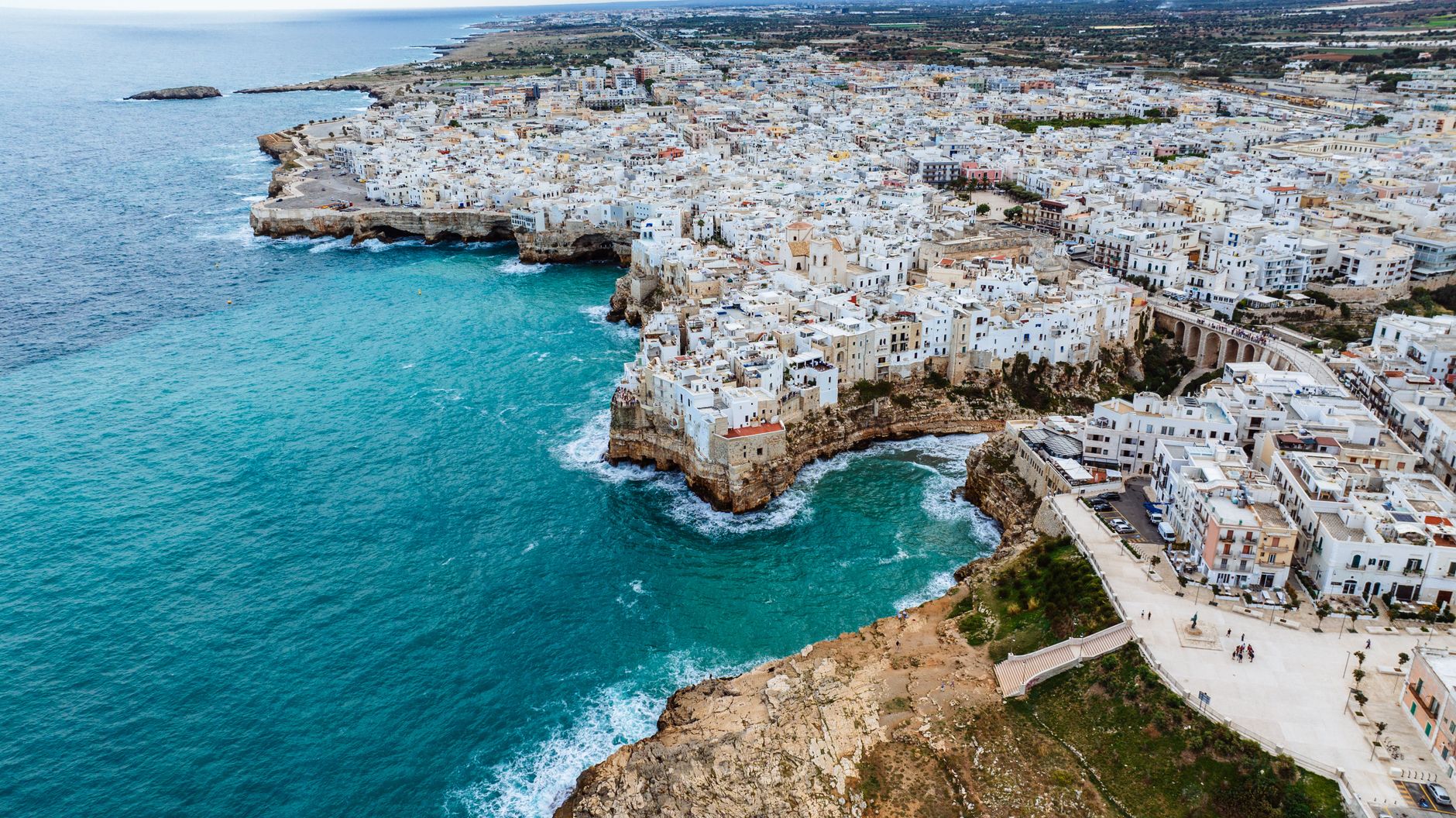
Puglia is the best-value region in southern Italy right now: warm, flat, easy to drive, full of white towns and olive groves, and with a coast on two seas. Base in Lecce for the Baroque and the food, drive out to Ostuni and Alberobello, and get to the coast at Salento. It's quieter than Tuscany and Amalfi in peak season, but the secret is out — go before it's fully discovered.

Region · Sardegna
Sardegna
Sardinia is for travelers who've done the mainland and want something more rugged and self-contained. The beaches are among the best in Europe (Cala Goloritzé, La Pelosa), the interior is empty shepherd-country, and the food is its own thing. It's expensive to reach and hard without a car, but it's the most distinctive island trip in Italy after Sicily — and less crowded.

Region · Piemonte
Piemonte
Piedmont is the connoisseur's Italy: Turin for the cafes and the Egyptian Museum, the Langhe for Barolo and white truffles, and the lakes for a quieter alternative to Como. It's sophisticated, pricey, and far less touristed than Tuscany. Go for the wine and the truffles, and expect a more French, more refined Italy than the south.

Region · Umbria
Umbria
Umbria is what Tuscany was twenty years ago: the same hill towns and medieval landscapes, with fewer tourists and lower prices. Assisi for the frescoes, Orvieto for the cathedral on the train line, Perugia for a real university city, and the Valnerina for empty green valleys. It's the best base in central Italy if you want to slow down and radiate by car.

Region · Trentino-Alto Adige
Trentino-Alto Adige
Trentino-Alto Adige is the mountain-trip region: the Dolomites for hiking and skiing, Lago di Carezza for a photo, and Ortisei as a base. The food straddles Italian and Austrian — dumplings, speck, strudel — and the infrastructure is the most organized in Italy. Go for the mountains in any season; it's the cleanest, most alpine corner of the country.

Region · Liguria
Liguria
Liguria is the coast everyone photographs: the Cinque Terre, Portofino, and the pastel villages of the Riviera di Levante. It's beautiful, narrow, and packed in summer — go shoulder season. Genoa is the underrated part: a gritty port city with the best food and the least tourists. Hike the Cinque Terre if you must, but base in Camogli or Santa Margherita to escape the worst crowds.

Region · Calabria
Calabria
Calabria is for travelers who've done the famous south (Campania, Puglia) and want the raw version. The coast (Tropea, Scilla) is the draw, the interior mountains (Aspromonte, Sila) are empty, and the food — nduja, swordfish, pecorino — is fiery and excellent. It's poor, the infrastructure is thin, and it's not for a first Italy trip. But it's the most authentic southern Italy you can still have largely to yourself.

Region · Abruzzo
Abruzzo
Abruzzo is the best-kept secret in central Italy: real mountains (Gran Sasso), real hill towns (Santo Stefano di Sessanio, Scanno), and an Adriatic coast, all cheaper and emptier than Umbria or Tuscany. It's the region to come to once you've done the famous central-Italy circuit and want the same landscape without the crowds. The national parks are the reason to go; the food is the bonus.

Region · Marche
Marche
The Marche is the quiet central-Italy region that sits between the Apennines and the Adriatic. Urbino for the Renaissance, Ascoli Piceno for the piazzas, the Sibillini for hiking, and the coast for a low-key beach. It's the region to choose when you want central Italy without Tuscany's crowds or Umbria's pilgrims — and it's cheaper than both.
Region · Friuli-Venezia Giulia
Friuli-Venezia Giulia
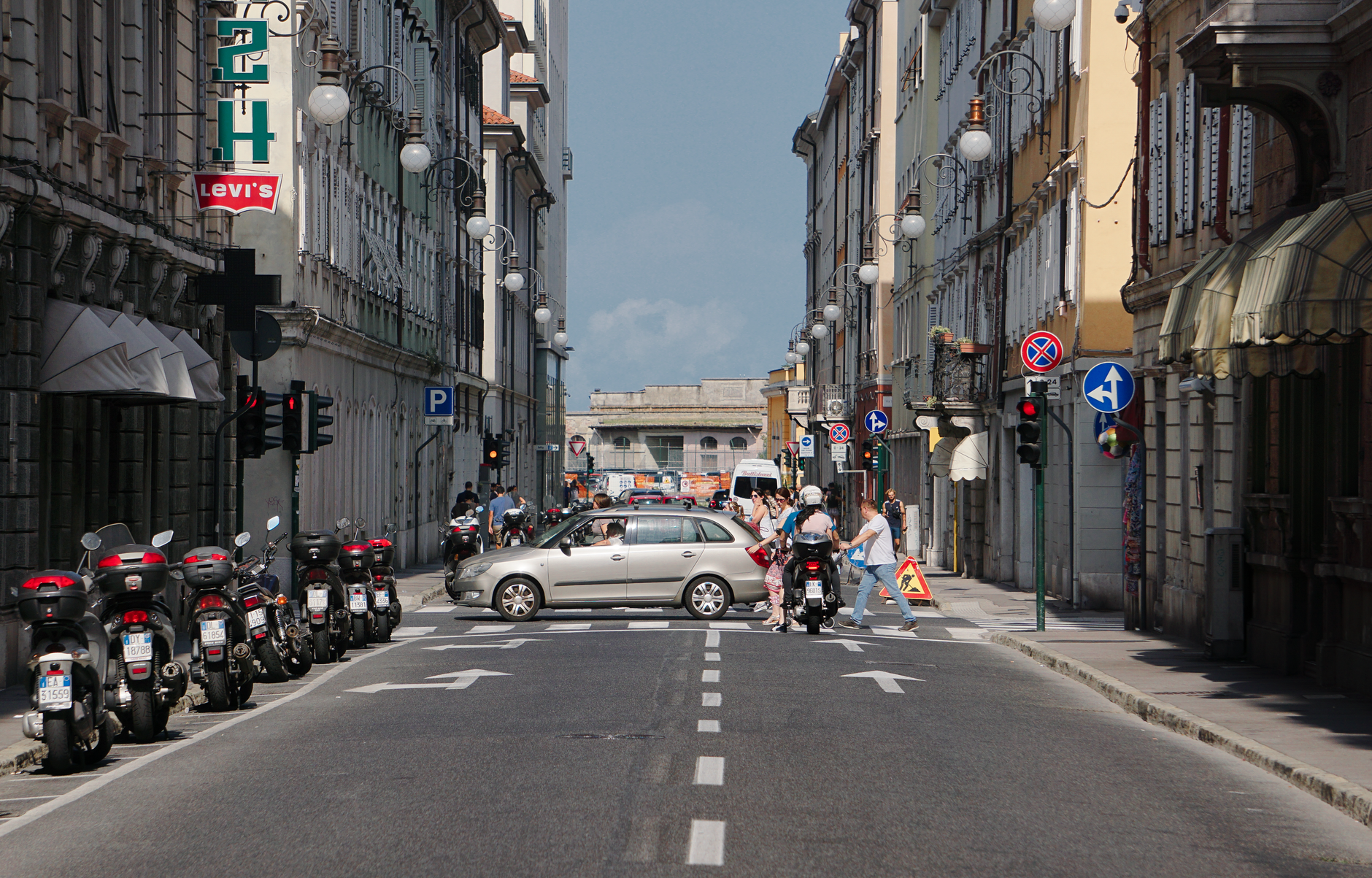
Friuli-Venezia Giulia is the most overlooked corner of Italy: Trieste is a Habsburg city on the sea, Aquileia has Roman mosaics to rival Ravenna, and the white wines are the country's most underrated. It's for travelers who've done the big circuits and want something genuinely different and nearly tourist-free. Pair with neighboring Veneto.

Region · Valle d'Aosta
Valle d'Aosta
Valle d'Aosta is pure mountains: Mont Blanc from Courmayeur, the Matterhorn from Cervinia, Gran Paradiso's national park, and Aosta's Roman ruins. It's small enough to do in a few days, expensive, and the least Italian-feeling region in the country. Go to ski, to hike, or to stand under the biggest peaks in the Alps — not for food-and-wine touring.

Region · Basilicata
Basilicata
Basilicata is for the traveler who's done Puglia and wants to go deeper. Matera is the unmissable draw — one of the most extraordinary cities in Italy — and the rest is empty, mountainous, and raw: Castelmezzano perched in the Lucanian Dolomites, Maratea on the coast, and a cuisine of lamb, peppers, and bread. It's hard to reach and thin on infrastructure, but Matera alone justifies the trip.

Region · Molise
Molise
Molise exists mostly to be the answer to 'what's the least-visited region in Italy?' There's little here you can't find better elsewhere — but that's the point for some travelers. Campobasso and the Adriatic Termoli are quiet, the mountains are empty, and you'll have them to yourself. Go only if you're stitching together Abruzzo and Puglia and want the road less traveled; don't restructure a trip for it.
Region · Toscana
Toscana
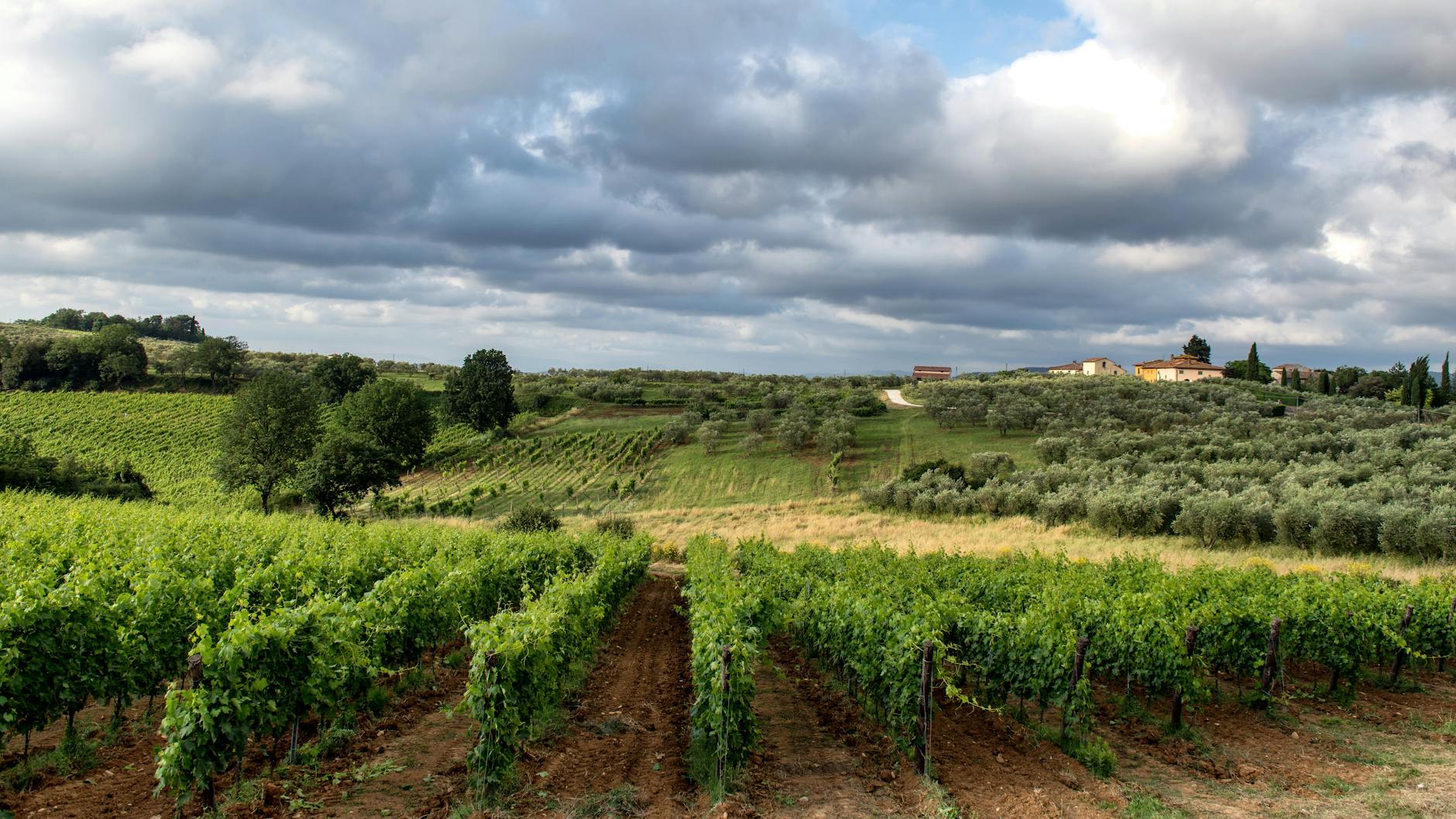
Tuscany earns the hype more than any other Italian region, and it's the best single region for a first trip. It also gets the most crowded and the most photographed, which means the famous towns — San Gimignano at midday, central Florence in summer — can feel exhausted. The reward is that you can spend two weeks here and barely scratch it: art cities, hill towns, coast, mountains, and a wine culture that's unmatched. Go, but go beyond the three places everyone else goes.

Church · Veneto
Cappella degli Scrovegni
Essential for anyone interested in pre-Renaissance painting. The frescoes are protected by climate control; book a timed slot or you will not get in.

Church · Lombardia
Santa Maria delle Grazie (Last Supper)
Essential, but only with a timed ticket booked weeks ahead. The 15-minute slot is enforced; the painting is more damaged and more powerful in person.

Church · Lazio
Pantheon
Essential. The most perfectly preserved building of ancient Rome, and the one that most changes how you see Roman engineering. Free entry; go early.

Palace · Toscana
Palazzo Vecchio
Worth it. The Salone dei Cinquecento is one of the great painted rooms, and the tower climb gives the best view of the Duomo. The secret passages tour is the better ticket.

Museum · Toscana
Uffizi Gallery
Essential. You cannot understand Florentine art without it, and the early-Renaissance rooms alone justify the trip. Book ahead or you will lose half a day in line.

Museum · Toscana
Galleria dell'Accademia
Worth it for David alone, but the rest is thin and the crowds are punishing. Go early or go late; skip if you cannot get a timed ticket.

Museum · Lazio
Vatican Museums & Sistine Chapel
Essential, but understand it is a marathon. The Sistine Chapel is the climax of a long, crowded corridor. Book a timed entry, accept the crowds, and do not try to see everything.

Gallery · Lazio
Galleria Borghese
The best small museum in Rome. Bernini's Apollo and Daphne alone is worth the timed entry. Booking is mandatory and limited; reserve days ahead.

Museum · Lazio
Capitoline Museums
Essential for anyone who wants to understand ancient Rome rather than just photograph it. Less crowded than the Vatican and better organized for the archaeology.

Museum · Veneto
Peggy Guggenheim Collection
The best modern art in Italy, and a relief from Renaissance overload. Small, well-edited, and a fascinating window into mid-20th-century taste.

Museum · Campania
Museo Archeologico Nazionale di Napoli
Essential if you are visiting Pompeii or Herculaneum — the frescoes and mosaics are here, not on the sites. The Farnese marbles alone justify the entry.
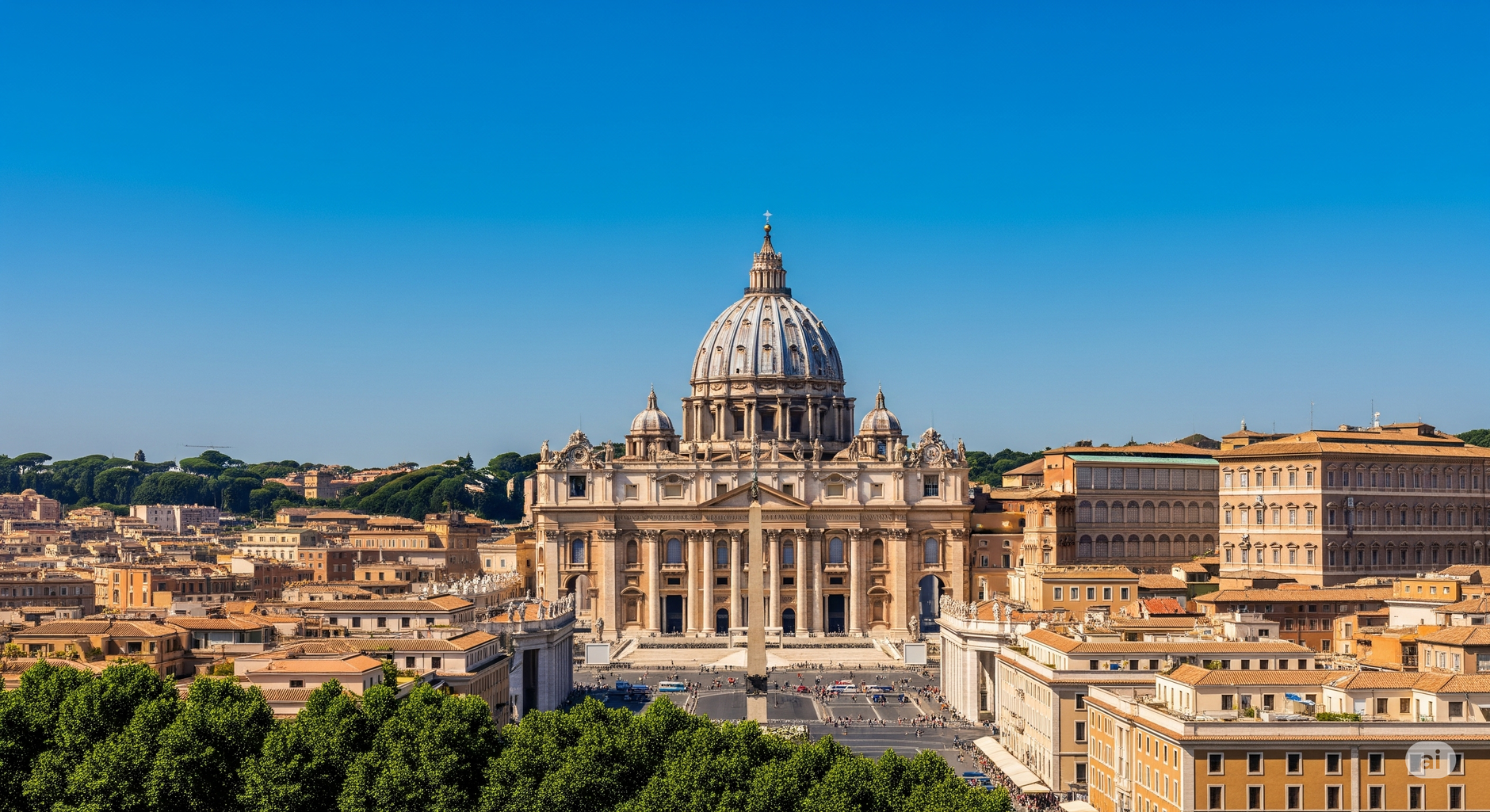
Basilica · Lazio
St. Peter's Basilica
Essential. Go early, climb the dome if your knees allow, and accept that it is a pilgrimage site as much as an artwork. Bernini's baldacchino and the Pietà define it.

Basilica · Veneto
Basilica di San Marco
Essential. The mosaics are the closest thing in Italy to Hagia Sophia. Skip the museum ticket and just enter the church, or pay for the Pala d'Oro and the upper galleries.

Cathedral · Toscana
Duomo di Firenze
Essential. The dome is the skyline of Florence. Climb it (with a timed ticket) to understand the engineering, then see the Baptistery doors and Giotto's campanile.

Cathedral · Lombardia
Duomo di Milano
Essential for a first Milan visit. The interior is vast and surprisingly restrained; the rooftop, with the pinnacles under your feet and the Alps on the horizon, is the reason to come.
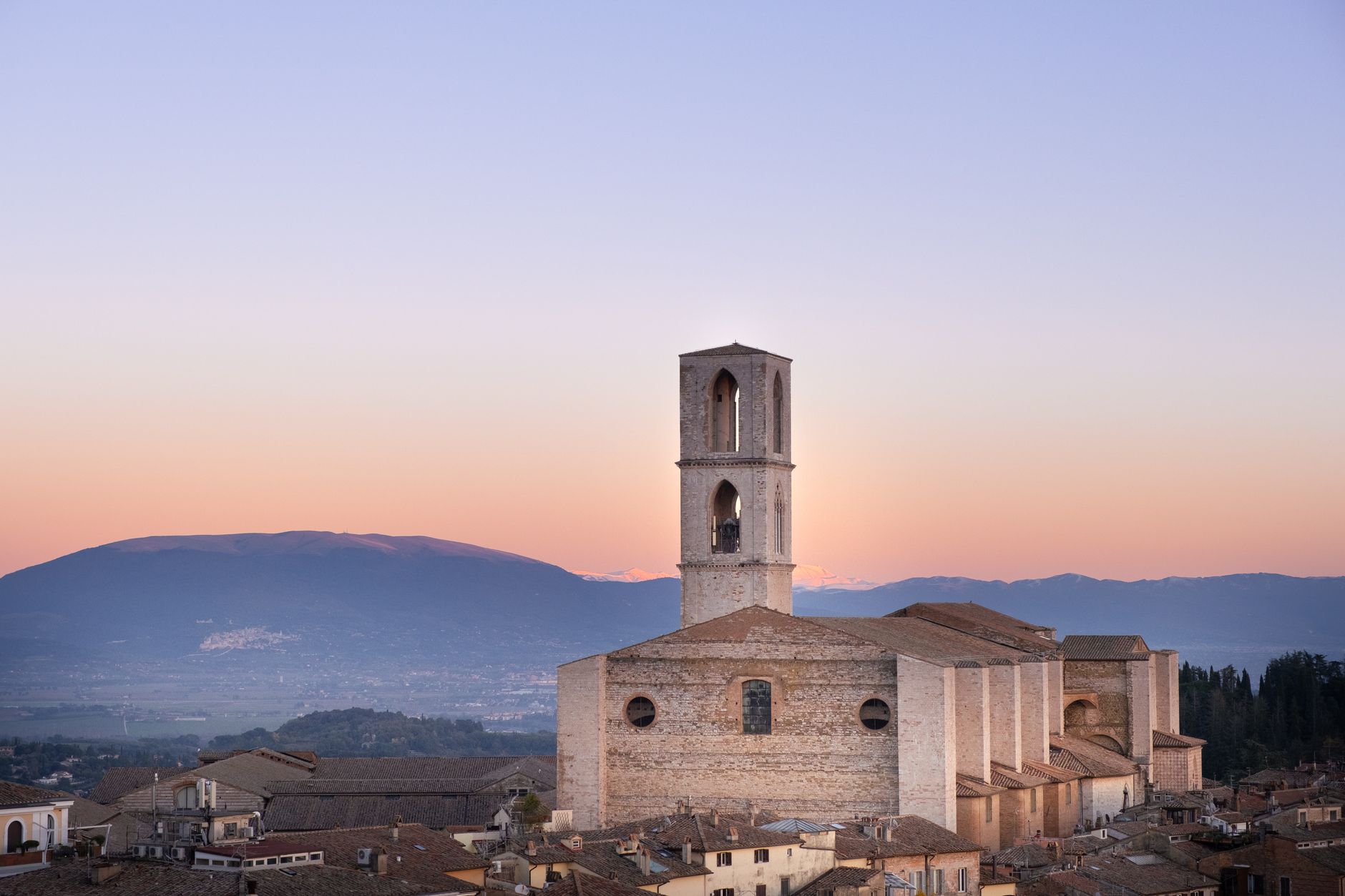
Basilica · Umbria
Basilica di San Francesco, Assisi
Essential for anyone interested in Italian art before the Renaissance. The Upper Church frescoes are contested but pivotal; the Lower Church is one of the most atmospheric spaces in Italy.

Basilica · Emilia-Romagna
Basilica di San Vitale
Essential. There is nothing else like this in Italy; Ravenna's mosaics are a separate lineage from the Roman world most tourists chase. Pair with Galla Placidia next door.

Cathedral · Toscana
Duomo di Siena
Highly recommended. The striped marble interior, the Piccolomini Library, and the marble floor panels make this Siena's strongest single sight.

Palace · Toscana
Palazzo Pitti
Recommended for the Palatine Gallery alone; do not try to do all five in one visit. Pair with the Boboli Gardens behind it.

Palace · Veneto
Palazzo Ducale, Venezia
Essential. The Sala del Maggior Consiglio is one of the largest painted rooms in Europe and the best record of how Venice saw itself.

Castle · Puglia
Castel del Monte
Worth a detour. The interior is empty; the octagon is the point. Go for the geometry and the view, not for furnishings.

Castle · Lombardia
Castello Sforzesco
Recommended, and free to enter the grounds. The Pietà Rondanini alone justifies the museum ticket.

Villa · Lazio
Villa d'Este, Tivoli
Essential for garden or landscape design. The hydraulic engineering and the allegorical water features set the template for European garden design.

Palace · Campania
Reggia di Caserta
Worth a detour if you have seen Naples. The staircase and the gardens are the point; the rooms are lavish but familiar from every European royal palace.
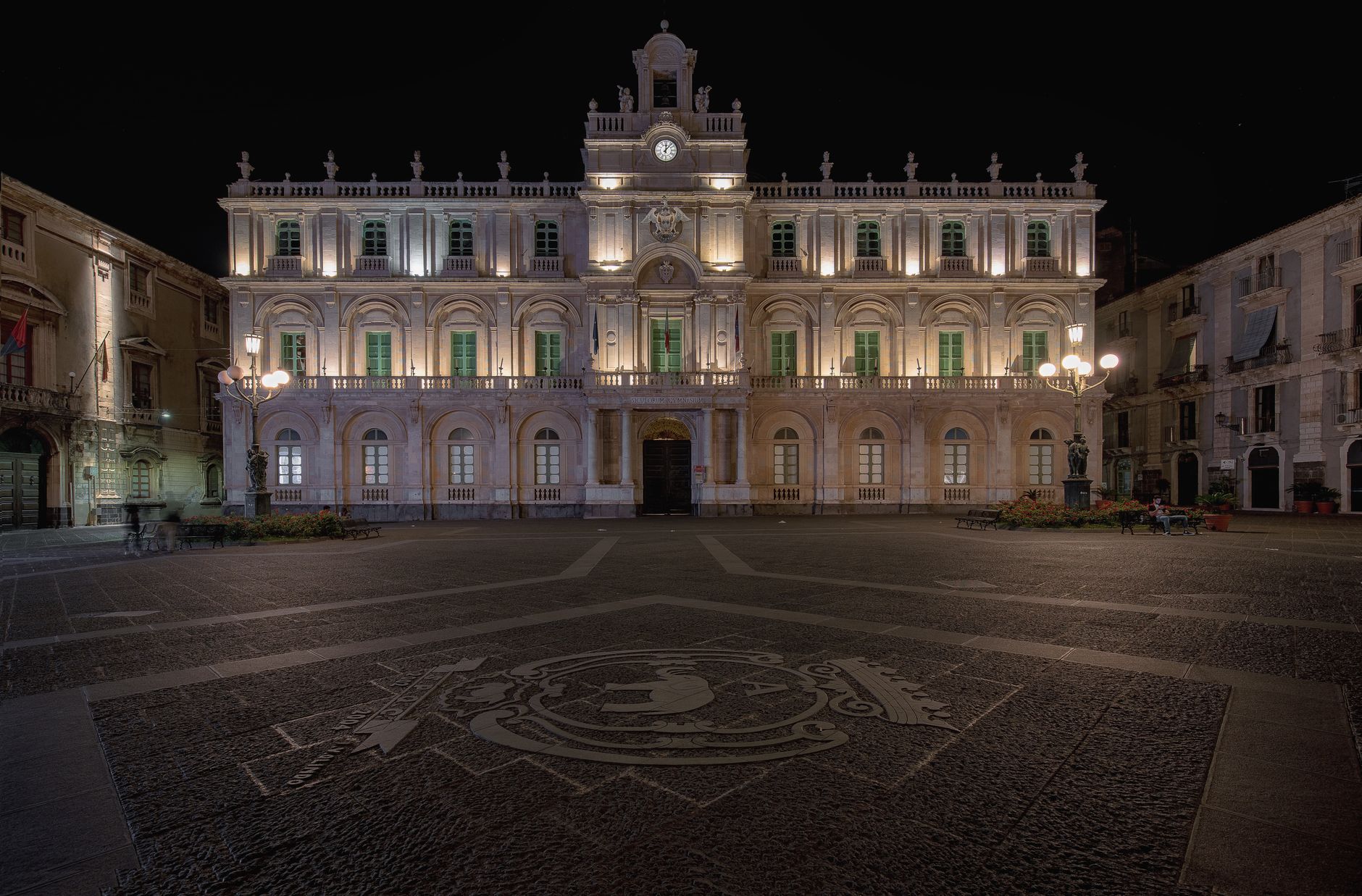
Palace · Sicilia
Palazzo dei Normanni & Cappella Palatina
Essential for the Cappella Palatina alone — the mosaics are a unique Arab-Norman-Byzantine fusion found nowhere else.

Archaeological Site · Lazio
Villa Adriana
Essential for anyone interested in ancient Rome beyond the Forum. Vast, shaded, and you will have much of it to yourself.

Piazza · Toscana
Piazza del Campo
Essential. It is the room Siena is built around. Go at midday to see the square fill, or the evening before the Palio to feel the contrade.

Piazza · Veneto
Piazza San Marco
Essential. Go at dawn before the crowds, or late at night after them. At noon in season it is miserable.

Piazza · Lazio
Piazza Navona
Essential. The best single place to read Roman Baroque. Ignore the overpriced cafes and look up.

Piazza · Toscana
Piazza dei Miracoli
Essential as a first sight; the tower gets the crowds but the Baptistery acoustics and the Camposanto fresco fragments are the real draw.

Garden · Toscana
Boboli Gardens
Recommended. Pair with Palazzo Pitti. It is large and shaded; budget two hours and a hat.

Garden · Lazio
Villa Borghese Gardens
Worth a walk, not a destination. Use it to recover between museums.

Archaeological Site · Lazio
Colosseo
Essential for a first visit, despite the crowds. Book the underground/arena-level ticket to see the hypogeum; the standard upper-tier ticket is the disappointing one.

Archaeological Site · Lazio
Foro Romano
Essential but hard to read without a guide. Pair with the Colosseum and Palatine on the combined ticket; the view from the Palatine ties it together.

Archaeological Site · Lazio
Palatine Hill
Included on the Colosseum/Forum combined ticket. Walk up for the view; the palace ruins are fragmentary but the panorama is the point.

Archaeological Site · Sicilia
Valle dei Templi
Essential if you are in western Sicily. Go at sunset for the light and the temperature; midday is exposed and punishing.

Archaeological Site · Campania
Paestum
Essential if you are on the Cilento or Amalfi coast. The temples are more intact than Agrigento's and far less crowded.
Coastline · Sardegna
Costa Smeralda
The emerald coast of NE Sardinia — granite coves, white sand, turquoise water, and the Porto Cervo glamour. Worth a few days for the beaches; skip the crowds in August.
Coastline · Campania
Amalfi Coast
The UNESCO cliffside coast — Positano, Amalfi, and Ravello, with the lemon groves and the blue sea. Worth a few days; avoid July-August (the crowds and the SS163 traffic are punishing).

Coastline · Toscana
Costa degli Etruschi
The Etruscan coast of Tuscany — white beaches, the Bolgheri wine, and the Etruscan sites. Worth a day or two for the wine and the beach; the less-crowded Tuscan coast.
Coastline · Liguria
Riviera del Levante
The eastern Ligurian coast — Portofino, Cinque Terre, Portovenere, and the Gulf of Poets. Worth a few days; the pastel villages on the cliffs are among the most iconic of Italy. Avoid August.
Coastline · Puglia
Salento Coast
The heel of Italy — white limestone cliffs, turquoise water on two seas, the baroque Lecce inland. Worth a week; the Salento is the southern coast that rivals anywhere in Italy.

National Park · Puglia
Gargano National Park
The 'spur' of Italy's boot — a limestone promontory with the Umbra Forest, the white cliffs, the sea caves, and the pilgrim Monte Sant'Angelo. Worth a few days; the wildest of Puglia.

National Park · Campania
Cilento National Park
The UNESCO park south of the Amalfi — the Greek ruins of Paestum, the wild coast, and the Mediterranean diet heartland. Worth a few days; the wilder, quieter south of Campania.

National Park · Calabria
Sila National Park
The great forested plateau of Calabria — the 'giant trees', the lakes, and the cool air. Worth a day or two to escape the Calabrian coast; the green heart of Calabria.

National Park · Emilia-Romagna
Foreste Casentinesi National Park
The ancient forests on the Tuscany-Romagna border — the Sasso Fratino reserve (UNESCO), the Camaldoli monastery, and the wolves. Worth a day or two for the wild; the wildest of the northern Apennines.

Hiking Trail · Campania
Sentiero degli Dei
The 'Path of the Gods' — the cliffside trail above the Amalfi Coast, with the view of Positano and the sea. Worth the 3 hours; the most famous hike in southern Italy, for a reason. Avoid the August heat and crowds.

Hiking Trail · Lombardia
Via Francigena
The medieval pilgrim road from Canterbury to Rome — the Italian Camino, through the Alps, the Apennines, and Tuscany to Rome. Worth a section (or the whole); the walking is the reason.

Scenic Drive · Lombardia
Strada della Forra
The 'road of the gorge', a cliffside road above Lake Garda — a spectacular cut into the rock, the gorge, and the view. Worth the detour for drivers; the 20-min thrill, on the way to the lake.

Scenic Drive · Trentino-Alto Adige
Sella Ronda
The 40km circuit around the Sella massif in the Dolomites — by ski, bike, or car, through four valleys. Worth the day (or the ski week); the most famous tour of the Alps.
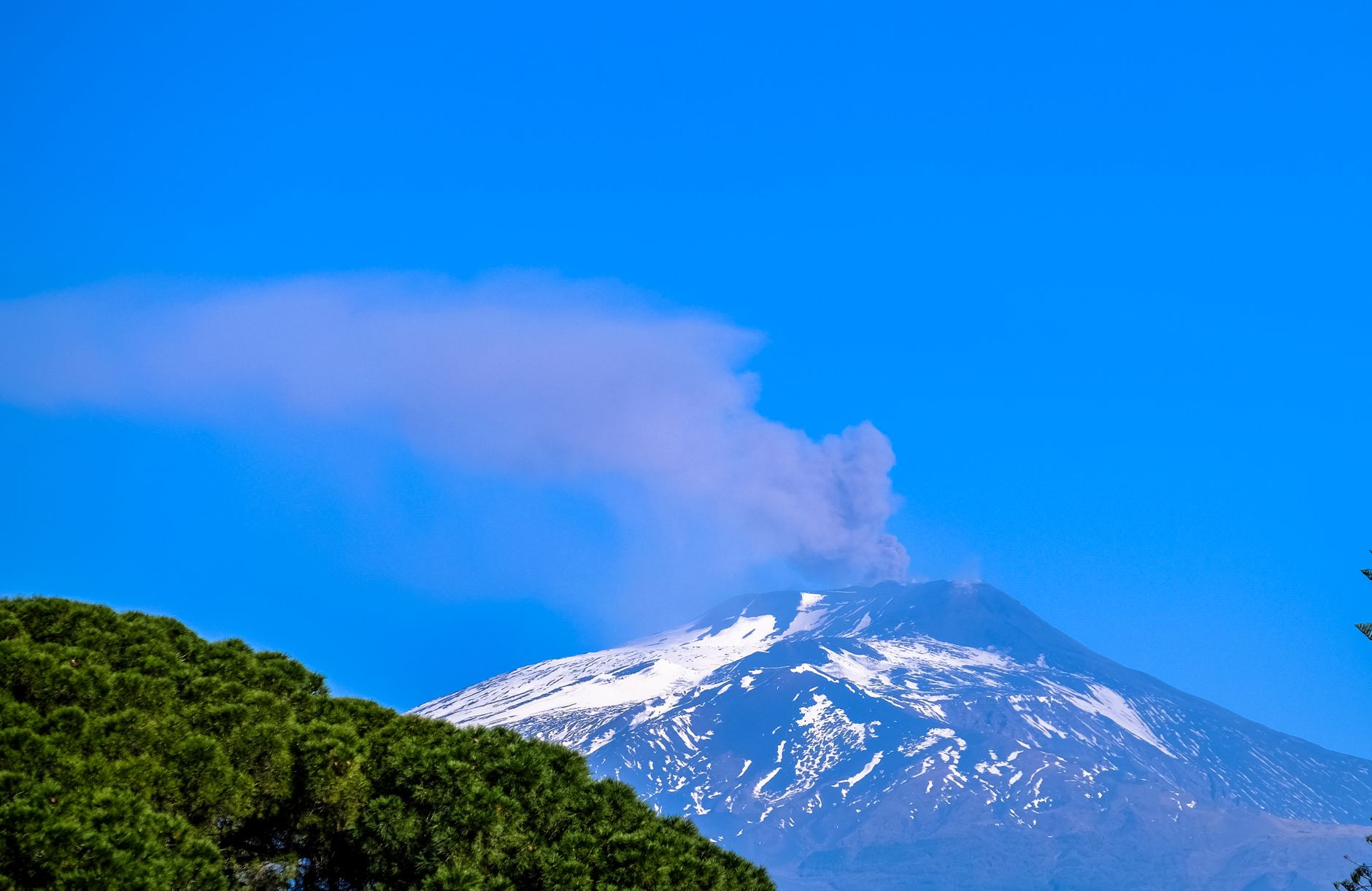
Mountain · Sicilia
Mount Etna
Europe's largest active volcano and a UNESCO site — a smoking summit, the lava flows, the cable car, and the vineyards on its slopes. Worth a day for the cable car and the lunar landscape; skip if it's erupting dangerously.

Mountain · Campania
Mount Vesuvius
The volcano that buried Pompeii — still active, with a trail to the smoking crater and the view over the Bay of Naples. Worth a half-day with Pompeii; the easiest live crater to reach in Italy.

Mountain · Abruzzo
Gran Sasso
The highest and wildest of the Apennines — the Corno Grande (2,912m), the Campo Imperatore plateau, and the chamois. Worth a day or two for the plateau and the hikes; the alpine Abruzzo.
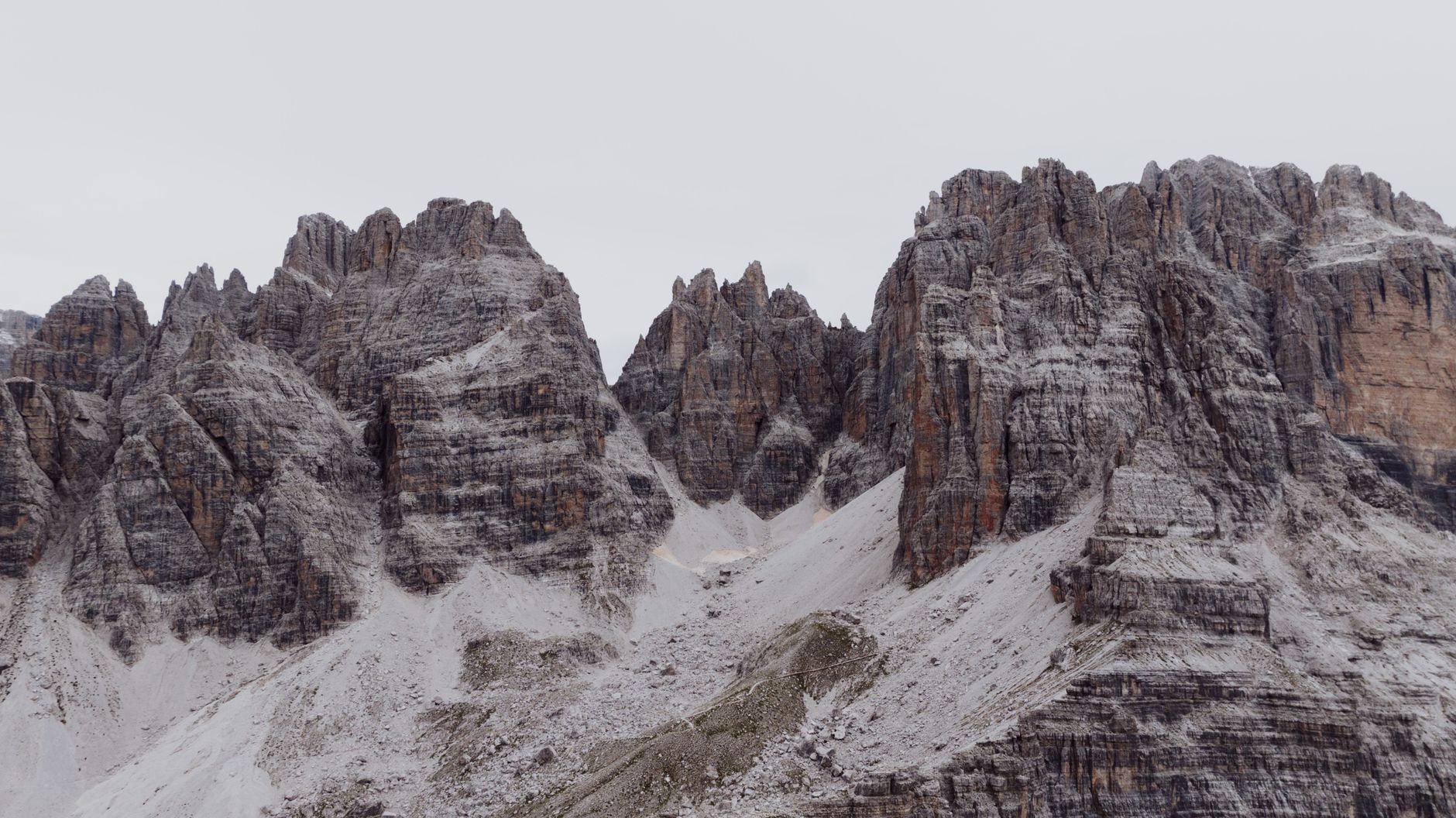
Mountain · Trentino-Alto Adige
The Dolomites
The most beautiful mountains in the Alps — pale limestone spires, the 'Enrosadira' (the pink at sunset), the Sella Ronda ski circuit, and the rifugi. Worth a week for skiing or hiking; worth a few days for anyone.

National Park · Lombardia
Stelvio National Park
Italy's largest national park, in the Ortler Alps — glaciers, marmots, ibex, and the Stelvio Pass (2,757m). Worth a few days for the hikes and the pass; the alpine wilderness.

National Park · Valle d'Aosta
Gran Paradiso National Park
Italy's first national park, saved for the ibex — alpine meadows, the only 4,000m peak entirely in Italy, and the marmots. Worth a couple of days for the hikes and the wildlife; the alpine-park classic.

Mountain · Abruzzo
Maiella
The 'mother mountain' of Abruzzo — the second great massif (Monte Amaro, 2,793m), the rock hermitages, and the wildest of the Abruzzo parks. Worth a day from Sulmona for the mountain and the hermitages.

National Park · Calabria
Pollino National Park
Italy's largest national park, in the deep south — the 'pino loricato' (the twisted-bark Bosnian pine), the Ragola gorge, and the wildest of the southern mountains. Worth a couple of days for the wilderness and the off-the-beaten-path.

Mountain · Calabria
Aspromonte
The southernmost massif of the Apennines, above Reggio Calabria — the wildest of the south, with the pines, the gorges, and Garibaldi's last stand. Worth a day for the wilderness and the off-the-beaten-path.
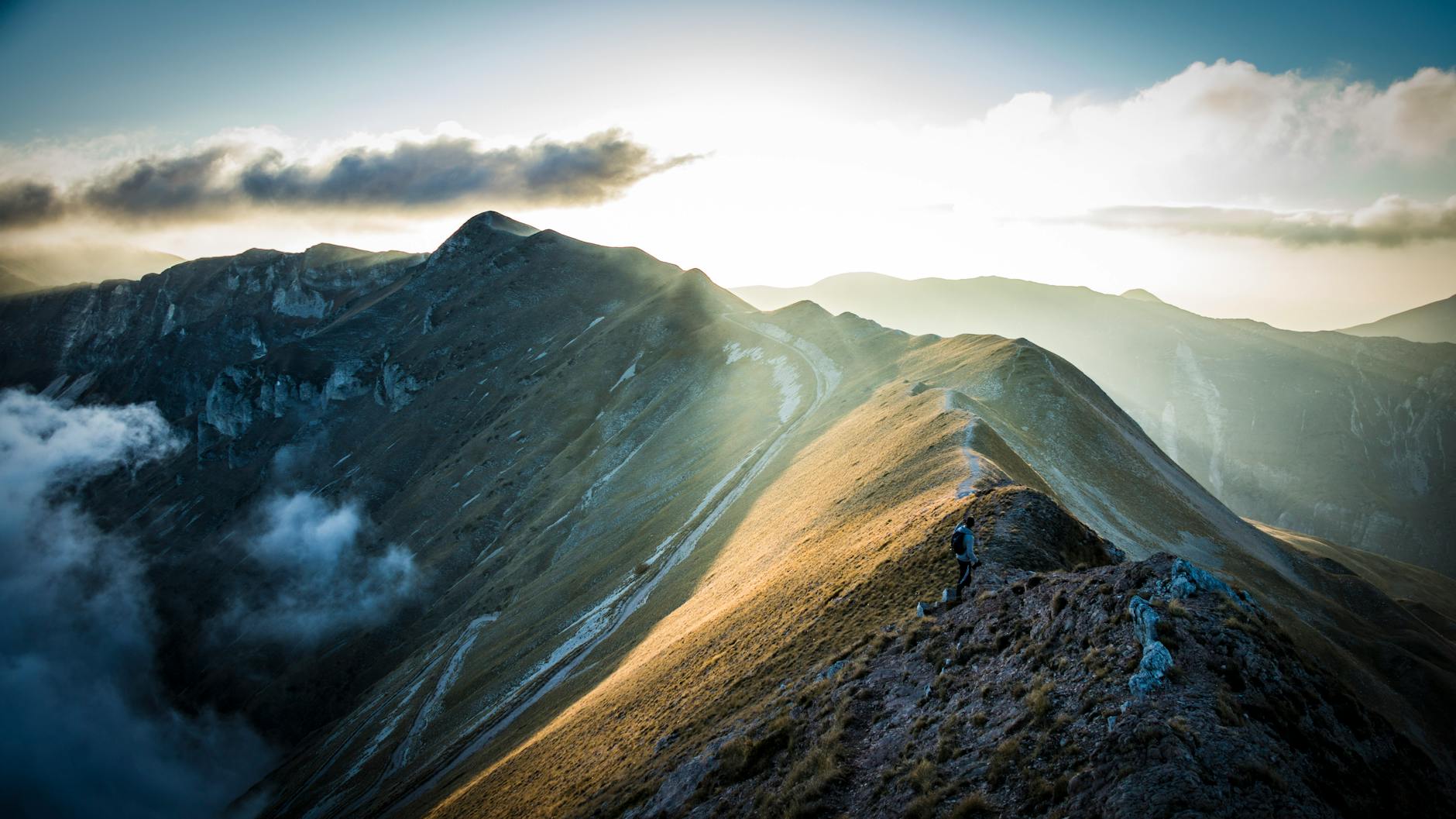
Mountain · Marche
Monti Sibillini
The 'blue mountains' of the Marche-Umbria border — the Sibilla (the sibyl's cave, the legend), the Castelluccio plain, and the wildflower bloom. Worth a day or two for the plateau and the legend.

Mountain · Toscana
Alpi Apuane
The marble mountains of Tuscany — the white Carrara quarries (the Michelangelo marble), the peaks, and the wildest side of the region. Worth a day for the quarries and the hikes; the surprise of Tuscany.

Lake · Veneto
Lago di Garda
Lake Garda is worth two or three nights, especially for families or travelers who want swimming and beaches alongside the mountain scenery. The south shore is warmer and flatter; the north is dramatic and alpine.

Lake · Lombardia
Lago di Como
The most glamorous of the Italian lakes — deep blue water, alpine backdrop, villas with gardens, and Bellagio at the junction. Worth a few days; longer for the villas. The classic for a reason.
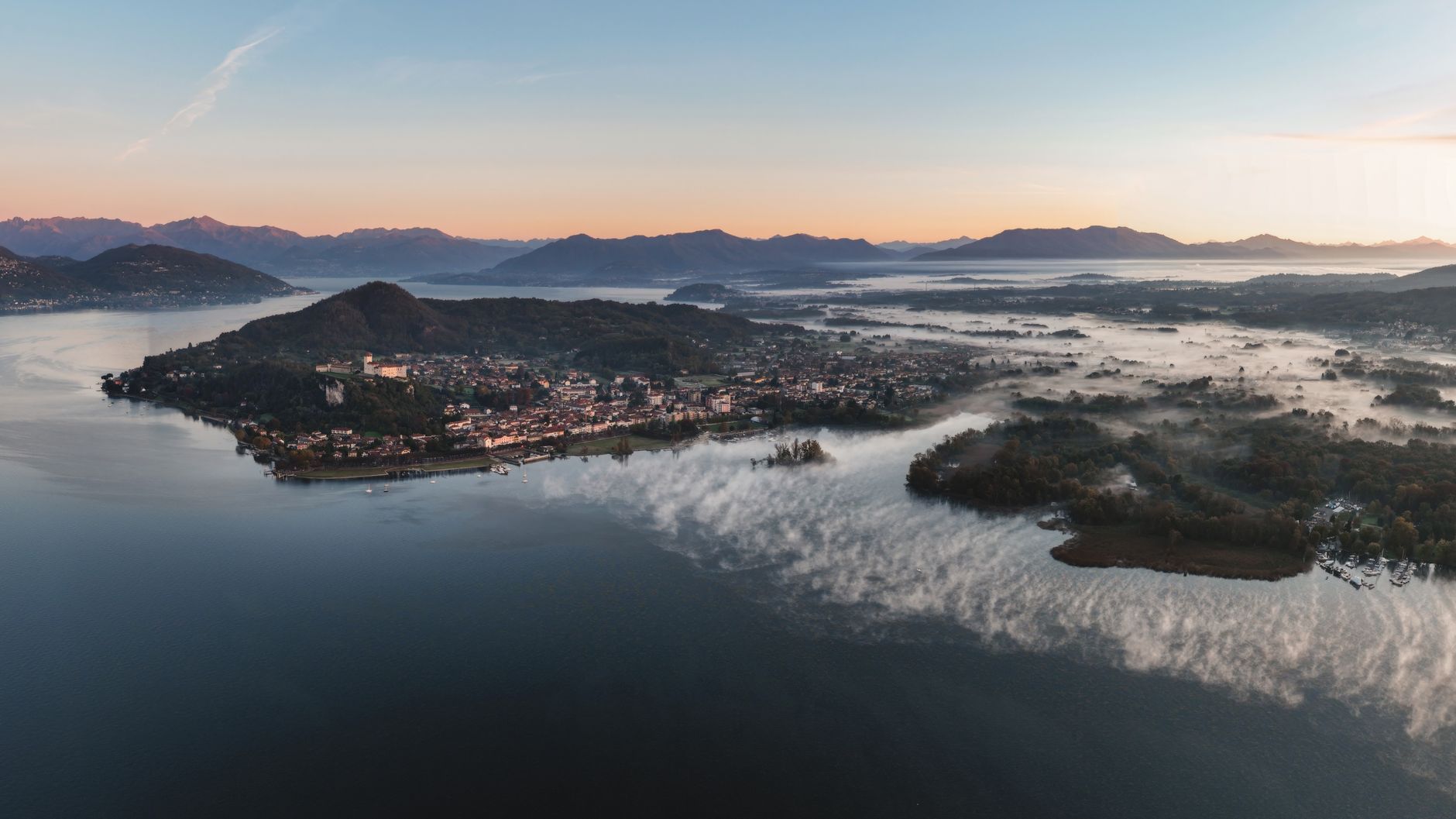
Lake · Piemonte
Lago Maggiore
The aristocratic of the Italian lakes — the Borromean Islands (palaces and terraced gardens), the alpine north (the Val Grande wilderness), and the mild climate. Worth a couple of days for the islands.

Lake · Umbria
Lago di Trasimeno
The gentle, historic lake of Umbria — the site of Hannibal's ambush (217 BC), with islands and medieval villages, and the Trasimeno wine. Worth a day or two as the base for the Castiglione-Cortona-Panicale arc.

Lake · Lazio
Lago di Bolsena
The clean, volcanic lake of northern Lazio — medieval villages on the crater rim, two islands, and the water so clean it's the drinking-water source for the region. Worth a day or two on the Rome-Tuscany drive.

Lake · Lombardia
Lago di Iseo
The quiet alternative to Como and Garda — the largest lake island in Europe (Monte Isola), the Franciacorta vineyards, and fewer crowds. Worth a couple of days for the island and the bubbles.

Lake · Lazio
Lago di Bracciano
The volcanic lake just north of Rome — a medieval castle (the Orsini-Odescalchi, where Tom Cruise married), the Etruscan sites, and the swimming. Worth a day trip from Rome.

Lake · Trentino-Alto Adige
Lago di Ledro
The small, wild alpine lake above Garda — a pile-dwelling village (UNESCO, 4000 years old), the mountains, and no crowds. Worth a night on the way to the alpine lakes.

Lake · Lazio
Lago Albano
The volcanic lake of the Castelli Romani, below the papal palace of Castel Gandolfo — the Pope's summer lake, the swimming, and the wine. Worth a day from Rome, for the palace and the porchetta.

Lake · Trentino-Alto Adige
Lago di Carezza
The most photogenic of the alpine lakes — a small turquoise pool in the Dolomites, with the Latemar and the Catinaccio (Rosengarten) behind, and the Ondina (water nymph) legend. Worth a stop on any Dolomites drive.

Beach · Sardegna
Spiaggia della Pelosa
One of the most beautiful beaches in Italy — white sand, turquoise water, and a medieval tower. But famous, and now ticketed to protect it. Worth it if you book early; skip in August.

Beach · Sardegna
Cala Goloritzé
One of the most dramatic beaches in Italy — a white-pebble cove below the 143m Punta Caroddi spire, reached only by hike or boat. Worth the effort; skip if you want sand.

Beach · Puglia
Baia dei Turchi
One of the most beautiful beaches of the Salento — pine-backed dunes, white sand, clear water, and the legend of the Turkish landing. Worth a day if you're on the Adriatic side of Puglia.

Beach · Sicilia
Mondello
Palermo's beach — a sandy crescent with art-nouveau villas and the Monte Pellegrino backdrop. Worth a day if you're in Palermo in summer; skip in August when it's wall-to-wall umbrellas.

Thermal Bath · Toscana
Saturnia Thermal Baths
The most famous wild hot springs in Italy — sulfurous water at 37°C, tumbling into limestone pools, for free, in the open. Worth a stop if you're in the Maremma; go at dawn or night to avoid the crowds.
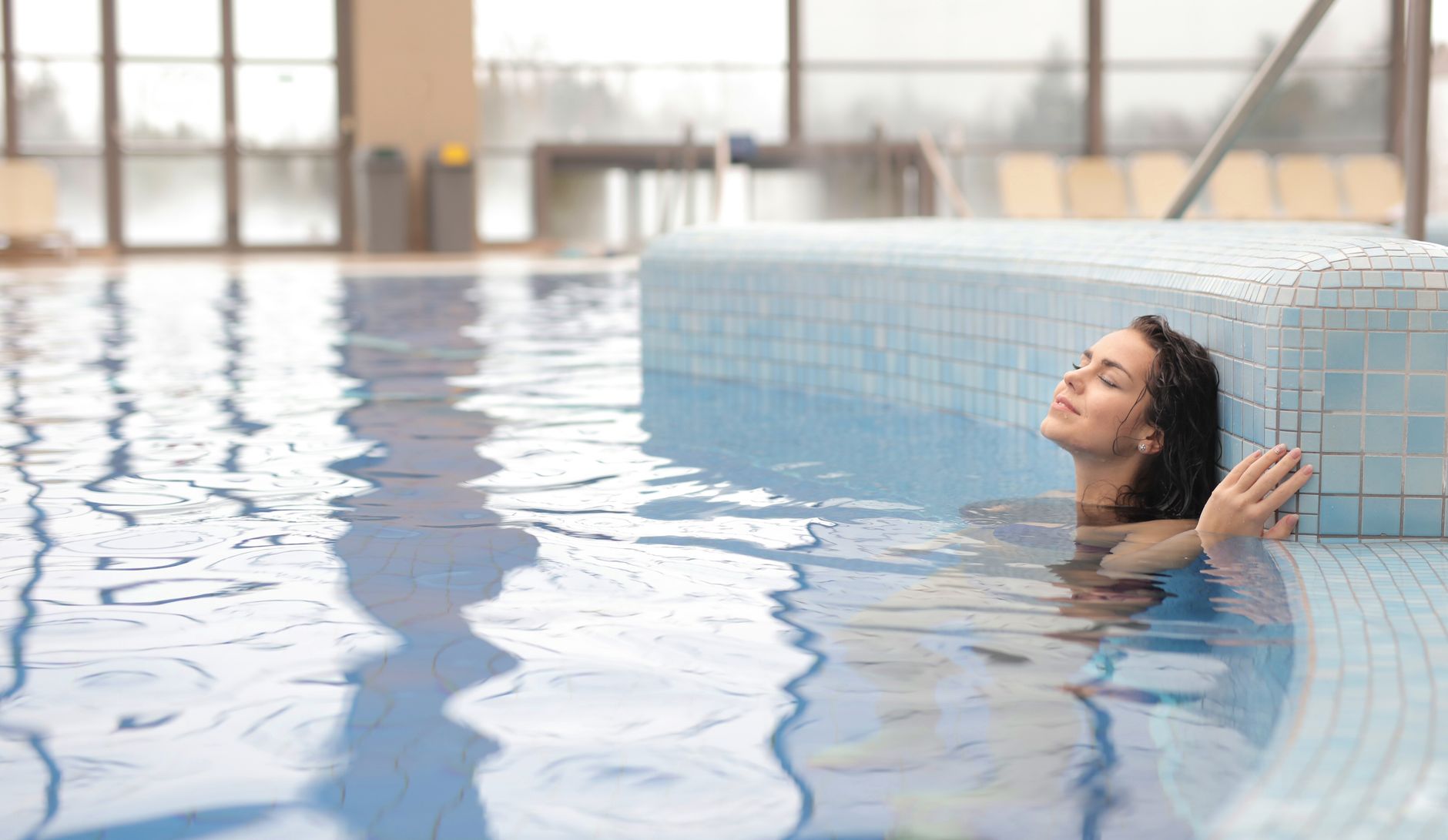
Thermal Bath · Toscana
Montecatini Terme
The most elegant of the Italian spa towns — the art-nouveau bathhouses, the parks, and the funicular to Montecatini Alto. Worth a day if you love Belle Époque; a night for the full resort.

Thermal Bath · Veneto
Abano Terme
The largest thermal resort in Europe — the hot mud (fango) baths, the Euganean Hills, and the medical-spa tradition. Worth a stop for spa-goers and mud-cure pilgrims, between Venice and Padua.

Thermal Bath · Lombardia
Bormio Terme
The thermal baths of the high Alps — the Bagni Vecchi (the Roman baths, carved in the rock, with the views) and the Bagni Nuovi (the grand spa). Worth a day for the Roman baths and the alpine setting, between Stelvio and Lake Como.

Island · Campania
Procida
The colorful, un-touristy sister of Capri — a small island of pastel houses, fishing harbors, and lemon groves, without the day-trip crowds. Worth a night for the slow island.
Island · Sicilia
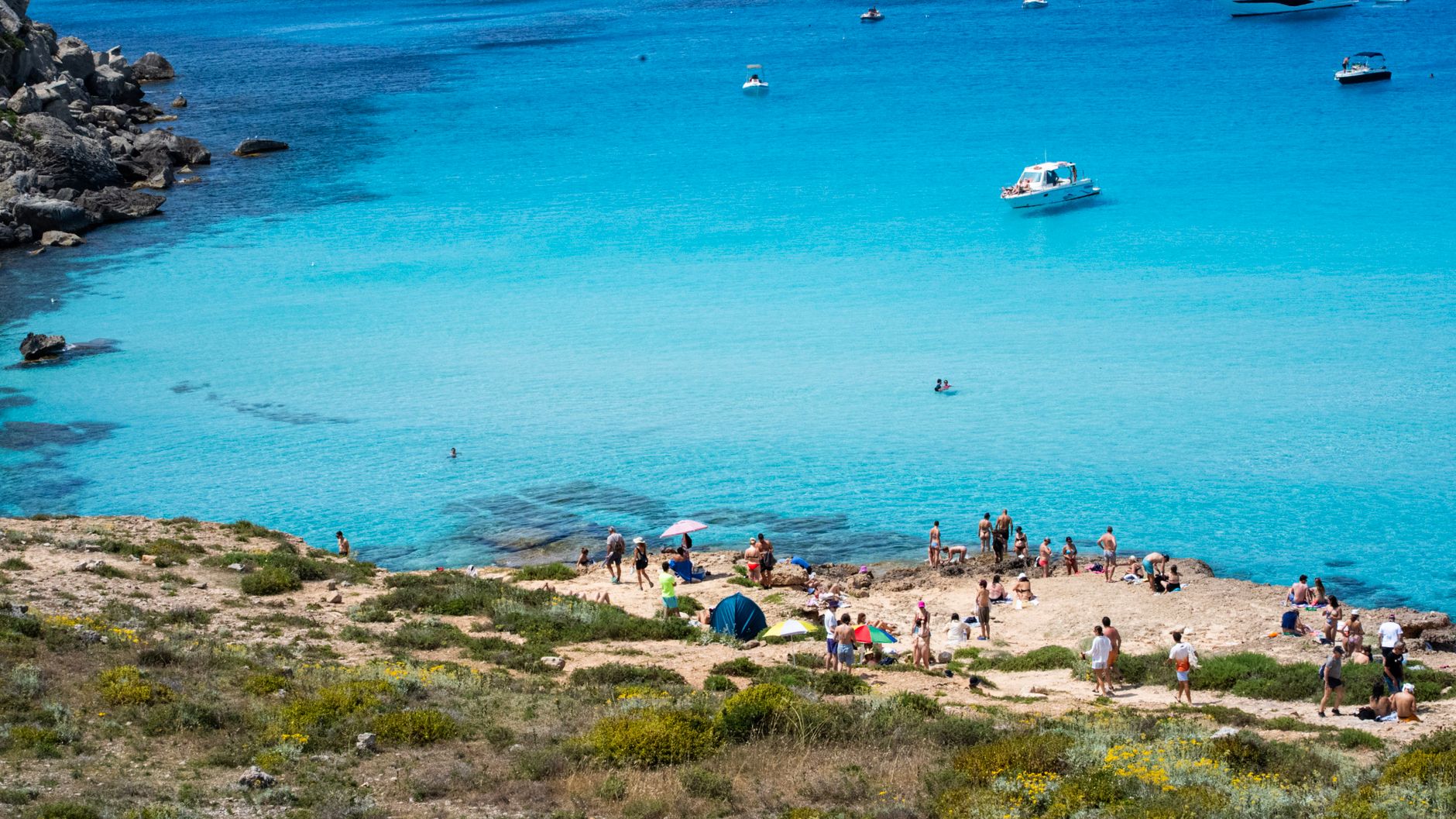
Lampedusa
The far south of Italy — an African-island outpost in the Mediterranean, with the Conigli beach (the best in the world, per many), the tuna, and the sea turtles. Worth a flight for the beach and the elsewhere.

Island · Sicilia
Stromboli
The most dramatic of the Aeolian Islands — a volcano that erupts every 20 minutes, with a guided hike to the summit at dusk. Worth a night for the eruptions, if you're not afraid of the climb.

Island · Sicilia
Panarea
The fashionable little Aeolian island — white houses, a prehistoric village, and the August scene. Worth a night for the chic and the quiet (in June or September, not August).

Island · Sicilia
Lipari
The base for the Aeolian Islands — a citadel above the sea, a great archaeological museum, and the pumice beaches. Worth a couple of nights as the hub for Stromboli, Panarea, and Salina.

Island · Toscana
Elba
The most accessible Italian island — sandy beaches, Napoleon's exile (Villa San Martino), the iron-mining history, and the mountain. Worth a few days for the beach-and-history mix, and it's an easy ferry from Piombino.

Island · Sardegna
La Maddalena
The archipelago off the Costa Smeralda — pink granite rocks, turquoise water, and the national park. Worth a day or two for the boat and the Caprera (Garibaldi's island).

Island · Sicilia
Pantelleria
The elsewhere island — a volcanic rock between Sicily and Tunisia, with stone houses (dammusi), capers, a volcanic lake, and the wind. Worth a few days for the wild and the capers.
Town · Calabria
Pizzo
The home of the Tartufo di Pizzo — the chocolate-truffle ice cream — and a castle on the cliff. Worth a stop if you're at Tropea, for the ice cream and the view.

Town · Calabria
Stilo
The Cattolica di Stilo is a 10th-century Byzantine church on the hillside, one of the rarest in Italy — worth the detour for the Byzantine south. The town is a bonus.
Town · Valle d'Aosta
Breuil-Cervinia
The Italian side of the Matterhorn — a ski resort in the shadow of the pyramid. The cable car to Plateau Rosà (3,480m) is the point. Worth a day for the mountain, or a week for the skiing.

Town · Valle d'Aosta
Cogne
The base for the Gran Paradiso National Park — meadows, marmots, ibex, and the only 4,000m peak entirely in Italy. Worth a night for hikers and anyone who wants the alps without the resort.
Town · Abruzzo
Scanno
One of the most atmospheric villages in Abruzzo — a maze old town above a heart-shaped lake, with a tradition that's still alive. Worth a night for the lake and the alleys.

Town · Abruzzo
Santo Stefano di Sessanio
A perfect stone village in the high Gran Sasso, restored by the albergo diffuso movement. Worth a night for the quiet and the mountain — the Abruzzo of the shepherds.
Town · Basilicata
Castelmezzano
One of the most beautiful villages in Italy, perched on a peak in the Lucanian Dolomites — and the Angel Flight (Volo dell'Angelo), the world's highest zipline, to the facing village. Worth a night for the mountain and the flight.

Town · Basilicata
Metaponto
The Tavole Palatine — 15 standing columns of a 6th-century BC Greek temple — and the ruins of Metapontum, where Pythagoras lived and taught. Worth a stop if you're in Basilicata's Ionian coast.
Town · Marche
Gradara
The castle of Paolo and Francesca — the lovers of Dante's Inferno, Canto V — in a perfectly preserved medieval borgo. Worth a stop for the story and the towers.

Town · Marche
Numana
The best base for the Conero Riviera — a cliffside old village, a pine-backed beach, and the blue Adriatic. Worth a couple of nights if you want the Marche coast without the Rimini crowds.
Town · Friuli-Venezia Giulia
Grado
The Friulian beach town — a sandy old center on a lagoon, golden beaches, and a lagoon of cane islands with herons. Worth a night for the lagoon and the old town.

Town · Friuli-Venezia Giulia
Udine
The best base for Friuli — a Venetian-influenced old center, a Tiepolo cycle, and the densest osterie in the region. Worth a night as the hub.

Town · Liguria
Camogli
The fishing village next to Portofino, with a harbor of tall pastel houses and a 'thousand windows' — the authentic version of the Riviera postcard, without the yachts. Worth a night.

Town · Liguria
Santa Margherita Ligure
The practical and elegant base for the eastern Riviera — palm-lined promenade, painted villas, and the boats to Portofino and San Fruttuoso. The place to stay, not the place to day-trip through.
Town · Marche
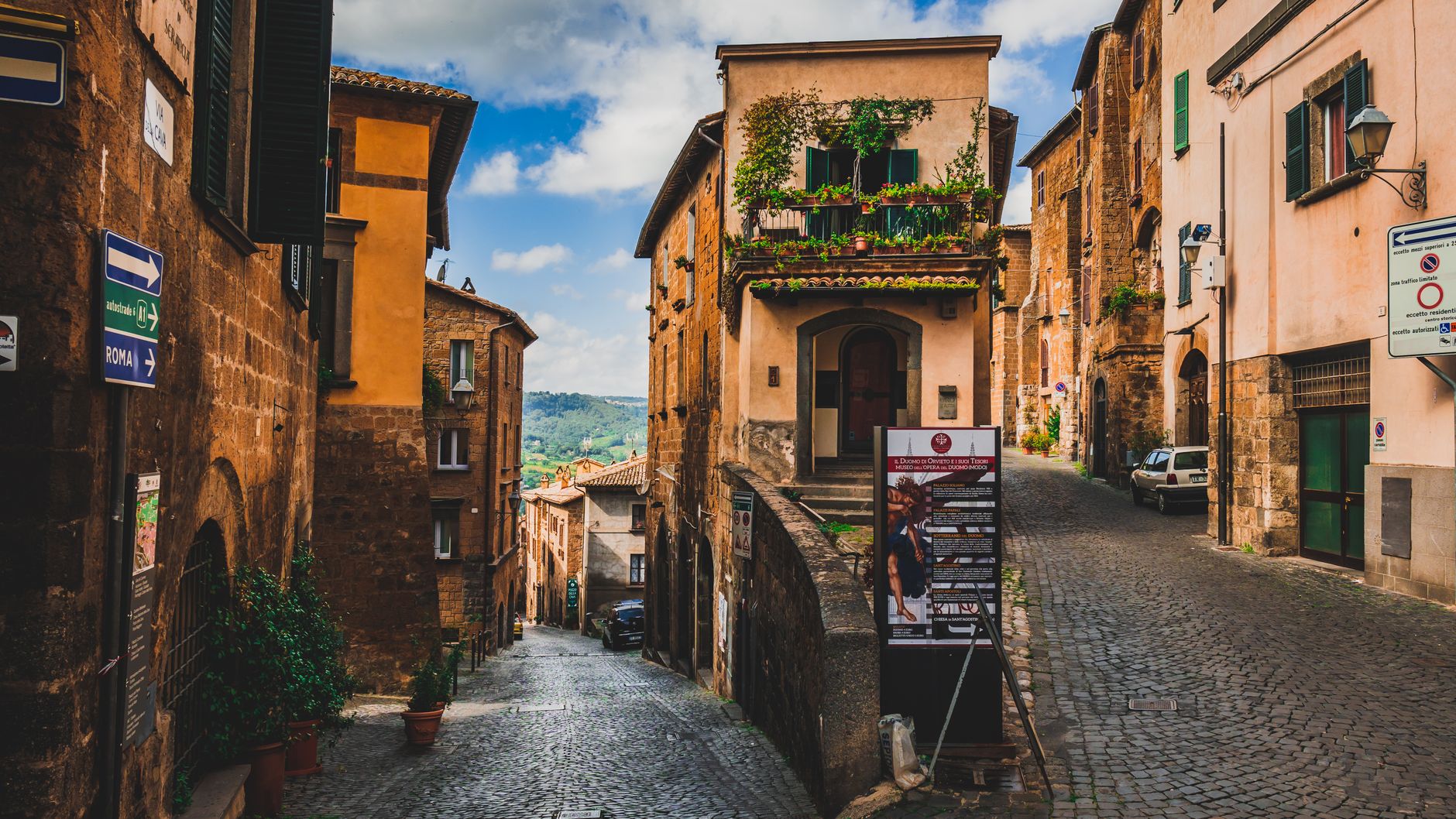
Urbino
The most important Renaissance city most travelers skip. The Ducal Palace is the masterpiece; the birthplace of Raphael is the bonus. Worth a night if you love Renaissance art and architecture.

Town · Calabria
Tropea
The most photographed spot in Calabria, and it earns it: a clifftop old town above clear blue water. Worth a couple of nights if you're doing the south.
Town · Calabria
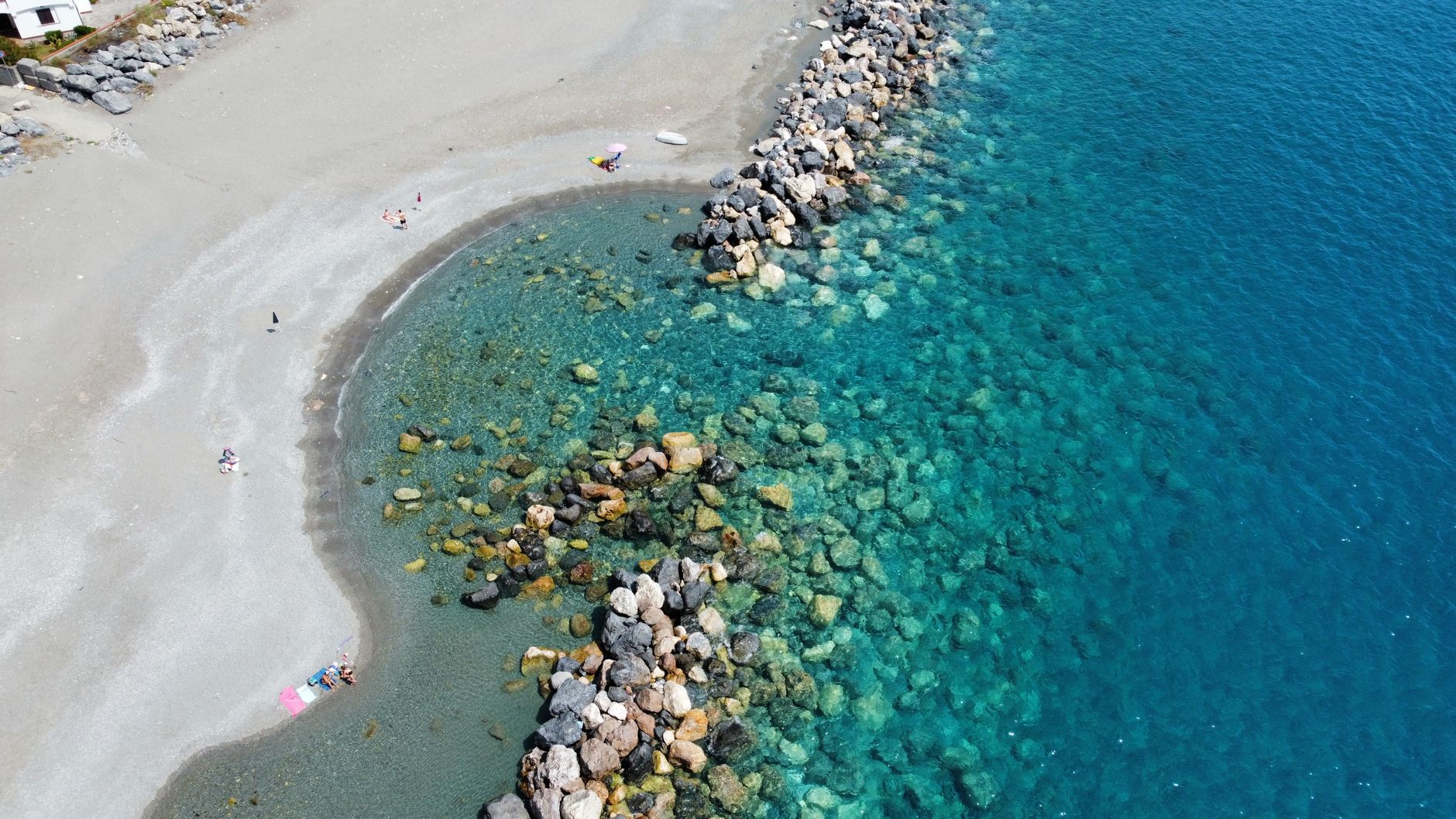
Scilla
A fishing village that looks like the Aeolian Islands without the ferry — a castle above, painted boats below, swordfish on the grill. Worth a night if you're in the deep south.

Town · Valle d'Aosta
Aosta
The best-preserved Roman city in the Alps — a triumphal arch, a theater, the walls — in a valley floor below the peaks. Worth a day as a base for the Val d'Aosta.

Town · Valle d'Aosta
Courmayeur
The Italian side of Mont Blanc — a polished resort town, but the real draw is the Skyway cable car to Punta Helbronner and the view of the highest peak in the Alps from its south face. Worth it for the mountain.

Town · Abruzzo
Sulmona
The most elegant town in Abruzzo — a grand aqueduct, a linear old town, and the confetti industry that's been here for centuries. Worth a night as a base for the Maiella.

Town · Abruzzo
L'Aquila
The mountain capital of Abruzzo — a grand basilica, the 99-spout fountain, and a city still recovering. Worth a stop for the Collemaggio and the mountain setting, but check what's open.

Town · Marche
Ascoli Piceno
The most beautiful town in the Marche you haven't heard of — a center of travertine towers, two great piazzas, and the olive all'ascolana. Worth a night.

Town · Basilicata
Maratea
The 'Pearl of the Tyrrhenian' — the one stretch of Basilicata coast, with a clifftop old town, a Christ-of-the-Andes-style statue, and hidden coves. Worth a night if you're driving the south.

Town · Friuli-Venezia Giulia
Cividale del Friuli
The oldest town of Friuli — a Celtic bridge, a Lombard temple (8th century), and a deep, atmospheric gorge. The meeting of Italy, the Alps, and the Slavic east. Worth a night.

Town · Friuli-Venezia Giulia
Aquileia
The most important Roman site in northern Italy — the 4th-century mosaic floor of the basilica is the largest in Europe, and the Roman ruins are extensive. Worth a half-day from Grado or Cividale.

Town · Liguria
Portofino
The postcard is real — a perfect little harbor of pastel houses under pines, with yachts. It's small, expensive, and crowded, but it earns the fame. Worth a half-day; an afternoon, not a week.
Town · Molise
Campobasso
The capital of Italy's least-known region — a castle above, a maze old town below, and almost no tourists. Worth a stop if you're touring Molise, not a destination in itself.

Town · Molise
Termoli
The Adriatic face of Molise — a walled old town on a promontory, a castle, and the boats to the Tremiti Islands. Worth a night if you're heading to the islands or touring the coast.

Dish · Piemonte
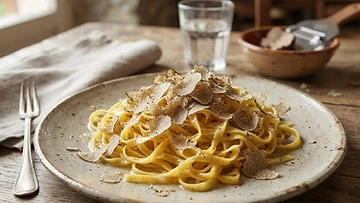
Tajarin al Tartufo
The dish that justifies the trip to Alba in October-November. Tajarin: thin, golden ribbons made with up to 40 egg yolks per kilo of flour. Tossed in butter and shaved with white truffle (tartufo bianco d'Alba), by weight, at the table. The pasta is the vehicle; the truffle is the point. Nothing else should interfere — no garlic, no cream, no tomato. When the truffle is good, this is the best pasta in Italy.

Dish · Piemonte
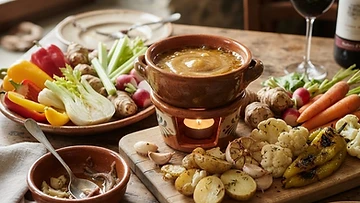
Bagna Càuda
The dish that proves Piedmont eats like no one else in Italy. A warm bath of melted butter, garlic, and salted anchovy (bagna cauda = 'hot sauce'), served in a terrine, with raw winter vegetables — cardoon, jerusalem artichoke, peppers, cabbage, carrots — to dip. Pungent, fishy, and communal — eaten slowly, with friends, with wine. Not for the faint of palate; a revelation for the bold.


Dish · Piemonte
Vitello Tonnato
The cold dish that defines a Piedmontese summer, and that the rest of Italy now eats too. Thin slices of cold braised veal, covered in a sauce of tuna, capers, anchovy, olive oil, and egg — emulsified into a creamy, savory blanket. The sauce is the work; the veal is the canvas. Invented in Turin, eaten across the north all summer. Best made a day ahead, so the flavors marry.


Dish · Piemonte
Grissini di Torino
The breadstick that the world copied, and that Piedmont still does best. Long, pencil-thin, dry, and crisp, originally invented in Turin in the 17th century for a sick duke who couldn't digest bread. Eaten at every Piedmontese meal, as a starter, with prosciutto wrapped around them. The rubatà (hand-rolled) version is thicker and rougher than the industrial one. A small thing, done right.

Dish · Piemonte
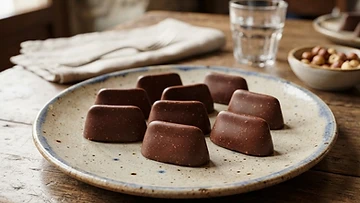
Gianduiotto
The chocolate that Nutella descends from, and is much better than. A small, boat-shaped piece of gianduja — a blend of cocoa and roasted Piedmontese hazelnuts (Tonda Gentile delle Langhe). Invented in Turin in the 1850s; the first wrapped chocolate in Italy. Eat it from a Turinese chocolatier, where it's still made with care. The nut flavor is deeper than the spread that copied it.

Dish · Sardegna
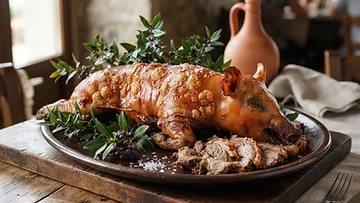
Porceddu
The dish of Sardinian festivals, shepherds, and weddings: a whole suckling pig (porceddu), spit-roasted over an aromatic-wood fire for hours, basted with myrtle and bay, until the skin is glass and the meat falls. Eaten with your hands, with carasau bread, and Cannonau red wine. It's not restaurant food — it's event food — but the best agriturismi on the island still do it right.


Dish · Sardegna
Culurgiones
The filled pasta of the Sardinian interior: small, sealed ravioli, shaped like a sheaf of wheat, filled with potato, pecorino, and a hit of fresh mint. The mint is the surprise — it makes them brighter than any mainland ravioli. Served simply, with tomato and pecorino, or just butter and sage. From Ogliastra, in the east; a protected traditional product.


Dish · Sardegna
Malloreddus
The pasta most Sardinians eat most often. Small, ridged, saffron-tinted gnocchetti (the Sardinian name for gnocchetti sardi), with a tomato and sausage ragù, finished with grated pecorino. Simple, hearty, and the dish that tells you what Sardinian home cooking tastes like — saffron, pork, pecorino, and not much fuss.

Dish · Sardegna
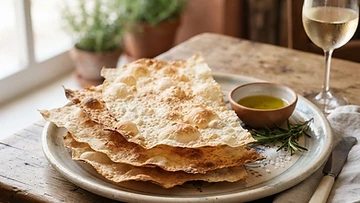
Pane Carasau
The bread of the Sardinian mountains: paper-thin, twice-baked, dry and crisp, originally made for shepherds to carry into the hills for weeks. Eaten dry as a snack, or wetted with water or tomato sauce to soften (pane frattau), or with egg and broth (battute). It keeps for months and is one of the world's great breads. The crunch is the point.

Dish · Sardegna
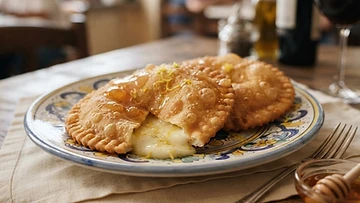
Seadas
The dessert that's not really a dessert. A disk of semolina dough filled with young, melting pecorino, fried until crisp, then drenched in bitter Sardinian honey (miele amaro, often strawberry-tree honey). The cheese is savory, the honey is bitter-sweet, the contrast is what makes it. Eaten as a sweet-savory finish, or sometimes as a mid-meal palate-killer. Nowhere else does this.

Dish · Sardegna
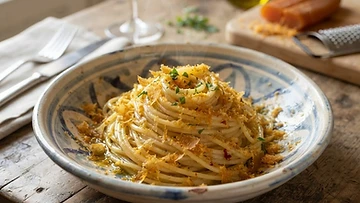
Bottarga di Cabras
The 'caviar of the Mediterranean': salt-cured, dried mullet roe, from the Cabras lagoon in western Sardinia. Hard, amber, and intensely savory-umami. Shaved thin over pasta (spaghetti alla bottarga), sliced over salad, or eaten with just olive oil and lemon. A little is a lot. The Cabras product is the benchmark; the flat grey mullet roe is the original. Buy it to take home.

Dish · Veneto
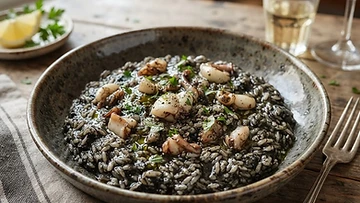
Risotto al Nero di Seppia
The dish that turns a plate black and a fork purple. Carnaroli rice, cooked with cuttlefish, white wine, and the cuttlefish's own ink, until the rice is a glossy, jet-black mass. Briny, mineral, and elegant — the ink is not a flavor, it's a texture and a color. Eaten in a Venetian bacaro or trattoria, looking at a canal. The stain on your lips is the proof you ate it.


Dish · Veneto
Sarde in Saor
The Venetian cicchetto with the longest memory. Fried sardines marinated in a sweet-sour mix of caramelized onions, white wine, vinegar, pine nuts, and raisins — a preserving technique from the days of sea voyages. Eaten at room temperature, in a bacaro, with a glass of prosecco or an ombra. Sweet, sour, fishy, and ancient — a dish from when Venice was an empire.


Dish · Veneto
Fegato alla Veneziana
The liver dish that turned liver-haters into believers. Thin slices of calf's liver, cooked quickly with a pile of softened, caramelized onions, white wine, and a splash of vinegar or polenta on the side. The onions make the liver sweet; the speed keeps it tender. One of the great Venetian classics, and the dish that proves liver can be a luxury.

Dish · Veneto
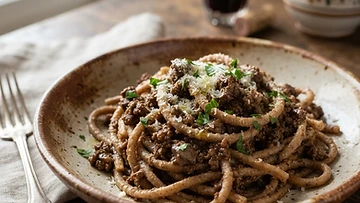
Bigoli all'Anatra
The pasta that's the opposite of refined Venetian food, and is loved for it. Bigoli: thick, long, extruded through a press, so the strand is rough and holds sauce. With a slow duck ragù — duck, onion, tomato, and herbs, simmered until the meat shreds. Heavy, gamey, and the cold-weather pasta of the Veneto mainland. Wash it down with a Valpolicella or an Amarone.

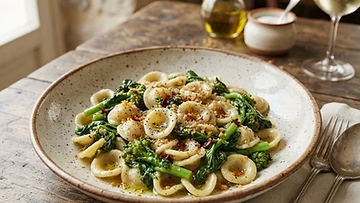
Dish · Puglia
Orecchiette con le Cime di Rapa
The dish that is Puglia in a bowl. Orecchiette — hand-shaped 'little ear' pasta — with bitter turnip tops (cime di rapa), garlic, anchovy, chili, and olive oil. The bitterness of the greens, the salt of the anchovy, and the heat of the chili are the whole point. It's peasant food from Bari, made from things that grow in the garden. Eat it in Bari, or in any Puglian town, and you understand the region.

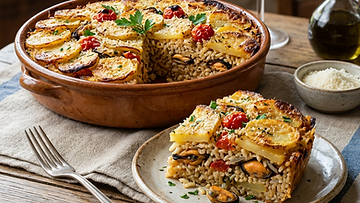
Dish · Puglia
Tiella Barese
The dish that's Puglia's answer to paella: rice, sliced potatoes, and mussels, layered in a pan with onion, tomato, and olive oil, and baked until the bottom is a golden crust. From the Bari fishermen, made to carry to the boats. Eaten hot or cold, in a slice, like a cake. The mussel-and-potato combination is unlikely and works. A street and home dish, not a restaurant one — seek it in a market.


Dish · Puglia
Bombette
The great meat snack of Puglia, and the reason to find a butcher with a grill. Small rolls of thin pork, stuffed with caciocavallo or stracciatella, capocollo, and a little black pepper, grilled until the cheese melts out. Eaten hot, with bread and a Primitivo, in the back of a butcher shop in the Valle d'Itria. Puglia's answer to porchetta, and arguably better.

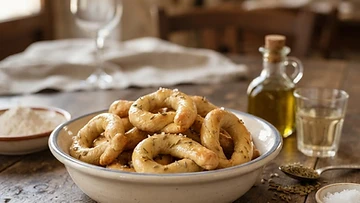
Dish · Puglia
Taralli Pugliesi
The breadstick of the south, and the snack of every Puglian table. Small rings of dough, boiled like bagels, then baked until hard, with olive oil, white wine, and fennel seeds or chili. Crack them open and eat with salumi, cheese, or just a glass of wine. The plain ones are good; the fennel ones are better. A peasant food that became a national snack.

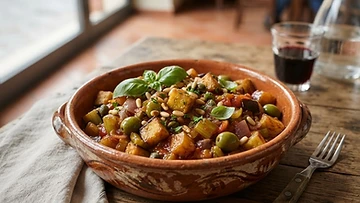
Dish · Sicilia
Caponata
The dish that is Sicily on a plate: agrodolce (sweet-sour) at its most complex. Fried eggplant, capers, olives, celery, onion, tomato, and vinegar and sugar, simmered into a relish. Eaten cold, as an antipasto or a side. Every Sicilian town has its version — Palermo with octopus, Catania with peppers — and all of them are the same idea: sweet, sour, savory, and unmistakably island.


Dish · Sicilia
Pasta con le Sarde
The dish that proves Sicilian pasta is Arabic in its roots. Bucatini or spaghetti with fresh sardines, wild fennel, saffron, pine nuts, raisins, and a topping of toasted breadcrumbs (instead of cheese). Sweet, salty, fishy, and aromatic — the flavor of the Arab kitchens of old Palermo. The breadcrumbs are 'the poor man's cheese'; use them. A dish no other region makes.


Dish · Sicilia
Granita
The dessert that Sicilians eat for breakfast. A semi-frozen, hand-scraped ice of fruit, coffee, or almond — coarser than gelato, finer than a slushie. Eaten with a brioche (a sweet, soft bun) for dunking, in the morning, in summer. The almond and the coffee versions are the classics. The Messina and Catania versions are the most famous; the Syracusan lemon one is the purest.


Dish · Trentino-Alto Adige
Canederli
The dumpling that feeds the Dolomites. Balls of stale bread, milk, egg, speck, and cheese, boiled in broth (in brodo) or tossed in butter, with grated cheese. The dish of Alto Adige's mountain huts — heavy, cheap, and exactly what you want after a hike. Made with what's left; meant to be eaten with what's on hand. The Tyrolean knödel, Italian.

Dish · Trentino-Alto Adige
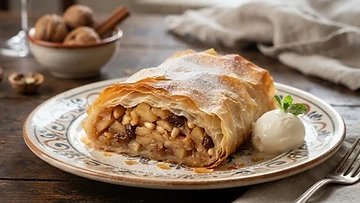
Strudel di Mele
The Austrian dessert that the Italians kept. A strudel of paper-thin, hand-stretched pastry, wrapped around apples, raisins, pine nuts, cinnamon, and breadcrumbs, baked until the pastry is glass. From Alto Adige, where the Germanic pastry tradition stayed. Eaten warm, with vanilla sauce or crema, in a South Tyrolean café. The pastry, if it's right, is so thin you can read a newspaper through it.

Dish · Friuli-Venezia Giulia
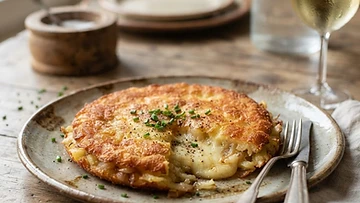
Frico
The cheese crisp that's the snack of Friuli. A pancake of grated Montasio cheese and potato (or just cheese), fried until the outside is a glass-shard crisp and the inside is still stretchy. Eaten hot, as an antipasto or a snack, with a glass of Friulano white. The crisp-only version (frico croccante) is a cheese wafer; the soft one (frico morbido) is the classic.

Dish · Friuli-Venezia Giulia
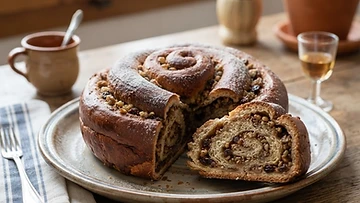
Gubana
The cake of Friulian weddings and Christmas. A round of brioche dough, rolled thin, spread with a filling of walnuts, pine nuts, raisins, citrus zest, grappa, and sugar, then rolled, coiled, and baked — so the cut slice is a spiral. Eaten warm, in slices, with a glass of sweet wine. Slavic in origin (the name is Slovenian), and unlike any other Italian dessert.

Dish · Valle d'Aosta
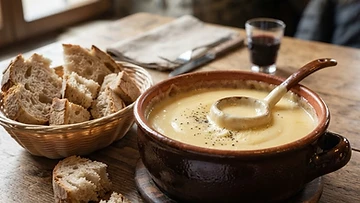
Fonduta Valdostana
The Italian fondue, and the dish that proves Fontina is a melting cheese. Fontina, melted slowly with milk, butter, and egg yolks, until smooth and glossy, served in a communal pot, for dipping cubes of crusty bread. Unlike the Swiss version, no wine, no kirsch — just cheese, milk, and egg. The cold-weather dish of the Valle d'Aosta, eaten in a mountain rifugio, after a day in the snow.

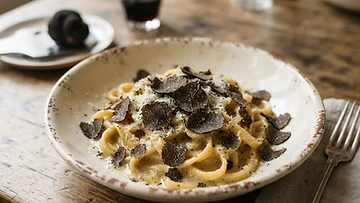
Dish · Umbria
Pasta al Tartufo
The dish that proves black truffle doesn't need white truffle's fame. Long egg pasta (tagliolini or strangozzi), butter, a generous shave of the black summer or winter truffle of Norcia, and a little Parmigiano. Nothing else. The black truffle is more subtle than the white — earthier, less perfumed — but in Umbria, where it's grown, it's the whole dish. Eat it in a Norcia trattoria, in season, with a Sagrantino.

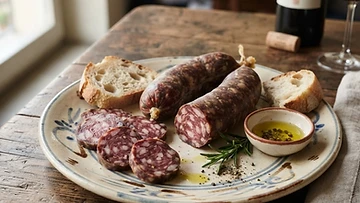
Cured Meat · Umbria
Salsiccia di Norcia
The sausage that made Norcia a word for pork. Coarsely ground pork, salt, garlic, and black pepper, in a natural casing; no fennel, no chili, no nonsense. Eaten grilled, or crumbled into pasta, or with lentils. Norcia has been the pork-butchering town of Italy since the Middle Ages — the word 'norcino' (a pork butcher) comes from it. A simple sausage, made right.

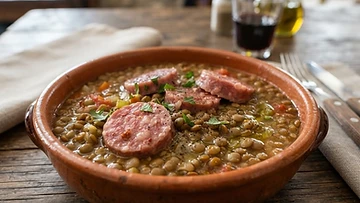
Dish · Umbria
Lenticchie di Castelluccio
The lentil that's the Italian New Year's food, at its source. Tiny, mineral, and tender, from the high plain of Castelluccio, near Norcia, grown at 1,400 meters. Cooked simply, with onion, celery, a little tomato, and often with cotechino or zampone. Eaten on New Year's for prosperity — the small lentils look like coins. The Castelluccio ones are the best in Italy; the 2016 earthquake damaged the town and the crop, but both are back.


Dish · Marche
Brodetto di Pesaro
The fish stew of the Adriatic coast, and Marche's great seafood dish. A rule-bound mix of at least 13 different fish (the number varies by port), cooked with vinegar, tomato, garlic, and pepper, in a wide, shallow pot, so the fish steams rather than boils. Eaten with bread to sop the broth. Each port has its version — Ancona, Fano, San Benedetto — and each insists its own is the only true one. Eat it on the coast, not inland.

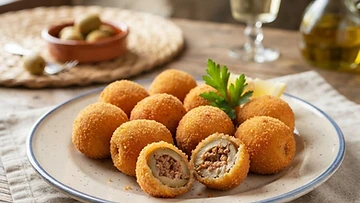
Dish · Marche
Olive Ascolane
The fried snack of Ascoli Piceno, and the best fried olive in Italy. Large, green Ascolana olives, pitted, stuffed with a mix of beef, pork, and Parmigiano, breaded, and fried. Crisp outside, olive-salty, meat-rich inside. Eaten as a fritto misto, with a glass of Verdicchio, in a bar in Ascoli. Three or four is a meal; one is impossible.

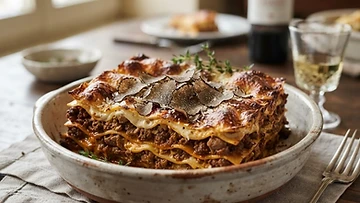
Dish · Marche
Vincisgrassi
The baked pasta of Marche, and the lasagna you've never heard of. Layers of fresh egg pasta, béchamel, and a ragù of beef, pork, and chicken giblets (livers and gizzards), sometimes with a shave of truffle, baked until golden. Richer and more old-fashioned than Bolognese lasagna; the giblets are the Marche touch. A festive, Sunday, or wedding dish, and a genuine alternative to the lasagna everyone knows.

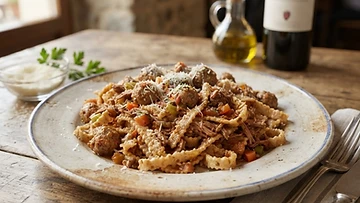
Dish · Abruzzo
Maccheroni alla Chitarra
The pasta of Abruzzo, made on a 'chitarra' — a wooden frame strung with wire, like a guitar, that cuts the rolled dough into square-stranded noodles. Served three ways: with a tomato-and-meat ragù (alla teramana), with tiny meatballs (pallottine), or with white truffles. The square strand is the texture; the chitarra is the tool. Abruzzese comfort food, made with a tool that's a small piece of craft.


Dish · Abruzzo
Arrosticini
The snack of Abruzzo's shepherds, and the easiest great meat in Italy. Small skewers of mutton (castrato) — 1 cm cubes on a wooden stick — grilled over a narrow, long, sloping brazier (la fornacella) so the fat runs down and flavors the meat. Eaten by the dozen, with bread, a glass of Montepulciano d'Abruzzo, and not much else. The cheapest great meat in Italy, and one of the best.

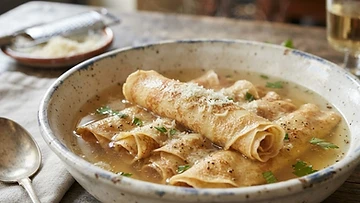
Dish · Abruzzo
Scrippelle 'n Busso
The Teramo version of 'pasta in broth' — but made of crepes. Thin crepes (scrippelle), rolled with grated cheese, dropped into a clear capon broth. The Teramo story says they were invented by a cook who forgot to put pasta in the broth and improvised with crepes. The result is silkier and more delicate than tortellini; the broth does the work. Eaten in winter, in Teramo, with a glass of Trebbiano.

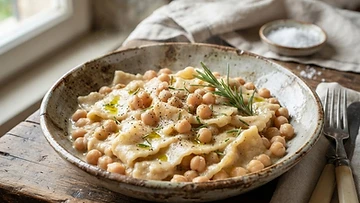
Dish · Basilicata
Lagane e Ceci
The dish that connects Basilicata to ancient Rome. Lagane — wide, flat pasta ribbons, the ancestor of lasagna — with chickpeas, garlic, rosemary, and olive oil. No tomato, no cheese, no meat; just pasta, beans, and herbs. The dish the Romans ate, before Columbus, before tomato, before Italy. A reminder that southern Italian food is older than the ingredients we think of as Italian.

Cured Meat · Calabria
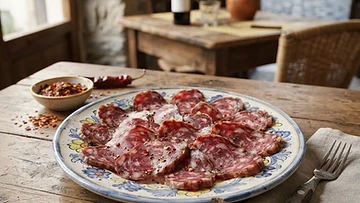
Soppressata di Calabria
The salami that proves Calabria is a chili region, not just a 'nduja one. Pork shoulder and belly, coarsely ground, cured with salt and peperoncino (Calabrian chili), pressed flat, and aged. Sweet in one version (dolce), fiery in another (piccante). Eaten with bread, or with caciocavallo, or just by the slice. The DOP version is from Decollatura and the Savuto valley. Hot, porky, and the taste of the Calabrian south.

Dish · Molise
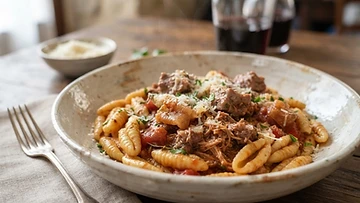
Cavatelli
The pasta of Molise, and the dish that shows how small Italy's smallest region is — in scale, not in pride. Small, thumb-indented pasta shells (cavatelli), with a thick, slow-cooked ragù of pork, beef, and tomato. Simple, hearty, and the everyday pasta of the Molise table. Molise is the region most visitors skip; cavatelli with a local ragù is the reason not to. Eat it with a glass of Molise red (Biferno or Pentro).

Dish · Piemonte
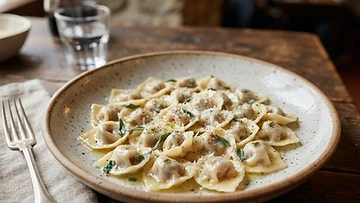
Agnolotti del Plin
The filled pasta that defines Piedmontese home cooking. Small squares of egg pasta, pinched shut (plin means 'pinch'), filled with a mix of roasted meats — beef, rabbit, pork, and sometimes cabbage. Served either in broth or with butter and sage, or 'al tovagliolo' (on a napkin, dry). Traditionally made with the leftovers of a Sunday roast. The skill is the pinch and the smallness.

Cured Meat · Lazio
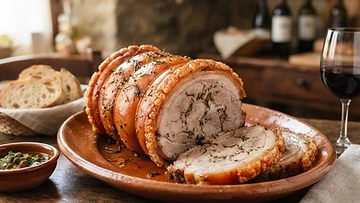
Porchetta
The great Italian street meat. A whole pig, deboned, stuffed with garlic, rosemary, fennel, and wild herbs, rolled and slow-roasted for hours until the skin is crackling and the inside is herb-scented and tender. Sliced and served in a roll, it's the food of markets and festivals across central Italy. The Lazio and Umbrian versions (Ariccia and Norcia) are the famous ones. No sandwich beats it.

Cured Meat · Toscana
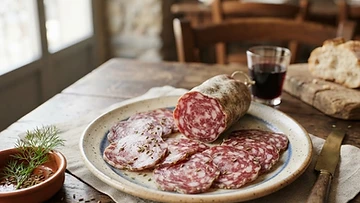
Finocchiona
The salami of Tuscany, and the one you'll eat most without knowing its name. Coarsely ground pork, cured with fennel seeds (finocchio), black pepper, and red wine. The fennel gives it a sweet, anise scent that cuts the richness. Eaten in every Florentine panino and every Tuscan antipasto. The most everyday, and one of the best, of the Tuscan cured meats.

Dish · Campania
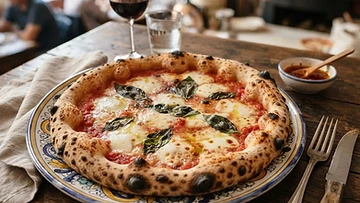
Pizza Napoletana
The most famous food in Italy, and the one that genuinely lives up to the hype. Neapolitan pizza is a DOC-regulated product with rules: a wet dough, San Marzano tomatoes from Vesuvius, fior di latte or bufala mozzarella, and an oven that cooks it in under 90 seconds. The crust is the point — soft, foldable, and slightly charred. Go to Naples, stand in line, eat it with your hands.

Dish · Toscana
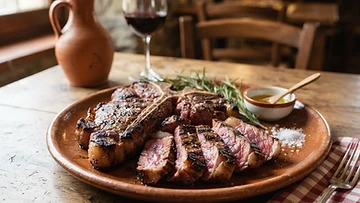
Bistecca alla Fiorentina
The dish of Tuscany, and the one that divides people. A thick T-bone from Chianina cattle, grilled over wood embers, served rare — very rare — with only salt, olive oil, and sometimes rosemary. You order it by the kilo for a group. It's expensive, it's theatrical, and when it's good it's one of the best meat experiences in Europe. When it's bad it's an expensive chew.


Dish · Emilia-Romagna
Tagliatelle al Ragù
What the world calls 'spaghetti Bolognese' is not this. Tagliatelle al ragù is flat egg-ribbon pasta with a slow-cooked sauce of beef, pork, and pancetta, tomato, and wine, simmered for hours. No garlic, no herbs, no cream. It's rich, gentle, and entirely about the meat and the time. Bologna is Italy's food capital for a reason, and this is the reason.

Dish · Lazio
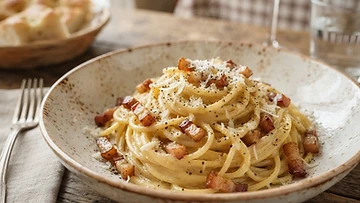
Carbonara
The Roman pasta the world gets most wrong. Real carbonara is guanciale (cured pork jowl), pecorino romano, egg yolk, and black pepper — no cream, no garlic, no bacon. The heat of the pasta cooks the egg into a glossy sauce. It's rich, sharp, and takes 10 minutes. The version with cream is a different dish; this is the one.


Dish · Lazio
Cacio e Pepe
The simplest Roman pasta and the hardest to get right. Three ingredients: tonnarelli pasta, pecorino romano, black pepper. The magic is the emulsion — the starchy pasta water melts the cheese into a sauce that clings to every strand. When it's right, it's the best three-ingredient dish in the world. When it's wrong, it's a clumpy mess.

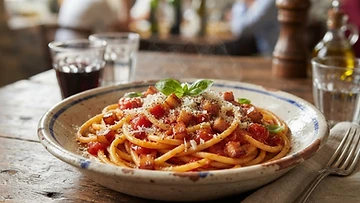
Dish · Lazio
Amatriciana
The Roman pasta with an origin story: from Amatrice, a town on the Lazio-Marche border, brought to Rome. Guanciale, tomato, pecorino, chili, and a little white wine. It's the savory, tangy one — less rich than carbonara, less minimalist than cacio e pepe, and arguably the most balanced of the four. The town of Amatrice was badly damaged in the 2016 earthquake; eating the dish is a small act of memory.

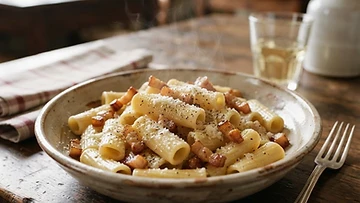
Dish · Lazio
Gricia
The least known of the Roman four, and the one purists love. Guanciale and pecorino, no tomato, no egg — just pork fat and cheese emulsified with pasta water. It's carbonara without the egg, amatriciana without the tomato. The oldest of the family, and the most austere. Order it to complete the set.

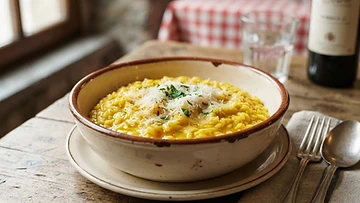
Dish · Lombardia
Risotto alla Milanese
Milan's signature dish, and the most golden plate in Italy. Carnaroli rice, saffron threads, beef marrow, Parmigiano, and butter, stirred to a creamy 'all'onda' (wave-like) consistency. Born in the Duomo workshops, legend says, when a saffron-stained window was the inspiration. Rich, fragrant, and the only correct side for ossobuco.

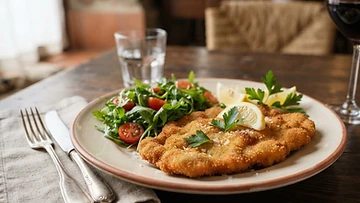
Dish · Lombardia
Cotoletta alla Milanese
A bone-in veal cutlet, pounded thin, dipped in egg and breadcrumbs, and fried in butter — not oil. The Milanese version includes the bone (and is thicker) than the Viennese; the dispute over who invented it is endless. Crisp, buttery, and the dish that defines Milanese meat cookery. Eat it with risotto or rocket and tomato.

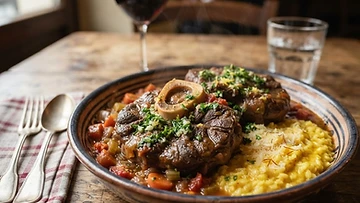
Dish · Lombardia
Ossobuco
Cross-cut veal shanks braised with vegetables, white wine, and broth until the meat collapses and the marrow in the bone center turns to butter. Served with a gremolata of lemon zest, garlic, and parsley to cut the richness. The correct pairing is risotto alla Milanese. It's the cold-weather dish of Milan, and a reason to go in winter.

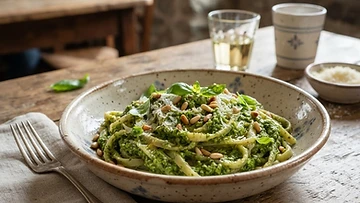
Dish · Liguria
Pesto alla Genovese
The sauce that made Liguria famous. Basil from Pra (the Genoese district), pine nuts, garlic, Parmigiano, pecorino, and Ligurian olive oil, traditionally pounded in a marble mortar. Served with trofie (twisted pasta), trenette, or with potatoes and green beans. The jarred version is fine; the fresh-pounded version in Genoa is a different thing entirely.

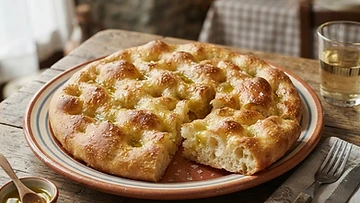
Dish · Liguria
Focaccia Genovese
The bread of Genoa, eaten morning, noon, and night. A high-hydration dough, dimpled with fingers, drenched in olive oil and salt, and baked until the top is golden and the inside is custardy. Eat it plain, with cheese, or split and filled with stracchino. The Genoese eat it for breakfast with a cappuccino — don't judge.

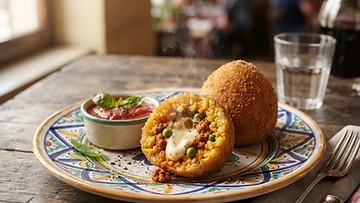
Dish · Sicilia
Arancini
Sicily's great hand food: balls of saffron risotto, stuffed with meat ragù, mozzarella, and peas, breaded and fried. In eastern Sicily they're called arancini (masculine, the size of small oranges); in the west, arancine (feminine). The Catania version has a conical shape, said to imitate Etna. Eat them hot from a fry shop, on the street, for a euro or two.

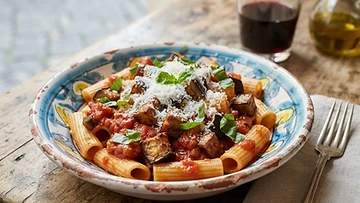
Dish · Sicilia
Pasta alla Norma
Catania's gift to pasta: short pasta with tomato sauce, fried eggplant, grated ricotta salata, and fresh basil. Named after Bellini's opera Norma by a Catania playwright who thought the dish was as perfect as the music. It's the dish that makes the case for eggplant as a main, not a side. Etna Rosso is the local pairing.


Dish · Sicilia
Cannoli
The dessert that defines Sicily: crisp, fried pastry shells filled with sweetened ricotta (traditionally sheep's milk), with candied orange or pistachios at the ends. The key is that they're filled to order — a pre-filled cannoli is a soggy cannoli. Get them from a pasticceria in Palermo or Catania, watch them fill it, eat it immediately. Not the airport version.

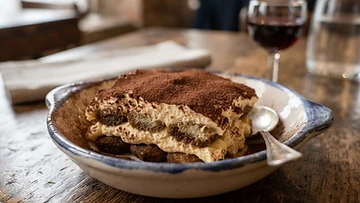
Dish · Veneto
Tiramisù
The dessert every Italian restaurant in the world serves, born in Treviso in the 1960s. Ladyfingers dipped in espresso, layered with a cream of mascarpone, egg yolks, and sugar, dusted with cocoa. Simple, rich, and better than its reputation — the bad imitations gave it a bad name. In Treviso and Venice, the original is worth re-evaluating.


Dish · Toscana
Pappardelle al Cinghiale
The pasta of the Tuscan autumn and winter. Wide, flat pappardelle with a slow-cooked ragù of wild boar (cinghiale) — tomato, red wine, rosemary, juniper, and the game itself. It's the dish that makes the case for Tuscany as a meat region, not just a wine one. Order it in a country trattoria in the Siena province, with a Brunello or a Chianti.


Dish · Toscana
Ribollita
The Tuscan peasant dish that proves poverty cookery is its own cuisine. Stale bread, cannellini beans, cavolo nero (black kale), carrots, celery, and onion, simmered and then reboiled the next day (ribollita means 'reboiled') until it's thick enough to stand a spoon in. It's the opposite of bistecca — cheap, slow, and, done right, one of the best things in Tuscan cooking.

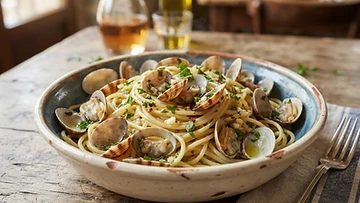
Dish · Campania
Spaghetti alle Vongole
The dish that proves Italian seafood pasta doesn't need tomato. Spaghetti with fresh vongole (clams), garlic, white wine, olive oil, parsley, and a little chili. No cream, no tomato, no complication — the clams are the sauce. The Neapolitan and Venetian versions both claim it; the Campania version, with the sweet local clams, is the benchmark. Eat it on the coast, looking at the sea.

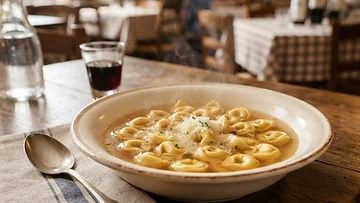
Dish · Emilia-Romagna
Tortellini in Brodo
The dish that separates Bologna's cooks from everyone else's. Tortellini — tiny, hand-shaped pasta rings filled with pork, prosciutto, and Parmigiano — served in a clear, golden capon broth. The broth is the work: it must be clear, not cloudy, and deep in flavor. It's the dish Bolognese grandmothers are judged by. In Bologna, in winter, it's the most comforting thing on the menu.

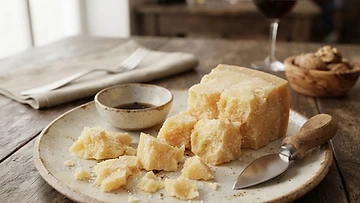
Cheese · Emilia-Romagna
Parmigiano Reggiano
The most important cheese in Italy, and possibly in the world. Made from skimmed evening milk and whole morning milk, aged a minimum of 12 months (usually 24-36, sometimes 48+). Only from the zone between Parma and Reggio Emilia, from cows fed on local forage. Crystalline, granular, and umami-rich. The 36-month version is the everyday luxury; the 48-month is the revelation. No 'parmesan' is the same.

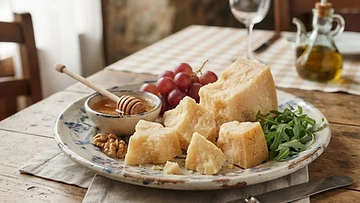
Cheese · Lombardia
Grana Padano
Parmigiano's less famous, less expensive, slightly less complex sibling. Made similarly (skimmed milk, aged) but across a wider zone (Lombardy, Veneto, Emilia, Piedmont, Trentino) and with fewer restrictions. The 16-month version is the workhorse of Italian cooking; the 24-month is a genuinely fine cheese. If you can't get Parmigiano, Grana is the answer — and it's cheaper because the zone is bigger, not because it's bad.


Cheese · Lazio
Pecorino Romano
The cheese that makes Roman pasta work. Sheep's milk, aged 5-8 months for table use, longer for grating. Salty, sharp, and dry — it's the pecorino in cacio e pepe, carbonara, and amatriciana. Most is now made in Sardinia (the milk is the same; the zone was extended), but the Roman tradition is the reason it exists. Try it young and soft, not just grated and dry.

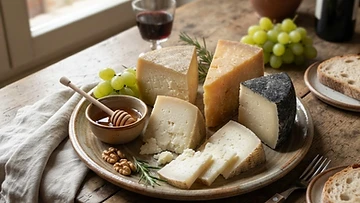
Cheese · Toscana
Pecorino di Pienza
The pecorino that proves Tuscany does sheep's milk as well as Lazio. From the hills around Pienza, in the Val d'Orcia, made in styles from fresh (pecorino fresco, soft and mild) to aged (stagionato, hard and nutty) to ash-rubbed (infossato, buried in walnut leaves). The aged version is a great pecorino for eating, not just grating. Buy it in Pienza and eat it with honey.


Cheese · Lombardia
Gorgonzola
The blue cheese that divides people, and that's the point. Two versions: Gorgonzola Dolce (sweet, soft, creamy, young) and Gorgonzola Piccante (sharp, crumbly, aged). Made in the zone between Milan and Novara. The Dolce is for spreading on bread or polenta; the Piccante is for eating with a spoon and a glass of Barolo. Both are better than the pre-crumbled version in the supermarket.


Cheese · Campania
Mozzarella di Bufala Campana
The mozzarella that changes minds about mozzarella. Made from water buffalo milk in a DOP zone south of Naples (Caserta, Salerno, and parts of Lazio and Molise). Softer, wetter, and more lactic than the cow's-milk version (fior di latte), with a grassy, almost tangy flavor. Eat it the day it's made, at room temperature, with nothing. The stuff on supermarket pizzas is not this.


Cheese · Puglia
Burrata
The cheese that became a restaurant trend everywhere, and is still best in Puglia. A pouch of mozzarella filled with stracciatella (shredded mozzarella and cream). Eat it the day it's made, at room temperature, with good bread and a tomato. In Puglia, it's breakfast food, not a dinner-party starter. The version that travels is never the same.


Cheese · Lombardia
Taleggio
The stinky cheese that Italy does best. A washed-rind cow's milk cheese from the Val Taleggio in the Bergamo Alps, soft and square, with a pink-orange rind and a pungent, beefy smell. The inside is gooey and mild — the smell is scarier than the taste. Eat it with polenta, or melt it over radicchio. One of the great winter cheeses.


Cheese · Valle d'Aosta
Fontina
The cheese of the Alps, from the Valle d'Aosta. Cow's milk, aged 3 months, semi-soft, with a dense, earthy flavor. The melting cheese for fonduta valdostana (the Italian fondue) and for fontina polenta. Eat it young and firm, or melted. The DOP version is only from the Valle d'Aosta; the imitations are from everywhere.

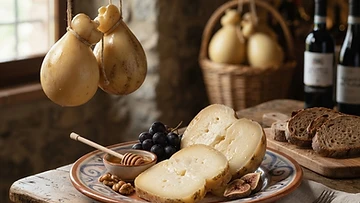
Cheese · Basilicata
Caciocavallo
The cheese of the south, shaped like a teardrop and hung in pairs (cacio a cavallo — cheese on horseback) over a beam. Made from cow's milk, aged from soft and mild (young) to hard and sharp (stagionato). The Ragusano version from Sicilia is a DOP cousin. Eat the young version with bread, or grill the aged one. Underknown outside Italy, and worth seeking out.

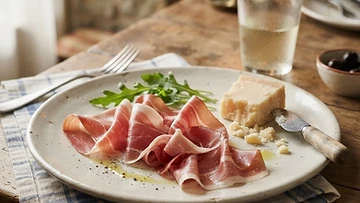
Cured Meat · Emilia-Romagna
Prosciutto di Parma
The ham that defines Italian cured meat. Pork leg, cured with only salt and air (no nitrates, no smoke), aged 12-36 months in the Parma hills, where the air from the sea and the mountains does the work. Sweet, silky, and pale. The 24-month version is the benchmark; the 36-month is deeper and more complex. Parma and San Daniele are the two great hams; Parma is the sweeter, more famous one.

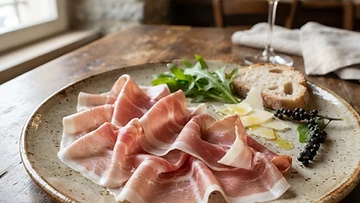
Cured Meat · Friuli-Venezia Giulia
Prosciutto di San Daniele
The other great Italian ham, and for many, the better one. Cured in San Daniele del Friuli, where the Alpine air meets the Adriatic humidity — a microclimate that makes a sweeter, more delicate ham than Parma. Only salt and air, aged 13 months minimum, pressed flatter than Parma. Less famous than Parma, and that's the appeal — fewer tourists, better value, and arguably more elegant.

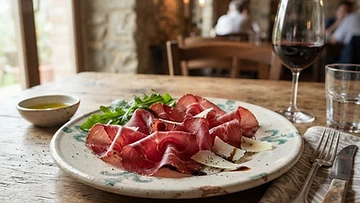
Cured Meat · Emilia-Romagna
Culatello di Zibello
The luxury cut of Italian cured meat: the heart of the prosciutto, deboned and cured on its own, in the foggy lowlands near Zibello. Aged 12-36 months in damp cellars where the mold is part of the process. Sweeter, softer, and more expensive than whole prosciutto. If Parma ham is the everyday luxury, culatello is the special-occasion one.


Cured Meat · Emilia-Romagna
Mortadella di Bologna
The cold cut that America renamed 'bologna' and forgot. The real Mortadella di Bologna is a vast, rosy-pink emulsion of pork, studded with pistachios, gently spiced, and sliced thin enough to see through. It's delicate, not the rubbery deli loaf it became. Eat it in Bologna on a piece of focaccia, or with a tigella (a small flatbread). IGP-protected, and a point of civic pride.


Cured Meat · Trentino-Alto Adige
Speck
The ham of the Alps. Pork leg, dry-cured like prosciutto, then lightly cold-smoked over juniper, laurel, and other woods, and aged. The result is somewhere between prosciutto and smoked ham — savory, smoky, and leaner than Parma. From Alto Adige, where the Germanic and Italian food cultures meet. Eat it with dark bread, mustard, and a beer, or in a canederlo (bread dumpling).

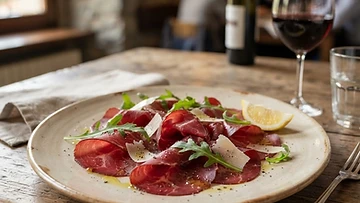
Cured Meat · Lombardia
Bresaola della Valtellina
The lean cured meat, for when you can't face pork. Beef (usually from the underleg), salted and air-dried in the Valtellina valley for 2-3 months, with spices and wine. Sliced thin, ruby-red, lean, and tender. Eaten with olive oil, lemon, and black pepper, or with arugola and Parmigiano. The PGI zone is the Valtellina, in the Lombard Alps north of Lake Como.


Cured Meat · Calabria
'Nduja
The cured meat that doesn't slice — it spreads. A fermented, spreadable pork sausage from Spilinga in Calabria, laced with local peperoncino (chili) until it's brick-red and ferociously hot. Melt it onto pizza, stir it into pasta, or eat it on bread. It's the taste of Calabria in a tube — spicy, porky, and unlike anything else in Italian cured meat. A little goes a long way.


Cured Meat · Toscana
Lardo di Colonnata
The cured meat that sounds worst and is most surprising: pure pork fatback, aged in white marble basins (conche) from the Carrara quarries, layered with salt, garlic, rosemary, and spices. After 6 months, it's silky, translucent, and aromatic — sliced thin, it melts on warm bread. From Colonnata, a quarry village above Carrara. IGP-protected, and a genuine one-of-a-kind.

Wine Appellation · Piemonte
Barolo DOCG
The king of Italian reds. Nebbiolo at its most powerful and age-worthy, from five communes (Barolo, La Morra, Serralunga d'Alba, Monforte d'Alba, Castiglione Falletto) that each give a different expression. Book tastings in advance — the best producers are small, family-run, and don't do walk-ins. Base in Alba and drive out, or stay in a village for the immersive version.

Wine Appellation · Piemonte
Barbaresco DOCG
Barolo's more aromatic, earlier-drinking sibling, from four communes (Barbaresco, Neive, Treiso, Trezzo Tinella) east of Alba. Slightly under the radar of casual wine tourists, which makes the experience quieter and the prices gentler. For serious Nebbiolo drinkers, some argue it's the more elegant expression.

Wine Appellation · Toscana
Brunello di Montalcino DOCG
Tuscany's most age-worthy Sangiovese, 100% from the Brunello clone, aged a minimum of five years before release. Montalcino itself is a gorgeous, well-preserved medieval town. The wine is priced for collectors, not casual sippers — but the region delivers consistently, and the Val d'Orcia landscape around it is among Tuscany's best.

Wine Appellation · Toscana
Chianti Classico DOCG
The heart of Chianti — the original historic zone, demarcated in 1716, between Florence and Siena. The best quality-to-name-recognition ratio in Italian wine: accessible, consistent, and the landscape is what people picture when they imagine Tuscany. The Black Rooster (Gallo Nero) seal marks the Classico zone.

Wine Appellation · Veneto
Amarone della Valpolicella DOCG
The big, dried-grape red of Valpolicella. Grapes are laid on bamboo racks (in fruttaio) to dry through winter, concentrating sugars and flavors before a slow fermentation. Powerful, expensive, and divisive — some find it profound, others find it exhausting. Worth tasting once to know where you land. The sweet version, Recioto, is the original.

Wine Appellation · Toscana
Bolgheri DOC
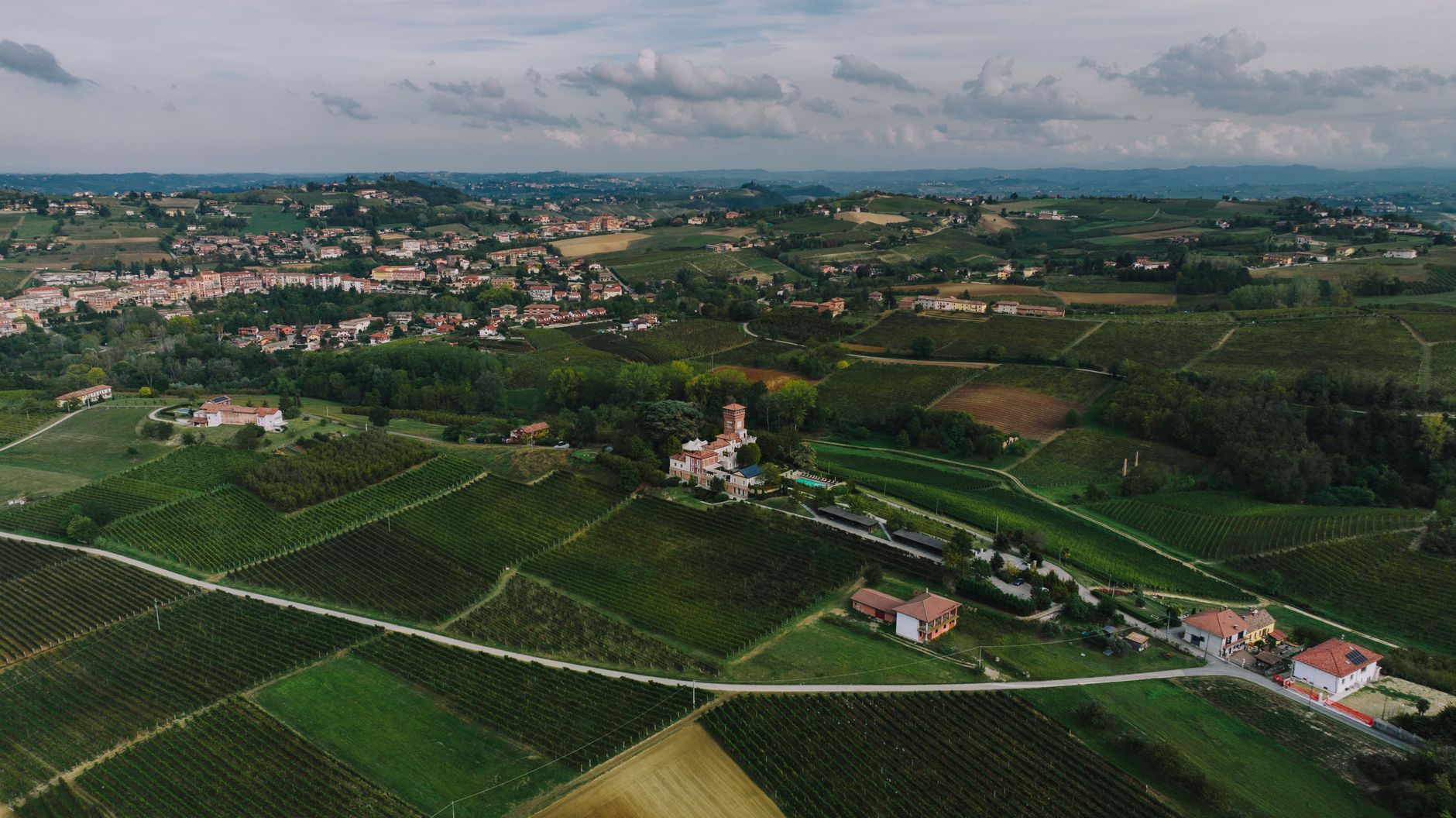
Where Super Tuscans were born. Sassicaia, Ornellaia, Guado al Tasso — international varieties on coastal Tuscan soil, made in a way that was illegal under Italian wine law until the laws caught up with the quality. International prices, but genuinely world-class. The cypress avenue and the coastal location are a bonus.
Wine Appellation · Toscana
Vino Nobile di Montepulciano DOCG
The most underappreciated of Tuscany's big three (after Chianti Classico and Brunello). Same grape, different town, gentler prices, and Montepulciano is a beautiful base.

Wine Appellation · Umbria
Sagrantino di Montefalco DOCG
One of Italy's most tannic, age-worthy reds, from a grape almost nobody grows anywhere else. A serious wine for serious drinkers, and Umbria is far less crowded than Tuscany.

Wine Appellation · Campania
Taurasi DOCG
The Barolo of the South — Aglianico at its most structured and age-worthy. Proof that southern Italy makes world-class reds, not just easy-drinking ones. Far off the usual tourist track.

Wine Appellation · Basilicata
Aglianico del Vulture DOC
Volcanic-soil Aglianico from one of Italy's least-visited regions. Rugged, tannic, and a genuine adventure to seek out — this is the deep cut for wine travelers who've done the famous regions.

Wine Appellation · Sicilia
Nero d'Avola
Sicily's most important red. The cheap versions are everywhere; the good versions — from older vines, lower yields, and serious producers — are some of the best value reds in Italy.
Wine Appellation · Sicilia
Etna Rosso DOC
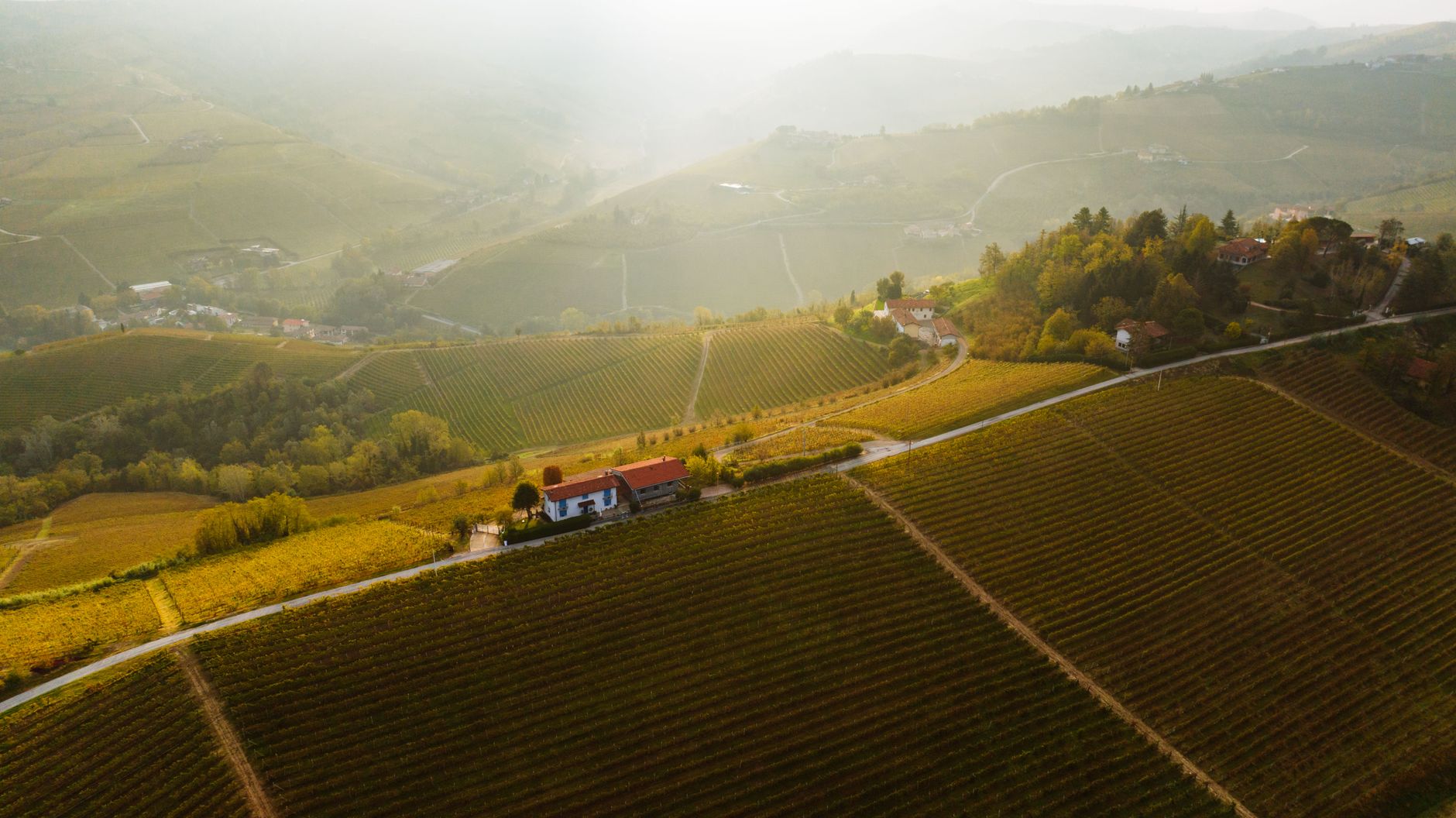
Volcanic wine from the slopes of an active volcano — one of Italy's most exciting regions. Nerello Mascalese, on black volcanic ash, gives a red that's pale, nervy, and Burgundian in structure: high-toned, mineral, and capable of aging. The landscape, with Etna smoking behind the vines, is unforgettable. This is the region that made the wine world pay attention to Sicily.

Wine Appellation · Lombardia
Franciacorta DOCG
Italy's Champagne — made the same traditional way, with the second fermentation in the bottle and long lees aging. Far less famous than Prosecco but far more serious: more structure, more complexity, more price. Worth seeking out and worth the cost for anyone who takes sparkling wine seriously.
Wine Appellation · Veneto
Prosecco di Valdobbiadene DOCG
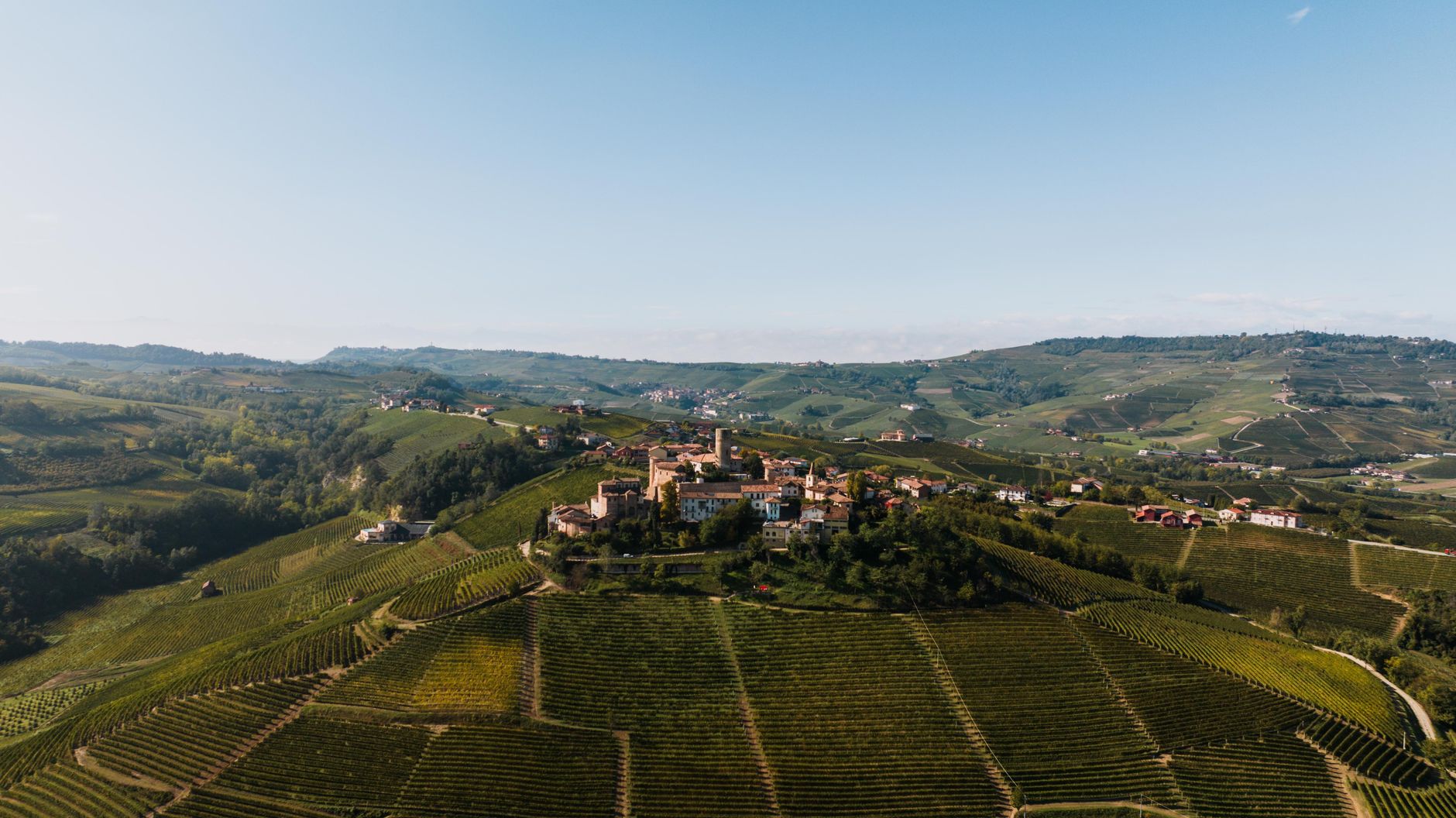
The world's best-selling sparkling wine — but the good stuff, from the steep Valdobbiadene hills and the Cartizze hilltop, is genuinely fine, with a delicacy and orchard-fruit character the supermarket tank version can't touch. The landscape is a UNESCO World Heritage site for a reason: impossibly steep hills, hand-harvested vines, and a wine route that's one of the easiest day trips from Venice or Treviso.

Wine Appellation · Trentino-Alto Adige
Trento DOC
The sparkling wine most people haven't heard of but should have. Traditional method, Alpine grapes, rigorous standards. If you like Franciacorta, you'll like this — often for less money.

Wine Appellation · Veneto
Soave DOC
Unfairly known for the thin, mass-market version. The real Soave — from old-vine Garganega on the volcanic Soave Classico hills — is one of Italy's most underrated whites. Seek out the Classico zone.

Wine Appellation · Sardegna
Vermentino di Gallura DOCG
The white that proves Sardinia makes serious wine, not just beach wine. Granite soils give it a minerality no other Vermentino matches. Perfect with the island's seafood — and you're on a beach.

Wine Appellation · Piemonte
Gavi di Gavi DOCG
The most famous Piedmontese white — crisp, dry, and food-friendly. The best bottles come from vineyards within the commune of Gavi itself ('Gavi di Gavi'). Reliable and widely available.

Wine Appellation · Campania
Greco di Tufo DOCG
One of southern Italy's great whites — flinty, mineral, built for aging more than most people expect. Pairs with the region's food in a way no imported grape could.

Wine Appellation · Campania
Fiano di Avellino DOCG
The white that changes minds about Italian white wine. Textured, honeyed, and capable of aging for a decade. Mastroberardino put it on the map and it's only gotten better.

Wine Appellation · Sicilia
Etna Bianco DOC
If Etna Rosso is exciting, Etna Bianco is revelatory. Carricante on volcanic ash gives a saline, mineral white unlike anything in Italy. The sommelier favorite, and for good reason.
Wine Appellation · Toscana
Vernaccia di San Gimignano DOCG
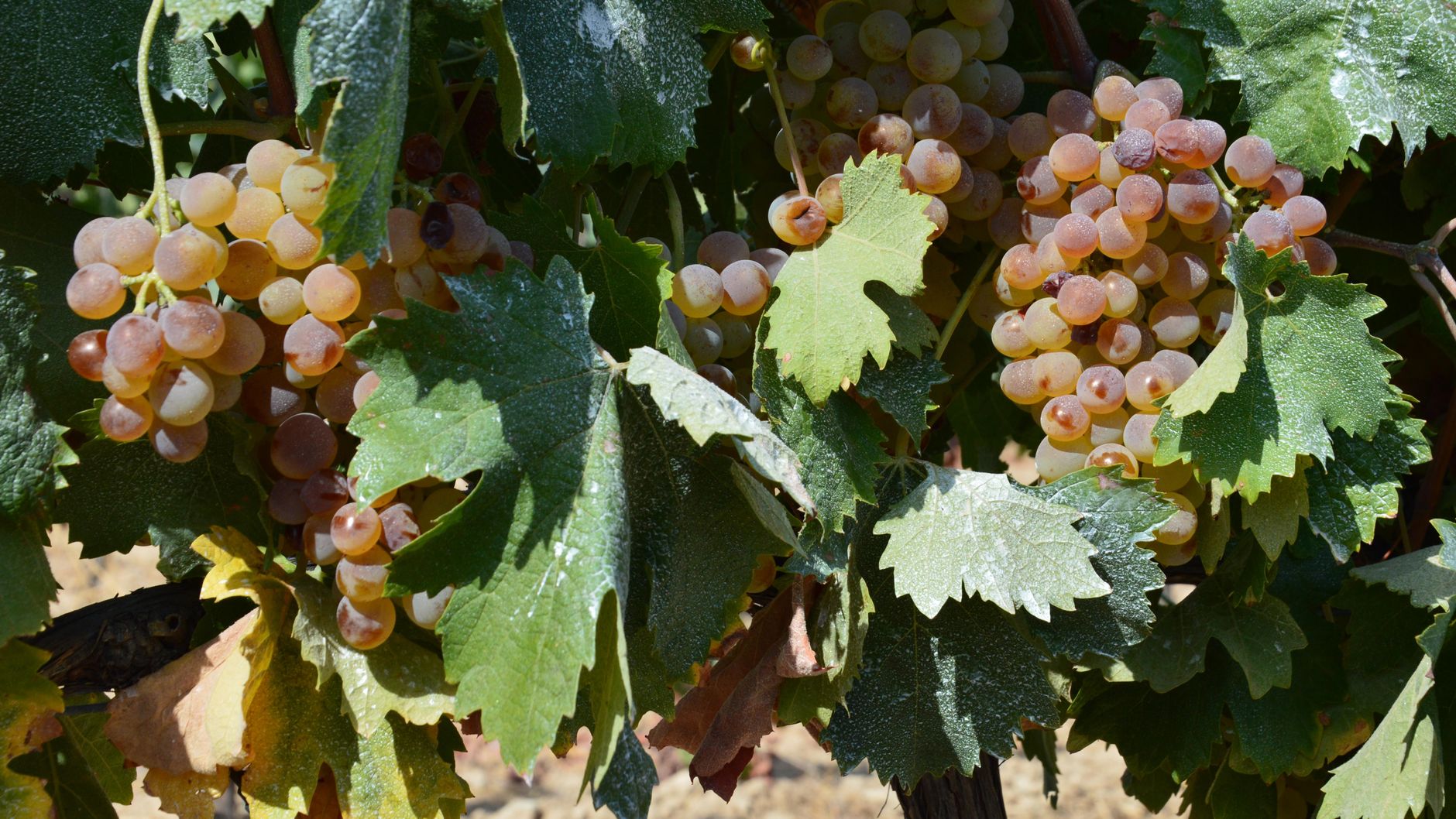
Tuscany's only notable indigenous white, and it's been famous since the Renaissance. Crisp, slightly almond-bitter, and the perfect break from a diet of red. The towers of San Gimignano are right there.

Wine Appellation · Marche
Verdicchio dei Castelli di Jesi DOCG
Quietly one of Italy's best whites. Verdicchio has the body and the acidity to age, and the best producers make wines that rival much more famous (and expensive) whites. Marche is the region wine lovers visit to escape Tuscany.
Wine Region · Piemonte
Langhe
The single best wine region in Italy to base yourself if you're serious about both wine and food. Barolo and Barbaresco are the headline, but the hazelnut groves, the white truffle fair in Alba, and the cooking of Le Langhe make it a complete trip. The landscape is a UNESCO World Heritage site. Go in autumn for the full effect.
Wine Region · Toscana
Chianti
The wine landscape everyone pictures when they think of Tuscany. Chianti Classico is the historic core, demarcated in 1716; the broader Chianti zone spreads across seven sub-regions. It's touristy because it's genuinely beautiful — cypress trees, stone farmhouses, and rolling vineyards. Go in shoulder season if you can, and stay off the main road.
Wine Region · Veneto
Valpolicella
The home of Amarone, and an easy day trip from Verona. The valley is pretty, the wineries are well-organized for visitors, and Verona gives you a real city to come back to at night. The most accessible serious wine region in Italy — you don't need to commit a full week to understand it.

Wine Region · Toscana
Montalcino
A beautiful hill town surrounded by the most expensive vineyards in Tuscany. Brunello is the draw, but Montalcino itself is one of the better-preserved medieval towns in the region. Combine with Montepulciano and Pienza for a Val d'Orcia base — the landscape between them is the iconic Tuscan view.
Wine Region · Sicilia
Etna Wine Region
The most exciting wine region in Italy right now. Volcanic soils, old bush-trained vines, and a mountain that's actively erupting behind the wineries. The whites (Carricante) are mineral and saline; the reds (Nerello Mascalese) are nervy and Burgundian. Both unlike anywhere else. Combine with Catania and Taormina for a complete eastern Sicily trip.
Wine Region · Lombardia
Franciacorta Wine Region
Italy's Champagne country, on the glacial hills south of Lake Iseo. Compact, well-organized for visitors, and a genuine alternative to Champagne at lower prices for comparable quality. Pair with a day on Lake Iseo for a relaxed long weekend — the lake is one of Italy's most underrated.
Town · Emilia-Romagna
Ferrara
Ferrara is worth a half-day from Bologna. It is flat, cyclable, and uncrowded. The Este castle and the Palazzo dei Diamanti are the essentials. Pair with Ravenna.
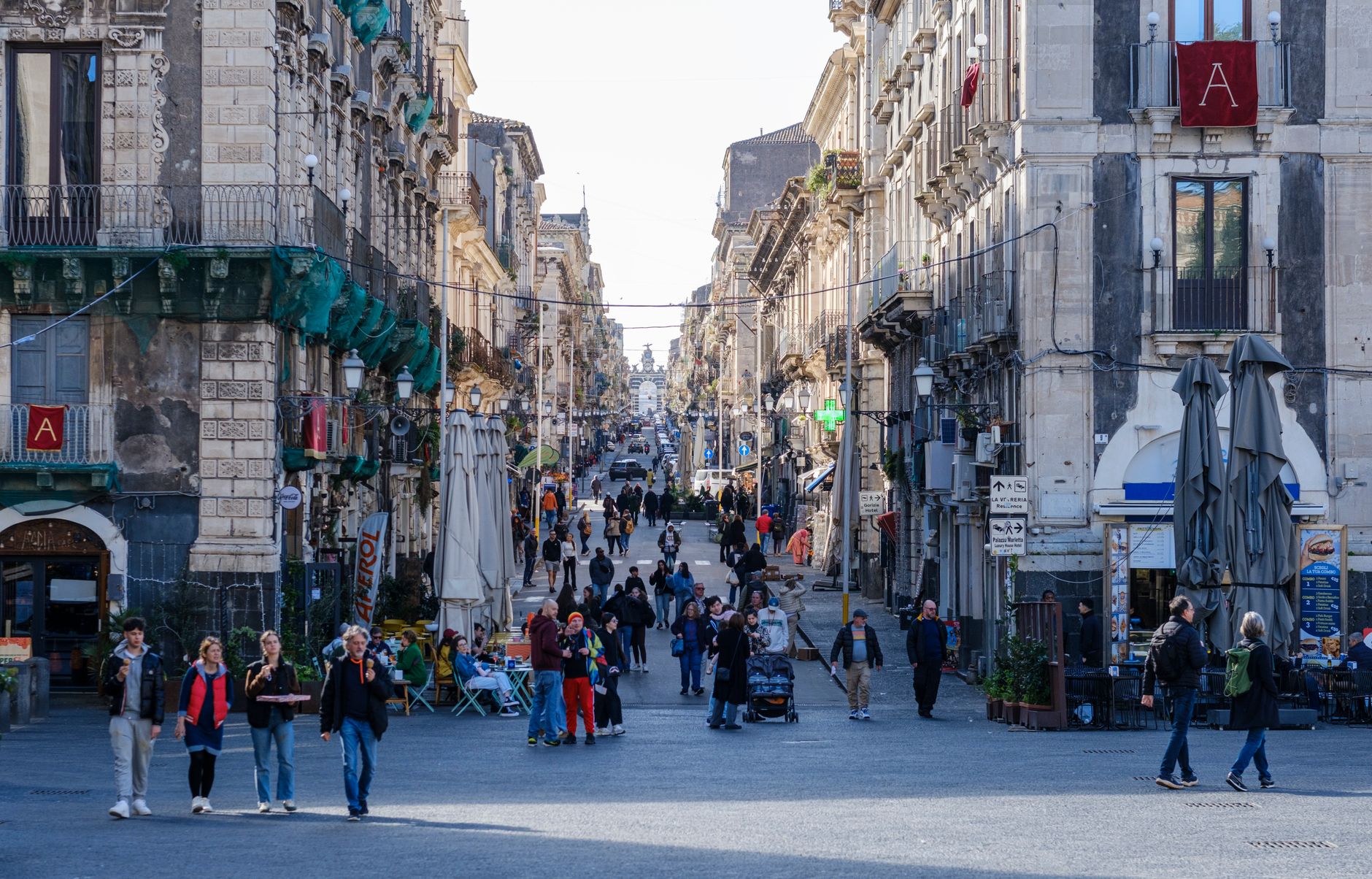
Town · Sicilia
Catania
Catania is worth a night as the base for Etna and the east coast. It is grittier than Palermo but has a great fish market and a Baroque center built from Etna's lava stone. Use it as a hub.

Town · Sicilia
Ragusa
Ragusa is worth a half-day on the Val di Noto circuit. Ragusa Ibla, the lower old town, is the beautiful part — a cascade of Baroque facades down a hillside. Pair with Noto and Modica.

Town · Sicilia
Modica
Modica is worth a half-day on the Val di Noto circuit. The town is stacked in a ravine, and the chocolate — cold-pressed, grainy, and unique — is the reason to stop. Pair with Ragusa.
Town · Lazio
Tivoli
Tivoli is worth a day trip from Rome if you have extra time. Villa d'Este's fountains and Hadrian's Villa are both extraordinary. Do both in a day; take the train or a tour.
Town · Umbria
Spoleto
Spoleto is worth a half-day if you're touring Umbria. The Romanesque cathedral and the Rocca fortress are the essentials. Go during the Festival dei Due Mondi (June-July) for the atmosphere.

Town · Lazio
Civita di Bagnoregio
Civita di Bagnoregio is worth a detour if you're between Orvieto and Rome. The footbridge approach and the eroding tufa setting are unforgettable. It's small — an hour is enough.

Town · Liguria
Portovenere
Portovenere is worth a half-day or a night as a quieter alternative to the Cinque Terre. The cliff-edge church of San Pietro is the view. Base here and ferry to the Cinque Terre to avoid the crowds.

Town · Puglia
Otranto
Otranto is worth a night as a Salento coast base from Lecce. The cathedral mosaic floor is the surprise — a 12th-century tree of life in tile. The coast south of town is the Salento's best.

Archaeological Site · Campania
Pompeii
Pompeii is worth a full half-day from Naples. Go early, bring water and a hat — there is little shade. Herculaneum is smaller, better preserved, and less crowded; do both if you can.
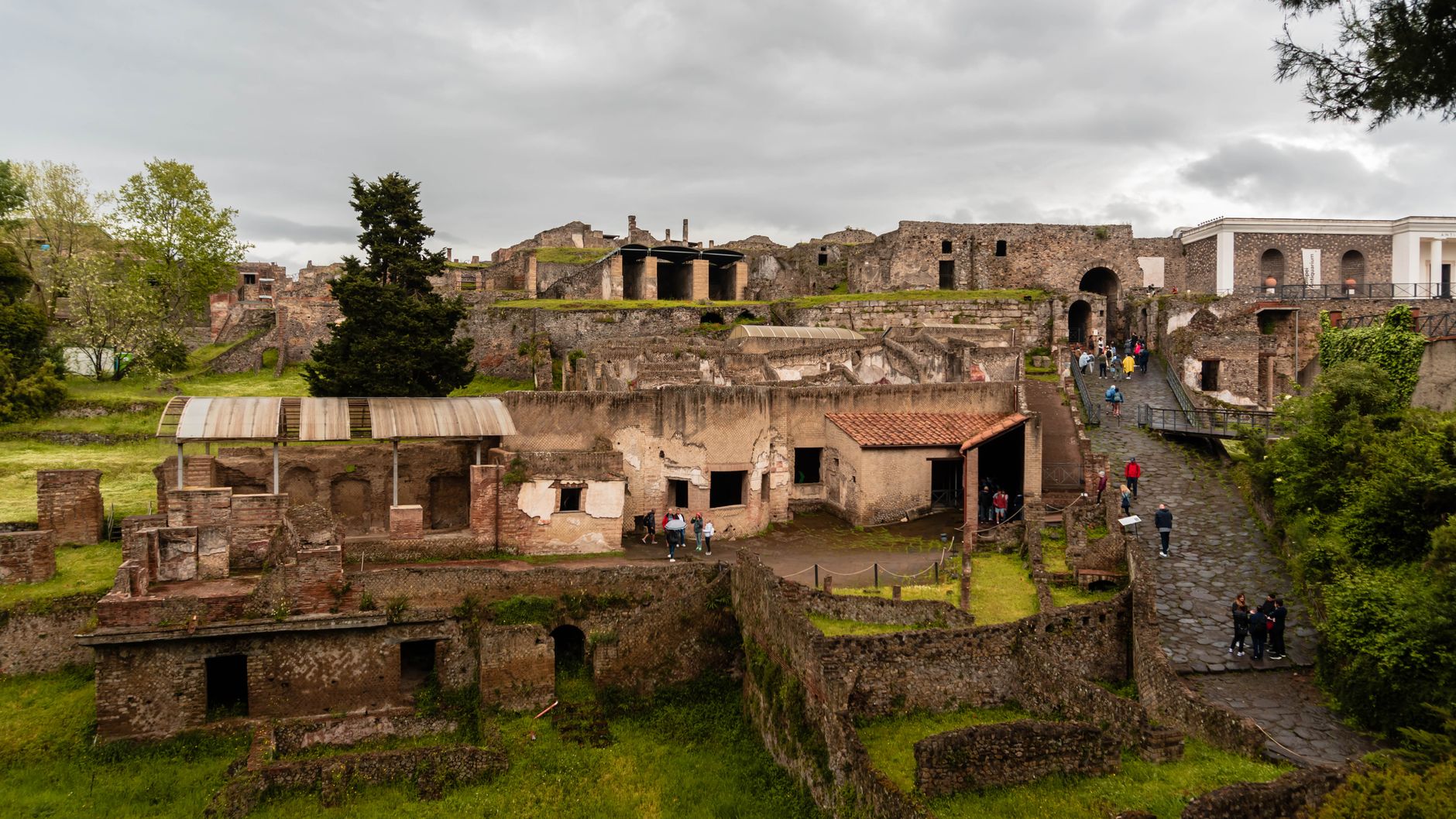
Archaeological Site · Campania
Herculaneum
Herculaneum is worth a half-day and is the better archaeological site than Pompeii if you can only do one. It is smaller, shaded, less crowded, and the preservation is more intimate.

Archaeological Site · Lazio
Ostia Antica
Ostia Antica is the best day trip from Rome if you've already seen the major sites. It is Pompeii without the travel time or the crowds. Go in the morning; bring water.
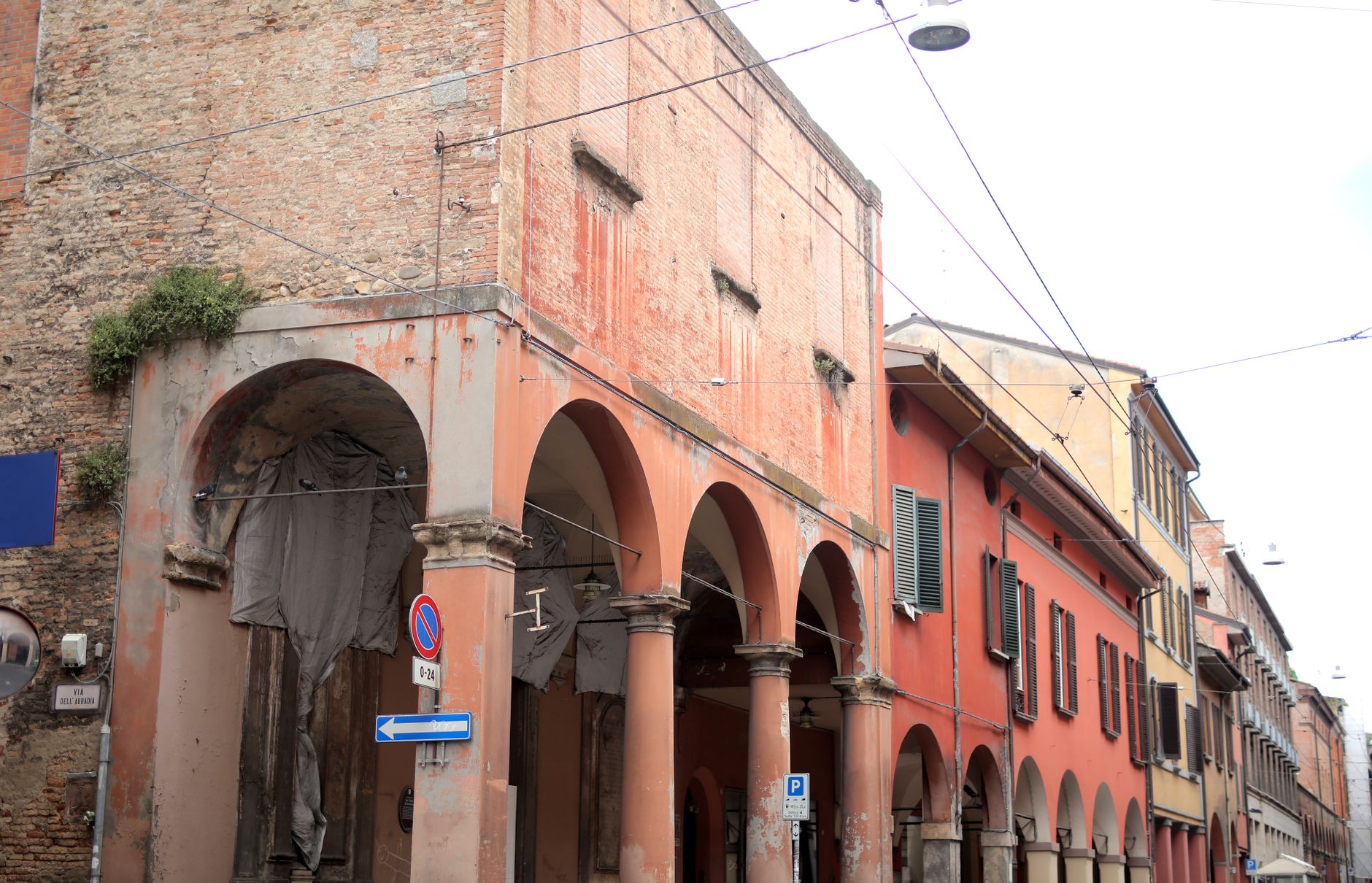
Town · Emilia-Romagna
Modena
Modena is worth a half-day or a lunch from Bologna. The cathedral and the food market are the essentials. Book ahead if you want Bottura; otherwise eat tortellini in any trattoria.

Town · Emilia-Romagna
Parma
Parma is worth a half-day from Bologna. Eat prosciutto di Parma and Parmigiano-Reggiano at the source, see the cathedral frescoes, and leave satisfied. Pair with Modena.
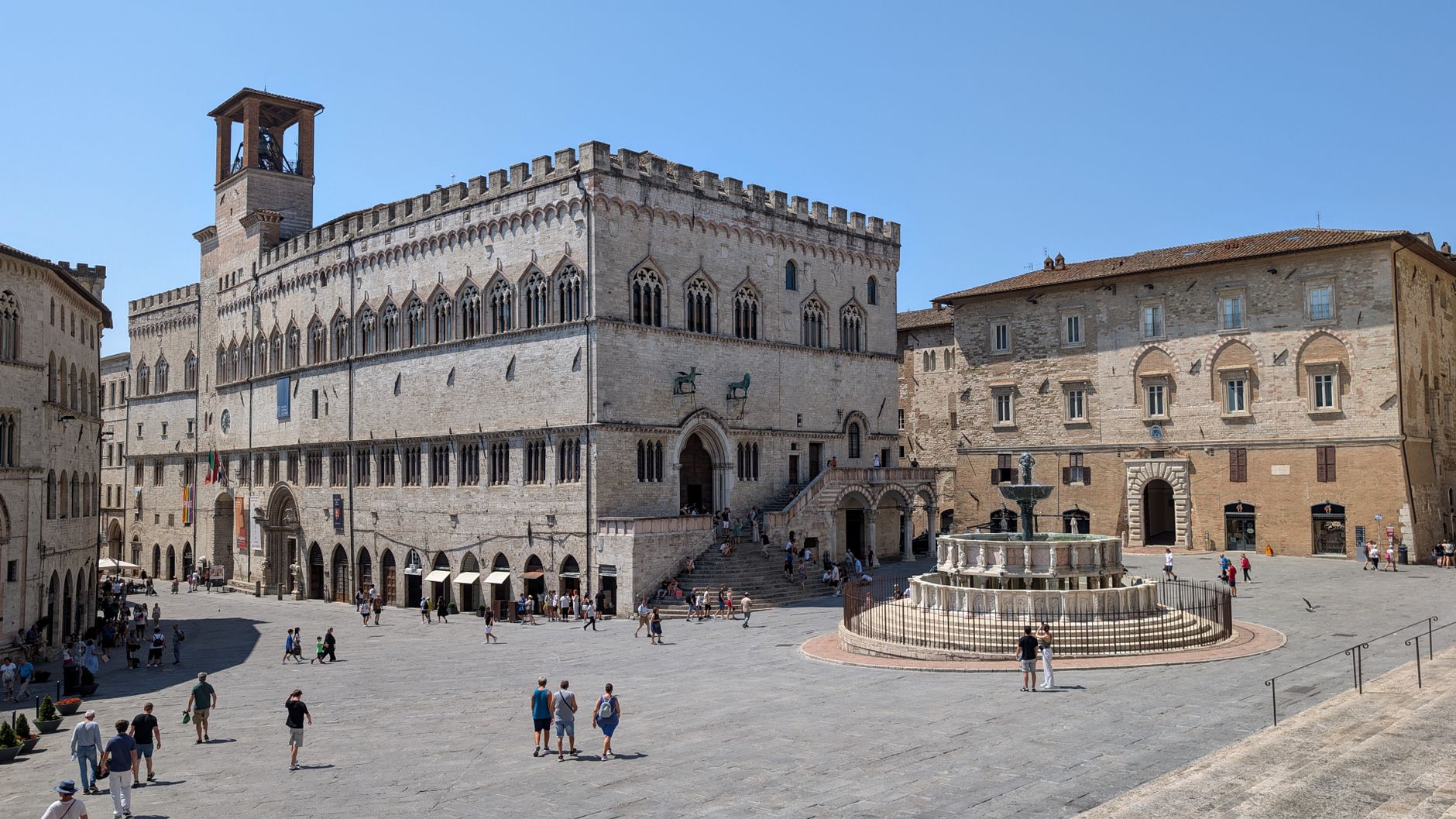
Town · Umbria
Perugia
Perugia is worth a night as a base for Umbria, or a day trip paired with Assisi. It is livelier than Assisi and a real city. The historic center on top of the hill is the part that matters.

Town · Veneto
Padua
Padua is worth a half-day or a night, especially as a cheaper base for Venice. The Scrovegni Chapel frescoes by Giotto are the reason to come — book ahead.

Town · Friuli-Venezia Giulia
Trieste
Trieste is worth a night or two for travelers who want something different from the standard Italian circuit. It is Austrian, coastal, and caffeinated. Pair with the Carso and Miramare.

Town · Lombardia
Bellagio
Bellagio is worth a day or a night as your Lake Como base. It is the most photographed village and the most crowded. Stay overnight to see it empty, or ferry in from Varenna.
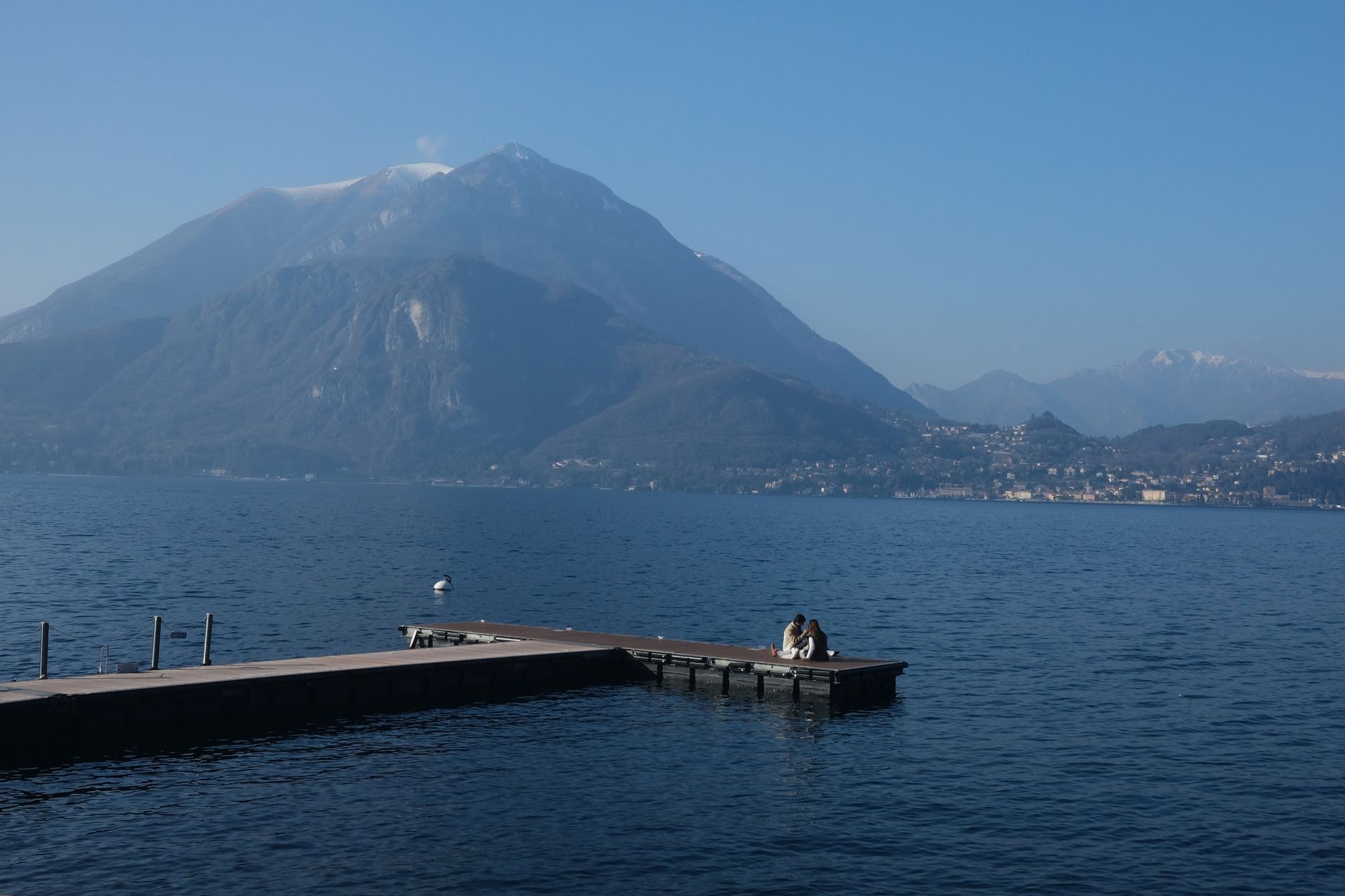
Town · Lombardia
Varenna
Varenna is the best base on Lake Como if you want quiet and train access. It is less glamorous than Bellagio but more livable, and the ferry to Bellagio is 15 minutes.

Town · Lombardia
Sirmione
Sirmione is worth a half-day on Lake Garda's south shore. The castle and the Roman ruins (Grotte di Catullo) are the essentials. It is crowded in summer; go early.
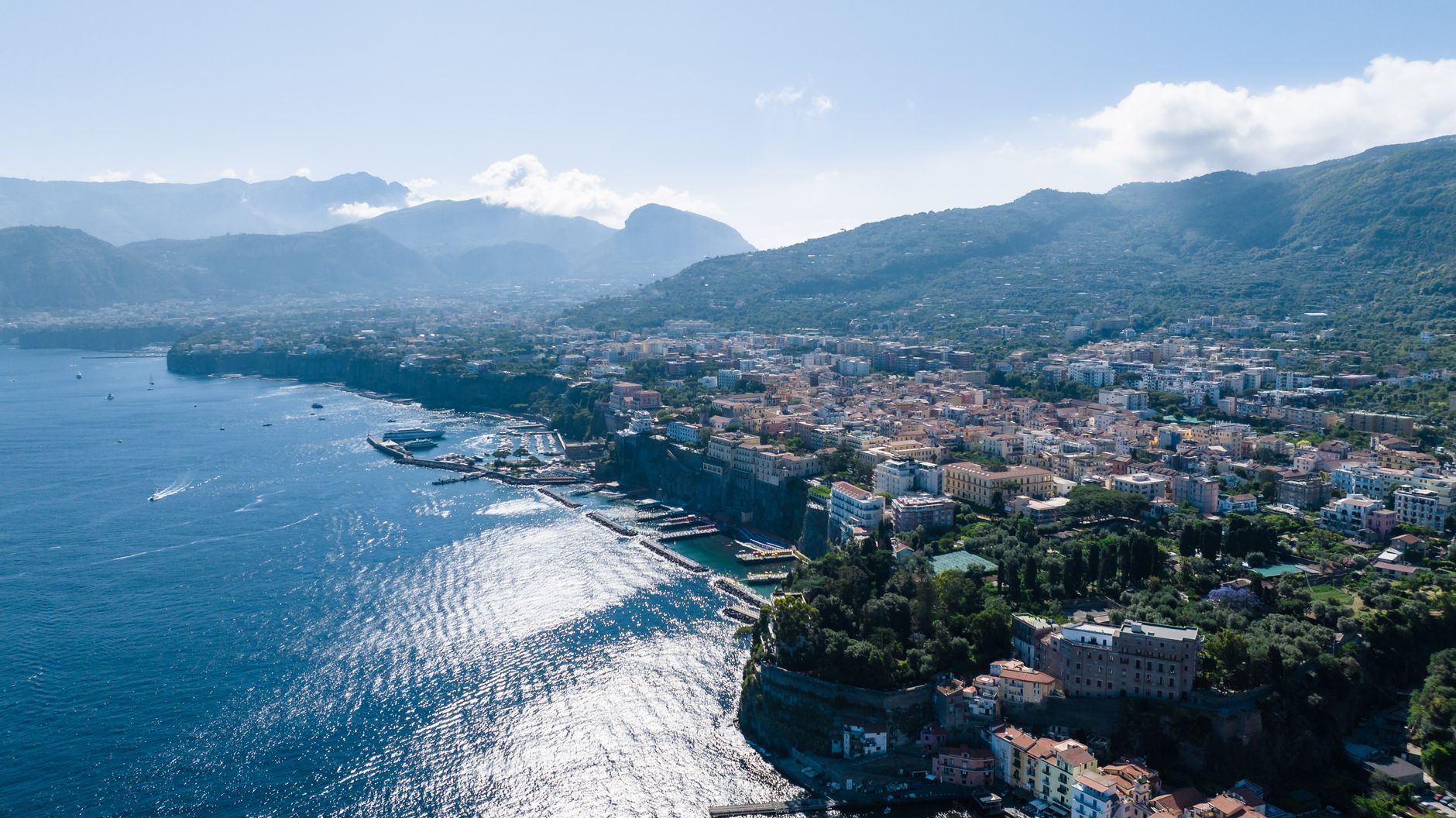
Town · Campania
Sorrento
Sorrento is worth a night or two as a base, not as a destination. It is the logistical hub for the Amalfi Coast, Capri, and Pompeii. It is pleasant and touristy; stay here for the connections, not the charm.

Town · Campania
Ravello
Ravello is worth a half-day from Amalfi or Positano. Villa Cimbrone's Terrace of Infinity is the view. It is quieter and cooler than the coast towns, which is why it's the retreat.

Town · Toscana
Montalcino
Montalcino is worth a half-day if you're wine-focused and already in the Val d'Orcia. The Brunello is the reason. Don't add it to Montepulciano and Pienza unless wine is the trip's purpose.

Town · Toscana
Volterra
Volterra is worth a half-day if you're based in San Gimignano or Siena. It is more ancient and less touristy than its neighbors. The Etruscan museum and the Roman theater are the essentials.

Town · Veneto
Cortina d'Ampezzo
Cortina is worth a night or two as a Dolomites base if you want a town with restaurants and lifts. It is more developed and expensive than the Val di Fassa or Ortisei; go for the setting, not the rusticity.
Town · Trentino-Alto Adige
Ortisei
Ortisei is the best Dolomites base for most travelers. It has direct lifts to the Alpe di Siusi and the Sella Ronda, a walkable center, and is less expensive than Cortina. The German-Italian culture is the bonus.

Town · Puglia
Alberobello
Alberobello is worth a half-day stop. The trulli are genuinely unique and worth seeing, but the town is touristy. Go early, walk both districts, and don't stay overnight unless you want to sleep in a trullo.
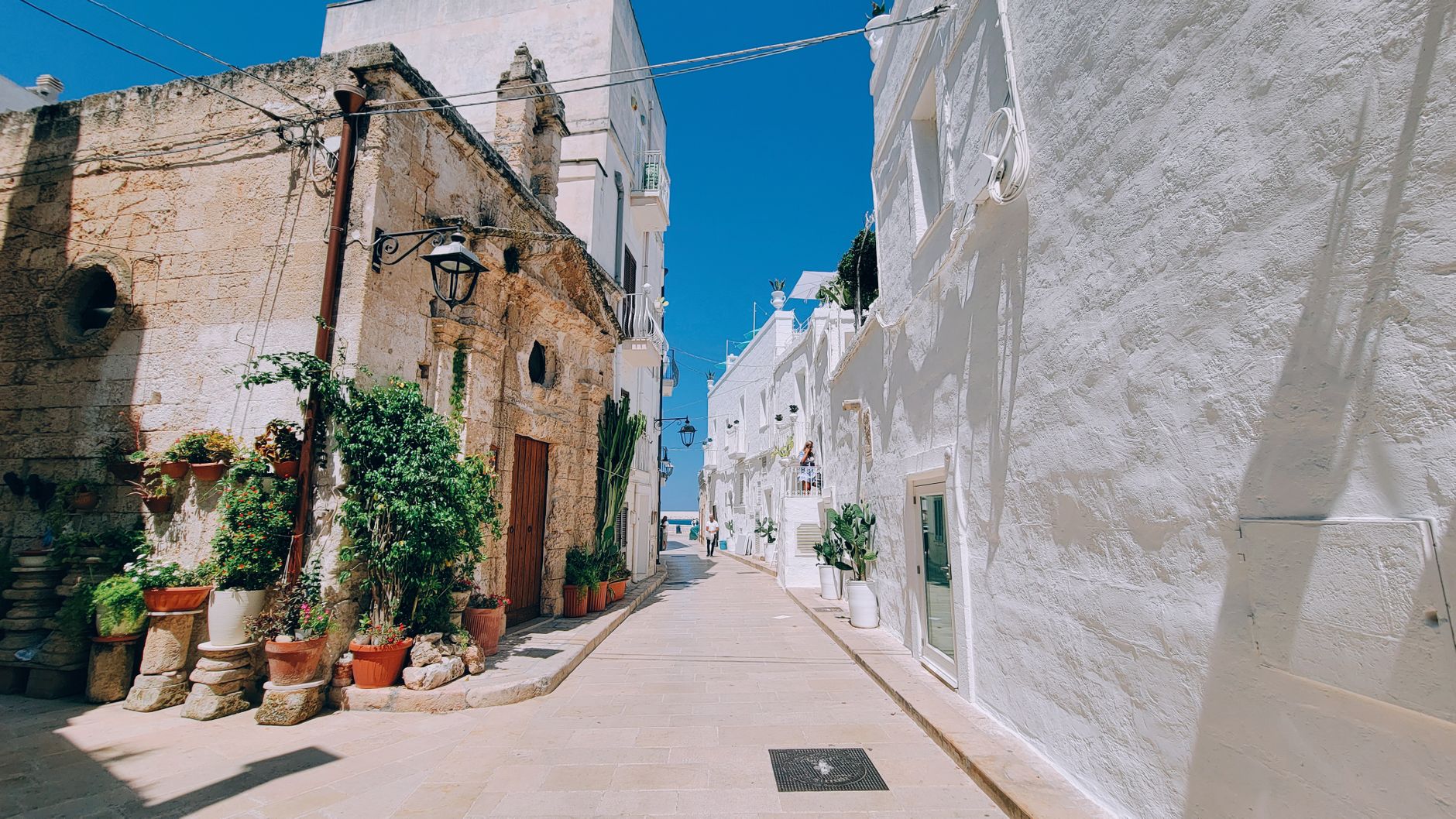
Town · Puglia
Ostuni
Ostuni is worth a half-day or a night. The all-white old town is striking from a distance and atmospheric up close. It is a good base for the Valle d'Itria between Bari and Lecce.

Town · Sicilia
Noto
Noto is worth a half-day on the Val di Noto Baroque circuit from Syracuse. The cathedral and the streets of golden stone are the most unified Baroque town in Sicily. Go at golden hour.

Town · Sicilia
Erice
Erice is worth a half-day from Palermo or Trapani. The cable car from Trapani is the approach. It is cool, misty, and medieval — a contrast to the coast below.

Town · Sicilia
Monreale
Monreale is worth a half-day from Palermo. The cathedral mosaics are the finest Norman-Byzantine art in Italy. The bus from Palermo is 30 minutes. Don't skip it if you're in Palermo.
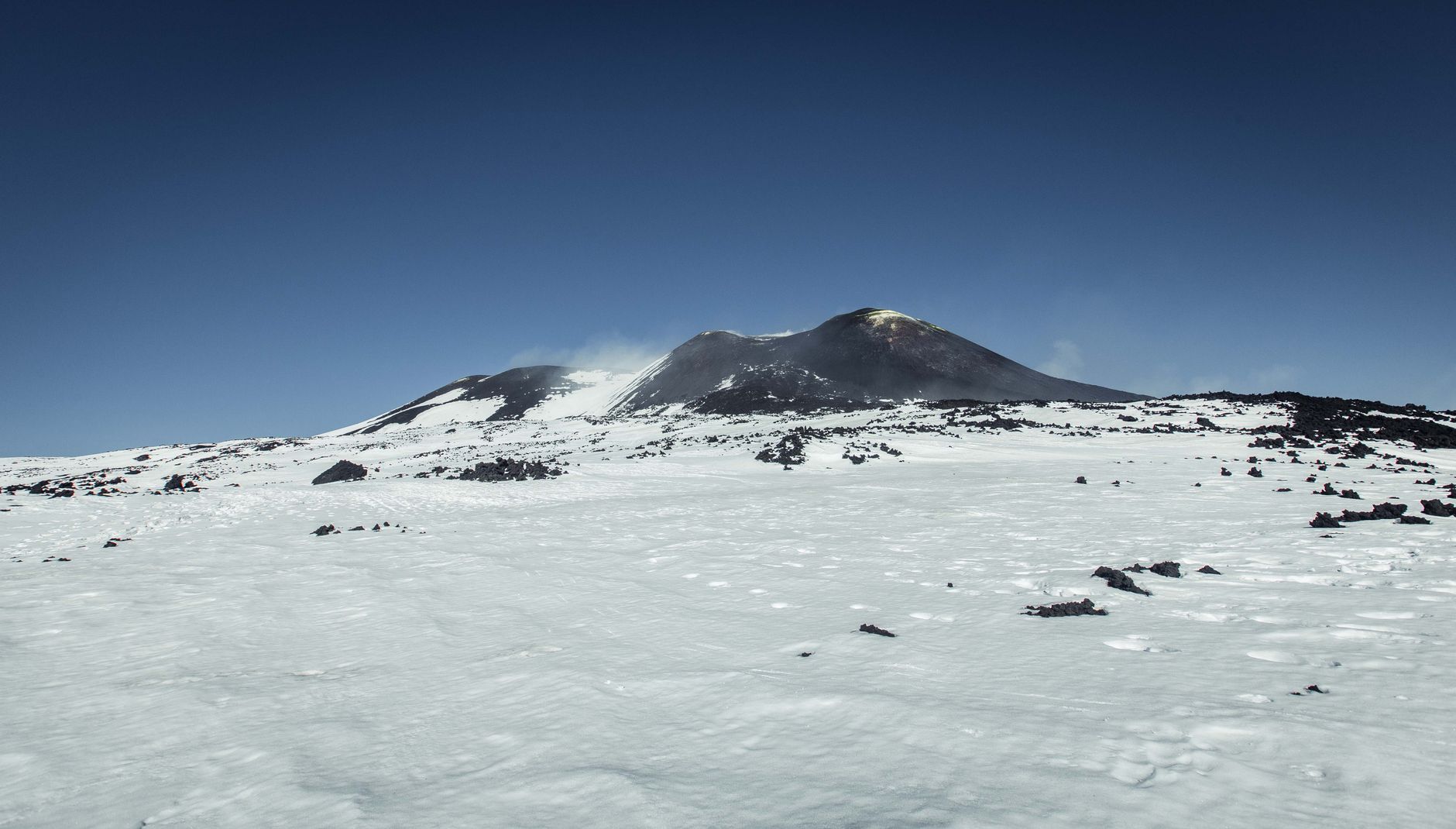
Mountain · Sicilia
Mount Etna
Mount Etna is worth a half-day excursion from Taormina or Catania. The cable car and 4x4 take you to 2,500 meters. Go in the morning; weather closes the upper zone in the afternoon.
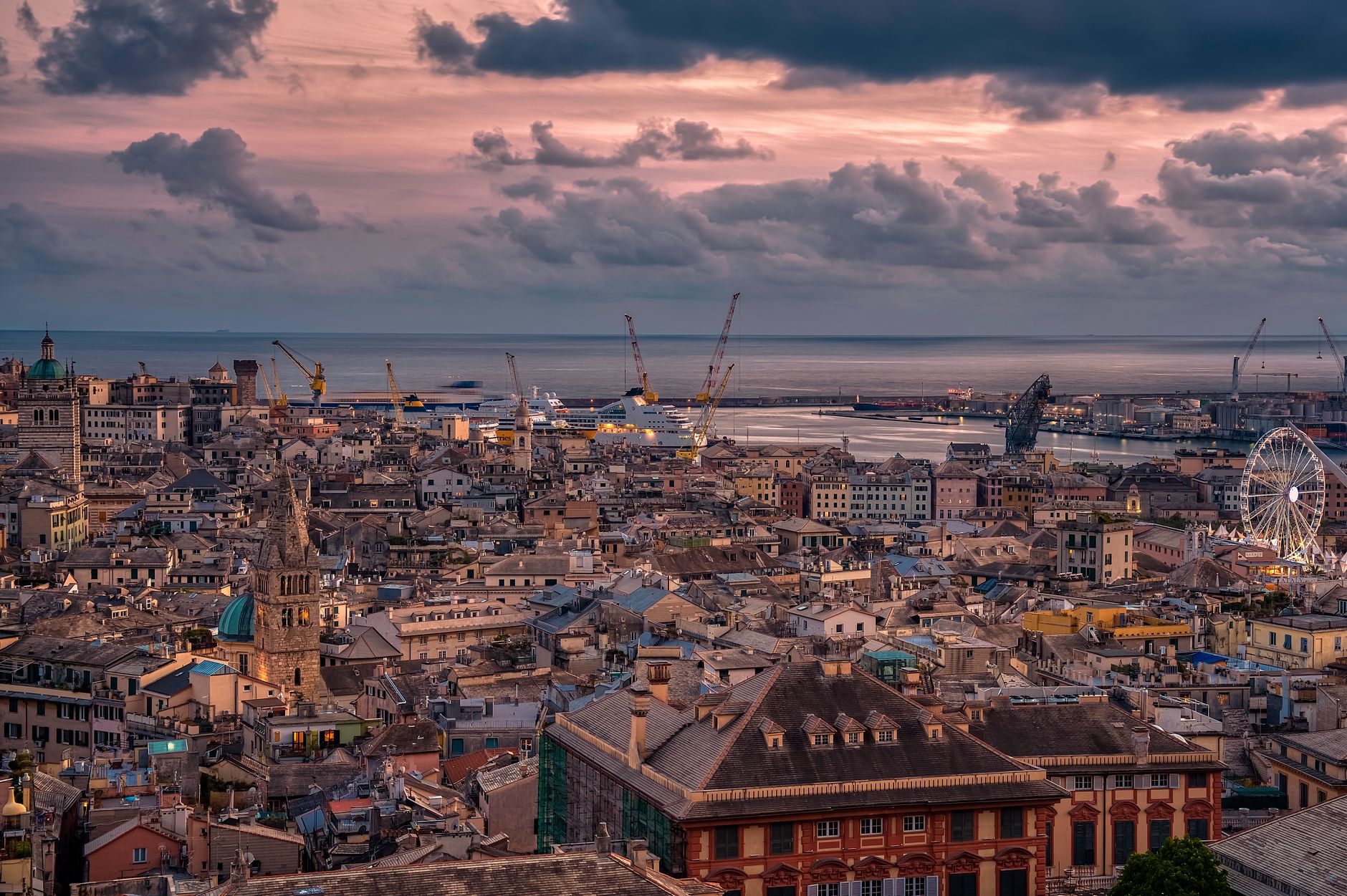
Town · Liguria
Genoa
Genoa is worth a night and is the most underrated major city in Italy. It is gritty, grand, and maritime. Pair it with the Cinque Terre and Portovenere for a Ligurian circuit.
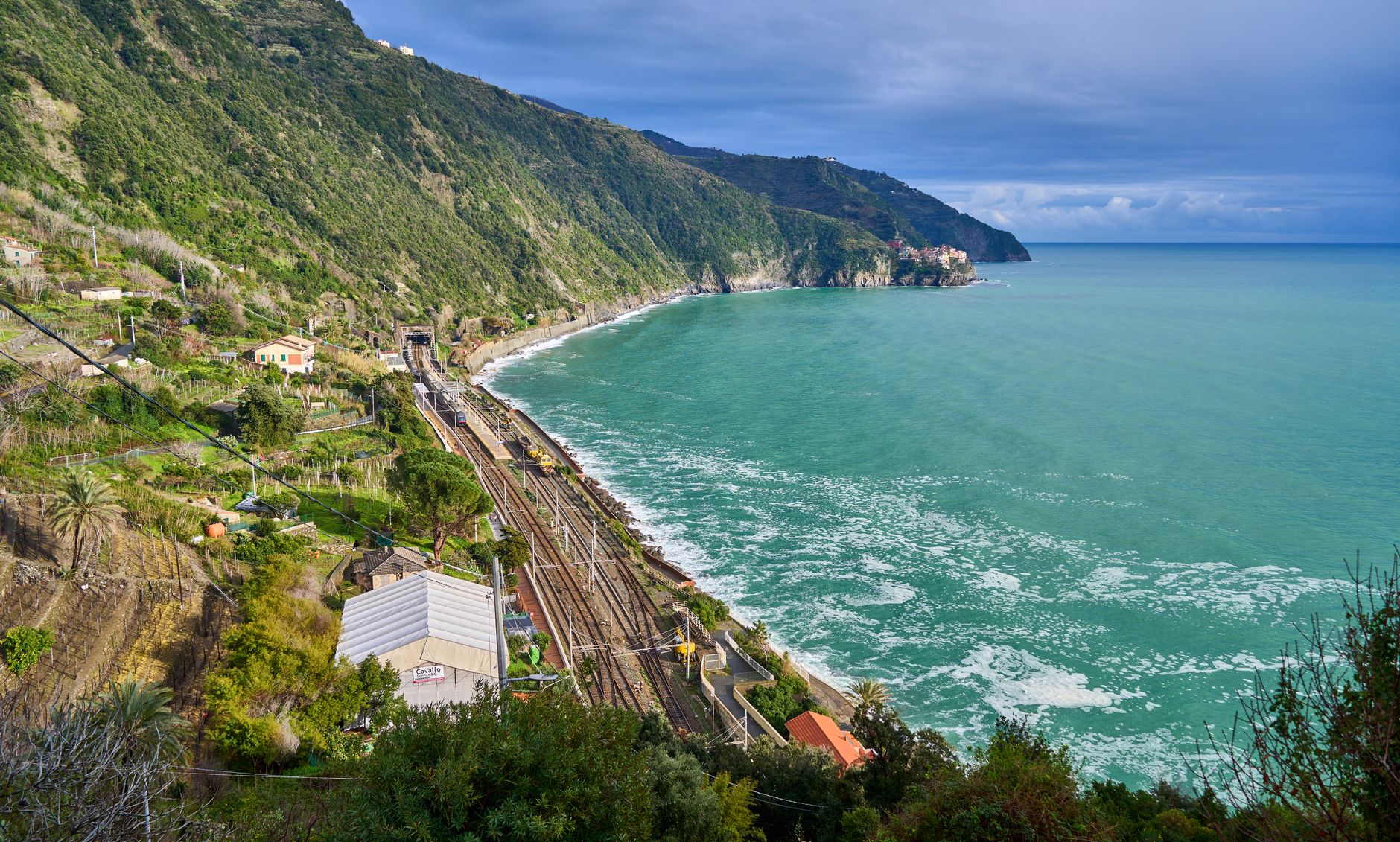
Coastline · Liguria
Cinque Terre
Cinque Terre is worth one or two nights if you go in shoulder season. In July and August it is a crowd-management exercise. Hike the trails, take the train between villages, and don't try to drive.

Coastline · Campania
Amalfi Coast
The Amalfi Coast is worth two or three nights if you base in one town and ferry to the others. Driving the coast road in season is miserable — use the ferries. Positano is the photograph; Amalfi is the town; Ravello is the view.

Town · Campania
Positano
Positano is worth a night if you can afford it, or a day visit if you can't. It is the image of the Amalfi Coast. Stay elsewhere and ferry in if the prices are too steep.

Lake · Lombardia
Lake Como
Lake Como is worth two nights. Base in Bellagio, Varenna, or Menaggio and ferry between villages. You do not need a car — the ferry is the transport. Go in shoulder season; July is crowded and expensive.

Island · Campania
Capri
Capri is worth a day trip or one night. It is extraordinarily crowded in season — the day-tripper crush from 11am to 4pm is intense. Stay overnight to see it empty, or ferry in early and leave by late afternoon.

Island · Campania
Ischia
Ischia is worth two or three nights if you want thermal spas, beaches, and a slower island pace. It is the better alternative to Capri for travelers who want to stay, not day-trip.

Town · Toscana
Pisa
Pisa is worth a half-day stop, usually paired with Lucca. The Piazza dei Miracoli is genuinely extraordinary; the rest of the town is pleasant but not essential. Don't build a trip around it.

Town · Toscana
Lucca
Lucca is worth a night or a day trip from Florence. Cycling the walls is the essential experience. It is quieter and less touristy than Siena or San Gimignano, which is the point.

Town · Toscana
San Gimignano
San Gimignano is worth a half-day. It is beautiful and very crowded — go early or late, and don't stay overnight unless you want the town empty. The towers are the point; the souvenir shops are not.

Town · Toscana
Montepulciano
Montepulciano is one of the Tuscan hill towns worth giving real time to, particularly if wine is part of the trip. You still probably do not need more than one night.

Town · Toscana
Pienza
Pienza is worth a half-day and a lunch. It is the smallest of the major Val d'Orcia towns and the most architecturally coherent. Buy pecorino, eat it with honey, leave happy.
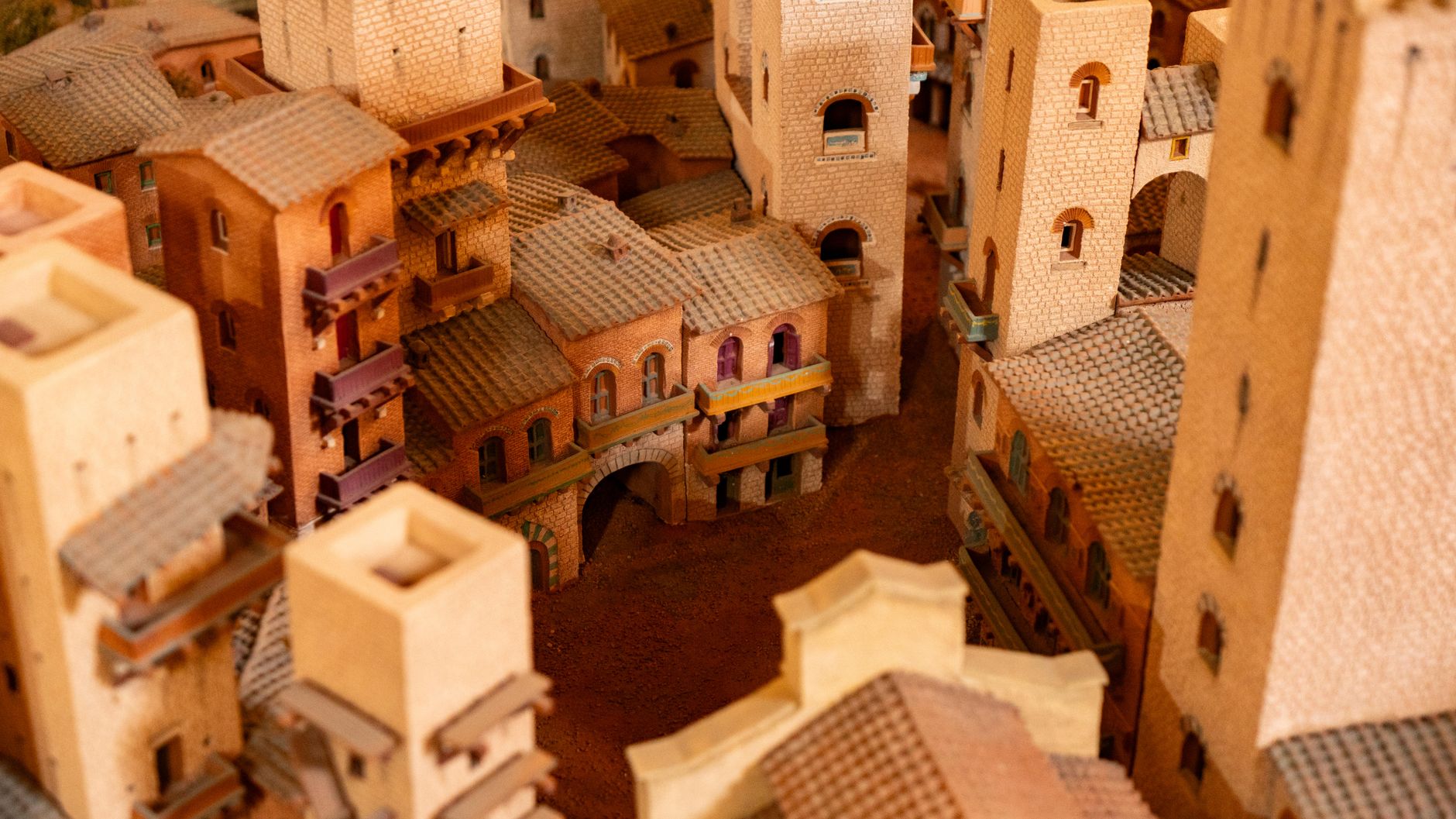
Town · Umbria
Orvieto
Orvieto is worth a half-day stop on the Rome–Florence train line. The cathedral facade alone justifies the detour. It is the easiest hill-town addition to a rail-based trip.

Town · Umbria
Assisi
Assisi is worth a half-day for the Basilica frescoes alone, even if you're not pilgrims. It is the most spiritually significant town in Umbria and one of the great fresco sites in Italy.
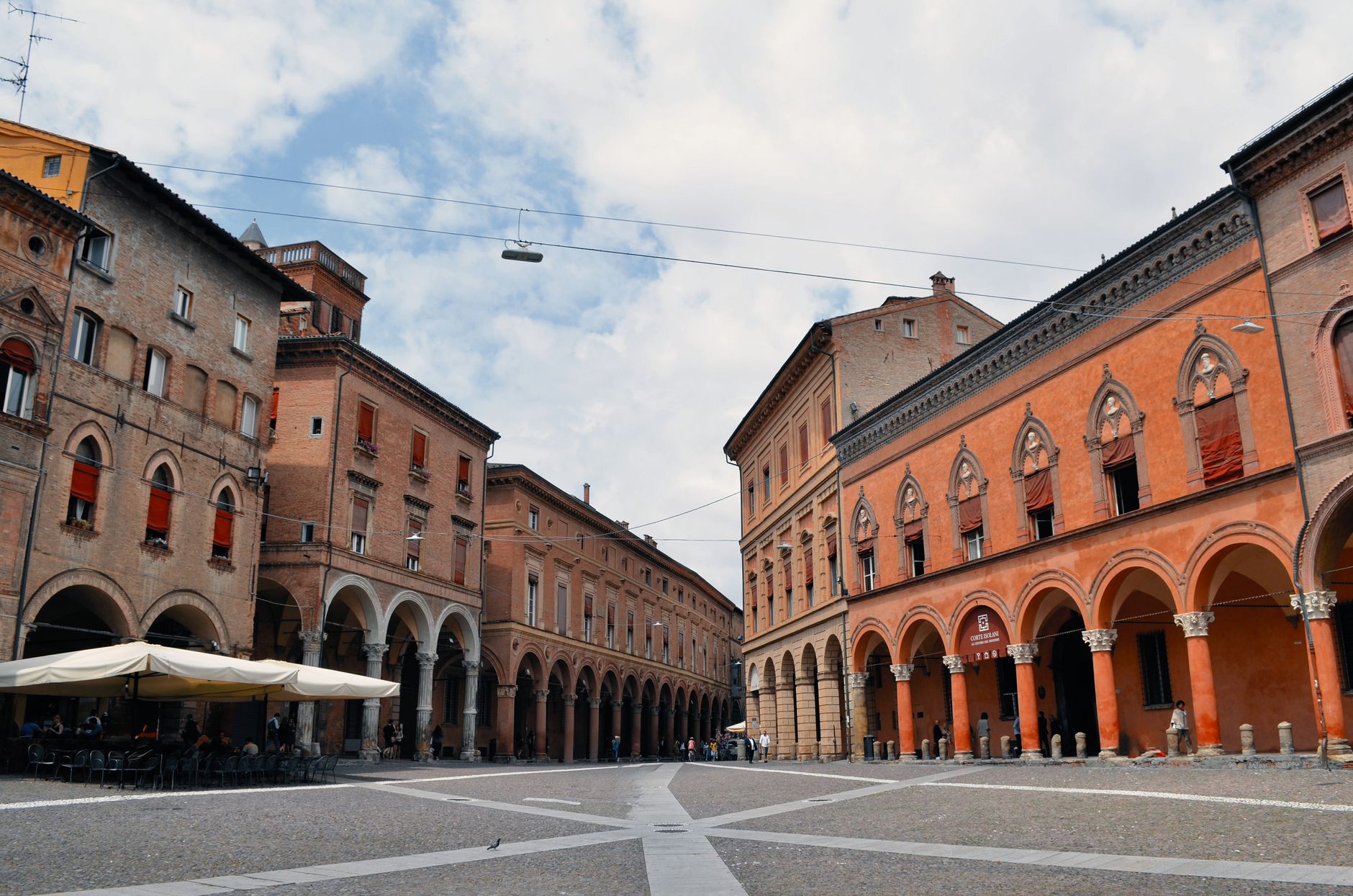
Town · Emilia-Romagna
Ravenna
Ravenna is worth a full day. The mosaics are the best Byzantine art west of Istanbul, and the city is uncrowded and inexpensive compared to Florence. Pair it with Bologna.
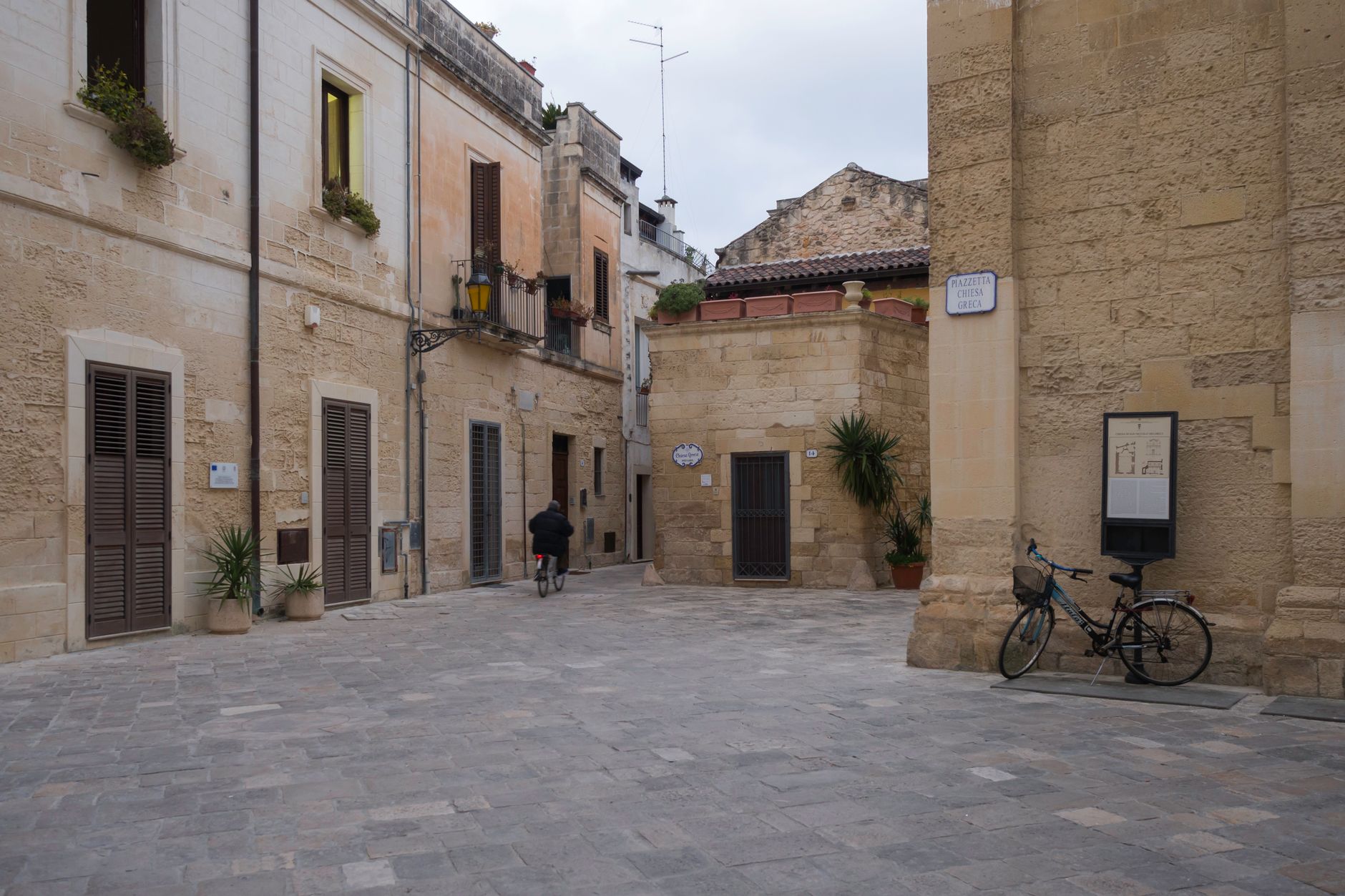
Town · Puglia
Lecce
Lecce is worth two nights and is the best base for southern Puglia. It is the most beautiful Baroque city in Italy that isn't on the standard circuit. Pair it with Otranto and Gallipoli.
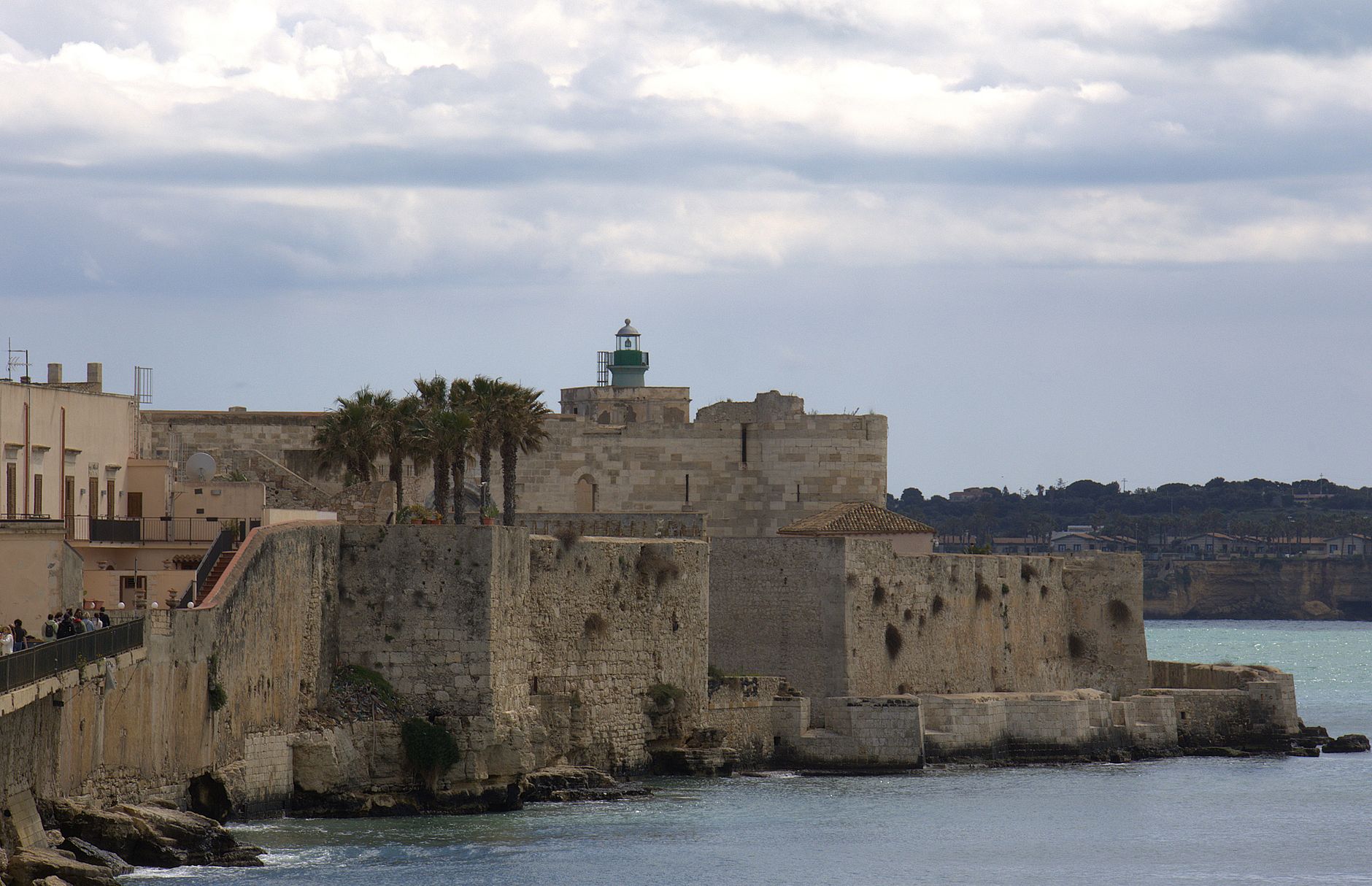
Town · Sicilia
Syracuse
Syracuse is worth two nights. Ortigia, the island old town, is one of the most beautiful evening walks in Sicily. The archaeological park is essential. Pair with Noto and the Val di Noto.

Town · Sicilia
Taormina
Taormina is worth a night or a day trip. The Greek theater with Etna in the background is the shot. It is touristy and expensive; go for the view and the theater, not the shopping street.

Mountain · Trentino-Alto Adige
Dolomites
The Dolomites are worth three to five nights if you hike. Base in Ortisei or Cortina. A car is essential. Go in summer for hiking or winter for skiing; the shoulder seasons are quiet but lifts may be closed.

Town · Lazio
Rome
Rome deserves at least three full days and rewards a fourth. It is the one Italian city where trying to see everything is the mistake — pick two major sites a day and leave time for wandering.

Town · Toscana
Florence
Florence is worth two full days minimum and handles three well. It is small enough to walk end to end, which means it is also small enough to feel crowded — book the Uffizi and the Accademia ahead or you will waste half a day in line.


Town · Veneto
Venice
Venice is worth at least two nights. A day trip from the mainland sells it short — Venice at dawn and after the day-trippers leave is a different city. Stay overnight or don't bother.

Town · Lombardia
Milan
Milan is worth a day or two, particularly as a gateway. The Last Supper alone justifies a stop if you book it ahead. Don't expect the open-air museum feel of Florence — Milan is a working city.

Town · Campania
Naples
Naples is worth two nights and rewards the traveler who doesn't need things tidy. It is the gateway to Pompeii, the Amalfi Coast, and Capri, and it has the best pizza in Italy. Skip it only if you need order and calm.

Town · Emilia-Romagna
Bologna
Bologna is worth two nights and is the best food city in Italy for travelers who want to eat seriously without the Florence prices or the Venice crowds. It is also the best rail hub in the country.

Town · Sicilia
Palermo
Palermo is worth two nights and is the best base for western Sicily. It is intense, faded, and magnificent. Pair it with Monreale and the coast, and use it to reach Erice and Segesta.

Town · Veneto
Verona
Verona is worth one or two nights. It is a more livable, less overwhelming alternative to Venice for travelers who want a beautiful Italian city without the intensity. Pair it with Valpolicella.

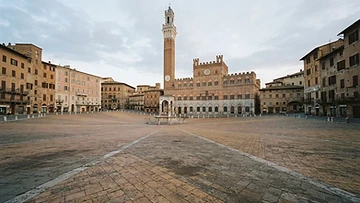
Town · Toscana
Siena
Siena is worth a night, or a long day trip from Florence. It is the best Tuscan base if you want a real city rather than a village. The Piazza del Campo alone justifies the visit.

Town · Basilicata
Matera
Matera is worth one night, and the night is the point — staying in a cave hotel in the Sassi is an experience found nowhere else. It is a detour from the usual circuit, but a rewarding one.