The Verdict
Tuscany's only notable indigenous white, and it's been famous since the Renaissance. Crisp, slightly almond-bitter, and the perfect break from a diet of red. The towers of San Gimignano are right there.
Why go
A historic Tuscan white in one of Tuscany's most famous (and most crowded) towns.
The Field Guide take
Vernaccia di San Gimignano remains an outlier in the Tuscan landscape. In a region famously dominated by Sangiovese and the heavy, tannic reds of the interior, this white wine serves as the local exception. It is a historic survivor, produced in the hills surrounding the town of San Gimignano, and it represents one of the few indigenous white wines in central Italy that has maintained its identity across centuries rather than succumbing to the global trend of planting international varieties like Chardonnay.
The place
The production area is strictly limited to the hills surrounding San Gimignano in the province of Siena. The town itself, recognizable from a distance by its thirteen medieval stone towers, sits on a high ridge. The vineyards descend from these walls into a landscape defined by dramatic geological history. The soil here—often referred to as Pliocene sand—is distinct from the clay-heavy soils found in much of the rest of Tuscany. It is rich in fossilized marine shells, a remnant of a time when this part of the region was underwater. This unique soil composition provides the drainage and mineral influence necessary to give the Vernaccia grape its signature structural austerity.
The land and grapes
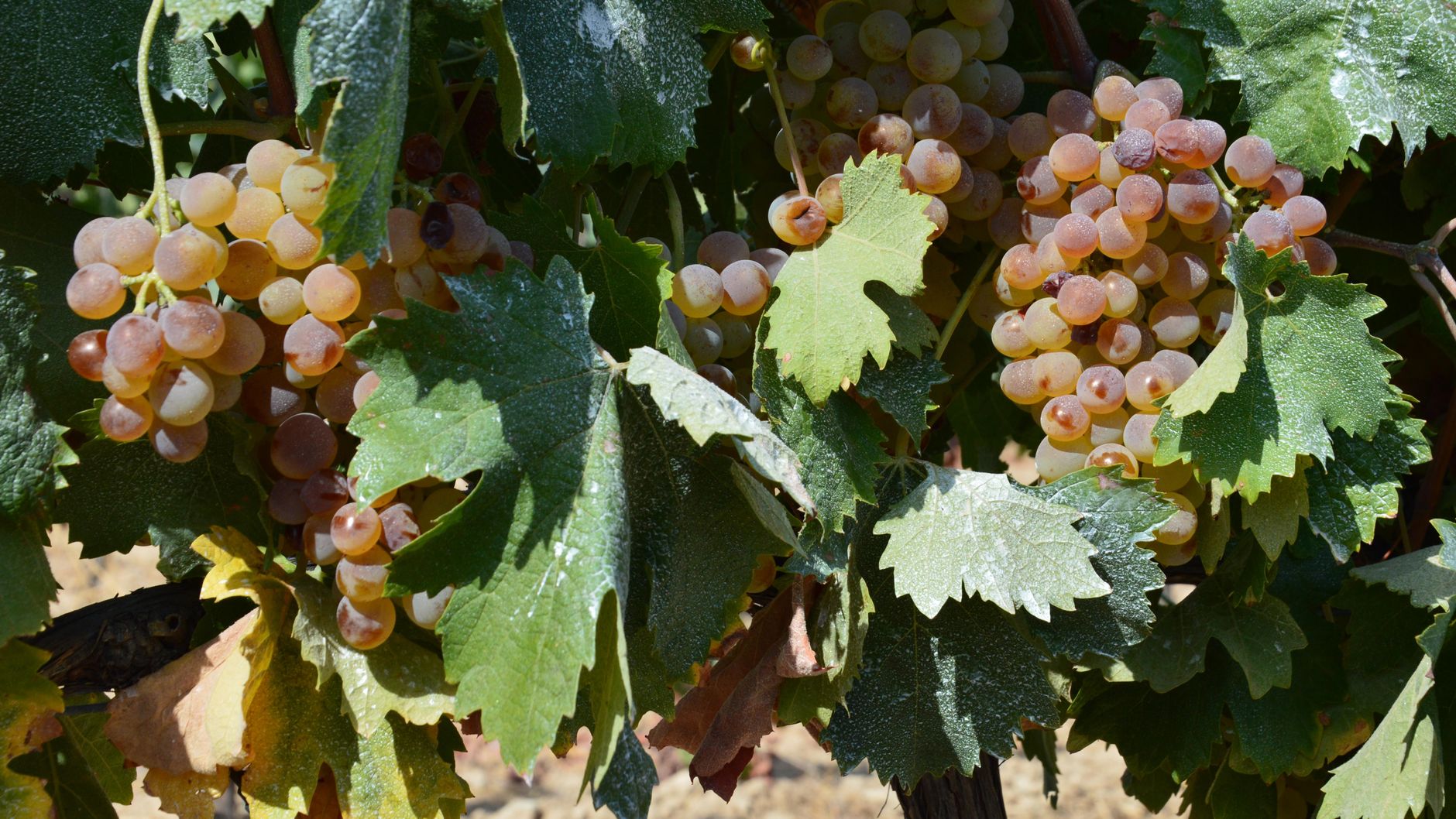
The Vernaccia grape is an ancient variety. Its presence in the area is documented as far back as the 13th century, earning mention in Dante’s Divine Comedy and serving as a staple of the aristocratic tables of the Renaissance. Unlike the grapes used for the big reds of Tuscany, Vernaccia is not designed to be plush or overtly fruity. It is a hardy, reliable grape that holds its acidity well, provided it is grown in these specific sandy conditions. While other regions in Tuscany pivoted toward international white grapes during the late 20th century, the growers of San Gimignano largely stuck to their native vine, successfully securing the first DOC designation in Italy in 1966, followed later by the DOCG status.
The wines
Vernaccia di San Gimignano is not a wine that aims for broad, crowd-pleasing aromatics. It is characterized by its restraint. In the glass, it typically presents a pale, straw-like color. On the palate, the experience is defined by a clean, crisp acidity and a distinct, slightly bitter finish reminiscent of raw almonds.
Production techniques vary among the producers. Many opt for stainless steel fermentation to preserve the wine’s sharp, linear profile. Others experiment with extended skin contact or aging in older oak barrels, which can add a level of phenolic grip and complexity, pushing the wine toward a more savory or textured mouthfeel. Regardless of the method, the wine is not meant for long-term cellaring; it is best consumed within two to five years of the vintage, while the primary fruit notes are still balanced by that defining almond-husk bitterness.
Visiting
San Gimignano is one of the most visited towns in Italy. From mid-morning to late afternoon, the town center is crowded with day-trippers. To visit the vineyards and the wine producers, it is necessary to step outside the city walls. The best approach is to travel the rural roads leading into the surrounding valley, where small, family-run estates offer tastings. Because the town itself is so heavily oriented toward tourism, finding an authentic experience is easier when you book appointments directly with producers who focus on the agricultural process rather than souvenir sales. If you are seeking a quiet environment, visit in the early spring or late autumn to avoid the peak heat and the density of the bus tours.
What to eat with it
The wine’s austere profile and bitter finish make it a functional partner for the traditional food of the Tuscan countryside. It is structurally suited to cut through the salt and fat of crostini di fegatini (chicken liver pâté on toasted bread). It also pairs effectively with the local ribollita or simple Tuscan bean soups (zuppa di fagioli), where the wine acts as a cleansing agent against the earthiness of the legumes. Because it lacks the high acidity of some coastal whites, it is rarely a good match for heavy citrus preparations, but it excels alongside simple grilled river fish or local sheep’s milk cheeses like Pecorino Toscano.
The Story
Where Vernaccia di San Gimignano DOCG comes from
Vernaccia di San Gimignano is Tuscany’s most ancient white, mentioned by Dante and prized by the medieval nobility. It is a survivor of the region's focus on red wine, thriving in the unique sandy, shell-rich soils around the city of towers. It is a wine that requires a bit of patience to reveal its true character.
What Defines It
Defining grapes & terroir
Vernaccia
Produces wines with a characteristic bitter almond finish.
Pliocene sand
Fossil-rich soil that imparts a distinct mineral dryness.
The Method
How it's made
Often handled simply in stainless steel, though some producers use extended skin contact to extract more phenolic grip. A good bottle balances the fruit with a clean, slightly bitter, and refreshing finish.
Timing
When to drink it
Best 2-5 years from vintage.
Serve With
Classic pairings
Crostini di fegatini
foodThe bitter almond note of the wine cuts through the richness of the liver pate.
Tuscan bean soup
foodThe texture and saltiness of the wine complement the earthiness of the beans.
What makes it worth going
Tuscany's most historic white — Vernaccia from the hills around San Gimignano.
Things to do
- historic center
San Gimignano Historic Center
Famous for its medieval towers; the architecture is a UNESCO sight.
Half day
- main piazza
Piazza della Cisterna
The quintessential Tuscan square, perfect for people-watching.
1 hour
- museum
Vernaccia Wine Tasting
Dedicated to the history of this white in the town's museum.
1 hour
Eat
- Dish
Pappa al Pomodoro
A hearty bread and tomato soup that reflects Tuscan peasant tradition.
- Cheese
Pecorino Toscano
The sharp sheep milk cheese is the classic partner for local Vernaccia.
Stay
- Neighborhood
San Gimignano
Stay within the walls for the best evening atmosphere.
- Neighborhood
Certaldo
A quiet, nearby alternative to the crowds of San Gimignano.
What's nearby & pairs with
More wine from Toscana
Wine Appellation
Brunello di Montalcino DOCG
100% Sangiovese from the hill town of Montalcino — Tuscany's most structured, age-worthy, and expensive red, from a small, strictly defined zone.
Wine Appellation
Chianti Classico DOCG
Sangiovese-based red from the original historic Chianti zone between Florence and Siena — the most famous wine landscape in Italy.
Wine Appellation
Bolgheri DOC
Coastal Tuscan appellation on the Bibbona plain — where Super Tuscans were born, with Bordeaux varieties that broke Italian wine rules and won.
Wine Appellation
Vino Nobile di Montepulciano DOCG
Sangiovese-based red from Montepulciano — the third of Tuscany's noble reds, often the best value.
Getting there & around
Train
Limited or no direct rail access.
Car
A car adds value here.
We don't publish real-time schedules. Confirm train times on Trenitalia or Italo, and check current ZTL boundaries locally.
Ready to plan?
Ready to turn discovery into a trip?
Italy Field Guide helps you decide where to go. When you're ready to build the actual day-by-day itinerary, take your saved places to Travel Itinerary Co — your interests go with you.
Turn your saved Italy places into a trip