Editorial
Collections
Curated lists built around real traveler decisions — not generic tag pages.

culture
Museums Worth the Queue (and a Few to Skip)
The Uffizi and the Vatican deserve their fame and their crowds; book the first slot or weep. The Borghese is timed-entry and the best single hour of art in Rome, the Capitoline is Rome's thinking-person's museum, and the Archaeological Museum in Naples holds the Pompeii frescoes Pompeii itself can't show you.
nature
Lakes Without the Como Prices
Como and Garda are sublime and booked solid. Trasimeno is the Umbrian lake you can actually swim in, Bolsena is a volcanic crater an hour from Rome, Iseo sits below Franciacorta's vineyards, and Ledro and Carezza are alpine water so still it doubles as a mirror.

culture
Palaces Worth the Day
Caserta is the Versailles Italy built for a king who never really moved in — go for the staircase and the gardens, and stay for the emptiness. The Doge's Palace is Venice's power on display, the Palazzo dei Normanni hides a chapel that rivals Ravenna, and Villa d'Este is water-engineering as obsession.

nature
Italy's Live Volcanoes
Etna is the one you can ski in the morning and toast marshmallows on at lunch; Vesuvius is the day trip from Naples that puts the Pompeii story in perspective. Stromboli is the real adventure — a climb to a cone that performs every twenty minutes — and Pantelleria is a volcanic island that bottles its own wind.
nature
The Apennines: Italy's Other Mountains
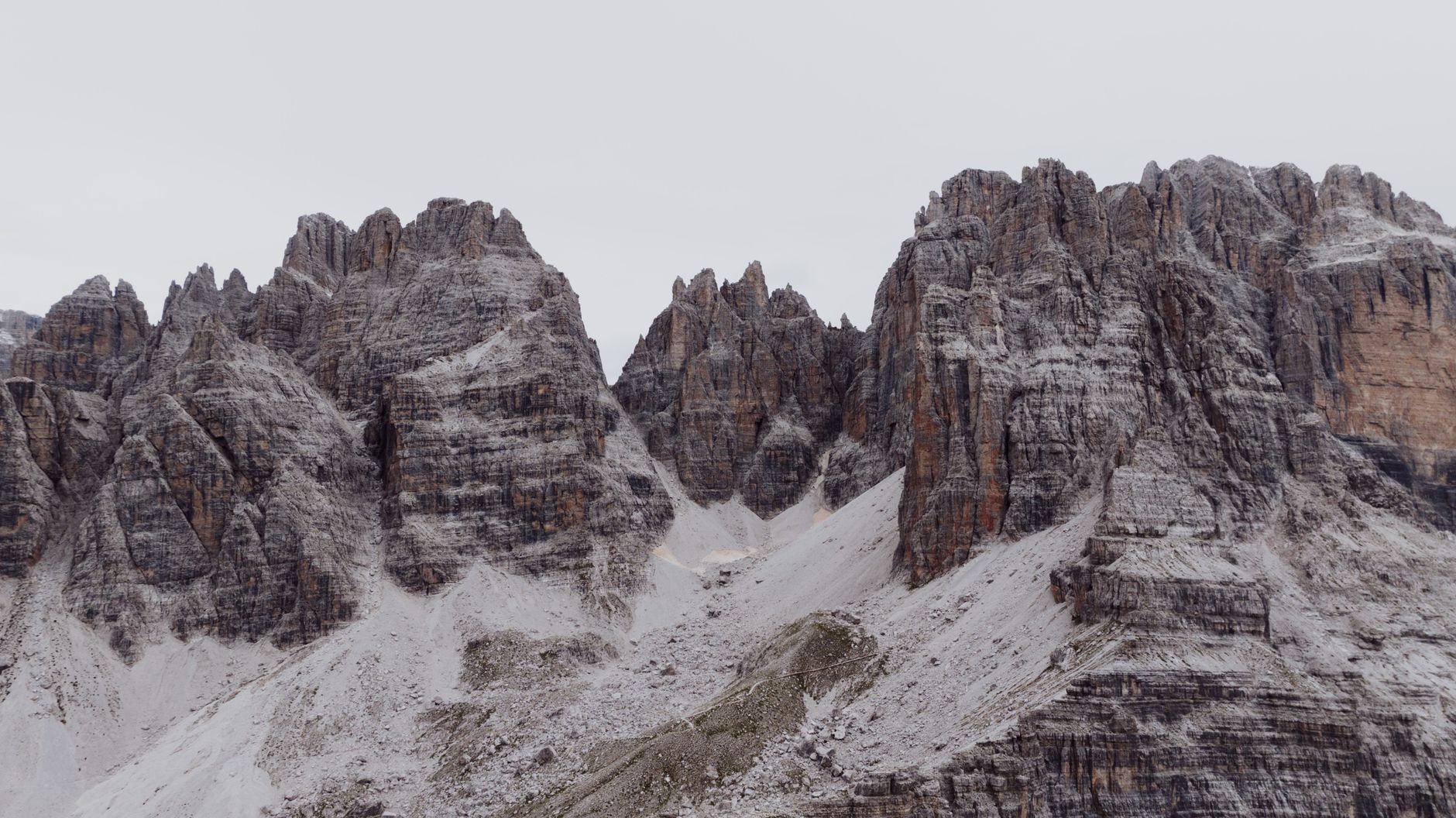
The Dolomites get the postcards; the Apennines get the Italians. Gran Sasso's Campo Imperatore is a high plain that feels Tibetan, the Maiella is the wolves' last stronghold, the Sibillini are the Marche at its wildest, and the Alpi Apuane are the marble mountains above Carrara — the source of everything Michelangelo carved.

culture
Italy's Greatest Domes
Florence's dome is the one that changed architecture; the secret is climbing between its two shells. The Pantheon is two thousand years old and still open when it rains, Ravenna's San Vitale is Byzantine mosaic at full volume, and St. Peter's earns the line for the view from the lantern alone.

islands
Islands Beyond Capri
Capri is the one everyone books. These are the ones we'd book again: Procida before it got famous, the Aeolians for a volcano you can climb at dawn, Elba for an island with Napoleon's ego and proper beaches, and La Maddalena for water so clear it feels exaggerated.

culture
Archaeology Beyond Pompeii
Pompeii is extraordinary and exhausting. The experienced move is to pair it with places most first-timers never reach: Ostia Antica for a quieter forum, Paestum for Greek temples that predate the Parthenon, and Hadrian's Villa for imperial ambition on a human scale.

nature
Soak Like a Local: Italy's Thermal Baths
Saturnia is the one you've seen on Instagram; go at dawn or go elsewhere. Montecatini is a proper spa town, Bormio is alpine hedonism after a day on the slopes, and Ischia's volcanic water is the real reason to island-hop from Naples.

nature
Coastal Italy Off the Obvious Path
The Amalfi Coast earns its reputation and its prices. These are the places Italians go instead: Tropea and Scilla for cliff-town Calabria, the Maddalena archipelago for Sardinian turquoise, and Baia dei Turchi for a Puglian cove you reach on foot.

nature
Italy's Quiet National Parks
Gran Paradiso and Stelvio are the famous names; the others are why Italians keep the south a secret. Cilento is the Amalfi without the audience, the Sila is alpine forest an hour from the sea, and the Foreste Casentinesi is the deepest green in the country.
routes
Walking Italy: Trails Worth a Morning
You don't need to be a mountaineer to walk in Italy; you need a morning and the right trail. The Sentiero degli Dei is the headline, but the Via Francigena lets you walk into a town for lunch, and the Sibillini serve wolf-country silence within reach of a cappuccino.
itineraries
Classic Tuscany in 7 Days
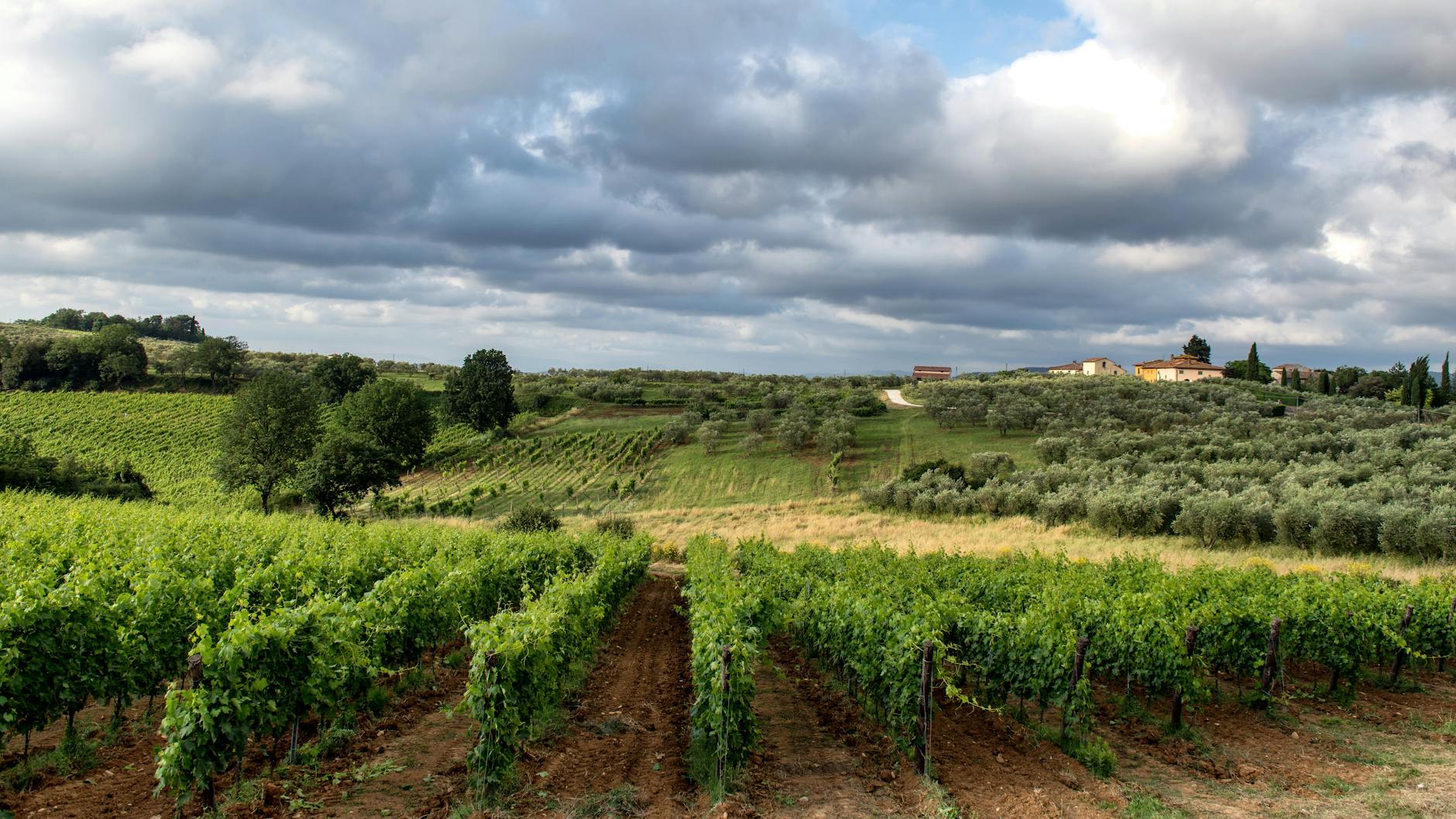
The classic first-timer's loop. Do the art in Florence, the medieval in Siena and San Gimignano, and slow down in the Val d'Orcia hill towns. Rent a car only for the rural stretch — the cities are train-friendly.

itineraries
Tuscan Wine Country
For people who plan their trips around cellar doors. Start in Chianti, work south to Montalcino and Montepulciano, and finish on the Bolgheri coast. A car is essential; a designated driver is wise.

itineraries
First-Timer's Italy: Rome, Florence & Venice
The trip most first-timers should take. Three anchors, all linked by fast train, each worth two or three nights. Don't try to add a fourth city — you'll just spend the trip on platforms.

itineraries
Rome & the Lazio Outback
Do Rome properly, then get out of it. Bracciano and Bolsena for volcanic lakes, Tivoli for the villas, and Civita di Bagnoregio for the dying town on a rock. A car for the last three days; the train for the rest.

itineraries
Venice & the Veneto
Venice is the anchor, but don't spend all seven days on it. Padua for Giotto, Verona for opera and Roman ruins, the Prosecco hills for a day, and Cortina for a mountain finish. Train between the cities; a car for the hills.

itineraries
The Northern Lakes
The most glamorous water in Italy, four lakes in one loop. Milan in and out, then Como for the drama, Garda for the family-friendly shore, Iseo for Franciacorta fizz, and Maggiore for the islands. A car for the lake-to-lake drives.
itineraries
The Food Cities of Emilia-Romagna
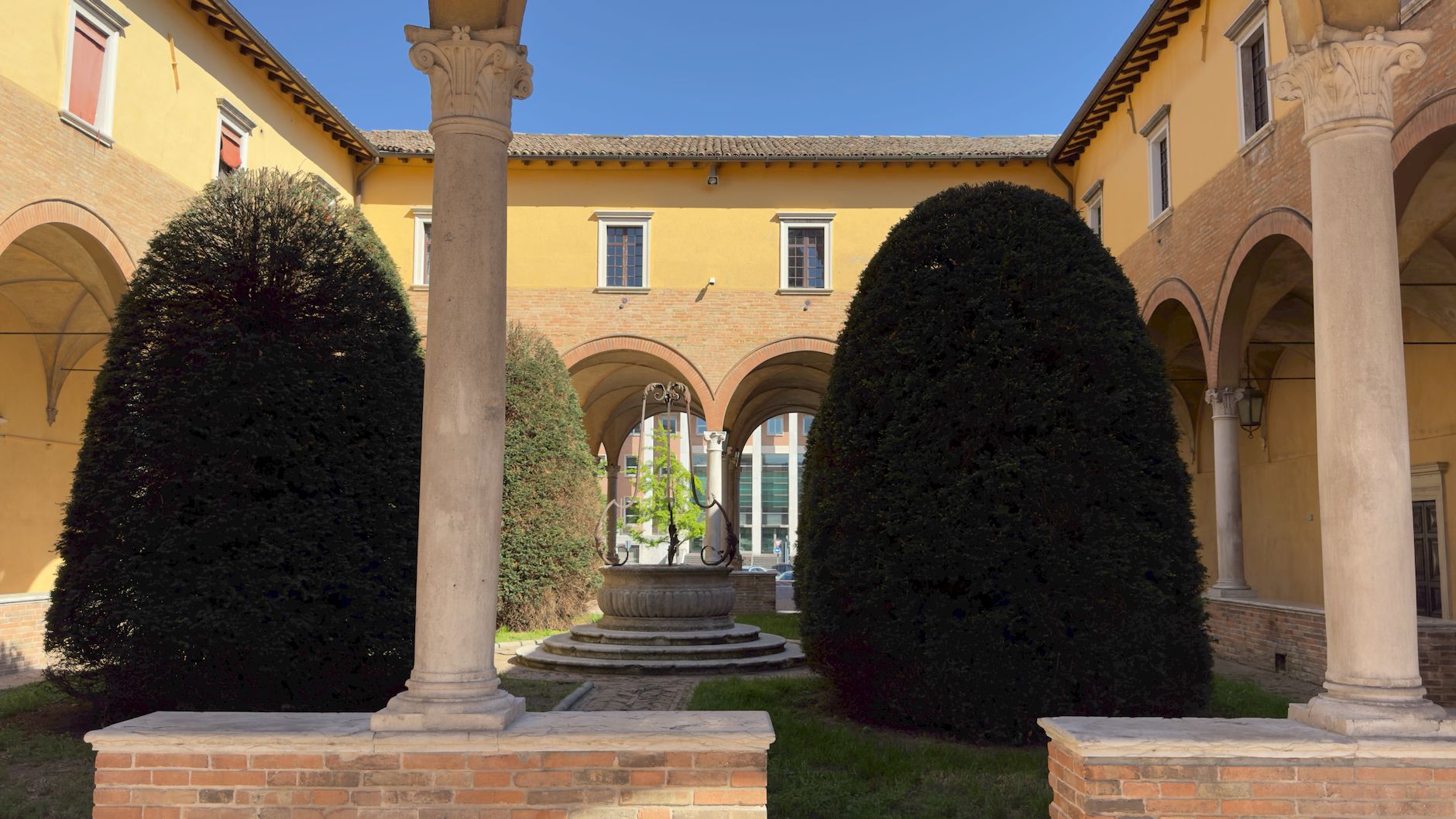
If you came to eat, this is the trip. Bologna as base, day trips to Modena (balsamic) and Parma (ham and cheese), Ferrara for a cycleable Renaissance city, and Ravenna for the Byzantine mosaics. Flat, train-friendly, and cheaper than Tuscany.

itineraries
Amalfi Coast & the Bay of Naples
The most intense coastal trip in Italy. Naples for the pizza and the chaos, Pompeii and Herculaneum for the ruins, then Sorrento as base for the Amalfi Coast and a day trip to Capri. Go shoulder season; August is a traffic jam.

itineraries
Sicily's Baroque Southeast
The most rewarding single week in Sicily. Catania as base, Syracuse for Greek ruins, Noto–Modica–Ragusa for the baroque hill towns, a day on Etna, and the Valley of the Temples at Agrigento. A car is essential.

itineraries
Sicily Grand Tour
The complete Sicily trip for travelers with two weeks. Palermo and the west, Etna and the east, and the baroque southeast. Long drives, real rewards — the deepest Italy trip you can take without leaving the country.
itineraries
Puglia: The Heel of Italy
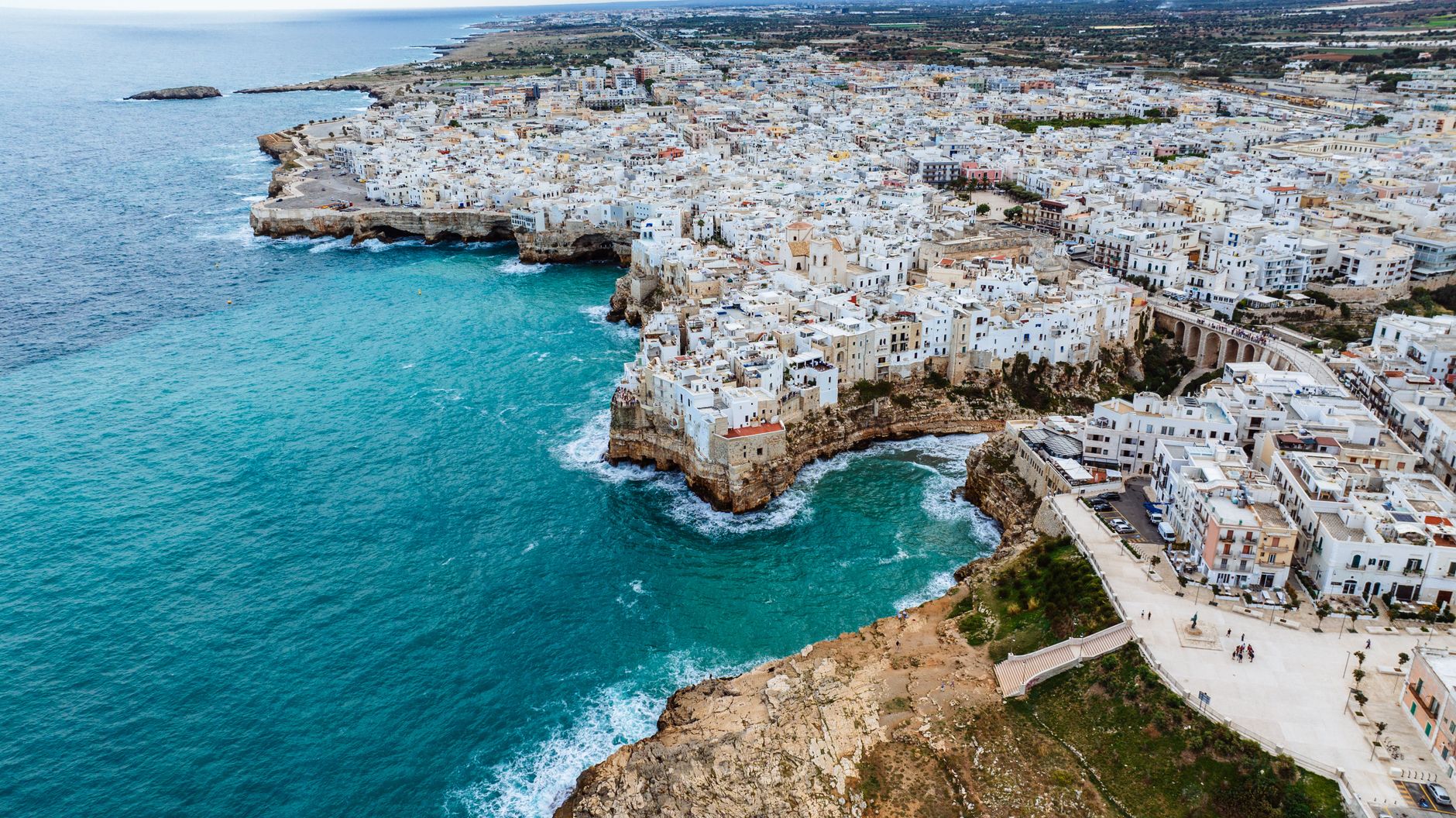
The best-value week in the south. Trulli in Alberobello, white Ostuni, baroque Lecce as base, and the Salento coast at the bottom. Flat, easy to drive, and cheaper than the Amalfi Coast. Go before it's fully discovered.

itineraries
Umbria: The Green Heart
The quiet alternative to next-door Tuscany. Assisi for the frescoes, Orvieto for the cathedral, Perugia for a real city, Spoleto, and Lake Trasimeno for a slow afternoon. Landlocked, green, and uncrowded. A car helps.
itineraries
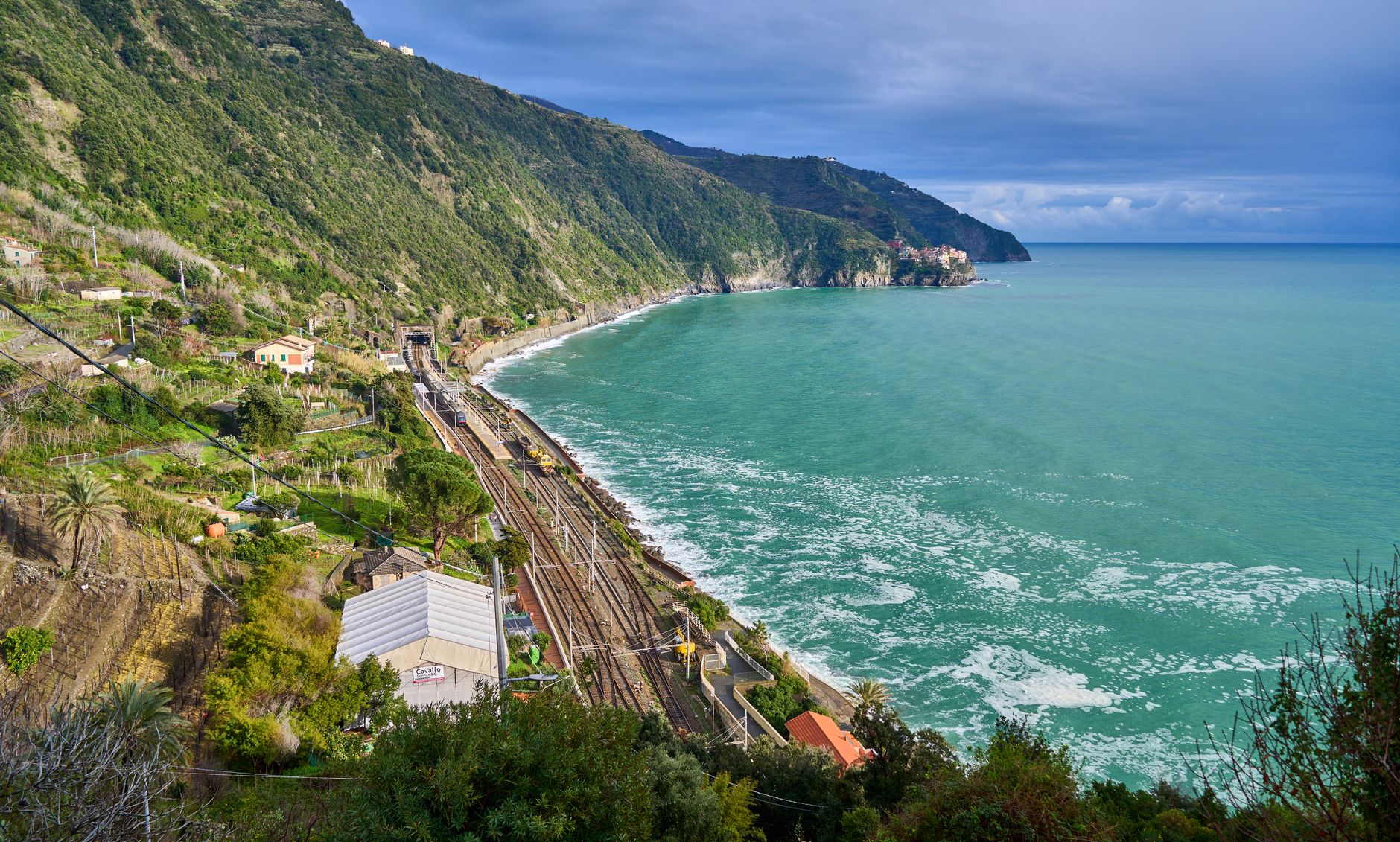
Cinque Terre & the Italian Riviera
The most photographed coast in Italy. Base in Genoa for the food and the grit, Santa Margherita or Camogli for Portofino, and hike one or two of the Cinque Terre villages. Go shoulder season — August is overwhelmed.
itineraries
The Dolomites
The mountain trip. Cortina as a base, the Sella Ronda for hiking or skiing, Lago di Carezza for the photo, and Ortisei in the Gardena valley. Austrian-Italian food, organized infrastructure, the cleanest corner of Italy.

itineraries
Piedmont Wine & Truffles
The connoisseur's Italy. Turin for the grand cafes, the Langhe for Barolo, Barbaresco, and white truffles in season, and Lago Maggiore for a quiet finish. Sophisticated, pricey, and far less crowded than Tuscany.

itineraries
Rome to Naples: Coast & Ruins
The ruins-and-coast version of the south. Rome in, Pompeii and Herculaneum, the Amalfi Coast, then keep going past the crowds to Paestum's Greek temples and the Cilento for a quieter, cheaper coast.

itineraries
Deep South: Basilicata & Calabria
For travelers who've done the famous south and want the raw version. Matera is unmissable; the rest is empty, mountainous, and fiery — the Lucanian Dolomites, the Calabrian coast at Tropea and Scilla, and the Sila forest. Hard to reach; worth it.

itineraries
Wild Abruzzo
The best-kept secret in central Italy. Real mountains, real medieval villages, and a national park an hour from Rome. Hike Gran Sasso, sleep in Santo Stefano di Sessanio, and eat the lamb. Cheaper and emptier than Umbria.

itineraries
The Marche & the Sibillini
The quiet central-Italy region between the Apennines and the Adriatic. Urbino for the Renaissance, Ascoli Piceno for the piazzas, the Sibillini for hiking, and the coast at Numana. Less famous than Tuscany, and the better for it.
itineraries
Islands of the Bay: Capri, Ischia & Procida
The island-hopper's short trip. Naples in, then Capri for the glamour (and the crowds), Ischia for the thermal beaches and the food, and tiny Procida for the colors. Ferries connect all three; no car needed.
comparisons
Rome vs Florence
Choose Florence if it's your first Italy trip and you want depth you can absorb on foot in 2–3 days — the Uffizi, the Duomo, the Ponte Vecchio, all close together. Choose Rome if you have more time (4+ days) and want scale, ruins, and the weight of a capital. If you can only do one and you've never been, Florence is the easier, more cohesive first taste; Rome rewards a longer, fuller visit.
comparisons
Venice vs Florence
Choose Venice if you want something you genuinely can't see anywhere else — there is no substitute for arriving by water and getting lost in the calli. Choose Florence if you want the densest, most walkable Renaissance art experience and easier logistics. Venice is the more unforgettable single day; Florence is the more rewarding longer stay. Do both if time allows; they pair better than any two cities in Italy.
comparisons
Rome vs Naples
Choose Rome for the monuments, the museums, and the polish of a world capital. Choose Naples for the street life, the pizza's birthplace, and a city that feels lived-in rather than staged for visitors. If you've done Rome already, Naples is the more surprising return trip. First-timers should still start in Rome.

comparisons
Milan vs Rome
Choose Rome for history, art, and the trip most people picture when they think of Italy. Choose Milan if you care about design, fashion, contemporary energy, or you're tagging a city onto a Lake Como or alpine trip. Milan is a great 2-day city; Rome needs 4.

comparisons
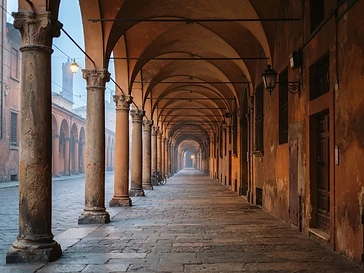
Bologna vs Florence
Choose Florence for the art and the postcard medieval-Renaissance atmosphere. Choose Bologna if food is the point of your trip — it's Italy's eating city, with the freshest, most grounded version of the cuisine most travelers think they know. Bologna is also cheaper, less crowded, and a better base. If you have a week, do both.

comparisons
Palermo vs Catania
Choose Palermo for the street markets, the Arab-Norman mosaic work, and the rawest city energy in Italy. Choose Catania for a cleaner Baroque base that puts you closer to Etna and the east coast. Palermo is the more memorable city; Catania is the more practical hub. If you're driving the whole island, do both.
comparisons
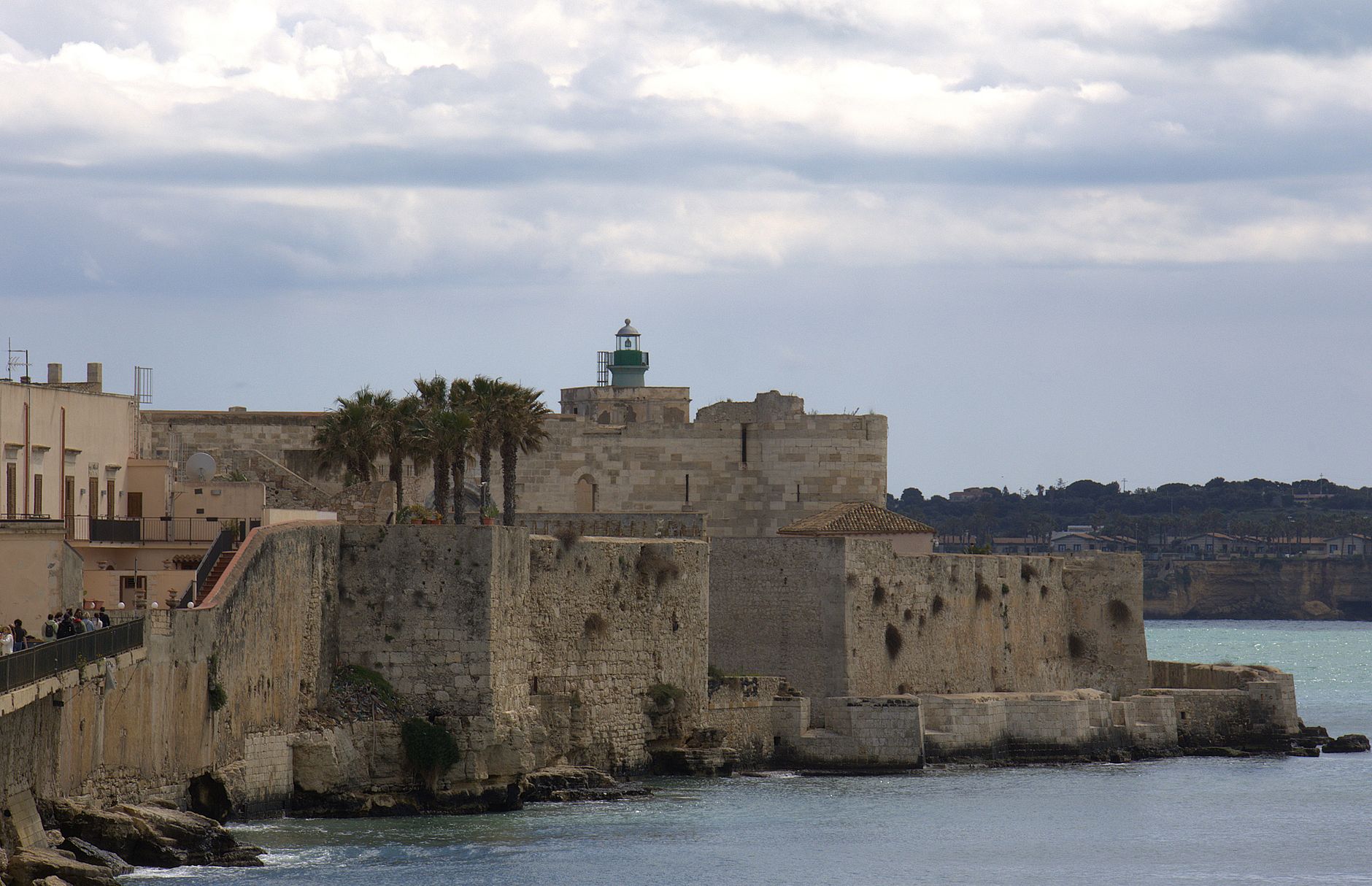
Syracuse vs Taormina
Choose Syracuse for the archaeology, Ortigia's livable old quarter, and a real working city. Choose Taormina for the views, the honeymoon atmosphere, and an easy base for Etna. Syracuse is the deeper, more authentic stop; Taormina is the prettier, more touristed one. Avoid Taormina in peak summer if you dislike crowds.

comparisons
Matera vs Alberobello
Choose Matera for the scale and the drama — it's a whole carved city you can stay in overnight, and it rewards two days. Choose Alberobello for the trulli, but know it's largely a day-trip destination and the most photographed zones are a theme park by midday. If you can only do one, Matera is the deeper experience; see Alberobello as a half-day stop on the way elsewhere.
comparisons
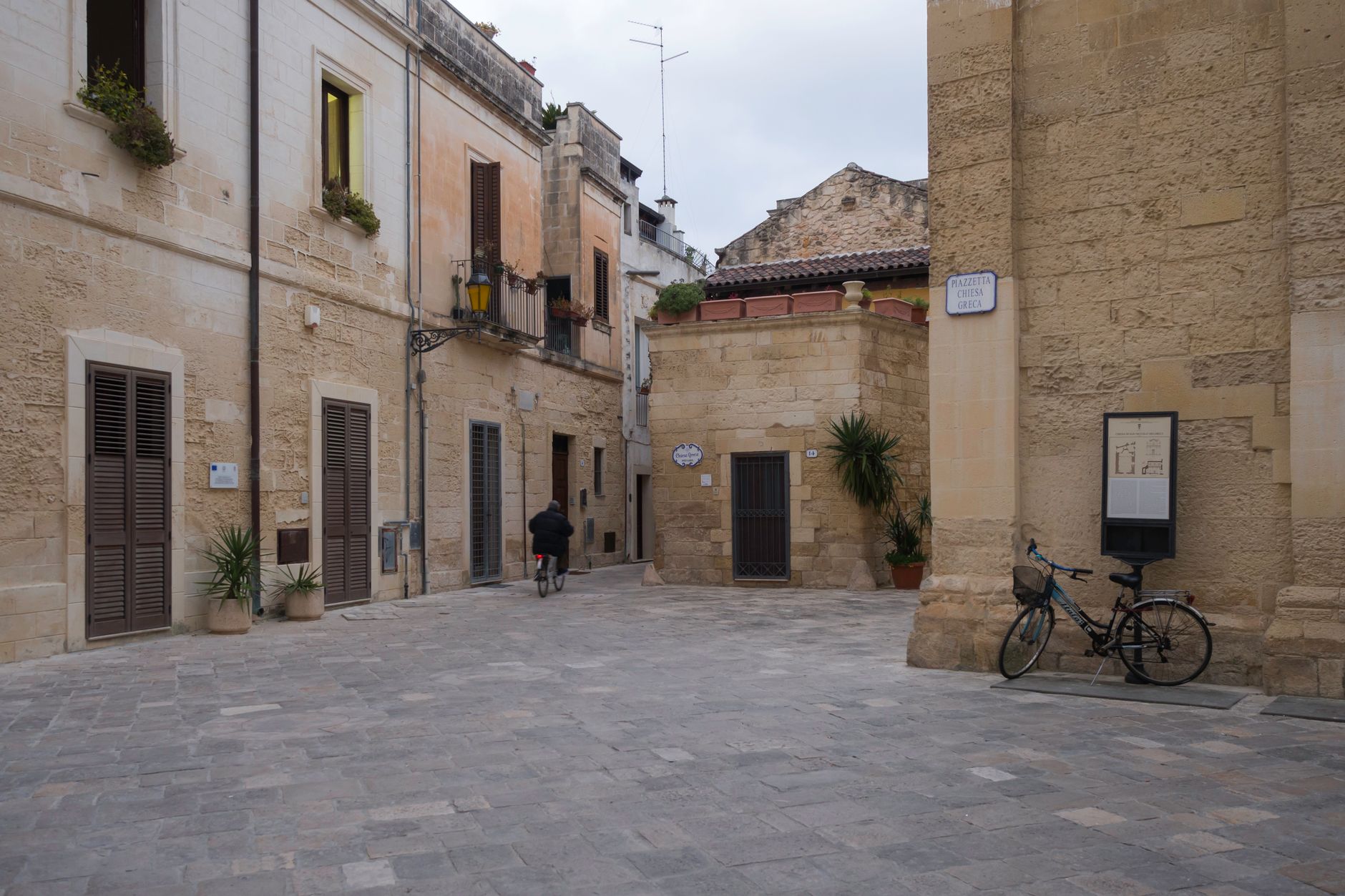
Lecce vs Ostuni
Choose Lecce if you want a real city with Baroque churches, good restaurants, and university energy — and a better base to sleep in. Choose Ostuni for the postcard white-town look and a slower, smaller stay. Lecce is the more substantial stop; Ostuni is the prettier day trip. Stay in Lecce, drive up to Ostuni.

comparisons
Assisi vs Orvieto
Choose Assisi for the religious weight, the Basilica frescoes, and the Umbrian hillside atmosphere. Choose Orvieto for the cathedral, the Etruscan caves, and an effortless stop right on the Rome–Florence train line. Orvieto is the better easy day trip; Assisi is the deeper, more specific experience if the Franciscan story matters to you.

comparisons
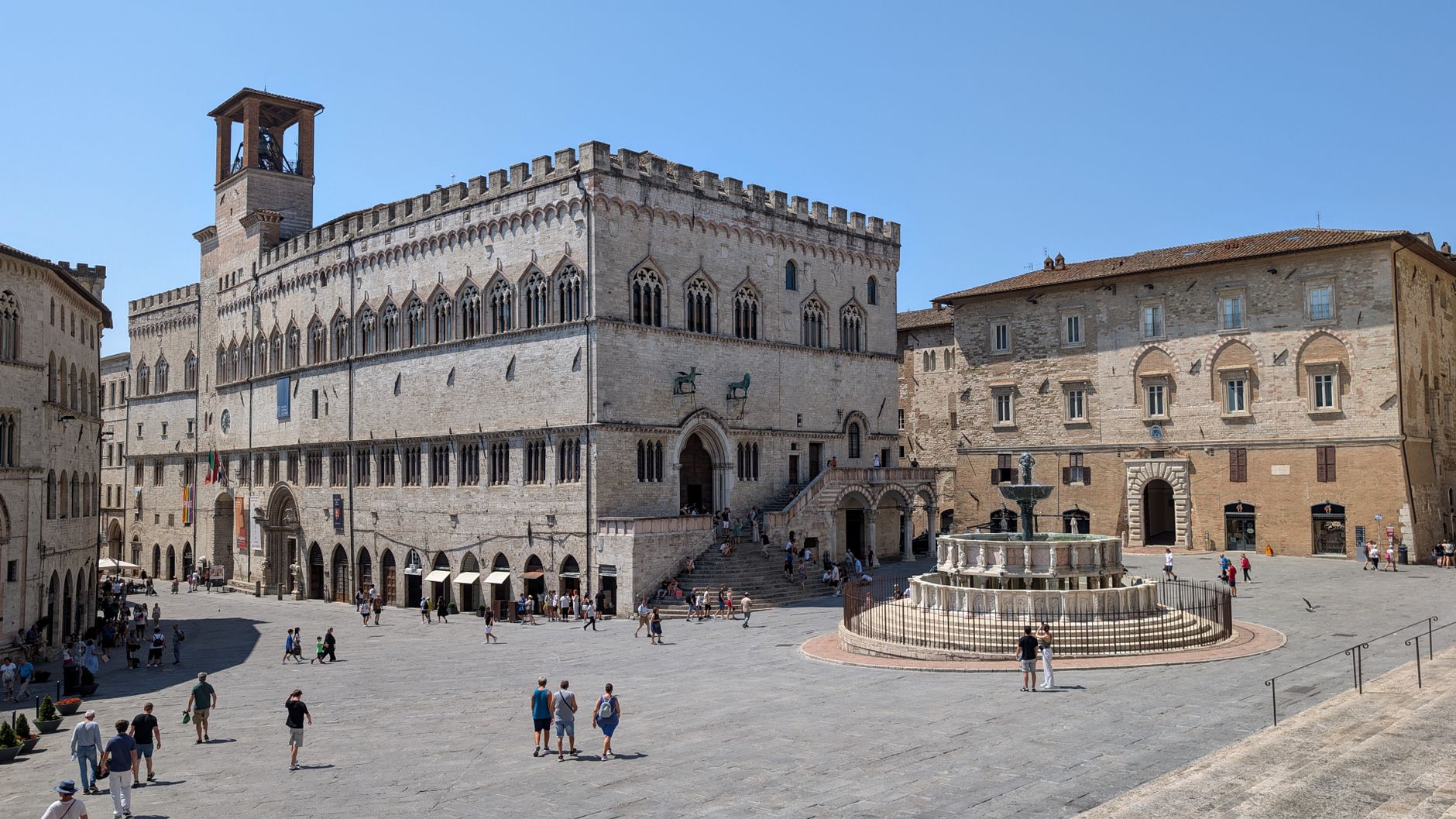
San Gimignano vs Siena
Choose San Gimignano for the skyline and a half-day stop — but expect crowds, and go early or late. Choose Siena for a full day or an overnight, real restaurants, and the most complete medieval cityscape in Italy. If time is short, do Siena and skip San Gimignano; the towers photograph well but the town empties of locals by dusk.
comparisons
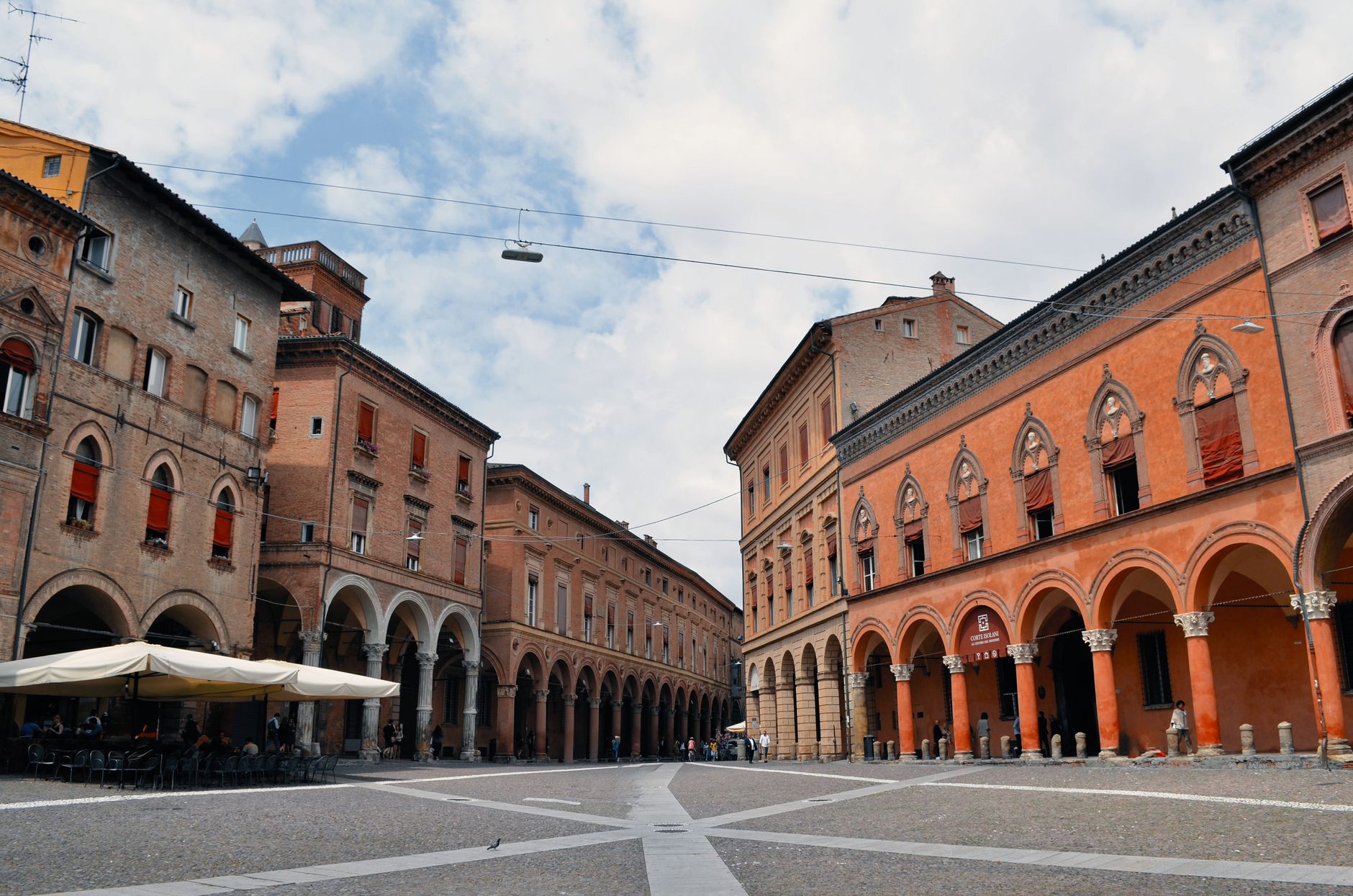
Perugia vs Siena
Choose Siena for the postcard medieval experience and the Campo. Choose Perugia for a less-touristed Umbrian base with a working university and a jazz festival. Siena is the better single visit; Perugia is the better base if you want to escape the crowds and radiate through Umbria.
comparisons
Ravenna vs Ferrara
Choose Ravenna for the mosaics — they're genuinely world-class and the reason to go. Choose Ferrara for a cycleable, livable Renaissance city with fewer tourists and a castle in the center. If you can only do one from Bologna, Ravenna is the more unmissable single sight; Ferrara is the more rewarding place to actually stay.

comparisons
Trieste vs Venice
Choose Venice for the obvious — there's nothing else like it, and first-timers should not skip it. Choose Trieste if you've already done Venice, or you want a grown-up, caffeinated, Mitteleuropean city with sea air and no crowds. Trieste is the better place to slow down; Venice is the one you can't replace.

comparisons
Amalfi Coast vs Cinque Terre
Choose the Amalfi Coast for the glamour, the sea views from a rented villa, and a relaxed resort base like Positano or Ravello. Choose Cinque Terre for hiking between villages, a more rugged and egalitarian feel, and a tighter budget. Amalfi is the better splurge and the easier trip if you don't want to walk; Cinque Terre is the better trip if you do. Avoid both in peak July–August.
comparisons
Capri vs Ischia
Choose Capri for the sheer drama of the Faraglioni and the Blue Grotto — and accept that you'll share it with thousands. Choose Ischia for thermal gardens, a castle, slower villages, and an island that Italians themselves holiday on. Ischia is the better overnight; Capri is the better day trip if you must tick the box.

comparisons
Positano vs Ravello
Choose Positano if you want the Amalfi Coast you've seen in photographs — the beach, the boutiques, the vertical scene — and don't mind the crowds or the climb. Choose Ravello for the gardens, the views from above, the music festival, and a calmer, more grown-up stay. Ravello is the better base; Positano is the better day photo.

comparisons
Lake Como vs Lake Garda
Choose Lake Como for the romance, the deep-blue fjord scenery, and a shorter, more luxurious stay around Bellagio or Varenna. Choose Lake Garda for more variety — sailing in the south, mountains in the north, theme parks, and a longer, more family-friendly trip. Como is the better honeymoon; Garda is the better week.