The Atlas — Wine
Wine
Italy's appellations and wine regions, judged the same way as the destinations. What a region actually grows, what defines its best bottles, and whether it's worth a detour or a whole day.
29 entries

Wine Appellation · Piemonte
Barolo DOCG
The king of Italian reds. Nebbiolo at its most powerful and age-worthy, from five communes (Barolo, La Morra, Serralunga d'Alba, Monforte d'Alba, Castiglione Falletto) that each give a different expression. Book tastings in advance — the best producers are small, family-run, and don't do walk-ins. Base in Alba and drive out, or stay in a village for the immersive version.

Wine Appellation · Piemonte
Barbaresco DOCG
Barolo's more aromatic, earlier-drinking sibling, from four communes (Barbaresco, Neive, Treiso, Trezzo Tinella) east of Alba. Slightly under the radar of casual wine tourists, which makes the experience quieter and the prices gentler. For serious Nebbiolo drinkers, some argue it's the more elegant expression.

Wine Appellation · Toscana
Brunello di Montalcino DOCG
Tuscany's most age-worthy Sangiovese, 100% from the Brunello clone, aged a minimum of five years before release. Montalcino itself is a gorgeous, well-preserved medieval town. The wine is priced for collectors, not casual sippers — but the region delivers consistently, and the Val d'Orcia landscape around it is among Tuscany's best.

Wine Appellation · Toscana
Chianti Classico DOCG
The heart of Chianti — the original historic zone, demarcated in 1716, between Florence and Siena. The best quality-to-name-recognition ratio in Italian wine: accessible, consistent, and the landscape is what people picture when they imagine Tuscany. The Black Rooster (Gallo Nero) seal marks the Classico zone.

Wine Appellation · Veneto
Amarone della Valpolicella DOCG
The big, dried-grape red of Valpolicella. Grapes are laid on bamboo racks (in fruttaio) to dry through winter, concentrating sugars and flavors before a slow fermentation. Powerful, expensive, and divisive — some find it profound, others find it exhausting. Worth tasting once to know where you land. The sweet version, Recioto, is the original.

Wine Appellation · Toscana
Bolgheri DOC
Where Super Tuscans were born. Sassicaia, Ornellaia, Guado al Tasso — international varieties on coastal Tuscan soil, made in a way that was illegal under Italian wine law until the laws caught up with the quality. International prices, but genuinely world-class. The cypress avenue and the coastal location are a bonus.
Wine Appellation · Toscana
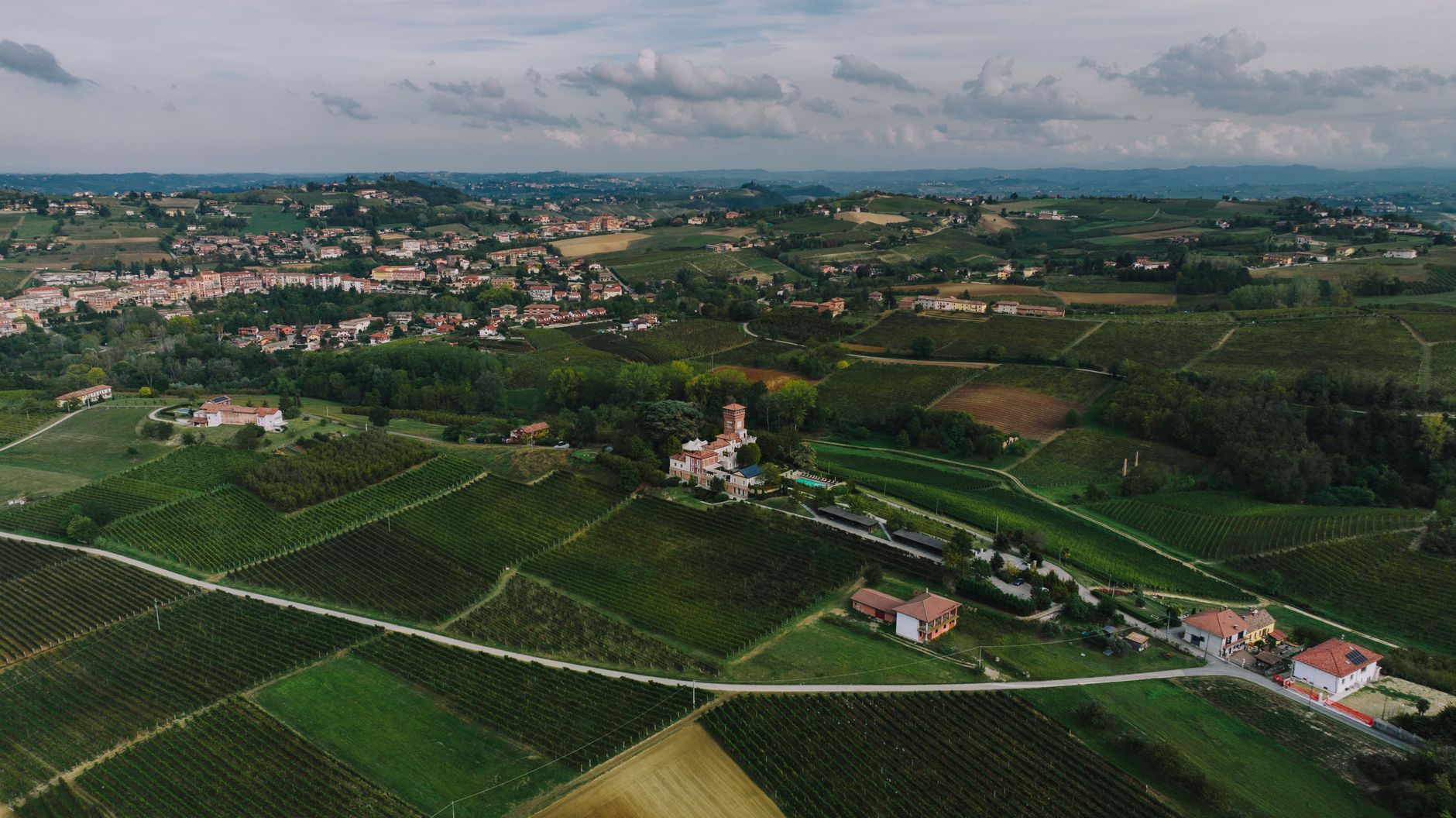
Vino Nobile di Montepulciano DOCG
The most underappreciated of Tuscany's big three (after Chianti Classico and Brunello). Same grape, different town, gentler prices, and Montepulciano is a beautiful base.

Wine Appellation · Umbria
Sagrantino di Montefalco DOCG
One of Italy's most tannic, age-worthy reds, from a grape almost nobody grows anywhere else. A serious wine for serious drinkers, and Umbria is far less crowded than Tuscany.

Wine Appellation · Campania
Taurasi DOCG
The Barolo of the South — Aglianico at its most structured and age-worthy. Proof that southern Italy makes world-class reds, not just easy-drinking ones. Far off the usual tourist track.

Wine Appellation · Basilicata
Aglianico del Vulture DOC
Volcanic-soil Aglianico from one of Italy's least-visited regions. Rugged, tannic, and a genuine adventure to seek out — this is the deep cut for wine travelers who've done the famous regions.

Wine Appellation · Sicilia
Nero d'Avola
Sicily's most important red. The cheap versions are everywhere; the good versions — from older vines, lower yields, and serious producers — are some of the best value reds in Italy.
Wine Appellation · Sicilia
Etna Rosso DOC
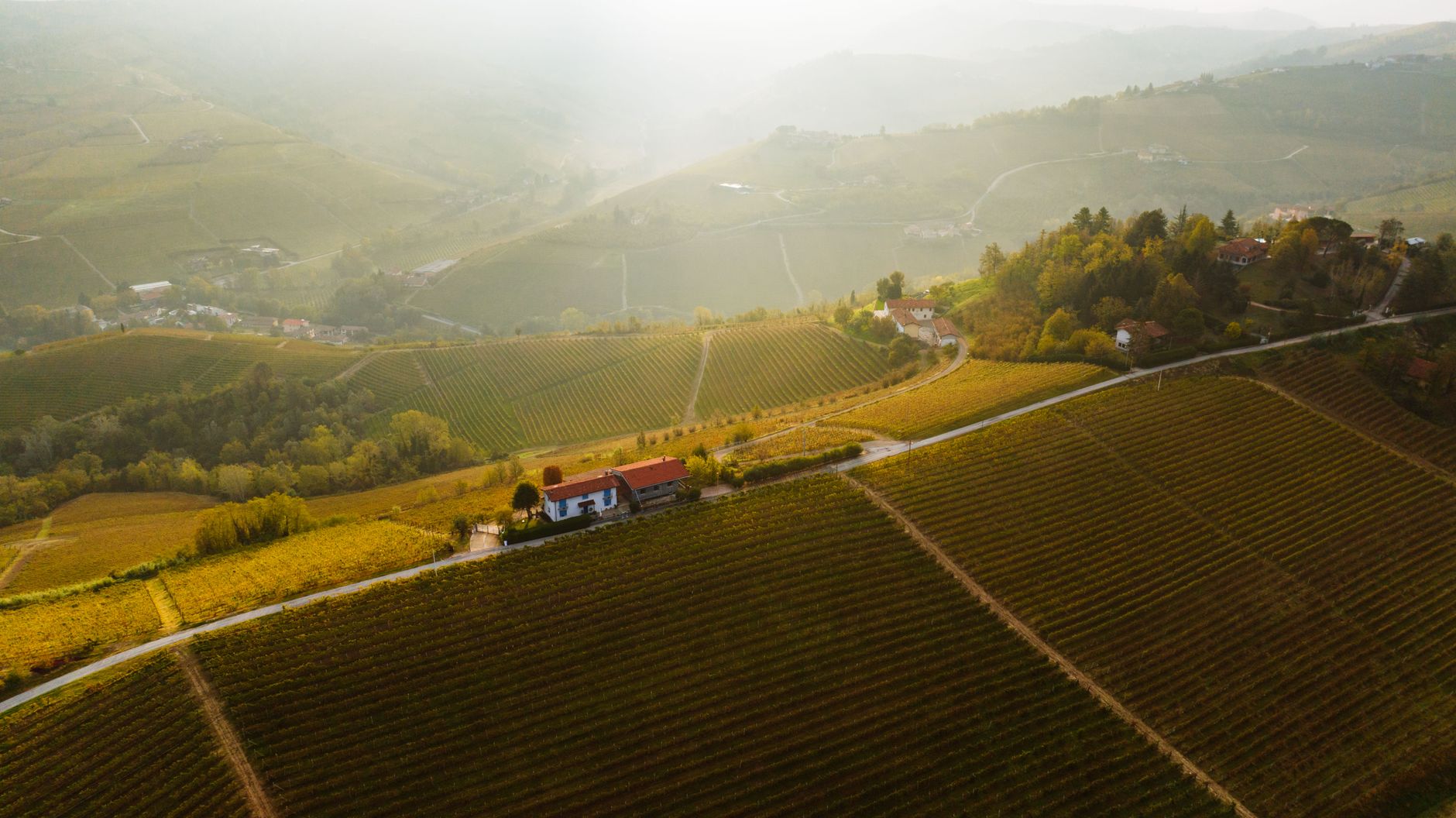
Volcanic wine from the slopes of an active volcano — one of Italy's most exciting regions. Nerello Mascalese, on black volcanic ash, gives a red that's pale, nervy, and Burgundian in structure: high-toned, mineral, and capable of aging. The landscape, with Etna smoking behind the vines, is unforgettable. This is the region that made the wine world pay attention to Sicily.

Wine Appellation · Lombardia
Franciacorta DOCG
Italy's Champagne — made the same traditional way, with the second fermentation in the bottle and long lees aging. Far less famous than Prosecco but far more serious: more structure, more complexity, more price. Worth seeking out and worth the cost for anyone who takes sparkling wine seriously.
Wine Appellation · Veneto
Prosecco di Valdobbiadene DOCG
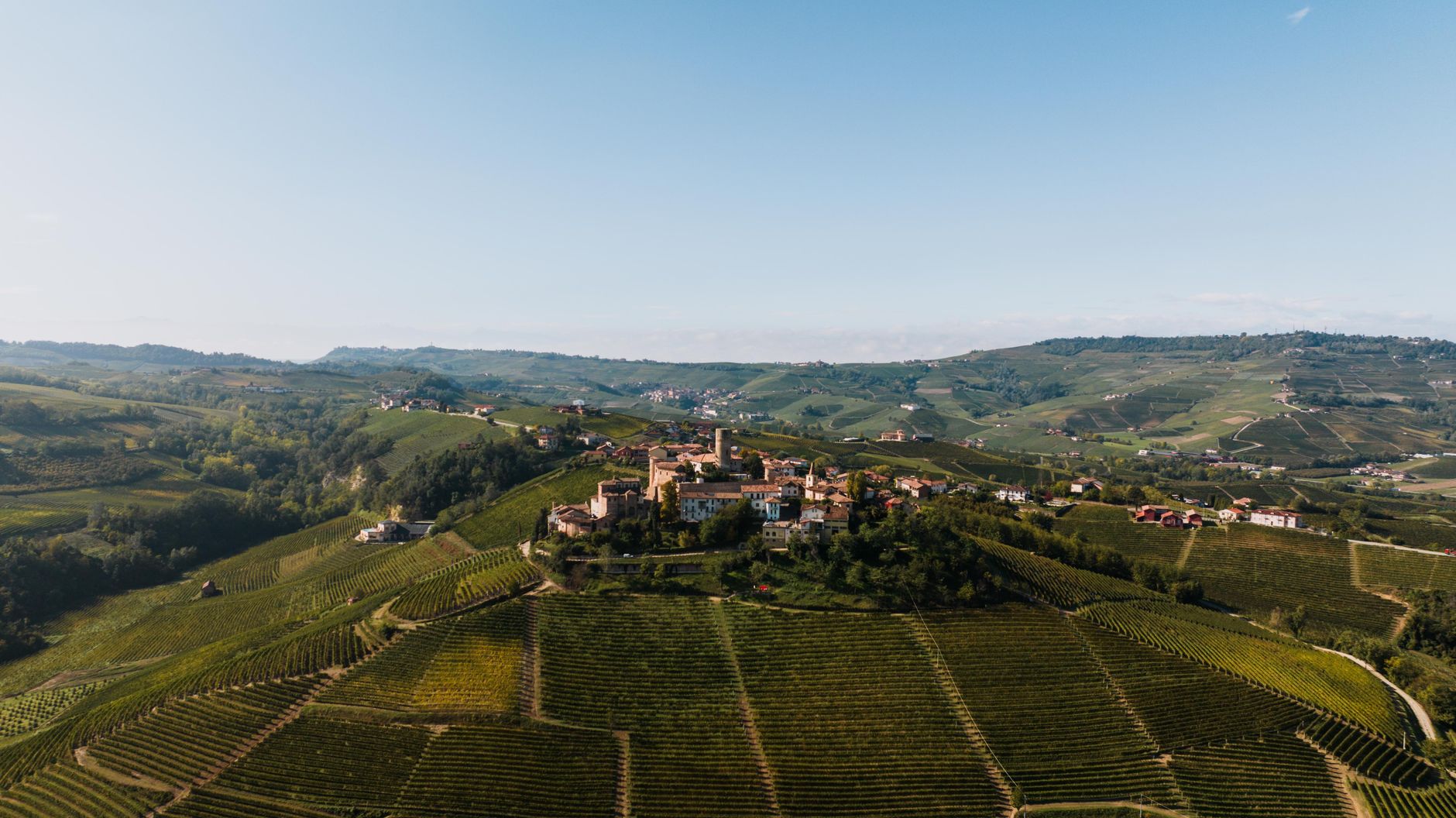
The world's best-selling sparkling wine — but the good stuff, from the steep Valdobbiadene hills and the Cartizze hilltop, is genuinely fine, with a delicacy and orchard-fruit character the supermarket tank version can't touch. The landscape is a UNESCO World Heritage site for a reason: impossibly steep hills, hand-harvested vines, and a wine route that's one of the easiest day trips from Venice or Treviso.

Wine Appellation · Trentino-Alto Adige
Trento DOC
The sparkling wine most people haven't heard of but should have. Traditional method, Alpine grapes, rigorous standards. If you like Franciacorta, you'll like this — often for less money.

Wine Appellation · Veneto
Soave DOC
Unfairly known for the thin, mass-market version. The real Soave — from old-vine Garganega on the volcanic Soave Classico hills — is one of Italy's most underrated whites. Seek out the Classico zone.

Wine Appellation · Sardegna
Vermentino di Gallura DOCG
The white that proves Sardinia makes serious wine, not just beach wine. Granite soils give it a minerality no other Vermentino matches. Perfect with the island's seafood — and you're on a beach.

Wine Appellation · Piemonte
Gavi di Gavi DOCG
The most famous Piedmontese white — crisp, dry, and food-friendly. The best bottles come from vineyards within the commune of Gavi itself ('Gavi di Gavi'). Reliable and widely available.

Wine Appellation · Campania
Greco di Tufo DOCG
One of southern Italy's great whites — flinty, mineral, built for aging more than most people expect. Pairs with the region's food in a way no imported grape could.

Wine Appellation · Campania
Fiano di Avellino DOCG
The white that changes minds about Italian white wine. Textured, honeyed, and capable of aging for a decade. Mastroberardino put it on the map and it's only gotten better.

Wine Appellation · Sicilia
Etna Bianco DOC
If Etna Rosso is exciting, Etna Bianco is revelatory. Carricante on volcanic ash gives a saline, mineral white unlike anything in Italy. The sommelier favorite, and for good reason.
Wine Appellation · Toscana
Vernaccia di San Gimignano DOCG
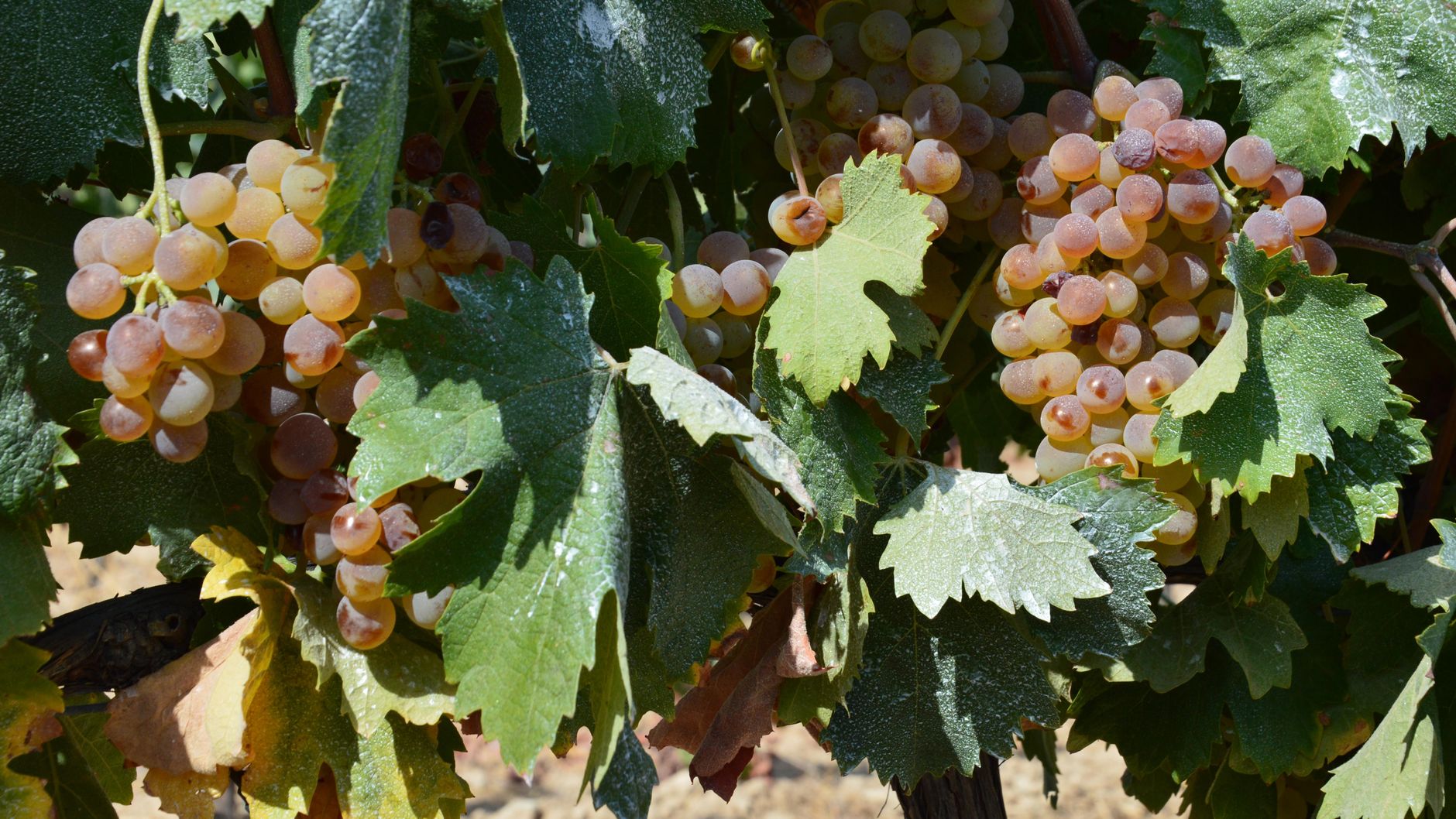
Tuscany's only notable indigenous white, and it's been famous since the Renaissance. Crisp, slightly almond-bitter, and the perfect break from a diet of red. The towers of San Gimignano are right there.

Wine Appellation · Marche
Verdicchio dei Castelli di Jesi DOCG
Quietly one of Italy's best whites. Verdicchio has the body and the acidity to age, and the best producers make wines that rival much more famous (and expensive) whites. Marche is the region wine lovers visit to escape Tuscany.

Wine Region · Piemonte
Langhe
The single best wine region in Italy to base yourself if you're serious about both wine and food. Barolo and Barbaresco are the headline, but the hazelnut groves, the white truffle fair in Alba, and the cooking of Le Langhe make it a complete trip. The landscape is a UNESCO World Heritage site. Go in autumn for the full effect.
Wine Region · Toscana
Chianti
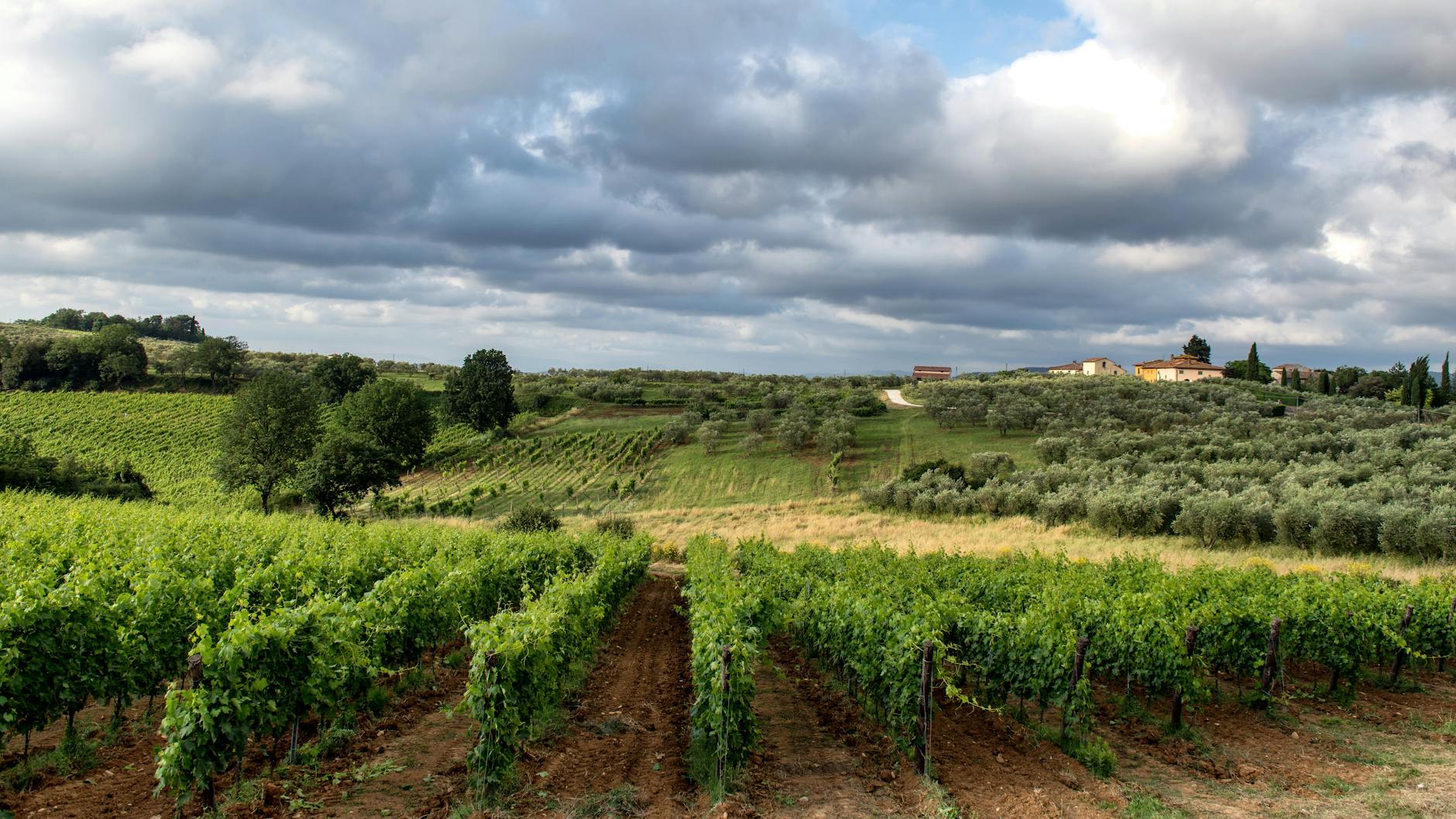
The wine landscape everyone pictures when they think of Tuscany. Chianti Classico is the historic core, demarcated in 1716; the broader Chianti zone spreads across seven sub-regions. It's touristy because it's genuinely beautiful — cypress trees, stone farmhouses, and rolling vineyards. Go in shoulder season if you can, and stay off the main road.

Wine Region · Veneto
Valpolicella
The home of Amarone, and an easy day trip from Verona. The valley is pretty, the wineries are well-organized for visitors, and Verona gives you a real city to come back to at night. The most accessible serious wine region in Italy — you don't need to commit a full week to understand it.

Wine Region · Toscana
Montalcino
A beautiful hill town surrounded by the most expensive vineyards in Tuscany. Brunello is the draw, but Montalcino itself is one of the better-preserved medieval towns in the region. Combine with Montepulciano and Pienza for a Val d'Orcia base — the landscape between them is the iconic Tuscan view.

Wine Region · Sicilia
Etna Wine Region
The most exciting wine region in Italy right now. Volcanic soils, old bush-trained vines, and a mountain that's actively erupting behind the wineries. The whites (Carricante) are mineral and saline; the reds (Nerello Mascalese) are nervy and Burgundian. Both unlike anywhere else. Combine with Catania and Taormina for a complete eastern Sicily trip.

Wine Region · Lombardia
Franciacorta Wine Region
Italy's Champagne country, on the glacial hills south of Lake Iseo. Compact, well-organized for visitors, and a genuine alternative to Champagne at lower prices for comparable quality. Pair with a day on Lake Iseo for a relaxed long weekend — the lake is one of Italy's most underrated.