The Verdict
The most underappreciated of Tuscany's big three (after Chianti Classico and Brunello). Same grape, different town, gentler prices, and Montepulciano is a beautiful base.
Why go
Tuscan noble red at the best value — and a lovely Renaissance town to stay in.
The Field Guide take
Vino Nobile di Montepulciano is a red wine appellation centered on the town of Montepulciano in the province of Siena. Often grouped with Chianti Classico and Brunello di Montalcino as one of Tuscany’s three essential Sangiovese-based wines, it occupies a distinct position in the region’s landscape. While it shares a primary grape variety with its neighbors, it maintains a unique historical profile and a consistent, mid-weight style that frequently offers better value for money than the more internationally famous Tuscan labels.
The place
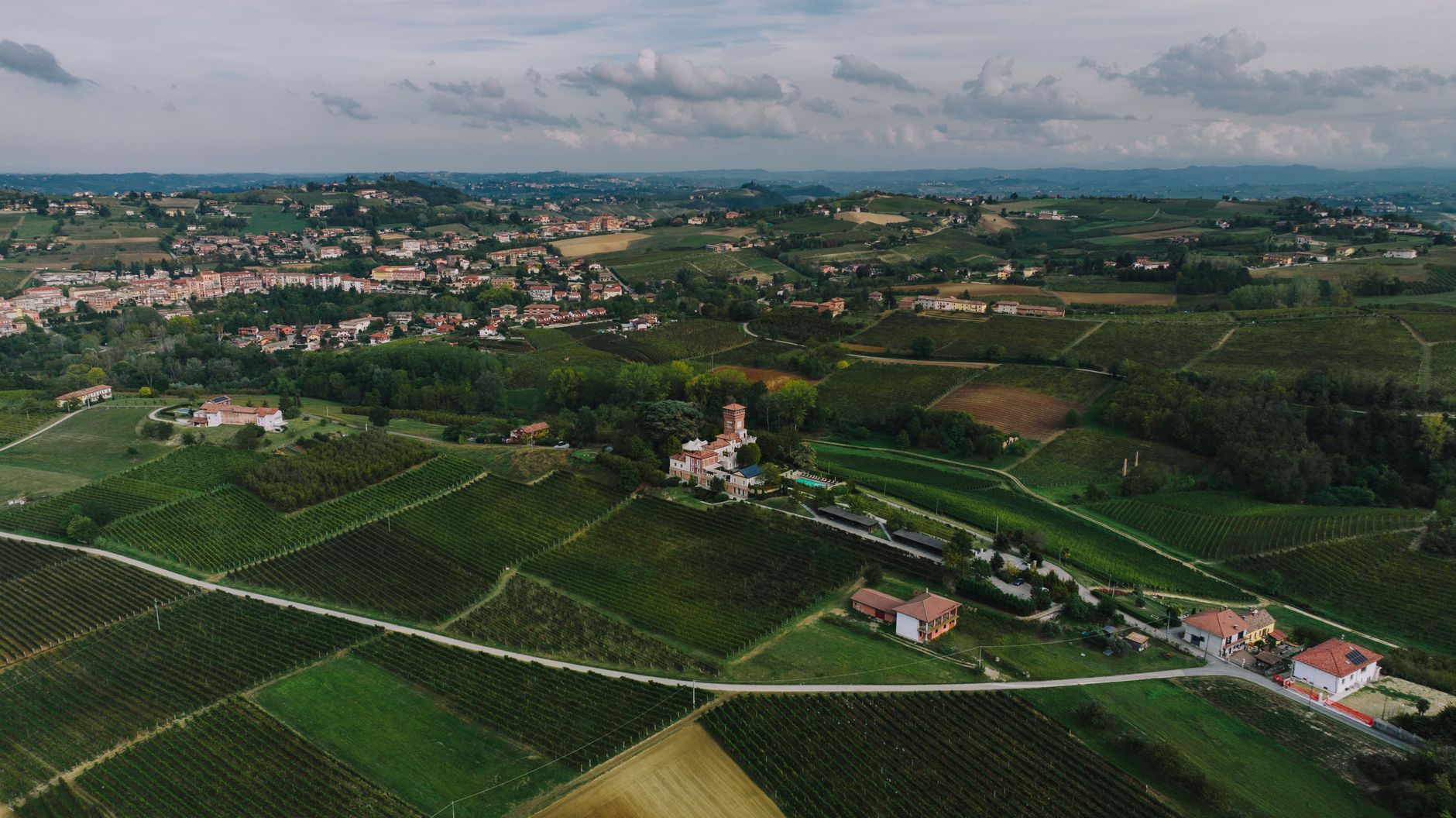
Montepulciano sits atop a ridge in southern Tuscany, overlooking the Chiana and Orcia valleys. The town itself is a concentration of Renaissance architecture, characterized by steep, narrow streets that terminate at the Piazza Grande. Unlike some Tuscan wine villages that are merely transit hubs for vineyard tours, Montepulciano is a working town with a long history of wine production. It has been documented as a center of viticulture for centuries, and historical records often cite it as the preferred wine of the Medici family and the early popes.
The land and grapes
The terroir of the Nobile appellation is defined by high-altitude vineyards located between 250 and 600 meters above sea level. The soil composition is primarily clay and limestone, a combination that provides the necessary drainage for Sangiovese while allowing for consistent moisture retention during the dry Tuscan summers.
The local strain of Sangiovese is known as Prugnolo Gentile. While it is genetically identical to the Sangiovese found elsewhere in Tuscany, the local climate and the specific clonal selection favor a wine with structured tannins and a savory, red-fruit profile. Regulations require a minimum of 70% Sangiovese in the blend, though many producers work with higher percentages or use the full 100%. Small amounts of other local varieties, such as Canaiolo or Mammolo, are often added to soften the acidity and flesh out the mid-palate.
The wines
Vino Nobile di Montepulciano is produced with an emphasis on balance. In terms of winemaking, the region has a tradition of using smaller oak vessels for maturation, which differentiates it from the traditional large-cask aging common in the nearby Montalcino region. This practice tends to integrate the oak influence more quickly, resulting in a wine that is approachable upon release but maintains the structure to age for three to eight years after the vintage.
Because the tannins in Nobile are generally polished rather than aggressive, the wine functions well as a reliable partner at the dinner table. It avoids the lean, acidic profile of entry-level Chianti and the heavy, slow-to-evolve intensity of Brunello, landing instead in a middle ground that prizes fruit clarity and moderate spice.
Visiting
Visiting Montepulciano is straightforward, as the town is well-integrated into the regional infrastructure of southern Tuscany. It is a suitable base for a multi-day stay, particularly for those who prefer to walk between historic sites rather than rely entirely on a car. Many of the historical cellars—some of which predate the buildings above them—are located directly beneath the town center and are open for tours and tastings.
The best time to visit is during the shoulder seasons of spring and early autumn, when the climate is moderate. Because the town is a tourist destination, summer can become crowded; if traveling during peak season, it is advisable to book cellar visits in advance. It is worth noting that while Nobile is a high-trust, high-quality appellation, it lacks the international name recognition of the most famous Tuscan estates. Travelers seeking prestige labels may find the options here less familiar, but those interested in exploring consistent, high-quality regional production will find a high density of skilled, independent producers.
What to eat with it
The food of the Siena province is rustic and ingredient-focused, mirroring the character of the wine. Pici—a thick, hand-rolled pasta made simply from flour and water—is the regional standard. It is most commonly served with aglione, a sauce made from local garlic and tomatoes, which provides a bright, acidic contrast to the savory notes of the Prugnolo Gentile grape. Because Vino Nobile is a mid-weight red, it also pairs effectively with grilled poultry, roasted rabbit, or the game meats frequently found on menus in the southern Tuscan interior.
The Story
Where Vino Nobile di Montepulciano DOCG comes from
Vino Nobile has ancient roots, often cited as the favorite of the Medici family. It sits in the shadow of its more famous Tuscan neighbors but offers a consistent, mid-weight expression of Sangiovese. It is a workhorse wine that deserves more attention.
What Defines It
Defining grapes & terroir
Prugnolo Gentile
The local name for a Sangiovese clone that produces slightly rounder, friendlier tannins.
Clay-limestone
Offers a middle-ground texture, less austere than Brunello.
The Method
How it's made
Often aged in smaller oak than the big guns of the north, giving the wine a polished, approachable texture upon release. The focus is on balance between fruit and moderate spice.
Timing
When to drink it
Best 3-8 years from vintage; drink with dinner.
Serve With
Classic pairings
Pici pasta with garlic and tomato
foodLocal rustic food that matches the wine's medium body.
Grilled poultry
foodThe acidity of the wine cuts through the simple char of the meat.
What makes it worth going
Sangiovese-based red from Montepulciano — the third of Tuscany's noble reds, often the best value.
Things to do
- Main Piazza
Piazza Grande
The heart of the town; perfect for people-watching with a glass of local wine.
1 hour
- Vineyard Walk
Cantina Tour
Many historic cellars are built directly under the town's palazzo foundations.
Half day
- Viewpoint
Fortezza Medicea
The highest point in town; provides a stunning 360-degree view of the Val d'Orcia.
1 hour
Eat
- Dish
Pici all'Aglione
Thick, hand-rolled pasta with a garlicky tomato sauce; the local pride.
- Dish
Chianina Beef
Tuscany's famous heritage cattle; best served as a rare Bistecca Fiorentina.
Stay
- Neighborhood
Centro Storico
Steep but atmospheric; you are steps away from all the enoteche.
- Neighborhood
Val d'Orcia Rural Zone
Stay on an agriturismo nearby for the quintessential Tuscan farmhouse experience.
What's nearby & pairs with
More wine from Toscana
Wine Appellation
Brunello di Montalcino DOCG
100% Sangiovese from the hill town of Montalcino — Tuscany's most structured, age-worthy, and expensive red, from a small, strictly defined zone.
Wine Appellation
Chianti Classico DOCG
Sangiovese-based red from the original historic Chianti zone between Florence and Siena — the most famous wine landscape in Italy.
Wine Appellation
Bolgheri DOC
Coastal Tuscan appellation on the Bibbona plain — where Super Tuscans were born, with Bordeaux varieties that broke Italian wine rules and won.
Wine Appellation
Vernaccia di San Gimignano DOCG
Tuscany's most historic white — Vernaccia from the hills around San Gimignano.
Getting there & around
Train
Limited or no direct rail access.
Car
A car adds value here.
We don't publish real-time schedules. Confirm train times on Trenitalia or Italo, and check current ZTL boundaries locally.
Ready to plan?
Ready to turn discovery into a trip?
Italy Field Guide helps you decide where to go. When you're ready to build the actual day-by-day itinerary, take your saved places to Travel Itinerary Co — your interests go with you.
Turn your saved Italy places into a trip