The Atlas — Wine
Wine
Italy's appellations and wine regions, judged the same way as the destinations. What a region actually grows, what defines its best bottles, and whether it's worth a detour or a whole day.
9 entries

Wine Region · Toscana
Source VerifiedChianti
Chianti is a landscape rather than a destination, and the way to use it is to pick one village and stay two nights rather than driving between ten. Greve, Radda, and Castellina are the practical bases. Skip the Chiantigiana in August and go in October.

Wine Appellation · Toscana
Source VerifiedRosso di Montalcino DOC
Rosso di Montalcino is the practical answer to Brunello's prices: same grape, same hills, less oak and less time in barrel. It is not a lesser wine so much as a different one, and for a lunch in the town it is the correct order.
Wine Appellation · Toscana
Source VerifiedVino Nobile di Montepulciano DOCG
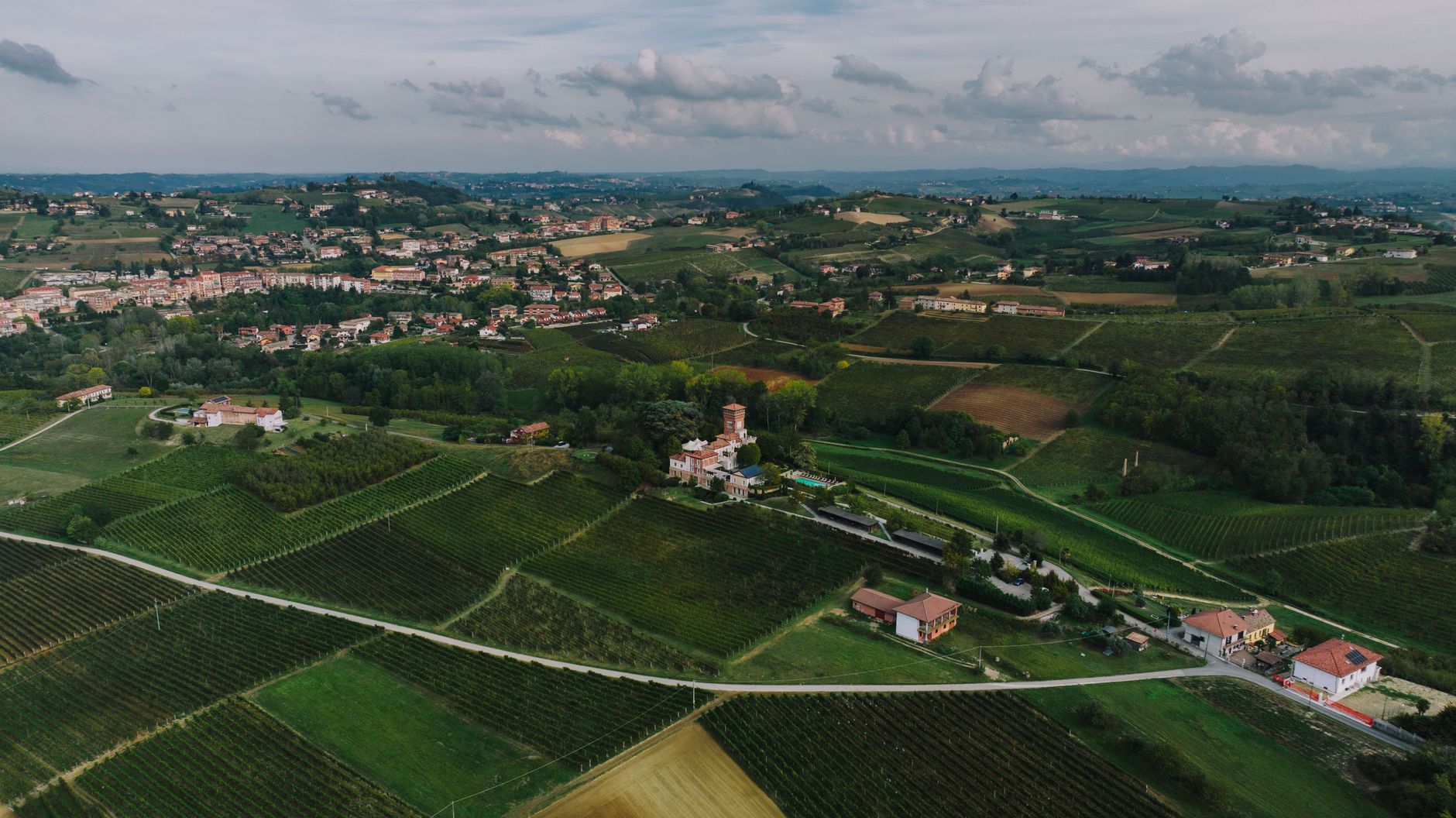
The most underappreciated of Tuscany's big three (after Chianti Classico and Brunello). Same grape, different town, gentler prices, and Montepulciano is a beautiful base.

Wine Appellation · Toscana
Source VerifiedBrunello di Montalcino DOCG
Tuscany's most age-worthy Sangiovese, 100% from the Brunello clone, aged a minimum of five years before release. Montalcino itself is a gorgeous, well-preserved medieval town. The wine is priced for collectors, not casual sippers — but the region delivers consistently, and the Val d'Orcia landscape around it is among Tuscany's best.

Wine Appellation · Toscana
Source VerifiedBolgheri DOC
Where Super Tuscans were born. Sassicaia, Ornellaia, Guado al Tasso — international varieties on coastal Tuscan soil, made in a way that was illegal under Italian wine law until the laws caught up with the quality. International prices, but genuinely world-class. The cypress avenue and the coastal location are a bonus.

Wine Appellation · Toscana
Source VerifiedChianti Classico DOCG
The heart of Chianti — the original historic zone, demarcated in 1716, between Florence and Siena. The best quality-to-name-recognition ratio in Italian wine: accessible, consistent, and the landscape is what people picture when they imagine Tuscany. The Black Rooster (Gallo Nero) seal marks the Classico zone.
Wine Appellation · Toscana
Source VerifiedVernaccia di San Gimignano DOCG
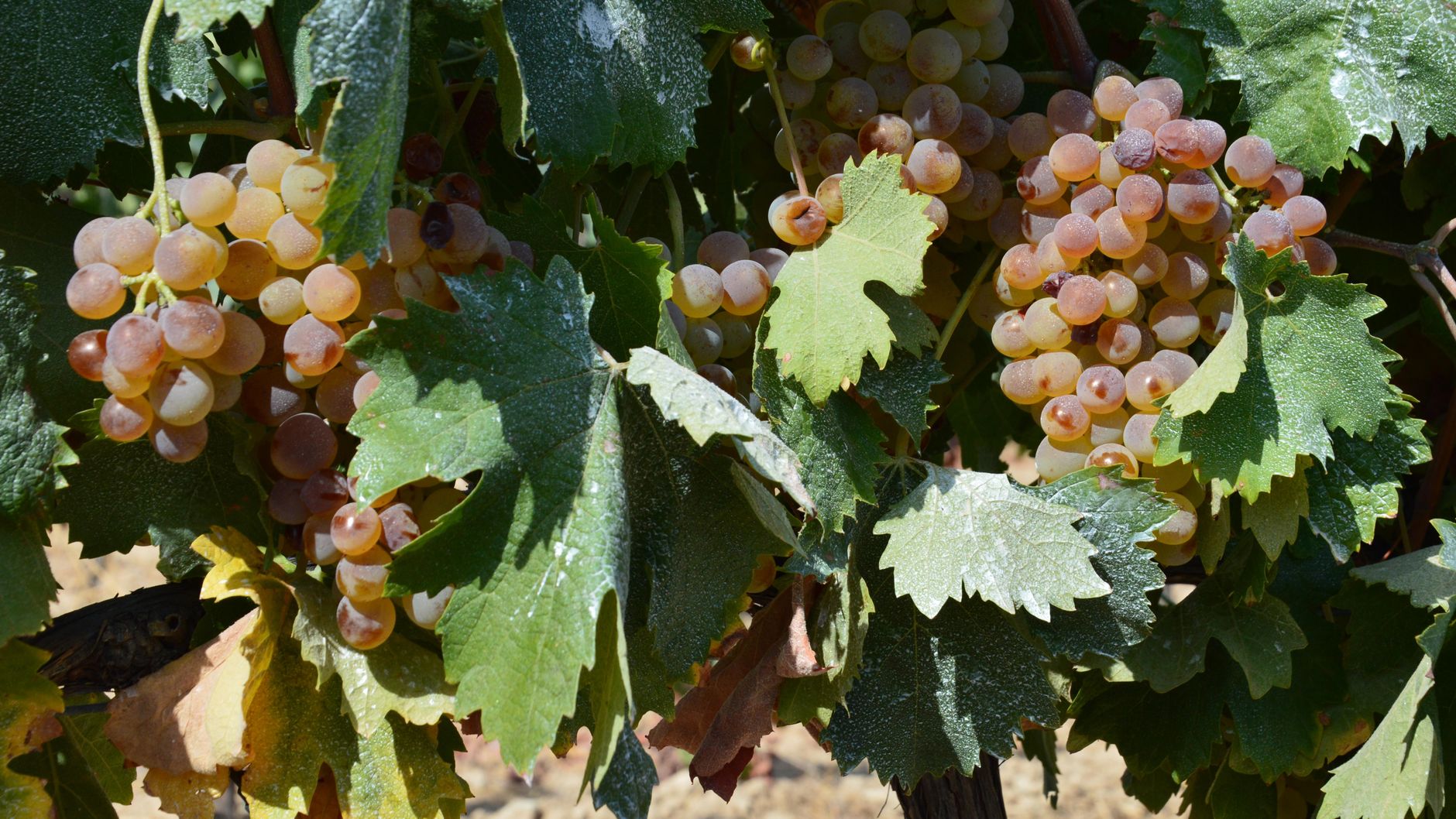
Tuscany's only notable indigenous white, and it's been famous since the Renaissance. Crisp, slightly almond-bitter, and the perfect break from a diet of red. The towers of San Gimignano are right there.
Wine Region · Toscana
Source VerifiedChianti
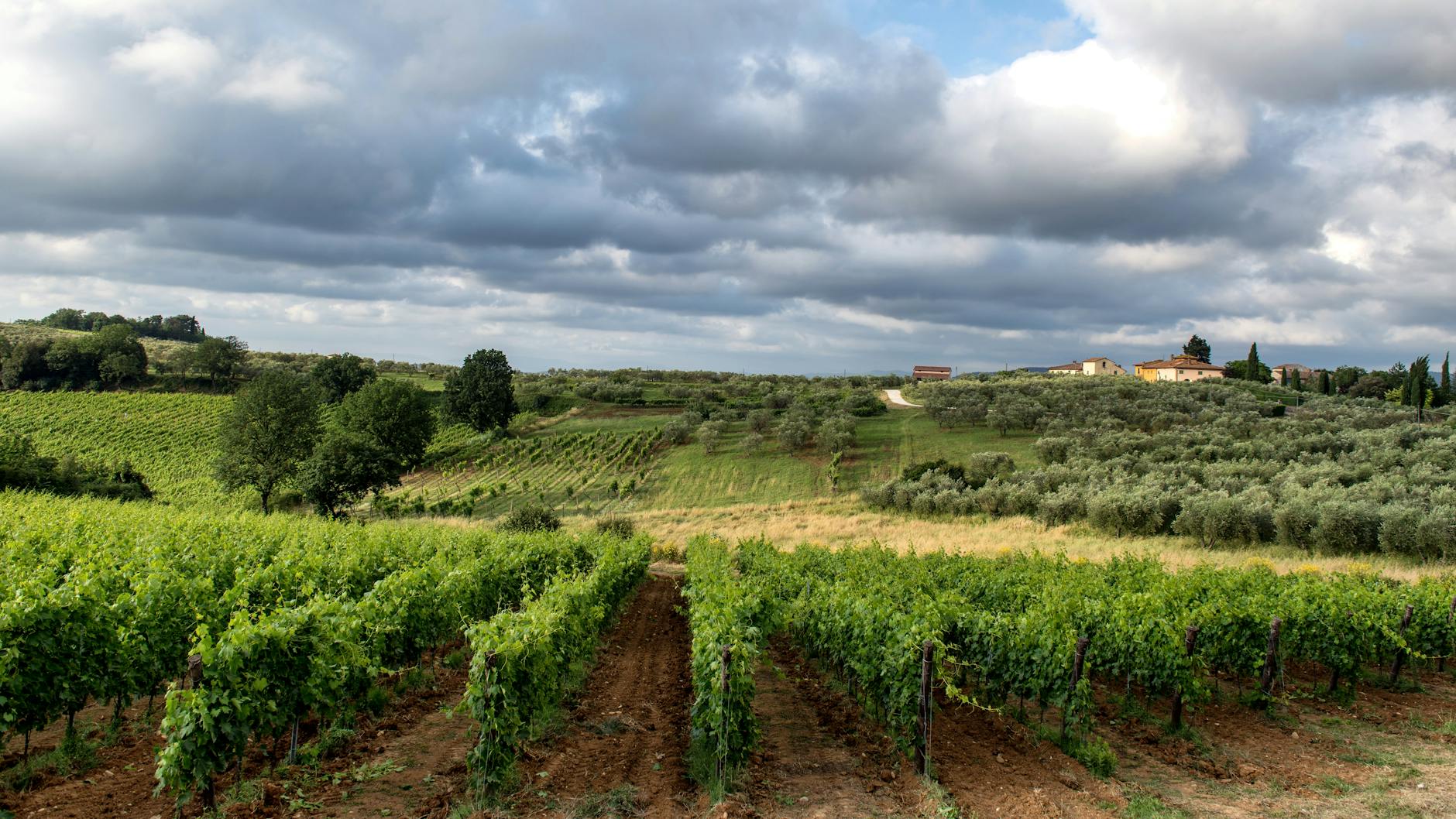
The wine landscape everyone pictures when they think of Tuscany. Chianti Classico is the historic core, demarcated in 1716; the broader Chianti zone spreads across seven sub-regions. It's touristy because it's genuinely beautiful — cypress trees, stone farmhouses, and rolling vineyards. Go in shoulder season if you can, and stay off the main road.

Wine Region · Toscana
Source VerifiedMontalcino
A beautiful hill town surrounded by the most expensive vineyards in Tuscany. Brunello is the draw, but Montalcino itself is one of the better-preserved medieval towns in the region. Combine with Montepulciano and Pienza for a Val d'Orcia base — the landscape between them is the famous Tuscan view.