Plan
Train Travel in Italy
Italy is one of the easiest countries in Europe to travel by train, and for the classic circuit — Rome, Florence, Venice, Naples — you don't need a car at all. Trenitalia's Frecciarossa and Italo link the major anchors in under two hours; regional trains reach the smaller towns.
Build a trip around train-friendly anchors and you keep the time you'd otherwise lose to parking, ZTL fines, and Italian city traffic. Save the car for the countryside stretches where it genuinely earns its keep.
Best train-connected anchors
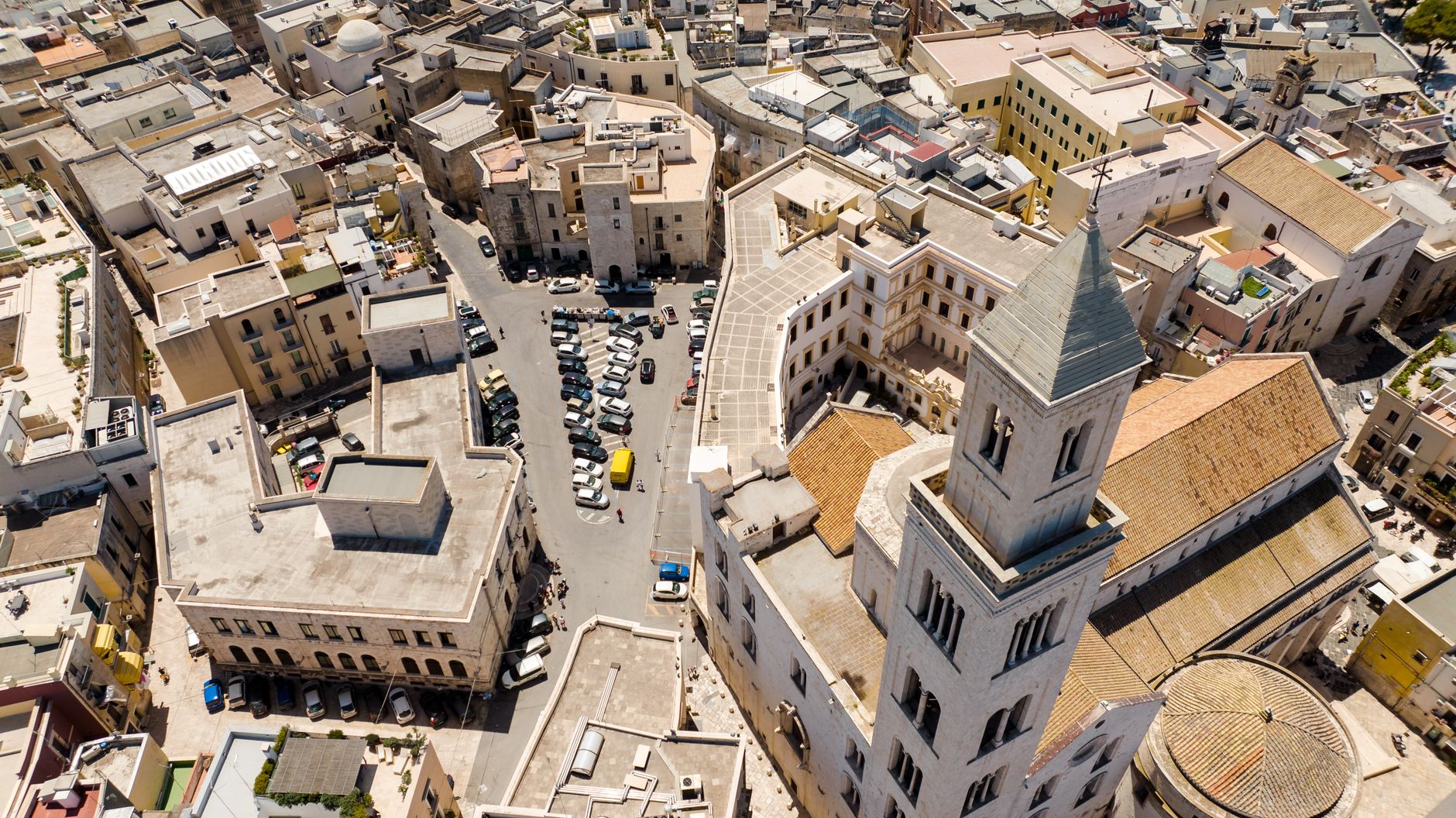
City · Puglia
Source VerifiedBari
Bari deserves two nights, not an airport transfer. The Vecchia Bari peninsula is one of the most lived-in medieval quarters in Italy — women still making orecchiette on boards in the street — and the city's food is the anchor for everything you will eat elsewhere in Puglia. It is also the only place in the region where you do not need a car.

City · Sardegna
Source VerifiedCagliari
Cagliari is a genuine anchor and the correct starting point for southern Sardinia. Two nights covers the Castello quarter, the market, and the Poetto beach; three lets you reach Nora, Chia, and Barumini. It is a real city with a working port, not a resort, which is exactly why it works.

City · Piemonte
Source VerifiedTurin
Turin rewards three nights and gets skipped by almost everyone. The arcaded center is walkable end to end, the food culture is confident rather than performative, and the museum pair — Egyptian and Cinema — is genuinely world class. Treat it as a city trip in its own right, not a gateway to the Langhe.

City · Lombardia
Source VerifiedMilan
Milan is worth a day or two, particularly as a gateway. The Last Supper alone justifies a stop if you book it ahead. Don't expect the open-air museum feel of Florence — Milan is a working city.

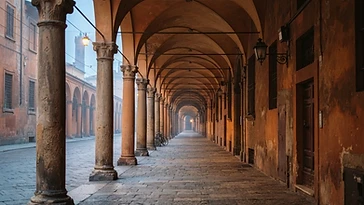
City · Emilia-Romagna
Source VerifiedBologna
Bologna is worth two nights and is the best food city in Italy for travelers who want to eat seriously without the Florence prices or the Venice crowds. It is also the best rail hub in the country.

City · Lazio
Source VerifiedRome
Rome deserves at least three full days and rewards a fourth. It is the one Italian city where trying to see everything is the mistake — pick two major sites a day and leave time for wandering.
All train-friendly destinations
217 places

City · Puglia
Source VerifiedAndria
The city itself is ordinary; Castel del Monte and the dairy country around it are not.

City · Toscana
Source VerifiedLivorno
Rough-edged and unfashionable, and a far better place to eat and sleep than the resorts south of it.

Town · Liguria
Source VerifiedRecco
Not much of a town, but the focaccia is a genuine regional institution and the bay is easy.
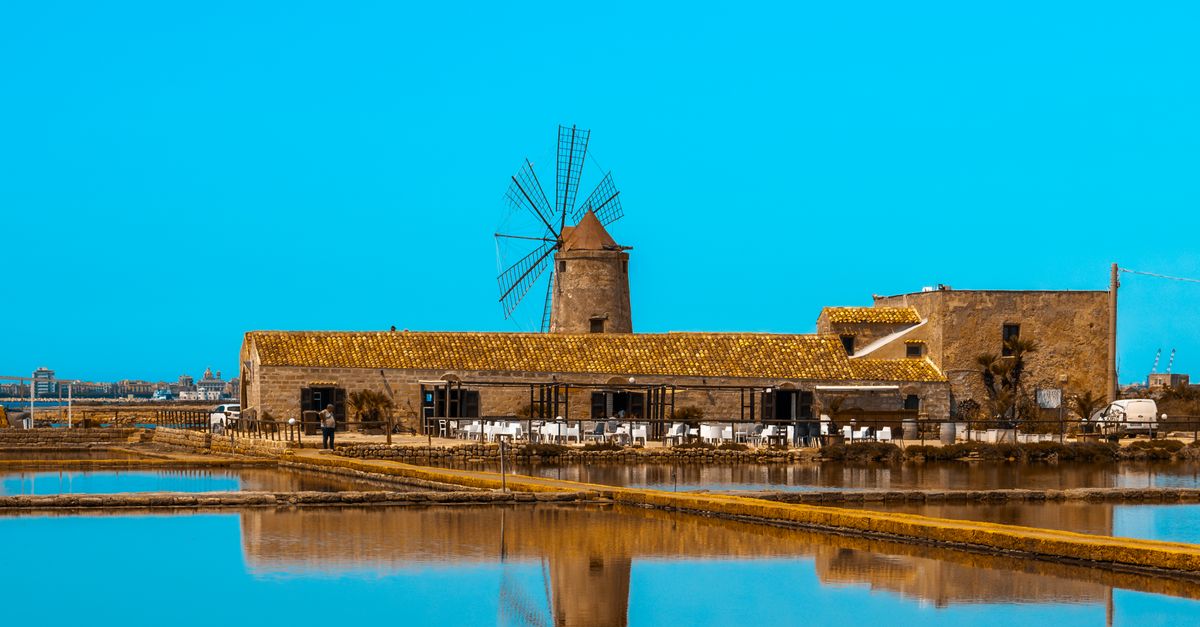
City · Sicilia
Source VerifiedMarsala
The town is worn and the wine is famous for the wrong reasons, but the surrounding coast and the cellars are worth two nights.

Town · Abruzzo
Source VerifiedVasto
The old town and the view are worth an hour; the coast below it is the reason to stay longer.

City · Abruzzo
Source VerifiedPescara
Not a destination but an efficient base — the mountains are thirty minutes inland and the coast is at the door.

Town · Lombardia
Source VerifiedTirano
A railway junction with a good sanctuary and a great train. Stop for the connection, stay for the view.

Town · Basilicata
Source VerifiedMelfi
The castle is the reason, and it is a serious one — the best Norman fortress in the south, with the Vulture wine country on its doorstep.

City · Liguria
Source VerifiedImperia
Not a resort and not trying to be. Useful, workaday, and close to much better stretches of coast.

Town · Lombardia
Source VerifiedSondrio
A modest town in an exceptional valley — come for the terraces, not the streets.

Town · Friuli-Venezia Giulia
Source VerifiedCormòns
Come for the wine and the cellars; the town itself is pleasant rather than beautiful, and that is fine.

City · Friuli-Venezia Giulia
Source VerifiedGorizia
Quietly absorbing for anyone interested in modern European history, and the gateway to the Collio wine hills.
City · Molise
Source VerifiedIsernia
A functional provincial city rather than a destination, but the Paleolithic site makes it a defensible stop.

City · Basilicata
Source VerifiedPotenza
A tidy, steep provincial capital rather than a travel destination — useful as a base, not as a reason to travel.
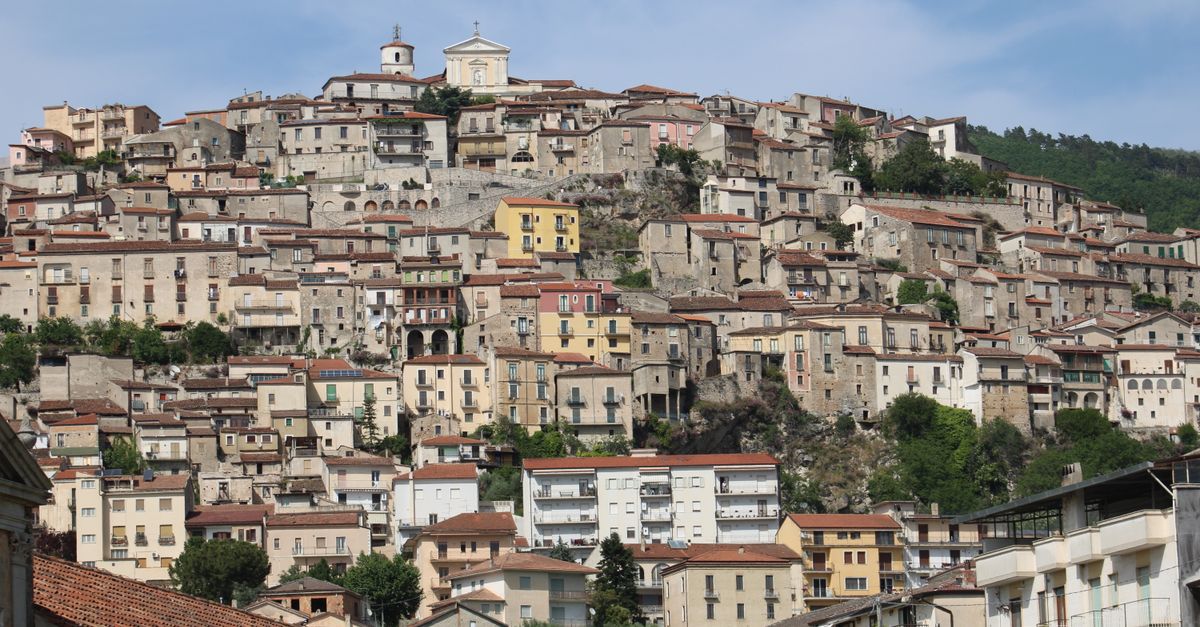
City · Calabria
Source VerifiedCrotone
The modern city is not lovely, but the castle, the museum, and the ancient history underneath justify a half day.

City · Calabria
Source VerifiedCosenza
The old town is genuinely atmospheric and half-empty after years of abandonment. Worth a couple of hours, not a trip.

City · Piemonte
Source VerifiedCuneo
One of Italy's most liveable small cities and a genuinely useful base for the southern Piedmont, though not a destination in its own right.

Hiking Trail · Emilia-Romagna
Source VerifiedVia degli Dei
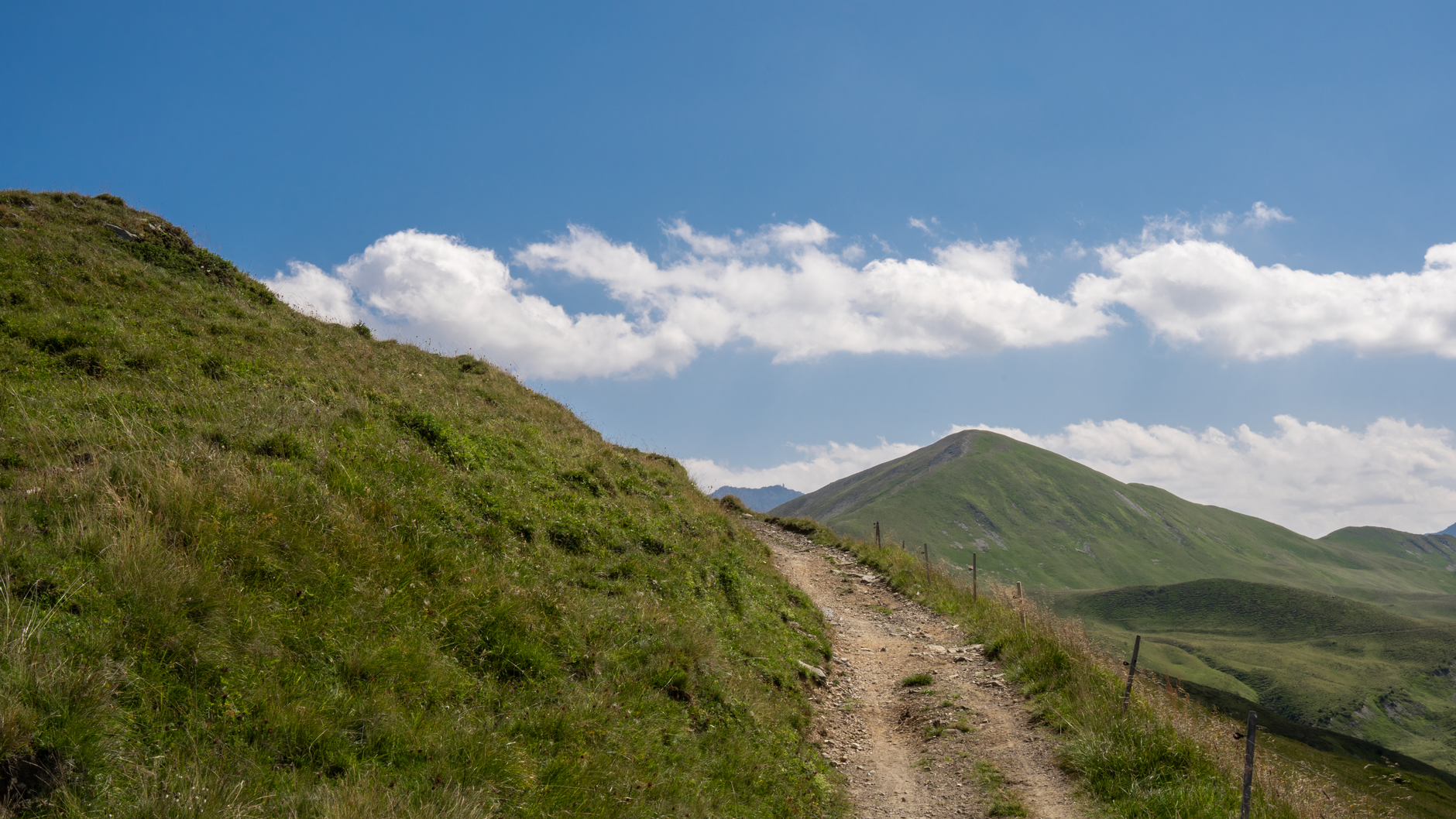
The most practical long walk in central Italy: five days, two cities at either end, and a mountain section in the middle that feels genuinely remote. It has become popular with Italians, which means accommodation exists and the waymarks are good.
Hiking Trail · Umbria
Source VerifiedCammino di San Francesco
The best short pilgrimage in Italy: four to seven days through hill towns that are quiet, cheap, and connected by paths rather than roads. It is waymarked, there is accommodation in every stage, and the landscape does most of the work.

Hiking Trail · Piemonte
Source VerifiedGrande Traversata delle Alpi
The best long walk in Italy for anyone who wants mountains without a crowd. The GTA crosses the Piedmontese Alps in about a month, and it is designed around village accommodation and local food rather than refuges. A week of it, in the Maira or Grana valleys, is enough to understand.

City · Sardegna
Source VerifiedSassari
Sassari is a half day, and a good one, mainly for the old quarter and the food. It is the least touristy city on the island and the most unvarnished, which is either its charm or its drawback. Use it as a stop between Alghero and the north coast.

Town · Lazio
Source VerifiedGaeta
Gaeta is the most useful stop on the coast between Rome and Naples and a better two-night base than most of the Amalfi coast for the price. The town is divided between the old hill quarter and the beach strip, and both work. Go in June or September.

Town · Puglia
Source VerifiedTrani
Trani is the most beautiful single building on the Puglian coast and a one-night stop rather than a base. The cathedral sits directly on the sea, and the harbor church makes the waterfront the best in the region. Come in the late afternoon, eat, and leave.

Palace · Friuli-Venezia Giulia
Source VerifiedMiramare
Miramare is the best half day in Trieste and one of the strangest royal buildings in Italy: a small castle built with obsessive precision on a rock over the water, with gardens engineered to hold plants from every ocean. Two hours for the interior and the park.
City · Lombardia
Source VerifiedBrescia
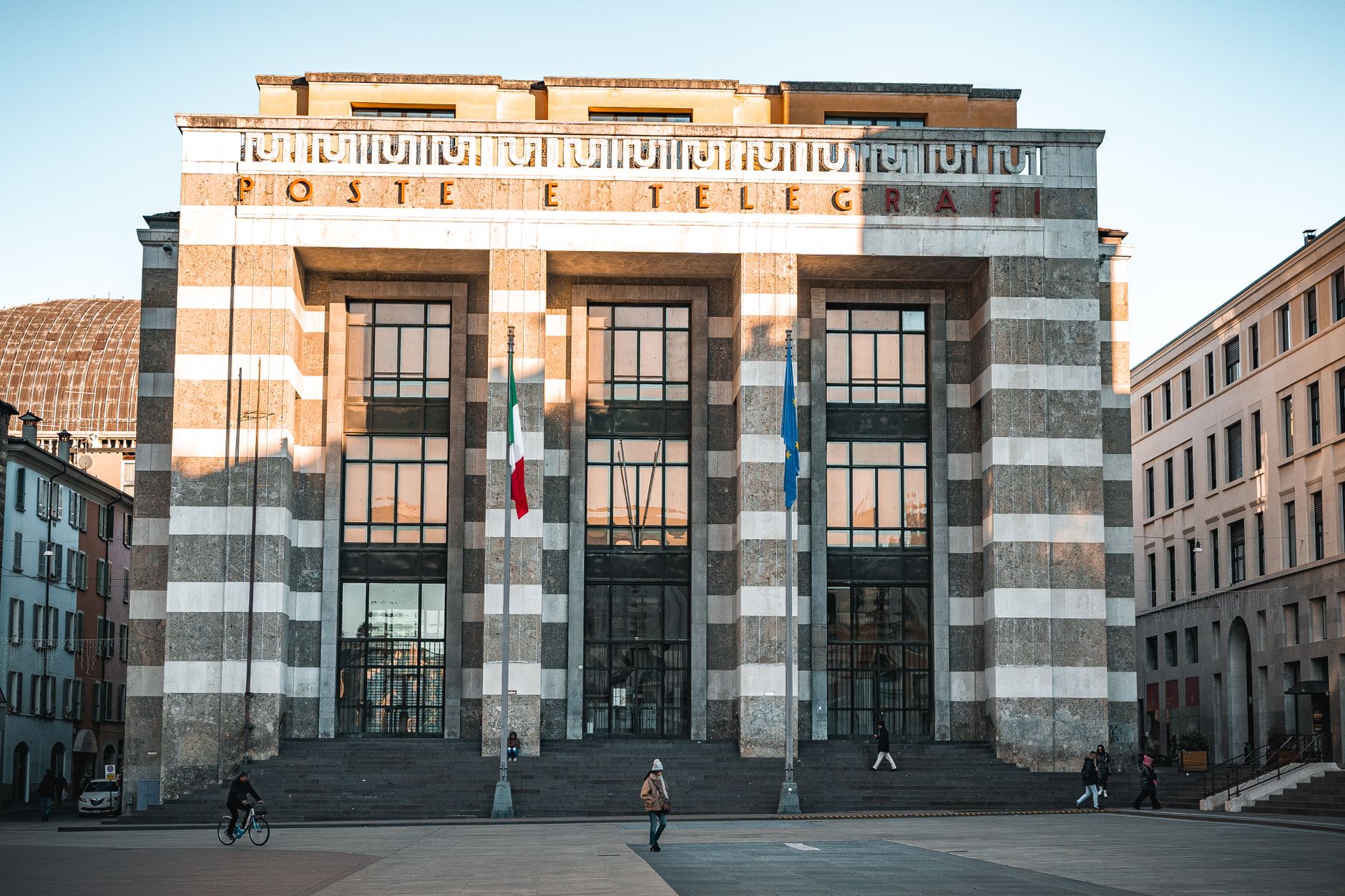
Brescia is the best one-night stop between Milan, Verona, and the lakes, and the most underrated city in Lombardy. The Roman capitol and the Santa Giulia complex alone are worth the trip, and the center is a working Italian city rather than a stage set.

Town · Sicilia
Source VerifiedCefalù
Cefalù is the best beach town in northern Sicily and the obvious two-night stop between Palermo and the east. The old town is small, the beach is right there, and the cathedral's mosaics are worth the climb. It fills completely in August; go in June or September.
City · Sicilia
Source VerifiedTrapani
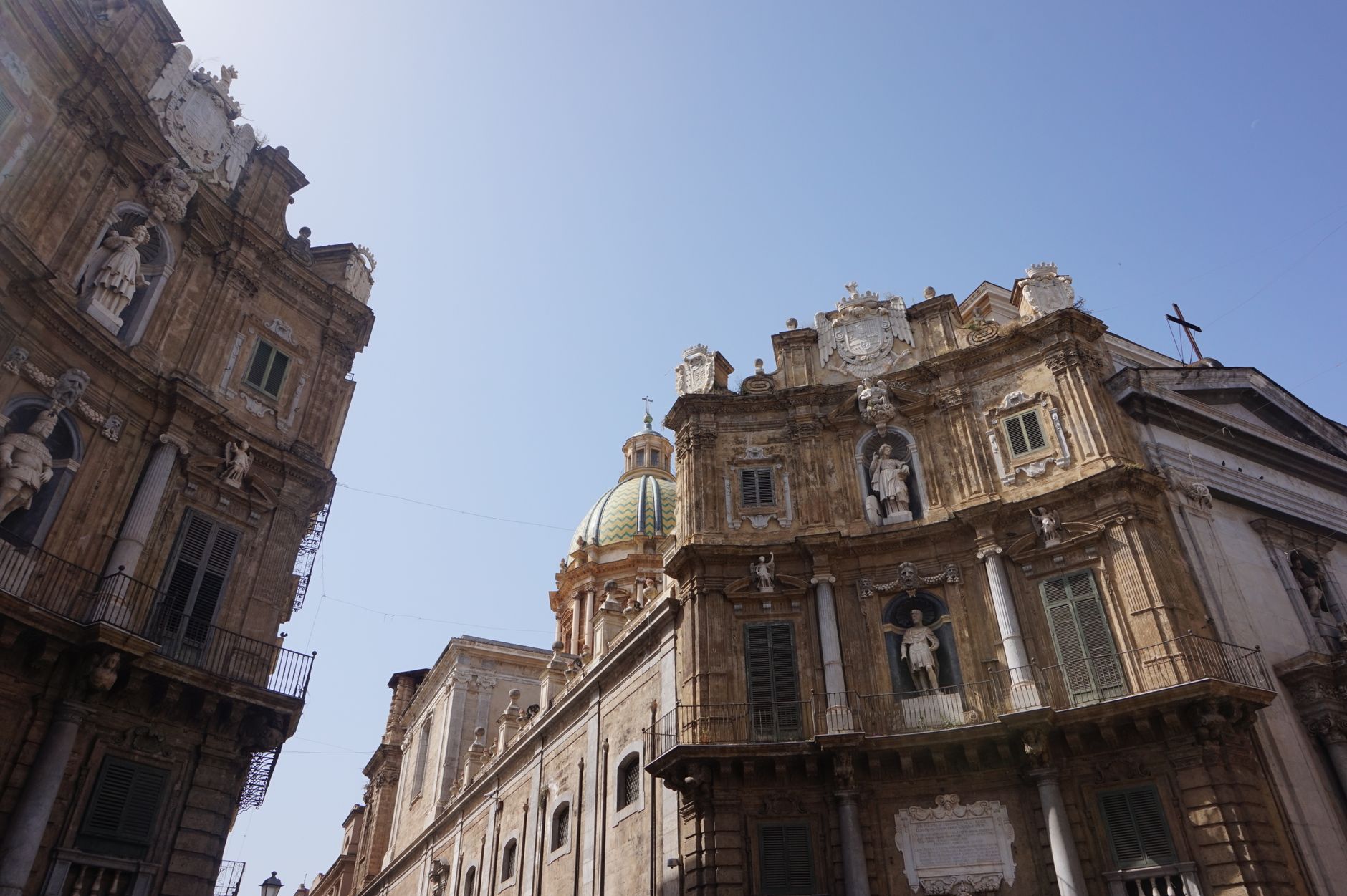
Trapani is the most useful base in western Sicily and one of the least visited provincial capitals on the island. Two nights covers the old town, Erice above it, and a ferry to Favignana. The food is the best in the region for fish.

City · Toscana
Source VerifiedArezzo
Arezzo is the best value city base in eastern Tuscany and the counterweight to Siena's crowds. The fresco cycle in San Francesco is worth the trip on its own, the monthly antique fair is the largest in Italy, and Cortona and the Casentino are within reach. Two nights.
City · Campania
Source VerifiedSalerno
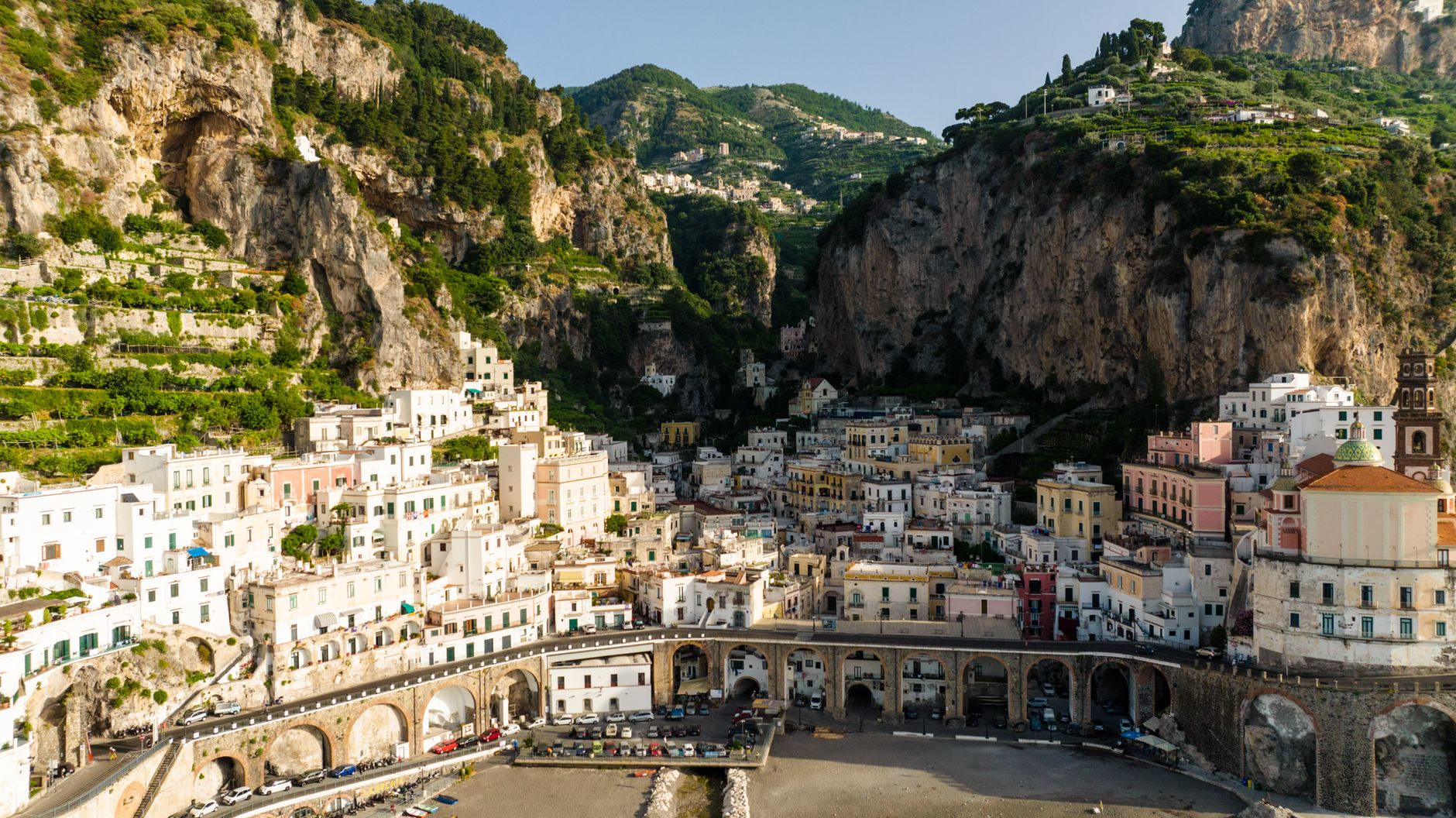
Salerno is the most practical base for the Amalfi Coast and the only one where you can arrive by train and still reach the villages by boat. Two nights gets you the cathedral, the lungomare, and a day on the water without paying Positano prices.

City · Emilia-Romagna
Source VerifiedRimini
Rimini is either exactly what you want or not at all. The beach strip is functional and enormous; the historic center behind it has a Roman bridge still in use and one of the most interesting Renaissance interiors in Italy. Two nights as a family base, one for the center.

City · Sicilia
Source VerifiedAgrigento
Agrigento is a one-purpose stop and the purpose is exceptional. The Valley of the Temples deserves four hours and the walk between the temples at dusk is the best experience in Sicily. Two nights lets you see the ruins without heat and add the Roman villa at Piazza Armerina.

City · Campania
Source VerifiedCaserta
Caserta is a single-attraction stop, but the attraction is enormous: the Bourbon palace has twelve hundred rooms and a park that runs for three kilometers to a waterfall. Five hours, minimum, and go early because the gardens take longer than the palace.

Town · Lazio
Source VerifiedFrascati
Frascati is the easiest escape from Rome and the correct place to spend an afternoon if you have a spare half day. The town is small, the wine is served in fraschette that have been doing it for generations, and the train from Termini takes half an hour.

City · Lazio
Source VerifiedViterbo
Viterbo is the most complete medieval city in Lazio and ninety minutes from Rome, which makes it a good two-night break from the capital. The San Pellegrino quarter is intact and inhabited, and the thermal pools outside town are free and unglamorous in the best way.
City · Veneto
Source VerifiedTreviso
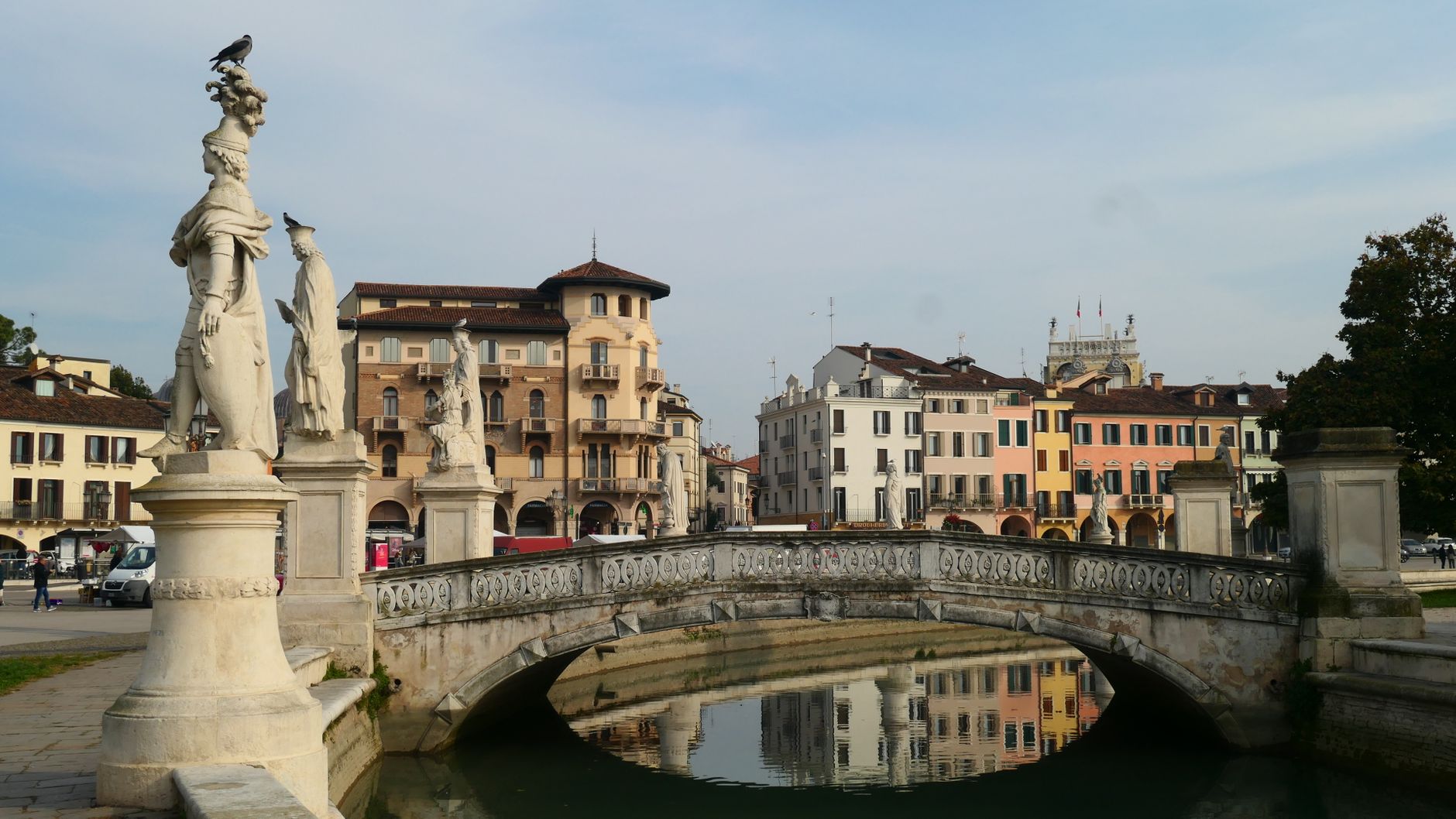
Treviso is the most useful alternative to sleeping in Venice: half an hour by train, a third of the price, and a genuinely handsome center with canals and arcades. Two nights if you are doing Venice by day, and a full day if you want the Prosecco hills north of town.

City · Lombardia
Source VerifiedBergamo
Bergamo is the best one-night stop in Lombardy and it is frequently turned into a four-hour airport transfer. The Città Alta is a complete walled city reached by funicular, and the lower town has the region's best restaurant culture outside Milan. Two nights if you are flying out early.
City · Puglia
Source VerifiedBari
Bari deserves two nights, not an airport transfer. The Vecchia Bari peninsula is one of the most lived-in medieval quarters in Italy — women still making orecchiette on boards in the street — and the city's food is the anchor for everything you will eat elsewhere in Puglia. It is also the only place in the region where you do not need a car.

Town · Puglia
Source VerifiedMonopoli
Monopoli is the sensible base on this stretch of coast: it has a station, a real harbor, restaurants that feed locals, and beaches within walking distance. It lacks Polignano's single dramatic view, which is exactly why it is calmer and cheaper. Two nights, more with children.

Town · Liguria
Source VerifiedMonterosso al Mare
Monterosso is where you sleep if you want Cinque Terre with a beach and without carrying luggage up a cliff. It has the most beds, the only proper sand, and the station at the center. Two nights lets you walk two of the coastal trails and still swim.
City · Liguria
Source VerifiedSanremo
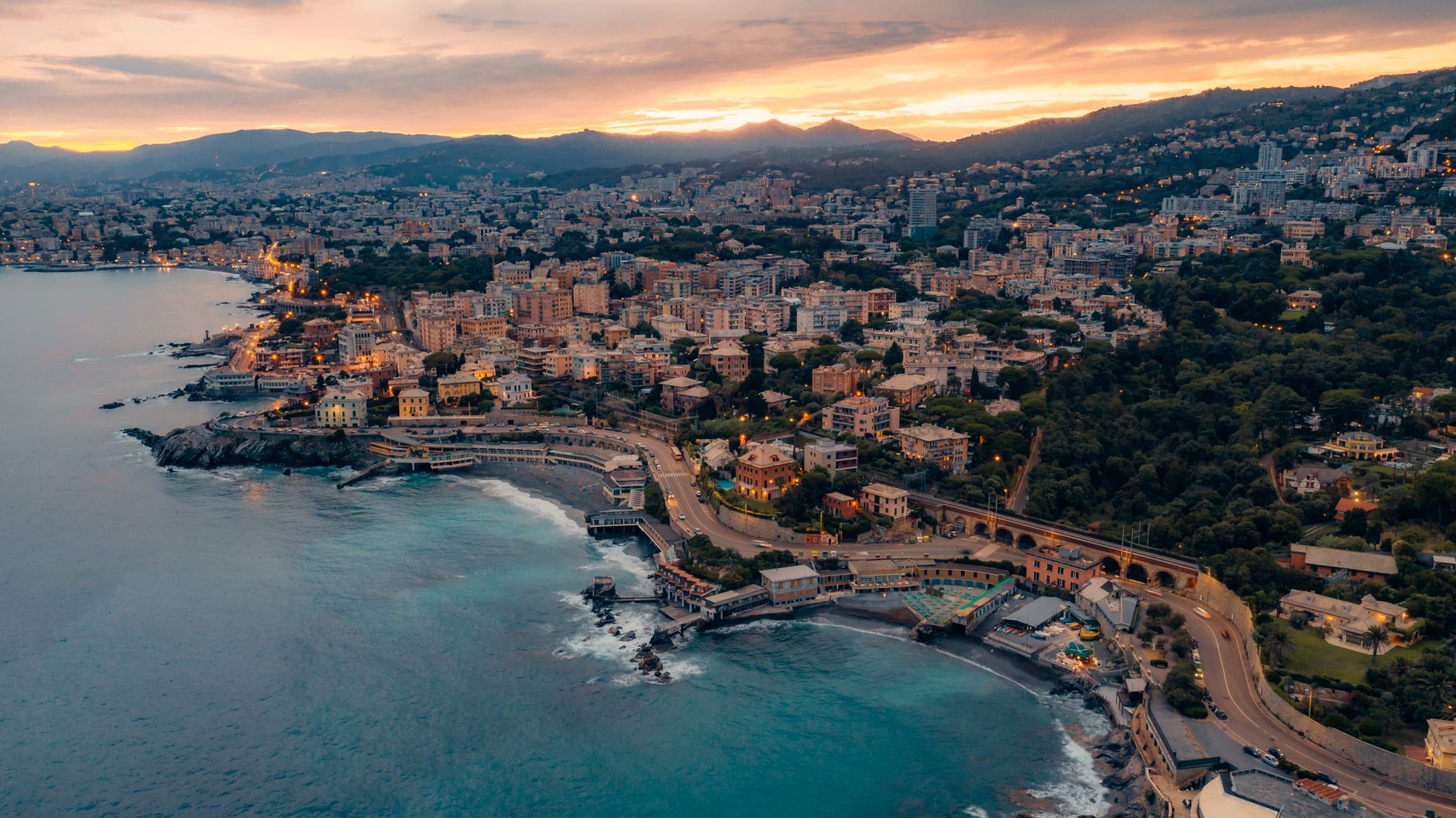
Sanremo is more interesting than its reputation suggests and cheaper than the French coast twenty minutes west. Two nights covers the old town, the casino quarter, and the flower-growing hills. It is a winter destination more than a summer one — the town was built for exactly that.

City · Lombardia
Source VerifiedMantua
Mantua is one of the great undersold cities of the north and deserves a night, not a half day. Palazzo Te and the Ducal Palace alone justify the trip, and the lakes make the whole place feel removed from the traffic that surrounds it. Eat well, walk a lot, and go between April and June.

Town · Puglia
Source VerifiedPolignano a Mare
Polignano is the most dramatic single view in Puglia and the most crowded small town in the region in July. Stay the night: by nine the day-trippers have gone and the cliff lanes are yours. One night is enough; two if you want to swim every morning.

Town · Puglia
Source VerifiedGallipoli
Gallipoli is the beach base of the Salento and a genuinely beautiful old town after dark. Come for two nights if you want sand and swimming; the Ionian side is flatter and gentler than the Adriatic cliffs. Avoid August unless you want the nightlife that comes with it.
Village · Liguria
Source VerifiedVernazza
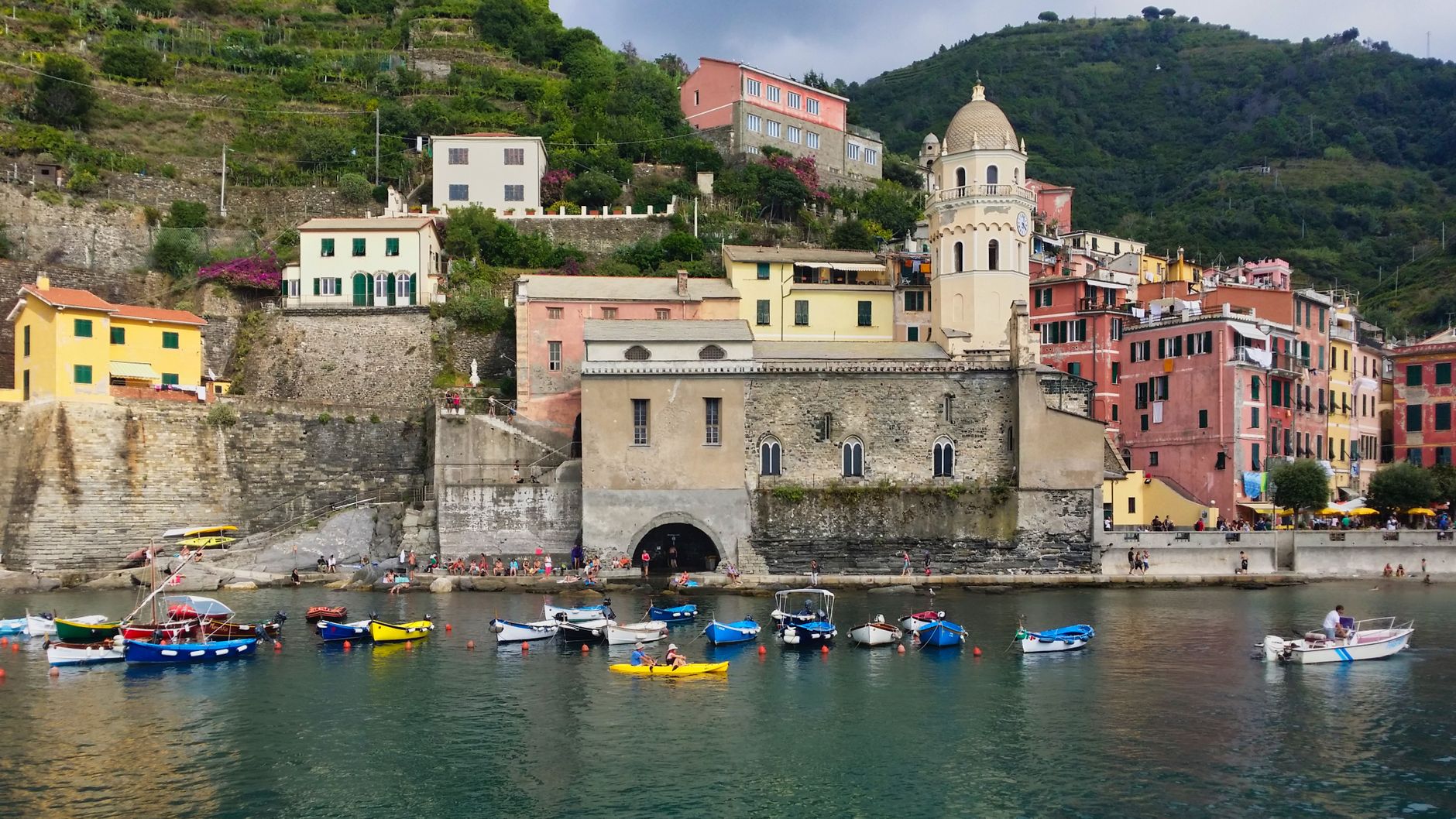
Vernazza is the most photogenic of the five and the most difficult to stay in — few rooms, no cars, and stairs to everything. One or two nights is the right amount. Book months ahead, pack light, and accept that you will be sharing the harbor with a few thousand day-trippers between ten and four.

City · Lombardia
Source VerifiedComo
Como the city is the practical base for the lake and often overlooked in favor of Bellagio and Varenna. It has the transport, the cathedral, and the funicular, and the boats leave from the front door. One or two nights, and use it as a springboard rather than a destination.

City · Veneto
Source VerifiedVicenza
Vicenza is the most architecturally coherent city in the Veneto and gets a fraction of Verona's visitors. A full day covers the Basilica, the Teatro Olimpico, and one villa; a night lets you add the Villa Rotonda at opening time. If you care about buildings at all, this is a required stop.

Village · Liguria
Source VerifiedRiomaggiore
Riomaggiore is the easiest village to reach from La Spezia and the best one-night stop. The harbor is small and the center steep; the Via dell'Amore walk toward Manarola, reopened after years of closure, is the reason to base here rather than further north.

Town · Liguria
Source VerifiedLevanto
Levanto is the quiet answer to the Cinque Terre accommodation problem: it has a proper beach, a working town center, bike rental, and constant trains into the park. Three nights here beats one night in each village, and you can still walk the coast.

Town · Puglia
Source VerifiedMartina Franca
Martina Franca is the most substantial town in the trulli country and the best place to eat after a morning of them. Three hours covers the center; the surrounding valley rewards a slow drive. It is also the coolest place to sleep in July, which matters more than it sounds.

Town · Sardegna
Source VerifiedOristano
Oristano is the most useful base most travelers never consider. It has a station, cheap hotels, and within twenty minutes the best archaeology and one of the strangest beaches in Italy. Two nights gives you Tharros, the Sinis coast, and a wine afternoon.

Town · Sardegna
Source VerifiedOlbia
Olbia is a logistics town and should be treated as one. Do not plan a holiday around it, but do not write it off either: the market, the seafood, and the ferry to Tavolara make a night here useful at either end of a trip. It is the correct place to sleep if you have an early flight.

Town · Trentino-Alto Adige
Source VerifiedMerano
Merano is the most restful two nights in the Alto Adige and a good counterweight to the drama of the Dolomites. The promenades and thermal baths are the core; Trauttmansdorff gardens add half a day. Come in spring for the blossom or late autumn for the grape harvest, and skip August.
City · Sardegna
Source VerifiedCagliari
Cagliari is a genuine anchor and the correct starting point for southern Sardinia. Two nights covers the Castello quarter, the market, and the Poetto beach; three lets you reach Nora, Chia, and Barumini. It is a real city with a working port, not a resort, which is exactly why it works.

Town · Piemonte
Source VerifiedAsti
Asti is the value base of Piemonte and the right choice if you want wine country without the Langhe's prices and crowds. The old town has a genuine Gothic core and a strong food scene, and the vineyards of Moscato and Barbera begin at the ring road. Worth a night, not two unless it is Palio week.
Town · Piemonte
Source VerifiedAlba
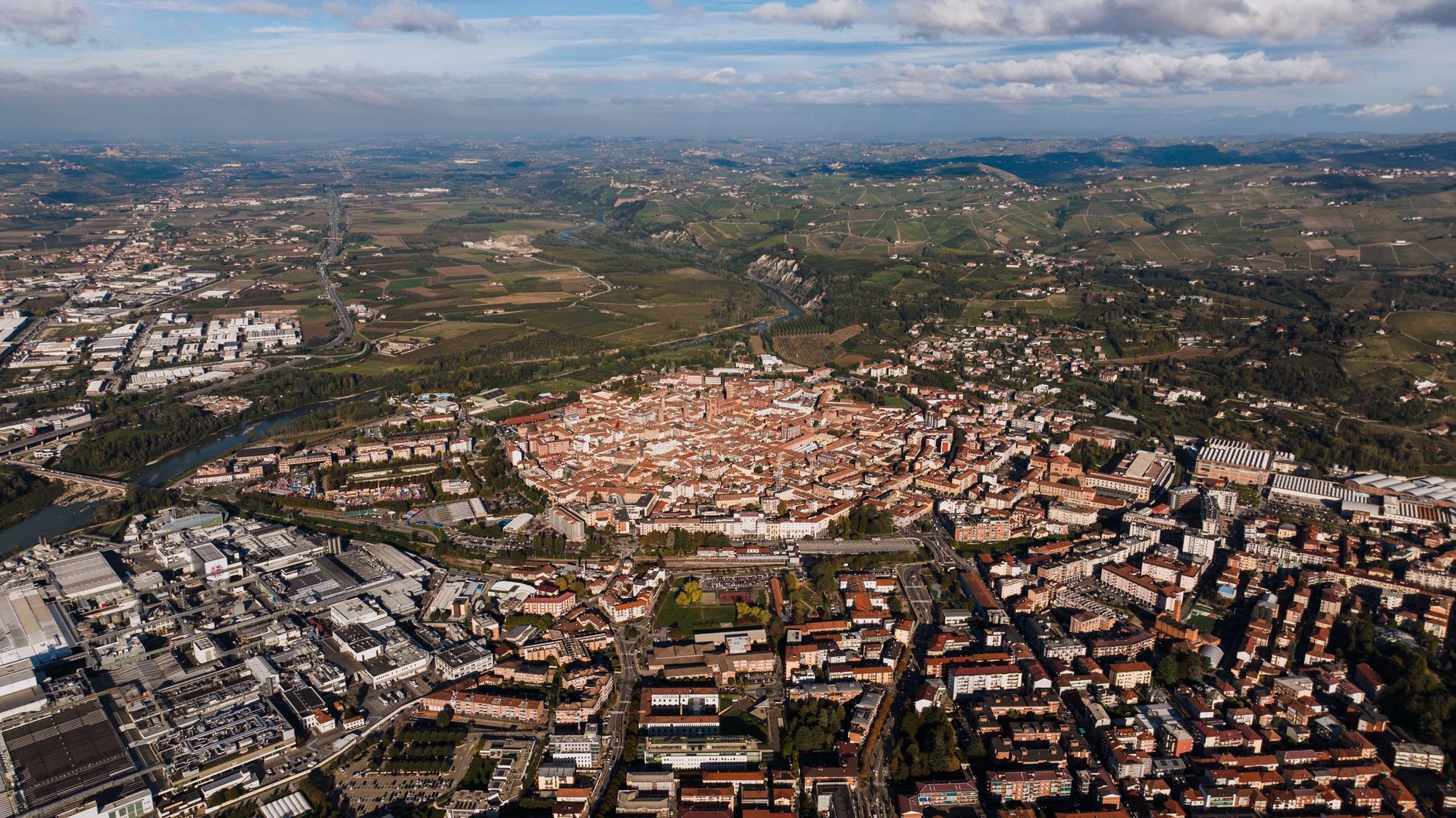
Alba is the correct base for the Langhe and the most useful town in Piemonte after Turin. It is a real place with a market, a station, and restaurants that do not depend on tourists, and every wine village you want is a twenty-minute drive away. Two nights minimum in truffle season, one night is thin.

City · Trentino-Alto Adige
Source VerifiedBolzano
Bolzano is the best city base in the Alps south of Austria and the obvious first night before the Dolomites. Two nights covers Ötzi, the arcades, the Renon cable car, and a wine tasting. It works without a car — trains and cable cars do the mountain work.

City · Trentino-Alto Adige
Source VerifiedTrento
Trento is worth a full day and often gets two hours. The cathedral square is one of the best in northern Italy, the Buonconsiglio castle is substantial, and MUSE is the rare science museum that works for adults. It is also the practical gateway to the Brenta and Fassa valleys.

Town · Trentino-Alto Adige
Source VerifiedBressanone
Bressanone is a night rather than a destination, and a good one between Bolzano and the Brenner. The cloister frescoes and the cathedral close are worth an hour, and the abbey at Novacella, twenty minutes north, is the real reason to stop.
City · Piemonte
Source VerifiedTurin
Turin rewards three nights and gets skipped by almost everyone. The arcaded center is walkable end to end, the food culture is confident rather than performative, and the museum pair — Egyptian and Cinema — is genuinely world class. Treat it as a city trip in its own right, not a gateway to the Langhe.

Palace · Toscana
Source VerifiedPalazzo Vecchio
Worth it. The Salone dei Cinquecento is one of the great painted rooms, and the tower climb gives the best view of the Duomo. The secret passages tour is the better ticket.

Church · Lombardia
Source VerifiedSanta Maria delle Grazie (Last Supper)
Essential, but only with a timed ticket booked weeks ahead. The 15-minute slot is enforced; the painting is more damaged and more powerful in person.

Church · Veneto
Source VerifiedCappella degli Scrovegni
Essential for anyone interested in pre-Renaissance painting. The frescoes are protected by climate control; book a timed slot or you will not get in.

Church · Lazio
Source VerifiedPantheon
Essential. The most perfectly preserved building of ancient Rome, and the one that most changes how you see Roman engineering. Free entry; go early.
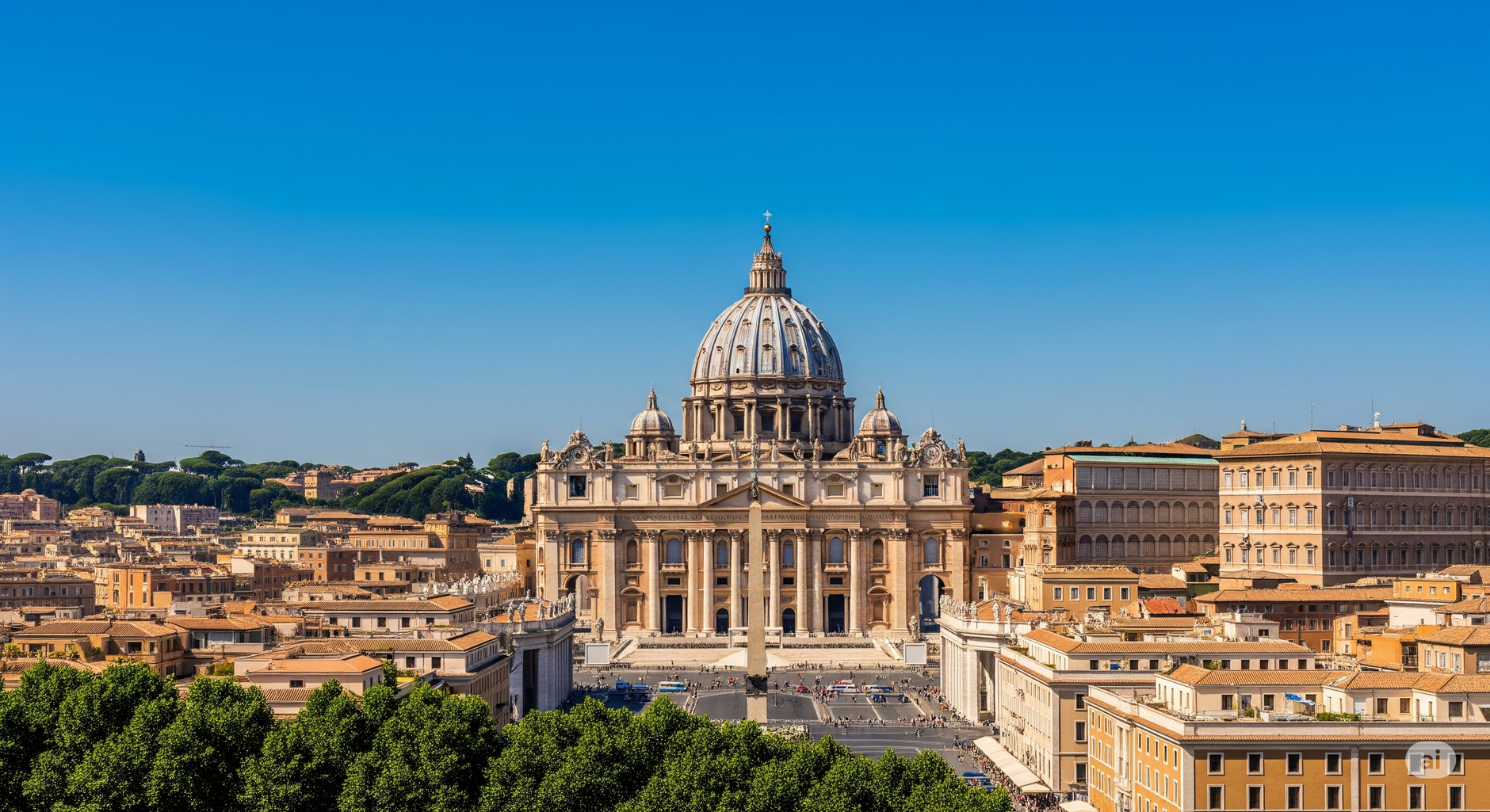
Basilica · Lazio
Source VerifiedSt. Peter's Basilica
Essential. Go early, climb the dome if your knees allow, and accept that it is a pilgrimage site as much as an artwork. Bernini's baldacchino and the Pietà define it.

Museum · Toscana
Source VerifiedGalleria dell'Accademia
Worth it for David alone, but the rest is thin and the crowds are punishing. Go early or go late; skip if you cannot get a timed ticket.

Museum · Lazio
Source VerifiedVatican Museums & Sistine Chapel
Essential, but understand it is a marathon. The Sistine Chapel is the climax of a long, crowded corridor. Book a timed entry, accept the crowds, and do not try to see everything.

Cathedral · Toscana
Source VerifiedDuomo di Firenze
Essential. The dome is the skyline of Florence. Climb it (with a timed ticket) to understand the engineering, then see the Baptistery doors and Giotto's campanile.

Cathedral · Toscana
Source VerifiedDuomo di Siena
Highly recommended. The striped marble interior, the Piccolomini Library, and the marble floor panels make this Siena's strongest single sight.

Museum · Veneto
Source VerifiedPeggy Guggenheim Collection
The best modern art in Italy, and a relief from Renaissance overload. Small, well-edited, and a fascinating window into mid-20th-century taste.

Basilica · Emilia-Romagna
Source VerifiedBasilica di San Vitale
Essential. There is nothing else like this in Italy; Ravenna's mosaics are a separate lineage from the Roman world most tourists chase. Pair with Galla Placidia next door.

Gallery · Lazio
Source VerifiedGalleria Borghese
The best small museum in Rome. Bernini's Apollo and Daphne alone is worth the timed entry. Booking is mandatory and limited; reserve days ahead.

Museum · Campania
Source VerifiedMuseo Archeologico Nazionale di Napoli
Essential if you are visiting Pompeii or Herculaneum — the frescoes and mosaics are here, not on the sites. The Farnese marbles alone justify the entry.

Cathedral · Lombardia
Source VerifiedDuomo di Milano
Essential for a first Milan visit. The interior is vast and surprisingly restrained; the rooftop, with the pinnacles under your feet and the Alps on the horizon, is the reason to come.
Basilica · Umbria
Source VerifiedBasilica di San Francesco, Assisi
Essential for anyone interested in Italian art before the Renaissance. The Upper Church frescoes are contested but pivotal; the Lower Church is one of the most atmospheric spaces in Italy.

Museum · Lazio
Source VerifiedCapitoline Museums
Essential for anyone who wants to understand ancient Rome rather than just photograph it. Less crowded than the Vatican and better organized for the archaeology.

Museum · Toscana
Source VerifiedUffizi Gallery
Essential. You cannot understand Florentine art without it, and the early-Renaissance rooms alone justify the trip. Book ahead or you will lose half a day in line.

Basilica · Veneto
Source VerifiedBasilica di San Marco
Essential. The mosaics are the closest thing in Italy to Hagia Sophia. Skip the museum ticket and just enter the church, or pay for the Pala d'Oro and the upper galleries.

Piazza · Veneto
Source VerifiedPiazza San Marco
Essential. Go at dawn before the crowds, or late at night after them. At noon in season it is miserable.

Archaeological Site · Lazio
Source VerifiedColosseo
Essential for a first visit, despite the crowds. Book the underground/arena-level ticket to see the hypogeum; the standard upper-tier ticket is the disappointing one.

Archaeological Site · Lazio
Source VerifiedPalatine Hill
Included on the Colosseum/Forum combined ticket. Walk up for the view; the palace ruins are fragmentary but the panorama is the point.

Piazza · Toscana
Source VerifiedPiazza del Campo
Essential. It is the room Siena is built around. Go at midday to see the square fill, or the evening before the Palio to feel the contrade.

Villa · Lazio
Source VerifiedVilla d'Este, Tivoli
Essential for garden or landscape design. The hydraulic engineering and the allegorical water features set the template for European garden design.

Piazza · Lazio
Source VerifiedPiazza Navona
Essential. The best single place to read Roman Baroque. Ignore the overpriced cafes and look up.

Palace · Veneto
Source VerifiedPalazzo Ducale, Venezia
Essential. The Sala del Maggior Consiglio is one of the largest painted rooms in Europe and the best record of how Venice saw itself.

Palace · Toscana
Source VerifiedPalazzo Pitti
Recommended for the Palatine Gallery alone; do not try to do all five in one visit. Pair with the Boboli Gardens behind it.
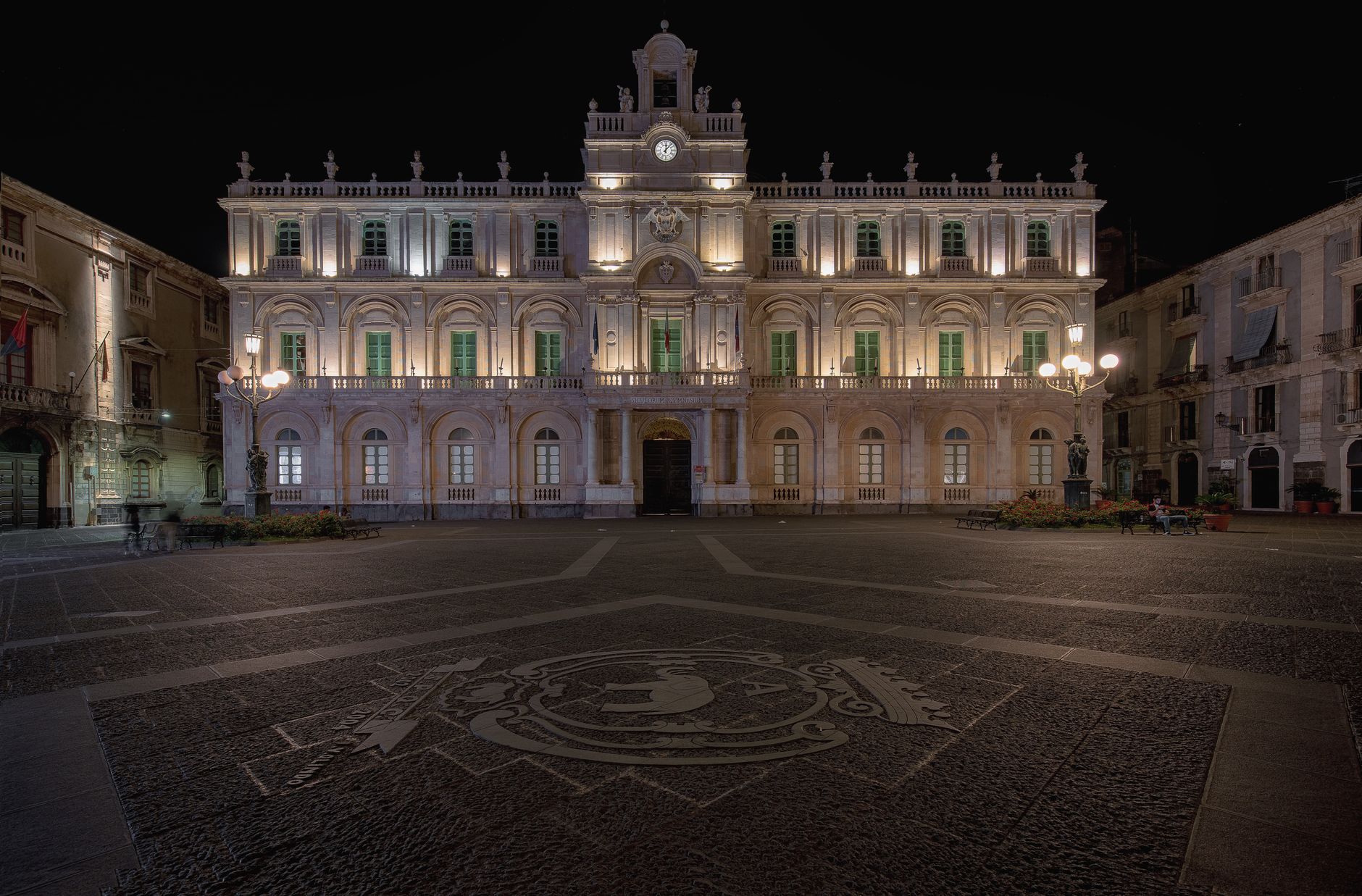
Palace · Sicilia
Source VerifiedPalazzo dei Normanni & Cappella Palatina
Essential for the Cappella Palatina alone — the mosaics are a unique Arab-Norman-Byzantine fusion found nowhere else.

Castle · Lombardia
Source VerifiedCastello Sforzesco
Recommended, and free to enter the grounds. The Pietà Rondanini alone justifies the museum ticket.

Piazza · Toscana
Source VerifiedPiazza dei Miracoli
Essential as a first sight; the tower gets the crowds but the Baptistery acoustics and the Camposanto fresco fragments are the real draw.

Archaeological Site · Lazio
Source VerifiedForo Romano
Essential but hard to read without a guide. Pair with the Colosseum and Palatine on the combined ticket; the view from the Palatine ties it together.

Garden · Toscana
Source VerifiedBoboli Gardens
Recommended. Pair with Palazzo Pitti. It is large and shaded; budget two hours and a hat.

Garden · Lazio
Source VerifiedVilla Borghese Gardens
Worth a walk, not a destination. Use it to recover between museums.

Palace · Campania
Source VerifiedReggia di Caserta
Worth a detour if you have seen Naples. The staircase and the gardens are the point; the rooms are lavish but familiar from every European royal palace.

Archaeological Site · Campania
Source VerifiedPaestum
Essential if you are on the Cilento or Amalfi coast. The temples are more intact than Agrigento's and far less crowded.

Archaeological Site · Sicilia
Source VerifiedValle dei Templi
Essential if you are in western Sicily. Go at sunset for the light and the temperature; midday is exposed and punishing.

Coastline · Campania
Source VerifiedAmalfi Coast
The UNESCO cliffside coast — Positano, Amalfi, and Ravello, with the lemon groves and the blue sea. Worth a few days; avoid July-August (the crowds and the SS163 traffic are punishing).

Coastline · Liguria
Source VerifiedRiviera del Levante
The eastern Ligurian coast — Portofino, Cinque Terre, Portovenere, and the Gulf of Poets. Worth a few days; the pastel villages on the cliffs are among the most famous of Italy. Avoid August.

Lake · Lazio
Source VerifiedLago Albano
The volcanic lake of the Castelli Romani, below the papal palace of Castel Gandolfo — the Pope's summer lake, the swimming, and the wine. Worth a day from Rome, for the palace and the porchetta.

Lake · Lombardia
Source VerifiedLago di Como
The most glamorous of the Italian lakes — deep blue water, alpine backdrop, villas with gardens, and Bellagio at the junction. Worth a few days; longer for the villas. The classic for a reason.
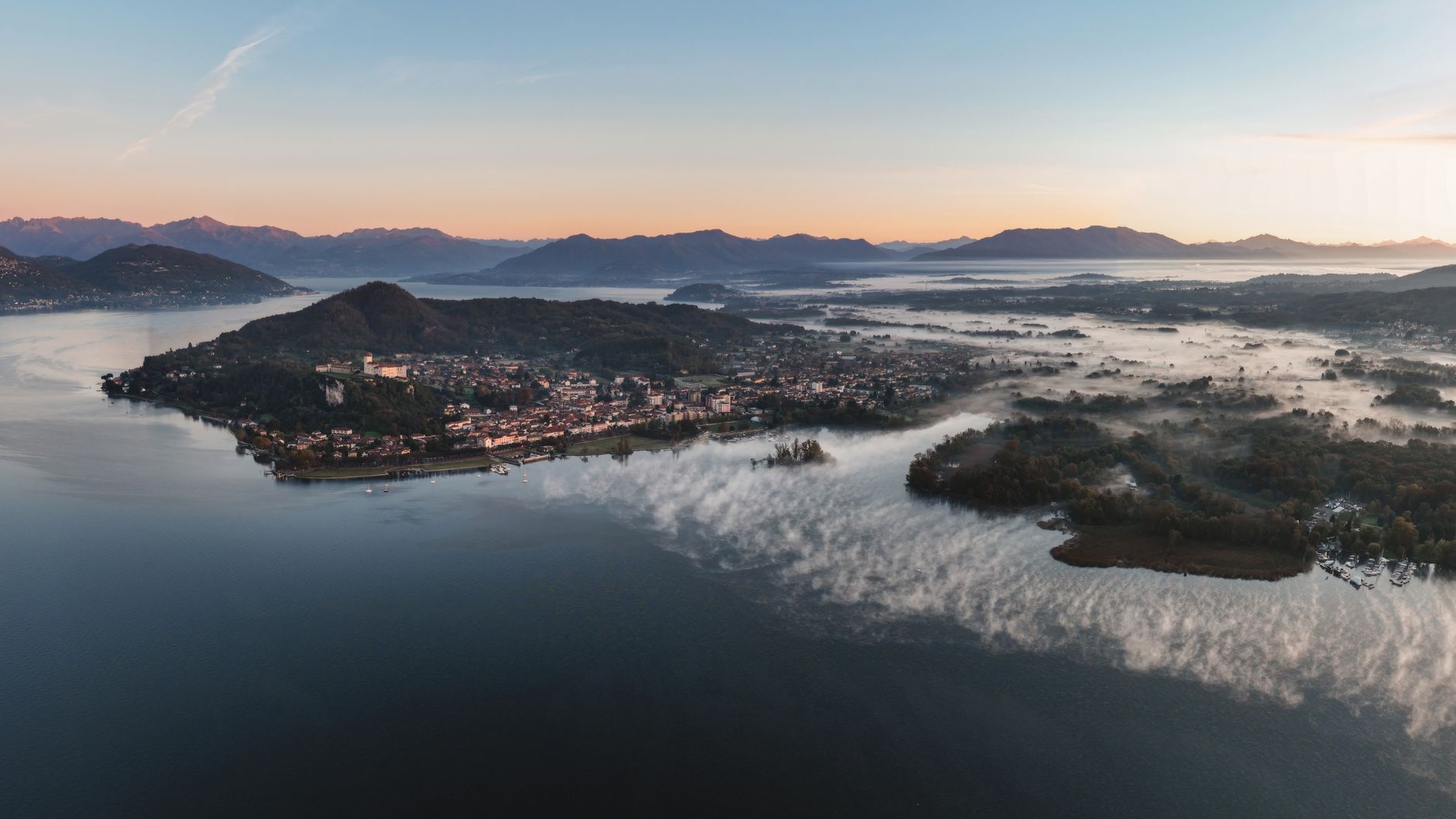
Lake · Piemonte
Source VerifiedLago Maggiore
The aristocratic of the Italian lakes — the Borromean Islands (palaces and terraced gardens), the alpine north (the Val Grande wilderness), and the mild climate. Worth a couple of days for the islands.

Lake · Veneto
Source VerifiedLago di Garda
Lake Garda is worth two or three nights, especially for families or travelers who want swimming and beaches alongside the mountain scenery. The south shore is warmer and flatter; the north is dramatic and alpine.

Lake · Umbria
Source VerifiedLago di Trasimeno
The gentle, historic lake of Umbria — the site of Hannibal's ambush (217 BC), with islands and medieval villages, and the Trasimeno wine. Worth a day or two as the base for the Castiglione-Cortona-Panicale arc.

Lake · Lazio
Source VerifiedLago di Bracciano
The volcanic lake just north of Rome — a medieval castle (the Orsini-Odescalchi, where Tom Cruise married), the Etruscan sites, and the swimming. Worth a day trip from Rome.
Thermal Bath · Toscana
Source VerifiedMontecatini Terme
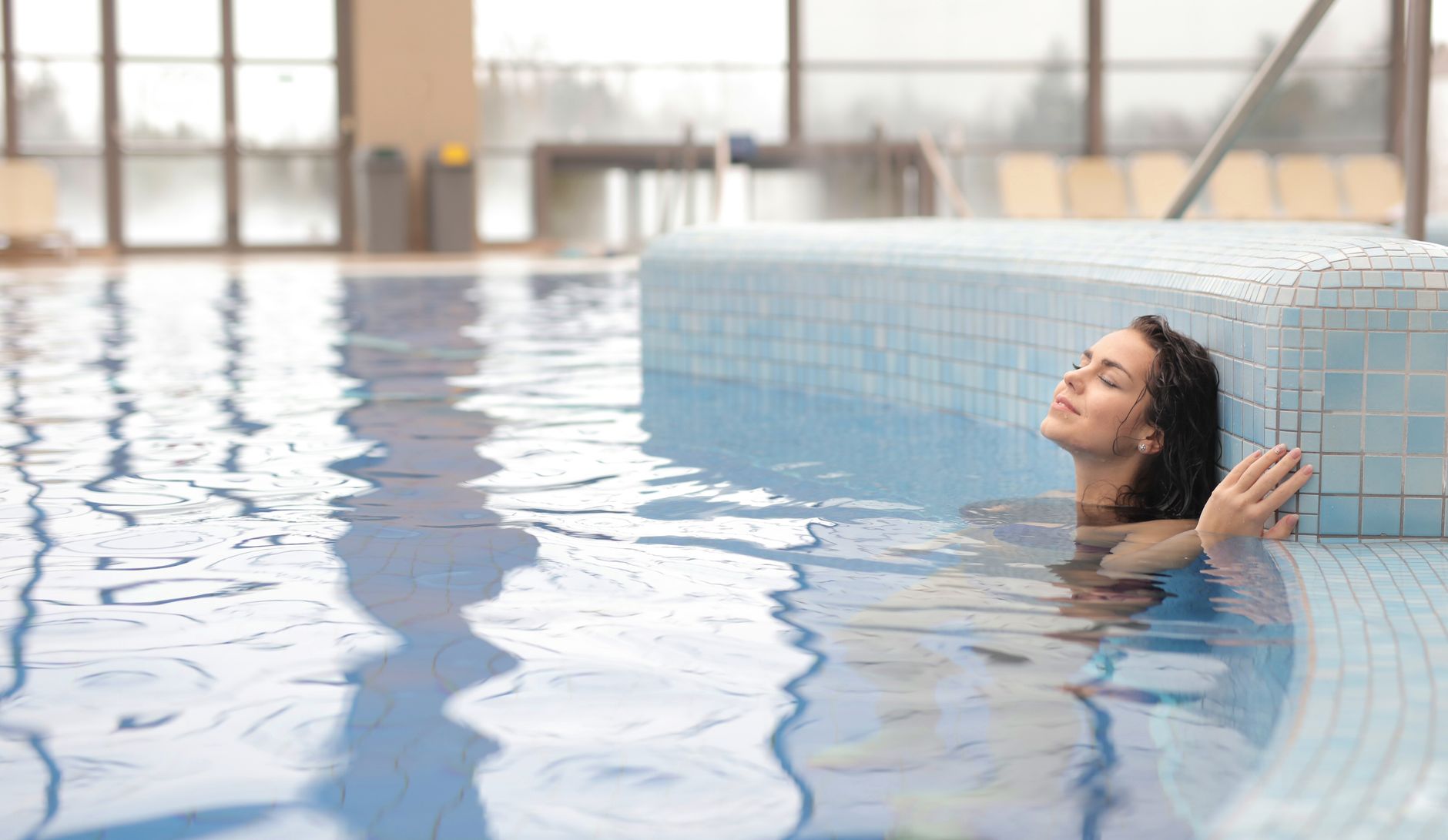
The most elegant of the Italian spa towns — the art-nouveau bathhouses, the parks, and the funicular to Montecatini Alto. Worth a day if you love Belle Époque; a night for the full resort.

Beach · Sicilia
Source VerifiedMondello
Palermo's beach — a sandy crescent with art-nouveau villas and the Monte Pellegrino backdrop. Worth a day if you're in Palermo in summer; skip in August when it's wall-to-wall umbrellas.

Thermal Bath · Veneto
Source VerifiedAbano Terme
The largest thermal resort in Europe — the hot mud (fango) baths, the Euganean Hills, and the medical-spa tradition. Worth a stop for spa-goers and mud-cure pilgrims, between Venice and Padua.

Island · Toscana
Source VerifiedElba
The most accessible Italian island — sandy beaches, Napoleon's exile (Villa San Martino), the iron-mining history, and the mountain. Worth a few days for the beach-and-history mix, and it's an easy ferry from Piombino.

Town · Basilicata
Source VerifiedMetaponto
The Tavole Palatine — 15 standing columns of a 6th-century BC Greek temple — and the ruins of Metapontum, where Pythagoras lived and taught. Worth a stop if you're in Basilicata's Ionian coast.

Town · Liguria
Source VerifiedSanta Margherita Ligure
The practical and elegant base for the eastern Riviera — palm-lined promenade, painted villas, and the boats to Portofino and San Fruttuoso. The place to stay, not the place to day-trip through.

Town · Calabria
Source VerifiedPizzo
The home of the Tartufo di Pizzo — the chocolate-truffle ice cream — and a castle on the cliff. Worth a stop if you're at Tropea, for the ice cream and the view.
Town · Friuli-Venezia Giulia
Source VerifiedGrado
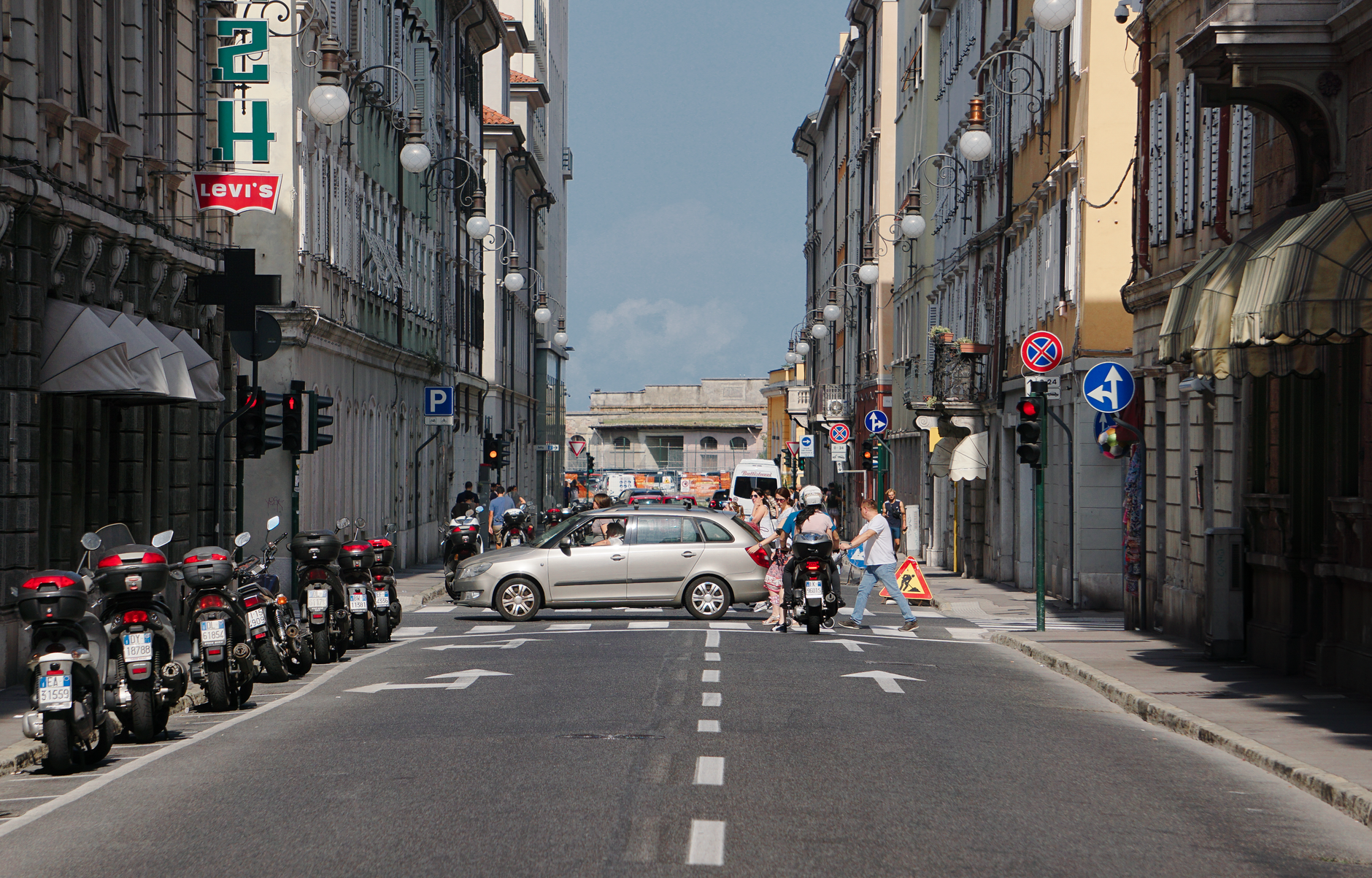
The Friulian beach town — a sandy old center on a lagoon, golden beaches, and a lagoon of cane islands with herons. Worth a night for the lagoon and the old town.

Town · Marche
Source VerifiedGradara
The castle of Paolo and Francesca — the lovers of Dante's Inferno, Canto V — in a perfectly preserved medieval borgo. Worth a stop for the story and the towers.

City · Friuli-Venezia Giulia
Source VerifiedUdine
The best base for Friuli — a Venetian-influenced old center, a Tiepolo cycle, and the densest osterie in the region. Worth a night as the hub.

Town · Liguria
Source VerifiedCamogli
The fishing village next to Portofino, with a harbor of tall pastel houses and a 'thousand windows' — the authentic version of the Riviera postcard, without the yachts. Worth a night.

Town · Calabria
Source VerifiedTropea
The most photographed spot in Calabria, and it earns it: a clifftop old town above clear blue water. Worth a couple of nights if you're doing the south.

Town · Abruzzo
Source VerifiedSulmona
The most elegant town in Abruzzo — a grand aqueduct, a linear old town, and the confetti industry that's been here for centuries. Worth a night as a base for the Maiella.

City · Valle d'Aosta
Source VerifiedAosta
The best-preserved Roman city in the Alps — a triumphal arch, a theater, the walls — in a valley floor below the peaks. Worth a day as a base for the Val d'Aosta.

City · Marche
Source VerifiedAscoli Piceno
The most beautiful town in the Marche you haven't heard of — a center of travertine towers, two great piazzas, and the olive all'ascolana. Worth a night.

City · Molise
Source VerifiedCampobasso
The capital of Italy's least-known region — a castle above, a maze old town below, and almost no tourists. Worth a stop if you're touring Molise, not a destination in itself.

City · Abruzzo
Source VerifiedL'Aquila
The mountain capital of Abruzzo — a grand basilica, the 99-spout fountain, and a city still recovering. Worth a stop for the Collemaggio and the mountain setting, but check what's open.

Town · Molise
Source VerifiedTermoli
The Adriatic face of Molise — a walled old town on a promontory, a castle, and the boats to the Tremiti Islands. Worth a night if you're heading to the islands or touring the coast.
Town · Calabria
Source VerifiedScilla
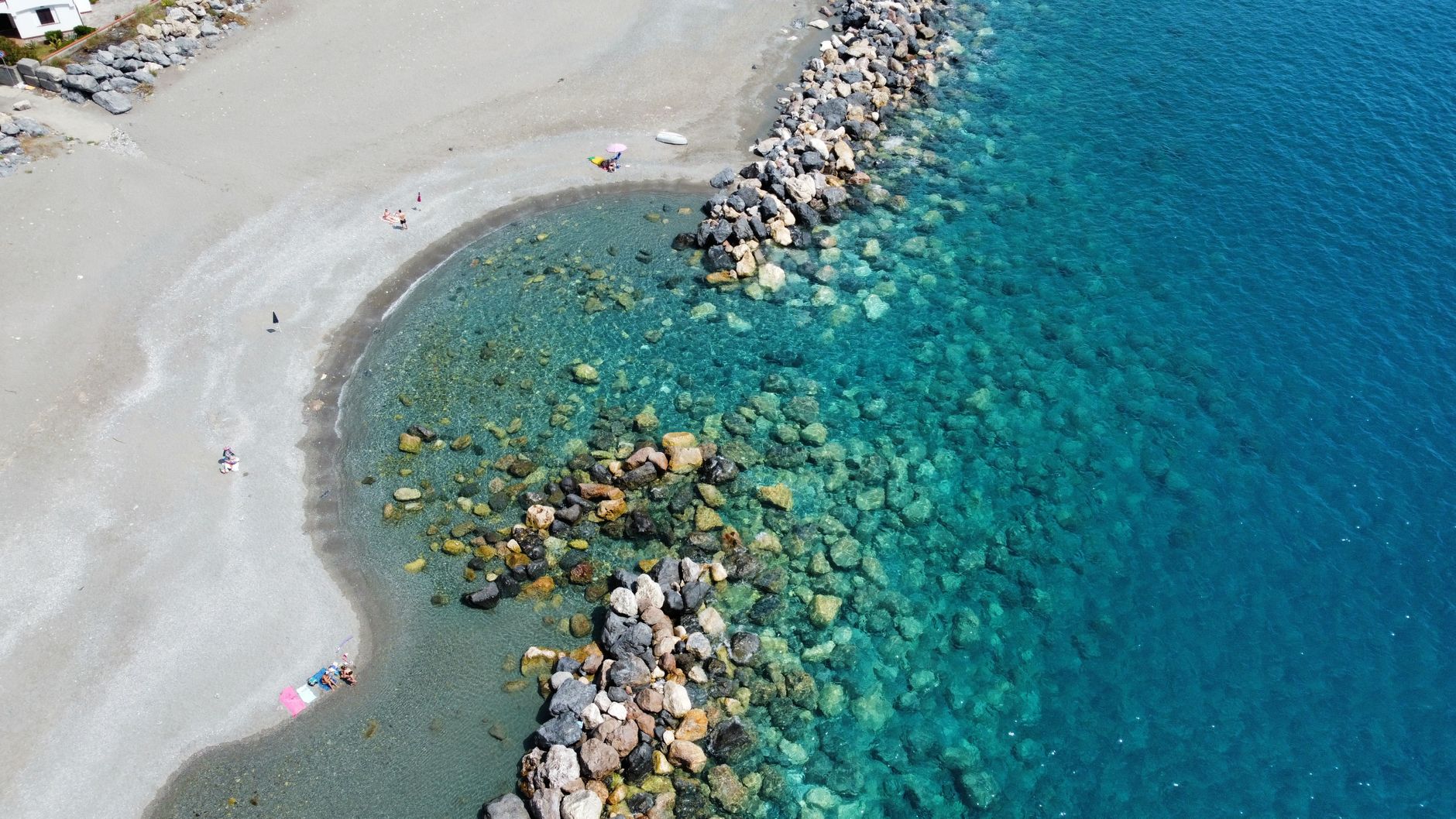
A fishing village that looks like the Aeolian Islands without the ferry — a castle above, painted boats below, swordfish on the grill. Worth a night if you're in the deep south.

Town · Basilicata
Source VerifiedMaratea
The 'Pearl of the Tyrrhenian' — the one stretch of Basilicata coast, with a clifftop old town, a Christ-of-the-Andes-style statue, and hidden coves. Worth a night if you're driving the south.

Town · Friuli-Venezia Giulia
Source VerifiedAquileia
The most important Roman site in northern Italy — the 4th-century mosaic floor of the basilica is the largest in Europe, and the Roman ruins are extensive. Worth a half-day from Grado or Cividale.

Town · Friuli-Venezia Giulia
Source VerifiedCividale del Friuli
The oldest town of Friuli — a Celtic bridge, a Lombard temple (8th century), and a deep, atmospheric gorge. The meeting of Italy, the Alps, and the Slavic east. Worth a night.

Town · Liguria
Source VerifiedPortofino
The postcard is real — a perfect little harbor of pastel houses under pines, with yachts. It's small, expensive, and crowded, but it earns the fame. Worth a half-day; an afternoon, not a week.

Dish · Veneto
Source VerifiedBigoli all'Anatra
The pasta that's the opposite of refined Venetian food, and is loved for it. Bigoli: thick, long, extruded through a press, so the strand is rough and holds sauce. With a slow duck ragù — duck, onion, tomato, and herbs, simmered until the meat shreds. Heavy, gamey, and the cold-weather pasta of the Veneto mainland. Wash it down with a Valpolicella or an Amarone.


Dish · Sicilia
Source VerifiedGranita
The dessert that Sicilians eat for breakfast. A semi-frozen, hand-scraped ice of fruit, coffee, or almond — coarser than gelato, finer than a slushie. Eaten with a brioche (a sweet, soft bun) for dunking, in the morning, in summer. The almond and the coffee versions are the classics. The Messina and Catania versions are the most famous; the Syracusan lemon one is the purest.

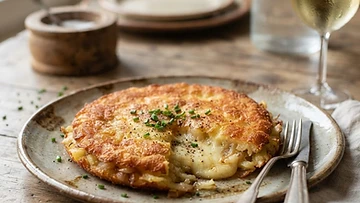
Dish · Friuli-Venezia Giulia
Source VerifiedFrico
The cheese crisp that's the snack of Friuli. A pancake of grated Montasio cheese and potato (or just cheese), fried until the outside is a glass-shard crisp and the inside is still stretchy. Eaten hot, as an antipasto or a snack, with a glass of Friulano white. The crisp-only version (frico croccante) is a cheese wafer; the soft one (frico morbido) is the classic.

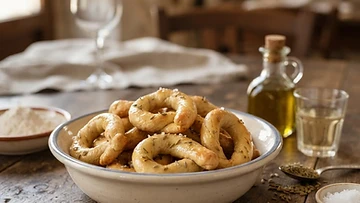
Dish · Puglia
Source VerifiedTaralli Pugliesi
The breadstick of the south, and the snack of every Puglian table. Small rings of dough, boiled like bagels, then baked until hard, with olive oil, white wine, and fennel seeds or chili. Crack them open and eat with salumi, cheese, or just a glass of wine. The plain ones are good; the fennel ones are better. A peasant food that became a national snack.

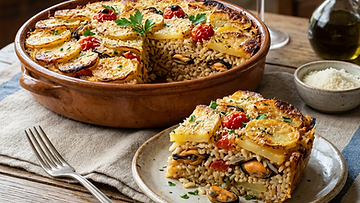
Dish · Puglia
Source VerifiedTiella Barese
The dish that's Puglia's answer to paella: rice, sliced potatoes, and mussels, layered in a pan with onion, tomato, and olive oil, and baked until the bottom is a golden crust. From the Bari fishermen, made to carry to the boats. Eaten hot or cold, in a slice, like a cake. The mussel-and-potato combination is unlikely and works. A street and home dish, not a restaurant one — seek it in a market.

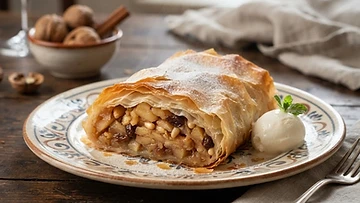
Dish · Trentino-Alto Adige
Source VerifiedStrudel di Mele
The Austrian dessert that the Italians kept. A strudel of paper-thin, hand-stretched pastry, wrapped around apples, raisins, pine nuts, cinnamon, and breadcrumbs, baked until the pastry is glass. From Alto Adige, where the Germanic pastry tradition stayed. Eaten warm, with vanilla sauce or crema, in a South Tyrolean café. The pastry, if it's right, is so thin you can read a newspaper through it.


Dish · Sicilia
Source VerifiedPasta con le Sarde
The dish that proves Sicilian pasta is Arabic in its roots. Bucatini or spaghetti with fresh sardines, wild fennel, saffron, pine nuts, raisins, and a topping of toasted breadcrumbs (instead of cheese). Sweet, salty, fishy, and aromatic — the flavor of the Arab kitchens of old Palermo. The breadcrumbs are 'the poor man's cheese'; use them. A dish no other region makes.

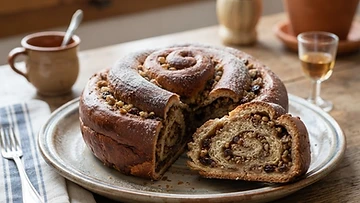
Dish · Friuli-Venezia Giulia
Source VerifiedGubana
The cake of Friulian weddings and Christmas. A round of brioche dough, rolled thin, spread with a filling of walnuts, pine nuts, raisins, citrus zest, grappa, and sugar, then rolled, coiled, and baked — so the cut slice is a spiral. Eaten warm, in slices, with a glass of sweet wine. Slavic in origin (the name is Slovenian), and unlike any other Italian dessert.

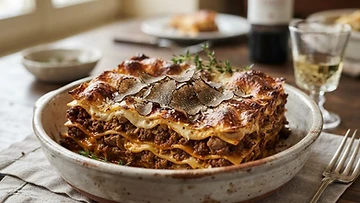
Dish · Marche
Source VerifiedVincisgrassi
The baked pasta of Marche, and the lasagna you've never heard of. Layers of fresh egg pasta, béchamel, and a ragù of beef, pork, and chicken giblets (livers and gizzards), sometimes with a shave of truffle, baked until golden. Richer and more old-fashioned than Bolognese lasagna; the giblets are the Marche touch. A festive, Sunday, or wedding dish, and a genuine alternative to the lasagna everyone knows.

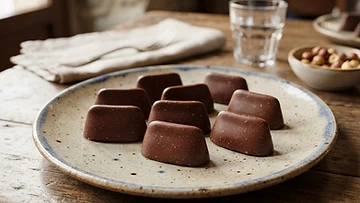
Dish · Piemonte
Source VerifiedGianduiotto
The chocolate that Nutella descends from, and is much better than. A small, boat-shaped piece of gianduja — a blend of cocoa and roasted Piedmontese hazelnuts (Tonda Gentile delle Langhe). Invented in Turin in the 1850s; the first wrapped chocolate in Italy. Eat it from a Turinese chocolatier, where it's still made with care. The nut flavor is deeper than the spread that copied it.


Dish · Veneto
Source VerifiedSarde in Saor
The Venetian cicchetto with the longest memory. Fried sardines marinated in a sweet-sour mix of caramelized onions, white wine, vinegar, pine nuts, and raisins — a preserving technique from the days of sea voyages. Eaten at room temperature, in a bacaro, with a glass of prosecco or an ombra. Sweet, sour, fishy, and ancient — a dish from when Venice was an empire.

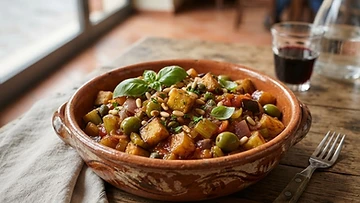
Dish · Sicilia
Source VerifiedCaponata
The dish that is Sicily on a plate: agrodolce (sweet-sour) at its most complex. Fried eggplant, capers, olives, celery, onion, tomato, and vinegar and sugar, simmered into a relish. Eaten cold, as an antipasto or a side. Every Sicilian town has its version — Palermo with octopus, Catania with peppers — and all of them are the same idea: sweet, sour, savory, and unmistakably island.


Dish · Marche
Source VerifiedBrodetto di Pesaro
The fish stew of the Adriatic coast, and Marche's great seafood dish. A rule-bound mix of at least 13 different fish (the number varies by port), cooked with vinegar, tomato, garlic, and pepper, in a wide, shallow pot, so the fish steams rather than boils. Eaten with bread to sop the broth. Each port has its version — Ancona, Fano, San Benedetto — and each insists its own is the only true one. Eat it on the coast, not inland.

Dish · Veneto
Source VerifiedRisotto al Nero di Seppia
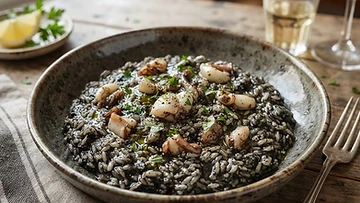
The dish that turns a plate black and a fork purple. Carnaroli rice, cooked with cuttlefish, white wine, and the cuttlefish's own ink, until the rice is a glossy, jet-black mass. Briny, mineral, and elegant — the ink is not a flavor, it's a texture and a color. Eaten in a Venetian bacaro or trattoria, looking at a canal. The stain on your lips is the proof you ate it.

Dish · Puglia
Source VerifiedOrecchiette con le Cime di Rapa
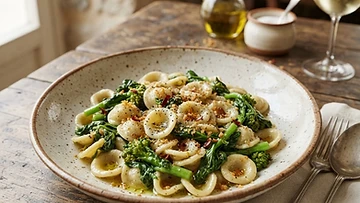
The dish that is Puglia in a bowl. Orecchiette — hand-shaped 'little ear' pasta — with bitter turnip tops (cime di rapa), garlic, anchovy, chili, and olive oil. The bitterness of the greens, the salt of the anchovy, and the heat of the chili are the whole point. It's peasant food from Bari, made from things that grow in the garden. Eat it in Bari, or in any Puglian town, and you understand the region.


Dish · Piemonte
Source VerifiedVitello Tonnato
The cold dish that defines a Piedmontese summer, and that the rest of Italy now eats too. Thin slices of cold braised veal, covered in a sauce of tuna, capers, anchovy, olive oil, and egg — emulsified into a creamy, savory blanket. The sauce is the work; the veal is the canvas. Invented in Turin, eaten across the north all summer. Best made a day ahead, so the flavors marry.


Dish · Piemonte
Source VerifiedGrissini di Torino
The breadstick that the world copied, and that Piedmont still does best. Long, pencil-thin, dry, and crisp, originally invented in Turin in the 17th century for a sick duke who couldn't digest bread. Eaten at every Piedmontese meal, as a starter, with prosciutto wrapped around them. The rubatà (hand-rolled) version is thicker and rougher than the industrial one. A small thing, done right.


Dish · Veneto
Source VerifiedFegato alla Veneziana
The liver dish that turned liver-haters into believers. Thin slices of calf's liver, cooked quickly with a pile of softened, caramelized onions, white wine, and a splash of vinegar or polenta on the side. The onions make the liver sweet; the speed keeps it tender. One of the great Venetian classics, and the dish that proves liver can be a luxury.

Dish · Valle d'Aosta
Source VerifiedFonduta Valdostana
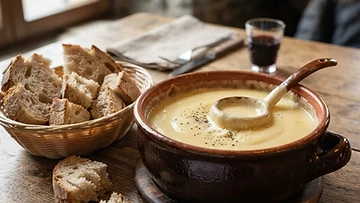
The Italian fondue, and the dish that proves Fontina is a melting cheese. Fontina, melted slowly with milk, butter, and egg yolks, until smooth and glossy, served in a communal pot, for dipping cubes of crusty bread. Unlike the Swiss version, no wine, no kirsch — just cheese, milk, and egg. The cold-weather dish of the Valle d'Aosta, eaten in a mountain rifugio, after a day in the snow.

Dish · Campania
Source VerifiedPizza Napoletana
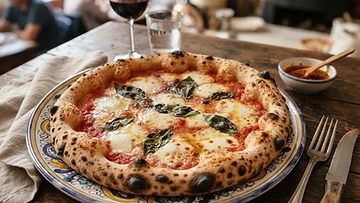
The most famous food in Italy, and the one that genuinely lives up to the hype. Neapolitan pizza is a DOC-regulated product with rules: a wet dough, San Marzano tomatoes from Vesuvius, fior di latte or bufala mozzarella, and an oven that cooks it in under 90 seconds. The crust is the point — soft, foldable, and slightly charred. Go to Naples, stand in line, eat it with your hands.


Dish · Sicilia
Source VerifiedCannoli
The dessert that defines Sicily: crisp, fried pastry shells filled with sweetened ricotta (traditionally sheep's milk), with candied orange or pistachios at the ends. The key is that they're filled to order — a pre-filled cannoli is a soggy cannoli. Get them from a pasticceria in Palermo or Catania, watch them fill it, eat it immediately. Not the airport version.

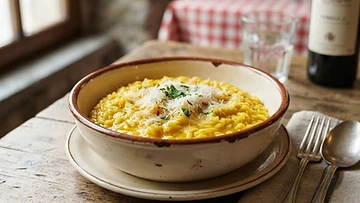
Dish · Lombardia
Source VerifiedRisotto alla Milanese
Milan's signature dish, and the most golden plate in Italy. Carnaroli rice, saffron threads, beef marrow, Parmigiano, and butter, stirred to a creamy 'all'onda' (wave-like) consistency. Born in the Duomo workshops, legend says, when a saffron-stained window was the inspiration. Rich, fragrant, and the only correct side for ossobuco.

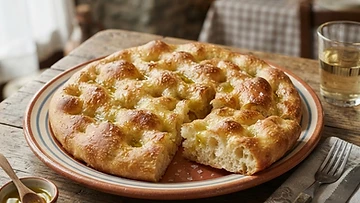
Dish · Liguria
Source VerifiedFocaccia Genovese
The bread of Genoa, eaten morning, noon, and night. A high-hydration dough, dimpled with fingers, drenched in olive oil and salt, and baked until the top is golden and the inside is custardy. Eat it plain, with cheese, or split and filled with stracchino. The Genoese eat it for breakfast with a cappuccino — don't judge.

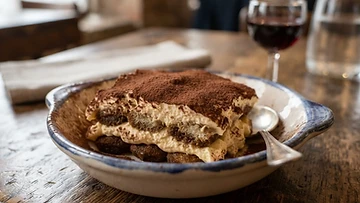
Dish · Veneto
Source VerifiedTiramisù
The dessert every Italian restaurant in the world serves, born in Treviso in the 1960s. Ladyfingers dipped in espresso, layered with a cream of mascarpone, egg yolks, and sugar, dusted with cocoa. Simple, rich, and better than its reputation — the bad imitations gave it a bad name. In Treviso and Venice, the original is worth re-evaluating.


Cured Meat · Trentino-Alto Adige
Source VerifiedSpeck
The ham of the Alps. Pork leg, dry-cured like prosciutto, then lightly cold-smoked over juniper, laurel, and other woods, and aged. The result is somewhere between prosciutto and smoked ham — savory, smoky, and leaner than Parma. From Alto Adige, where the Germanic and Italian food cultures meet. Eat it with dark bread, mustard, and a beer, or in a canederlo (bread dumpling).

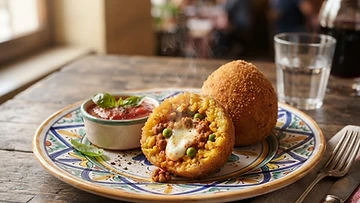
Dish · Sicilia
Source VerifiedArancini
Sicily's great hand food: balls of saffron risotto, stuffed with meat ragù, mozzarella, and peas, breaded and fried. In eastern Sicily they're called arancini (masculine, the size of small oranges); in the west, arancine (feminine). The Catania version has a conical shape, said to imitate Etna. Eat them hot from a fry shop, on the street, for a euro or two.

Dish · Campania
Source VerifiedSpaghetti alle Vongole
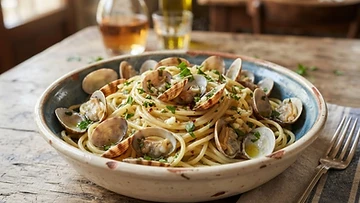
The dish that proves Italian seafood pasta doesn't need tomato. Spaghetti with fresh vongole (clams), garlic, white wine, olive oil, parsley, and a little chili. No cream, no tomato, no complication — the clams are the sauce. The Neapolitan and Venetian versions both claim it; the Campania version, with the sweet local clams, is the benchmark. Eat it on the coast, looking at the sea.

Dish · Toscana
Source VerifiedBistecca alla Fiorentina
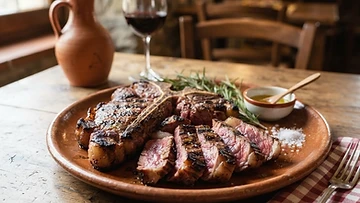
The dish of Tuscany, and the one that divides people. A thick T-bone from Chianina cattle, grilled over wood embers, served rare — very rare — with only salt, olive oil, and sometimes rosemary. You order it by the kilo for a group. It's expensive, it's theatrical, and when it's good it's one of the best meat experiences in Europe. When it's bad it's an expensive chew.


Dish · Lazio
Source VerifiedCacio e Pepe
The simplest Roman pasta and the hardest to get right. Three ingredients: tonnarelli pasta, pecorino romano, black pepper. The magic is the emulsion — the starchy pasta water melts the cheese into a sauce that clings to every strand. When it's right, it's the best three-ingredient dish in the world. When it's wrong, it's a clumpy mess.

Dish · Lombardia
Source VerifiedOssobuco
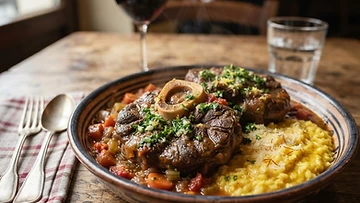
Cross-cut veal shanks braised with vegetables, white wine, and broth until the meat collapses and the marrow in the bone center turns to butter. Served with a gremolata of lemon zest, garlic, and parsley to cut the richness. The correct pairing is risotto alla Milanese. It's the cold-weather dish of Milan, and a reason to go in winter.


Cheese · Puglia
Source VerifiedBurrata
The cheese that became a restaurant trend everywhere, and is still best in Puglia. A pouch of mozzarella filled with stracciatella (shredded mozzarella and cream). Eat it the day it's made, at room temperature, with good bread and a tomato. In Puglia, it's breakfast food, not a dinner-party starter. The version that travels is never the same.


Cheese · Valle d'Aosta
Source VerifiedFontina
The cheese of the Alps, from the Valle d'Aosta. Cow's milk, aged 3 months, semi-soft, with a dense, earthy flavor. The melting cheese for fonduta valdostana (the Italian fondue) and for fontina polenta. Eat it young and firm, or melted. The DOP version is only from the Valle d'Aosta; the imitations are from everywhere.

Cured Meat · Emilia-Romagna
Source VerifiedCulatello di Zibello
The luxury cut of Italian cured meat: the heart of the prosciutto, deboned and cured on its own, in the foggy lowlands near Zibello. Aged 12-36 months in damp cellars where the mold is part of the process. Sweeter, softer, and more expensive than whole prosciutto. If Parma ham is the everyday luxury, culatello is the special-occasion one.


Cheese · Campania
Source VerifiedMozzarella di Bufala Campana
The mozzarella that changes minds about mozzarella. Made from water buffalo milk in a DOP zone south of Naples (Caserta, Salerno, and parts of Lazio and Molise). Softer, wetter, and more lactic than the cow's-milk version (fior di latte), with a grassy, almost tangy flavor. Eat it the day it's made, at room temperature, with nothing. The stuff on supermarket pizzas is not this.

Cured Meat · Friuli-Venezia Giulia
Source VerifiedProsciutto di San Daniele
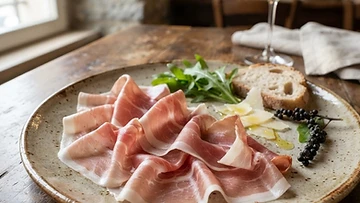
The other great Italian ham, and for many, the better one. Cured in San Daniele del Friuli, where the Alpine air meets the Adriatic humidity — a microclimate that makes a sweeter, more delicate ham than Parma. Only salt and air, aged 13 months minimum, pressed flatter than Parma. Less famous than Parma, and that's the appeal — fewer tourists, better value, and arguably more elegant.

Dish · Lazio
Source VerifiedCarbonara
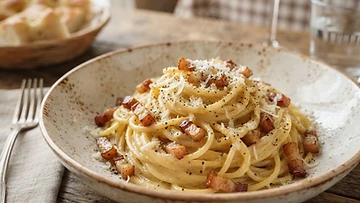
The Roman pasta the world gets most wrong. Real carbonara is guanciale (cured pork jowl), pecorino romano, egg yolk, and black pepper — no cream, no garlic, no bacon. The heat of the pasta cooks the egg into a glossy sauce. It's rich, sharp, and takes 10 minutes. The version with cream is a different dish; this is the one.


Cheese · Lazio
Source VerifiedPecorino Romano
The cheese that makes Roman pasta work. Sheep's milk, aged 5-8 months for table use, longer for grating. Salty, sharp, and dry — it's the pecorino in cacio e pepe, carbonara, and amatriciana. Most is now made in Sardinia (the milk is the same; the zone was extended), but the Roman tradition is the reason it exists. Try it young and soft, not just grated and dry.


Cured Meat · Emilia-Romagna
Source VerifiedMortadella di Bologna
The cold cut that America renamed 'bologna' and forgot. The real Mortadella di Bologna is a vast, rosy-pink emulsion of pork, studded with pistachios, gently spiced, and sliced thin enough to see through. It's delicate, not the rubbery deli loaf it became. Eat it in Bologna on a piece of focaccia, or with a tigella (a small flatbread). IGP-protected, and a point of civic pride.

Dish · Lazio
Source VerifiedAmatriciana
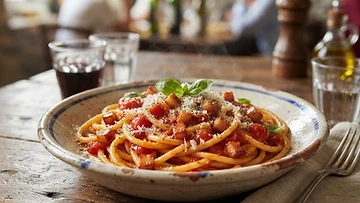
The Roman pasta with an origin story: from Amatrice, a town on the Lazio-Marche border, brought to Rome. Guanciale, tomato, pecorino, chili, and a little white wine. It's the savory, tangy one — less rich than carbonara, less minimalist than cacio e pepe, and arguably the most balanced of the four. The town of Amatrice was badly damaged in the 2016 earthquake; eating the dish is a small act of memory.

Dish · Emilia-Romagna
Source VerifiedTortellini in Brodo
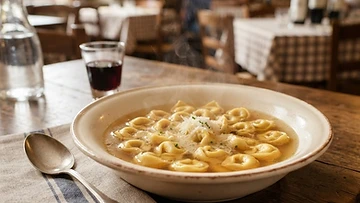
The dish that separates Bologna's cooks from everyone else's. Tortellini — tiny, hand-shaped pasta rings filled with pork, prosciutto, and Parmigiano — served in a clear, golden capon broth. The broth is the work: it must be clear, not cloudy, and deep in flavor. It's the dish Bolognese grandmothers are judged by. In Bologna, in winter, it's the most comforting thing on the menu.

Cheese · Lombardia
Source VerifiedGrana Padano
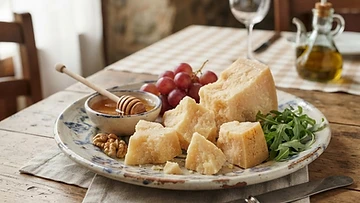
Parmigiano's less famous, less expensive, slightly less complex sibling. Made similarly (skimmed milk, aged) but across a wider zone (Lombardy, Veneto, Emilia, Piedmont, Trentino) and with fewer restrictions. The 16-month version is the workhorse of Italian cooking; the 24-month is a genuinely fine cheese. If you can't get Parmigiano, Grana is the answer — and it's cheaper because the zone is bigger, not because it's bad.


Cheese · Lombardia
Source VerifiedGorgonzola
The blue cheese that divides people, and that's the point. Two versions: Gorgonzola Dolce (sweet, soft, creamy, young) and Gorgonzola Piccante (sharp, crumbly, aged). Made in the zone between Milan and Novara. The Dolce is for spreading on bread or polenta; the Piccante is for eating with a spoon and a glass of Barolo. Both are better than the pre-crumbled version in the supermarket.

Cured Meat · Lombardia
Source VerifiedBresaola della Valtellina
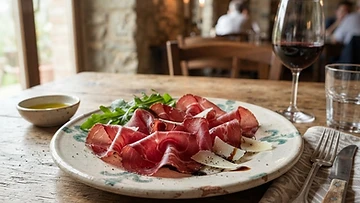
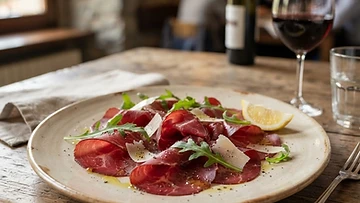
The lean cured meat, for when you can't face pork. Beef (usually from the underleg), salted and air-dried in the Valtellina valley for 2-3 months, with spices and wine. Sliced thin, ruby-red, lean, and tender. Eaten with olive oil, lemon, and black pepper, or with arugola and Parmigiano. The PGI zone is the Valtellina, in the Lombard Alps north of Lake Como.

Dish · Liguria
Source VerifiedPesto alla Genovese
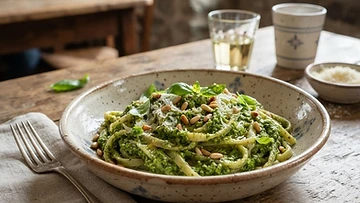
The sauce that made Liguria famous. Basil from Pra (the Genoese district), pine nuts, garlic, Parmigiano, pecorino, and Ligurian olive oil, traditionally pounded in a marble mortar. Served with trofie (twisted pasta), trenette, or with potatoes and green beans. The jarred version is fine; the fresh-pounded version in Genoa is a different thing entirely.


Dish · Emilia-Romagna
Source VerifiedTagliatelle al Ragù
What the world calls 'spaghetti Bolognese' is not this. Tagliatelle al ragù is flat egg-ribbon pasta with a slow-cooked sauce of beef, pork, and pancetta, tomato, and wine, simmered for hours. No garlic, no herbs, no cream. It's rich, gentle, and entirely about the meat and the time. Bologna is Italy's food capital for a reason, and this is the reason.

Dish · Lazio
Source VerifiedGricia
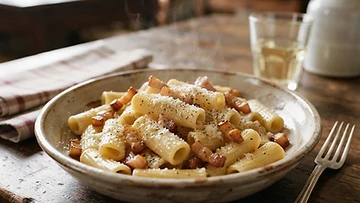
The least known of the Roman four, and the one purists love. Guanciale and pecorino, no tomato, no egg — just pork fat and cheese emulsified with pasta water. It's carbonara without the egg, amatriciana without the tomato. The oldest of the family, and the most austere. Order it to complete the set.

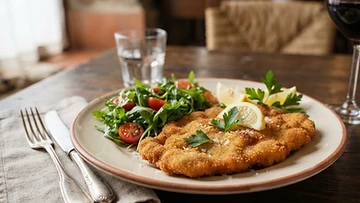
Dish · Lombardia
Source VerifiedCotoletta alla Milanese
A bone-in veal cutlet, pounded thin, dipped in egg and breadcrumbs, and fried in butter — not oil. The Milanese version includes the bone (and is thicker) than the Viennese; the dispute over who invented it is endless. Crisp, buttery, and the dish that defines Milanese meat cookery. Eat it with risotto or rocket and tomato.

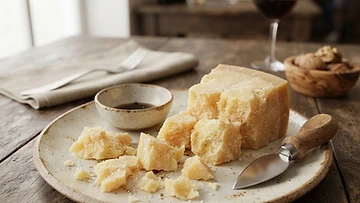
Cheese · Emilia-Romagna
Source VerifiedParmigiano Reggiano
The most important cheese in Italy, and possibly in the world. Made from skimmed evening milk and whole morning milk, aged a minimum of 12 months (usually 24-36, sometimes 48+). Only from the zone between Parma and Reggio Emilia, from cows fed on local forage. Crystalline, granular, and umami-rich. The 36-month version is the everyday luxury; the 48-month is the revelation. No 'parmesan' is the same.

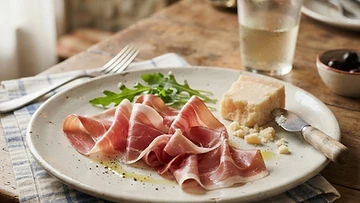
Cured Meat · Emilia-Romagna
Source VerifiedProsciutto di Parma
The ham that defines Italian cured meat. Pork leg, cured with only salt and air (no nitrates, no smoke), aged 12-36 months in the Parma hills, where the air from the sea and the mountains does the work. Sweet, silky, and pale. The 24-month version is the benchmark; the 36-month is deeper and more complex. Parma and San Daniele are the two great hams; Parma is the sweeter, more famous one.

Wine Region · Veneto
Source VerifiedValpolicella
The home of Amarone, and an easy day trip from Verona. The valley is pretty, the wineries are well-organized for visitors, and Verona gives you a real city to come back to at night. The most accessible serious wine region in Italy — you don't need to commit a full week to understand it.

Wine Appellation · Piemonte
Source VerifiedGavi di Gavi DOCG
The most famous Piedmontese white — crisp, dry, and food-friendly. The best bottles come from vineyards within the commune of Gavi itself ('Gavi di Gavi'). Reliable and widely available.

Wine Appellation · Veneto
Source VerifiedSoave DOC
Unfairly known for the thin, mass-market version. The real Soave — from old-vine Garganega on the volcanic Soave Classico hills — is one of Italy's most underrated whites. Seek out the Classico zone.

Wine Region · Lombardia
Source VerifiedFranciacorta Wine Region
Italy's Champagne country, on the glacial hills south of Lake Iseo. Compact, well-organized for visitors, and a genuine alternative to Champagne at lower prices for comparable quality. Pair with a day on Lake Iseo for a relaxed long weekend — the lake is one of Italy's most underrated.

Wine Appellation · Lombardia
Source VerifiedFranciacorta DOCG
Italy's Champagne — made the same traditional way, with the second fermentation in the bottle and long lees aging. Far less famous than Prosecco but far more serious: more structure, more complexity, more price. Worth seeking out and worth the cost for anyone who takes sparkling wine seriously.

Wine Appellation · Veneto
Source VerifiedAmarone della Valpolicella DOCG
The big, dried-grape red of Valpolicella. Grapes are laid on bamboo racks (in fruttaio) to dry through winter, concentrating sugars and flavors before a slow fermentation. Powerful, expensive, and divisive — some find it profound, others find it exhausting. Worth tasting once to know where you land. The sweet version, Recioto, is the original.

Wine Appellation · Sicilia
Source VerifiedNero d'Avola
Sicily's most important red. The cheap versions are everywhere; the good versions — from older vines, lower yields, and serious producers — are some of the best value reds in Italy.
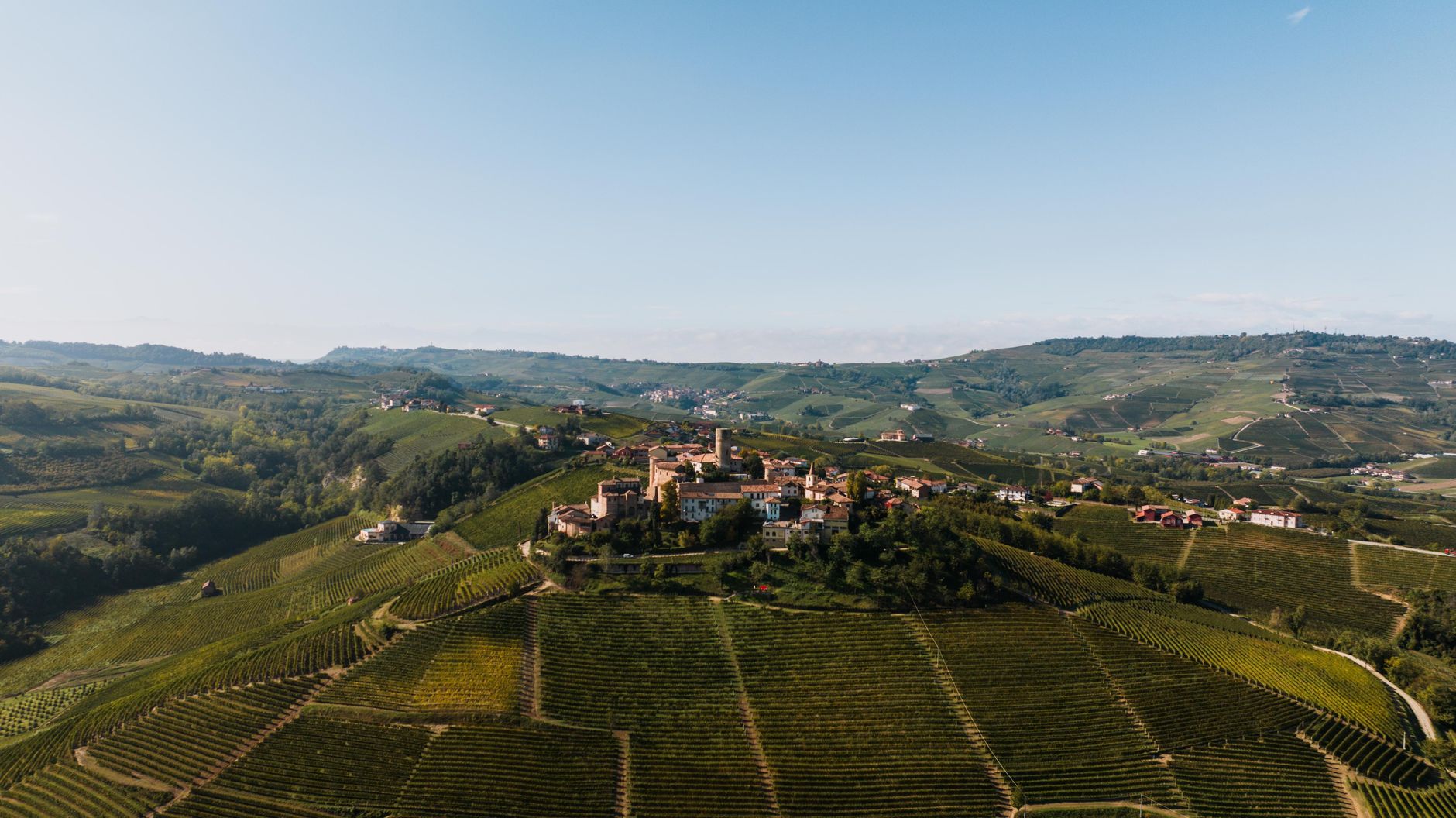
Wine Appellation · Veneto
Source VerifiedProsecco di Valdobbiadene DOCG
The world's best-selling sparkling wine — but the good stuff, from the steep Valdobbiadene hills and the Cartizze hilltop, is genuinely fine, with a delicacy and orchard-fruit character the supermarket tank version can't touch. The landscape is a UNESCO World Heritage site for a reason: impossibly steep hills, hand-harvested vines, and a wine route that's one of the easiest day trips from Venice or Treviso.

Wine Appellation · Trentino-Alto Adige
Source VerifiedTrento DOC
The sparkling wine most people haven't heard of but should have. Traditional method, Alpine grapes, rigorous standards. If you like Franciacorta, you'll like this — often for less money.
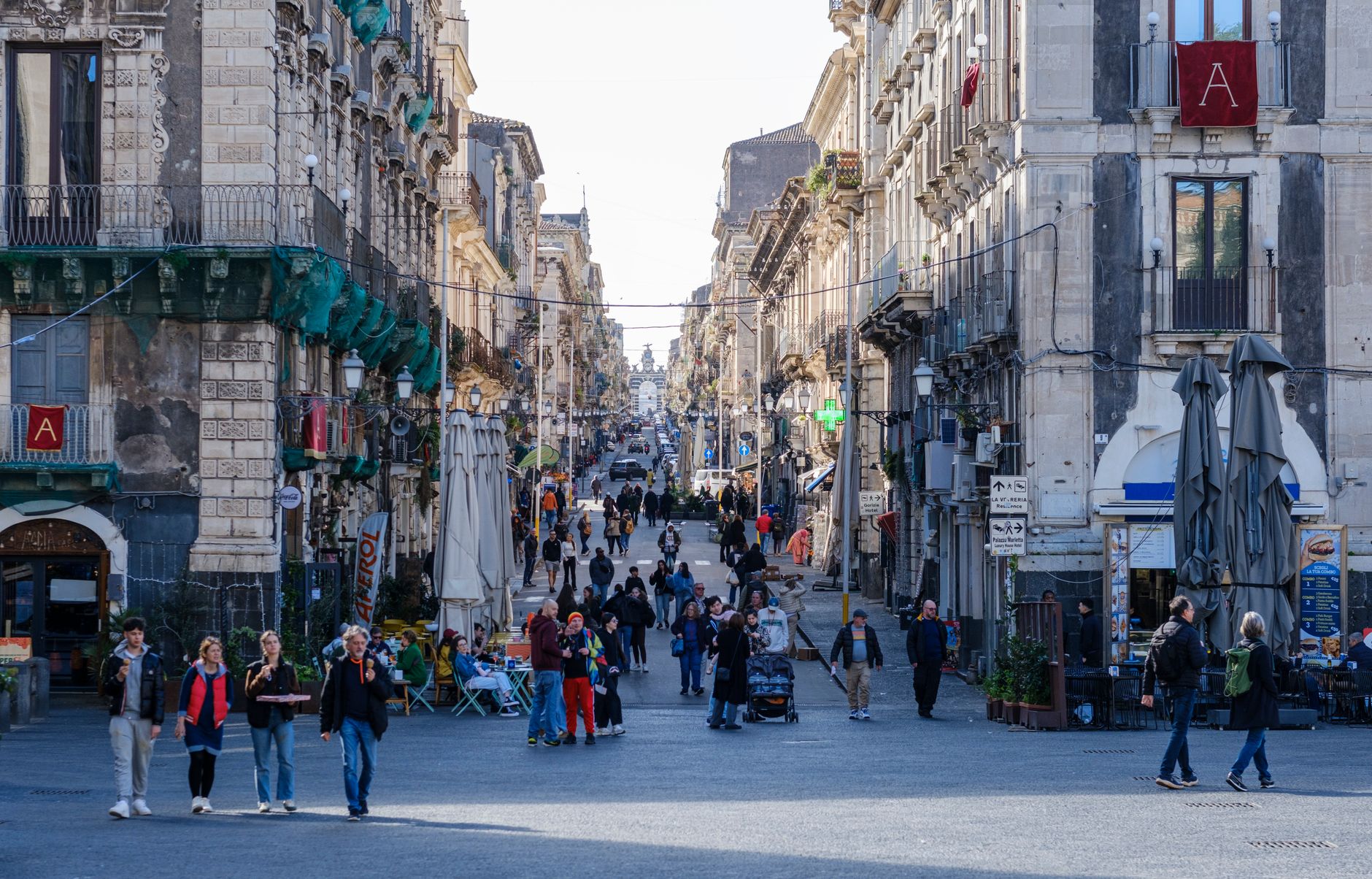
City · Sicilia
Source VerifiedCatania
Catania is worth a night as the base for Etna and the east coast. It is grittier than Palermo but has a great fish market and a Baroque center built from Etna's lava stone. Use it as a hub.

Town · Umbria
Source VerifiedSpoleto
Spoleto is worth a half-day if you're touring Umbria. The Romanesque cathedral and the Rocca fortress are the essentials. Go during the Festival dei Due Mondi (June-July) for the atmosphere.
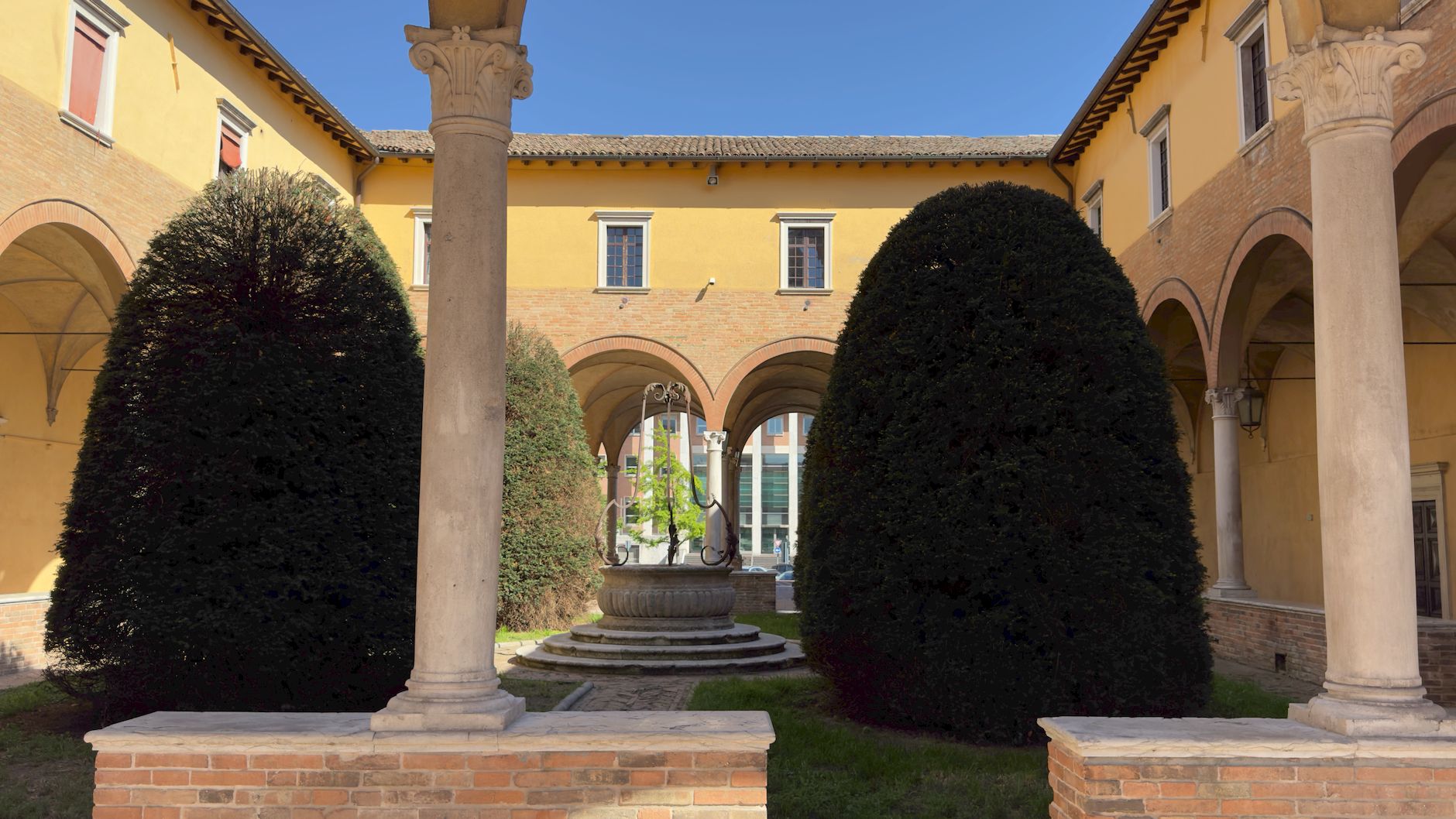
City · Emilia-Romagna
Source VerifiedFerrara
Ferrara is worth a half-day from Bologna. It is flat, cyclable, and uncrowded. The Este castle and the Palazzo dei Diamanti are the essentials. Pair with Ravenna.

City · Lazio
Source VerifiedTivoli
Tivoli is worth a day trip from Rome if you have extra time. Villa d'Este's fountains and Hadrian's Villa are both extraordinary. Do both in a day; take the train or a tour.
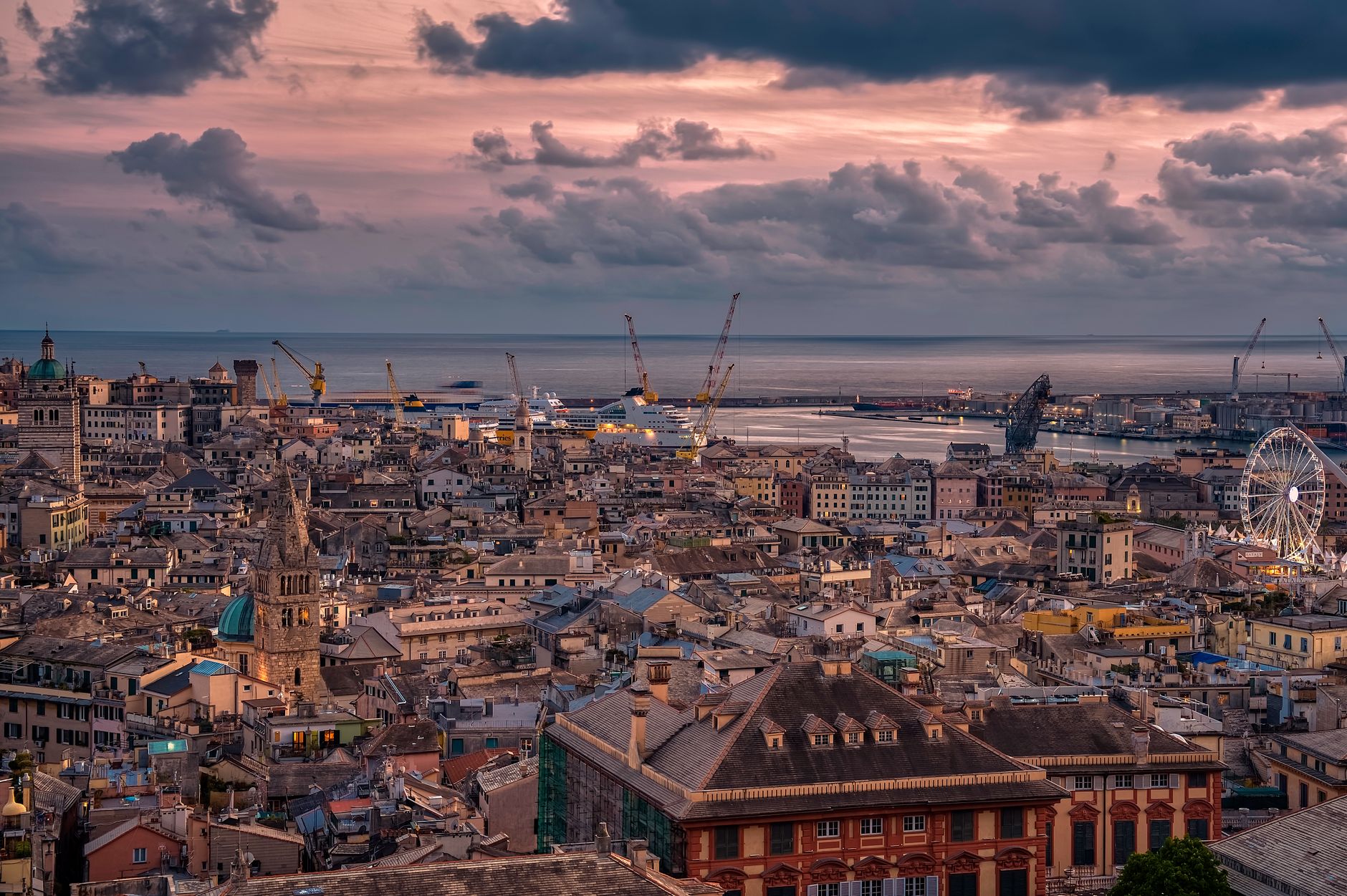
City · Liguria
Source VerifiedGenoa
Genoa is worth a night and is the most underrated major city in Italy. It is gritty, grand, and maritime. Pair it with the Cinque Terre and Portovenere for a Ligurian circuit.
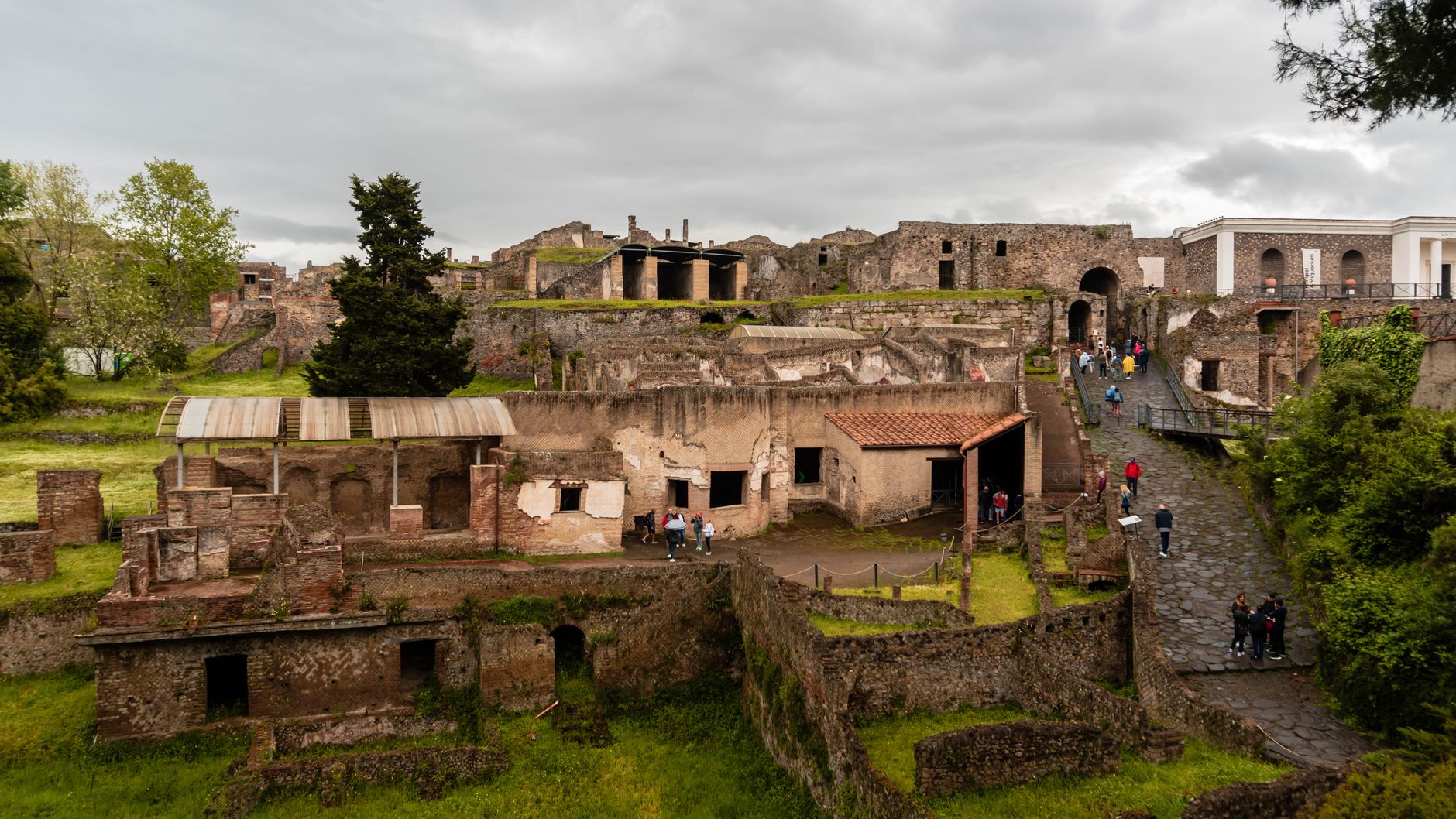
Archaeological Site · Campania
Source VerifiedHerculaneum
Herculaneum is worth a half-day and is the better archaeological site than Pompeii if you can only do one. It is smaller, shaded, less crowded, and the preservation is more intimate.
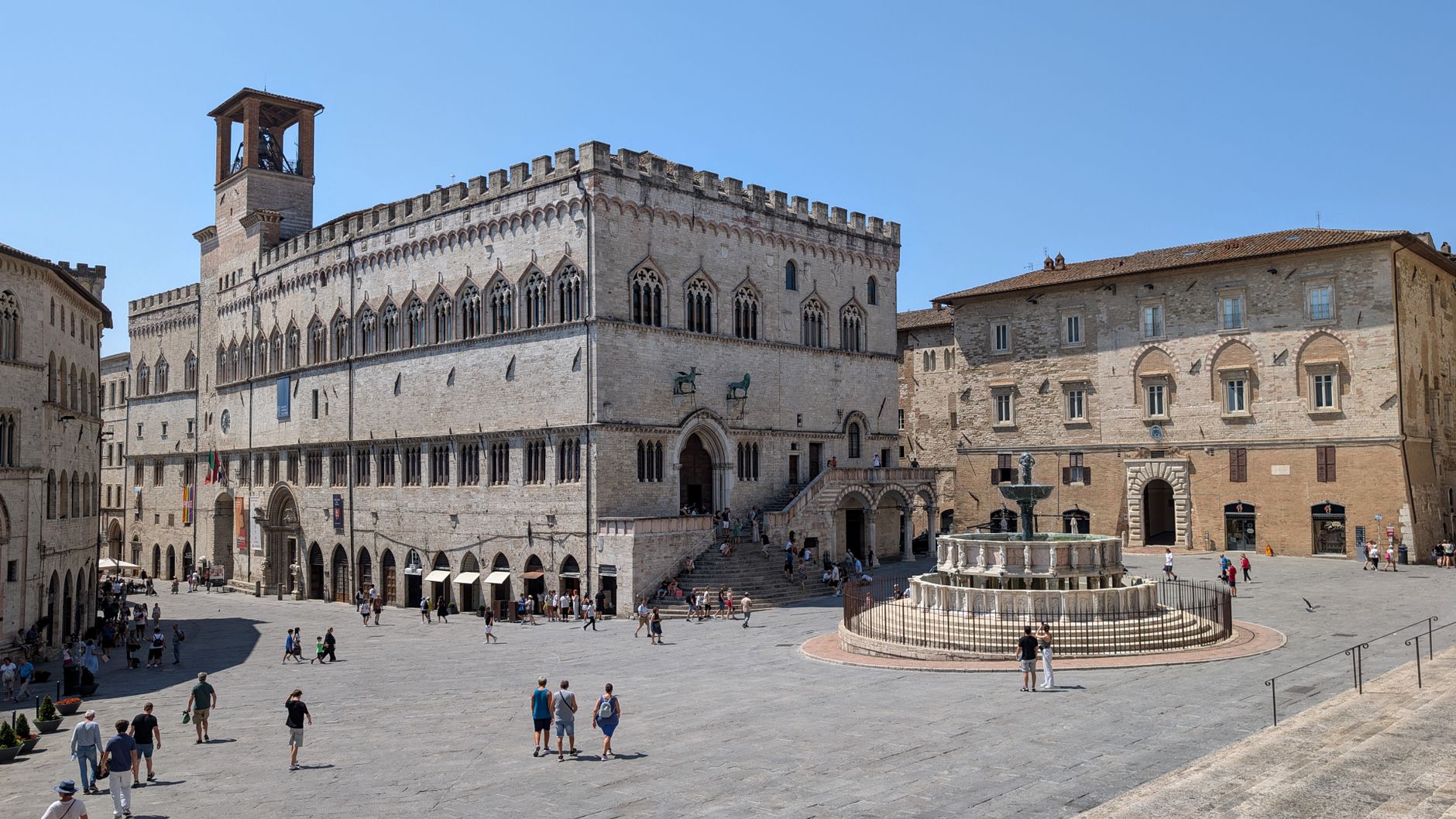
City · Umbria
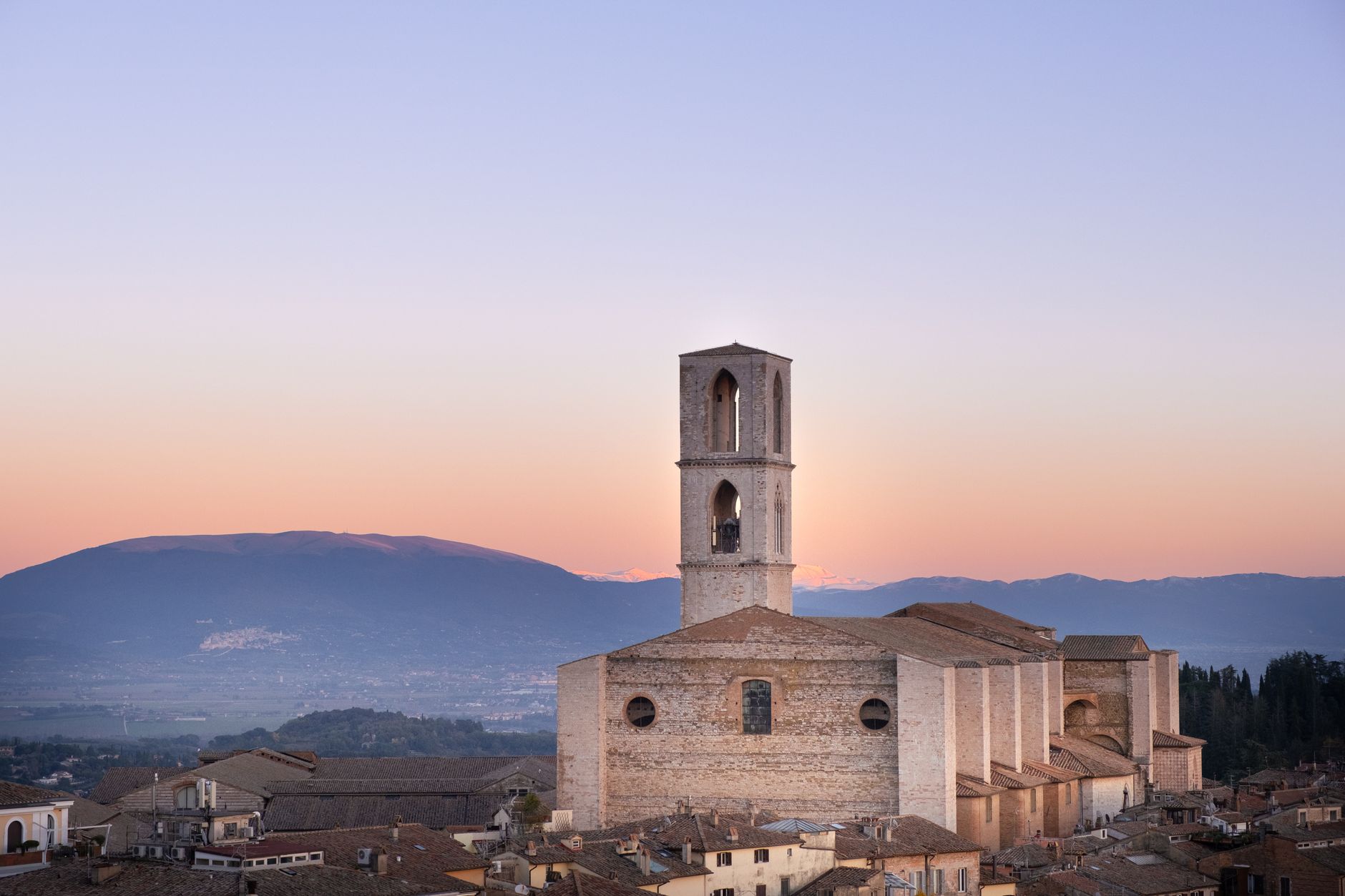
Source VerifiedPerugia
Perugia is worth a night as a base for Umbria, or a day trip paired with Assisi. It is livelier than Assisi and a real city. The historic center on top of the hill is the part that matters.
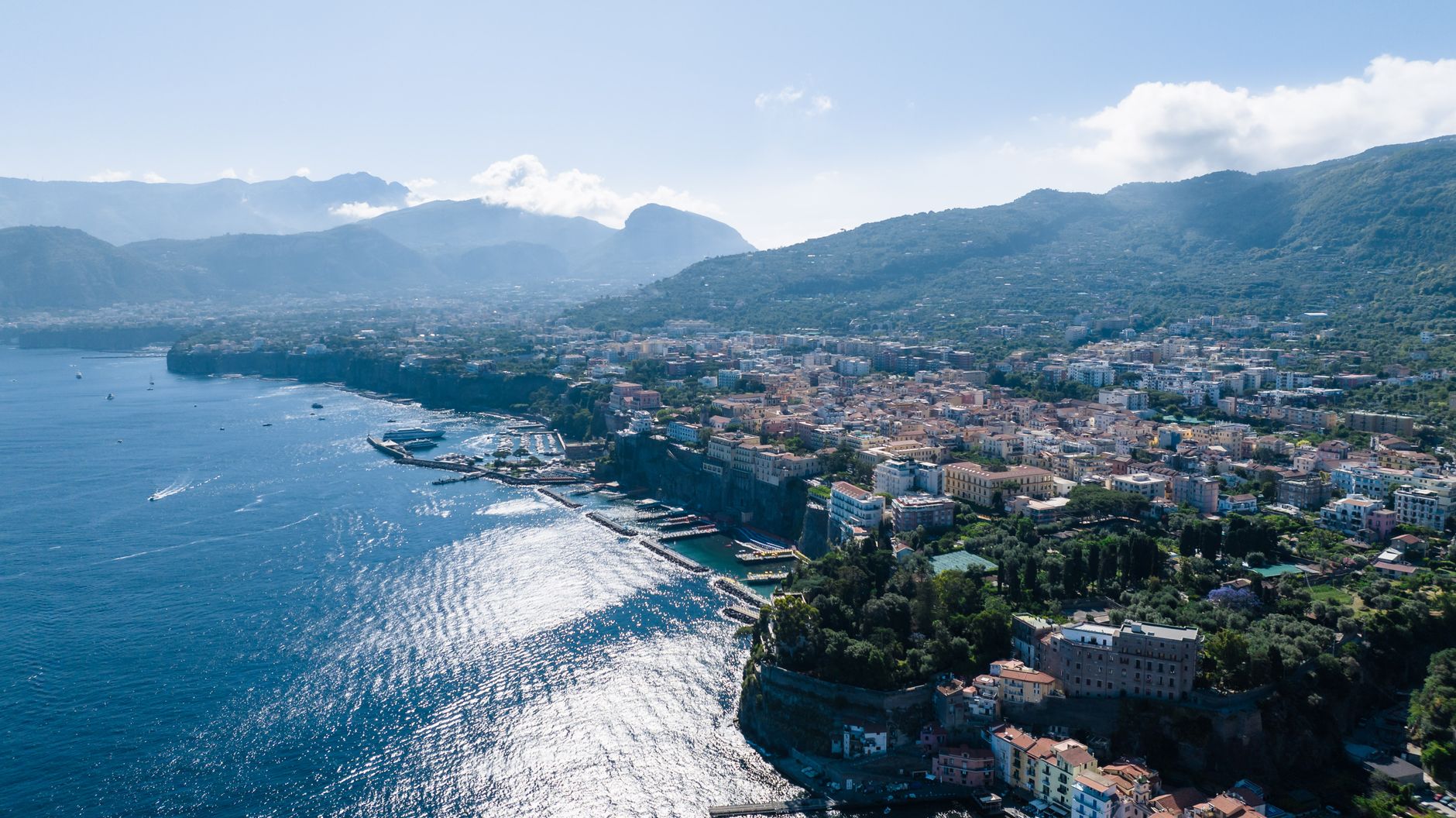
Town · Campania
Source VerifiedSorrento
Sorrento is worth a night or two as a base, not as a destination. It is the logistical hub for the Amalfi Coast, Capri, and Pompeii. It is pleasant and touristy; stay here for the connections, not the charm.
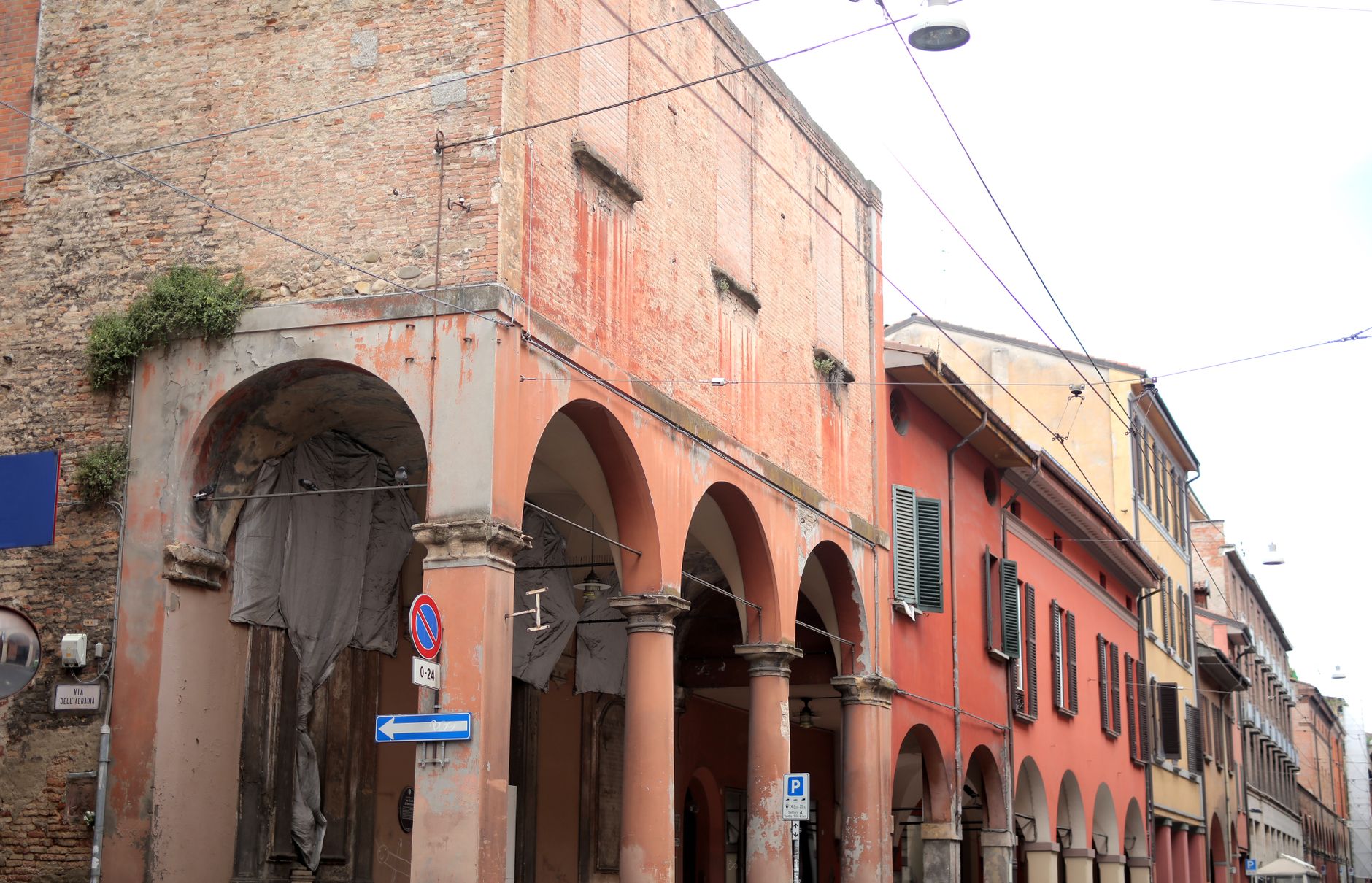
City · Emilia-Romagna
Source VerifiedModena
Modena is worth a half-day or a lunch from Bologna. The cathedral and the food market are the essentials. Book ahead if you want Bottura; otherwise eat tortellini in any trattoria.

City · Emilia-Romagna
Source VerifiedParma
Parma is worth a half-day from Bologna. Eat prosciutto di Parma and Parmigiano-Reggiano at the source, see the cathedral frescoes, and leave satisfied. Pair with Modena.
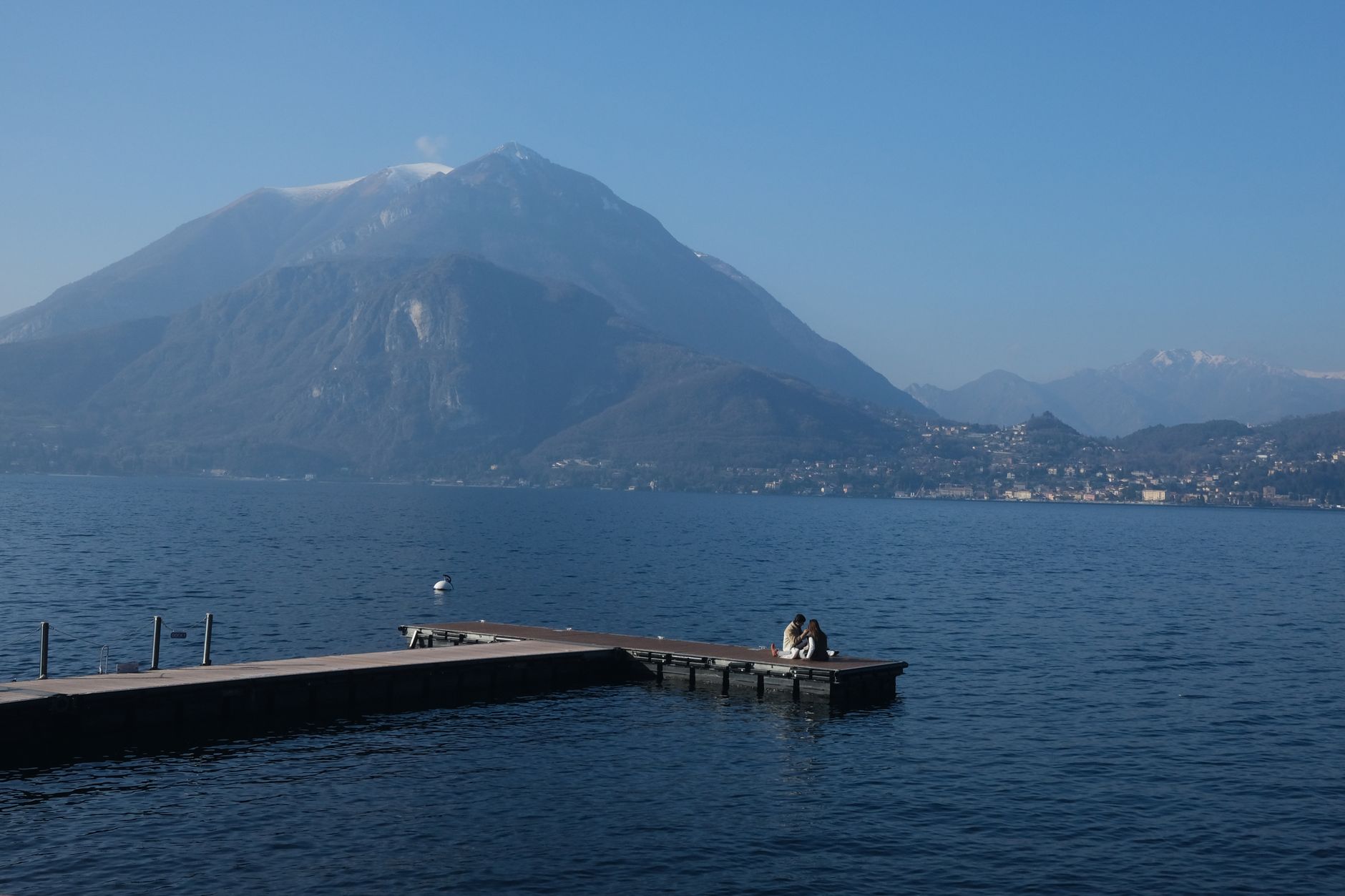
Town · Lombardia
Source VerifiedVarenna
Varenna is the best base on Lake Como if you want quiet and train access. It is less glamorous than Bellagio but more livable, and the ferry to Bellagio is 15 minutes.

Archaeological Site · Campania
Source VerifiedPompeii
Pompeii is worth a full half-day from Naples. Go early, bring water and a hat — there is little shade. Herculaneum is smaller, better preserved, and less crowded; do both if you can.

City · Friuli-Venezia Giulia
Source VerifiedTrieste
Trieste is worth a night or two for travelers who want something different from the standard Italian circuit. It is Austrian, coastal, and caffeinated. Pair with the Carso and Miramare.

Town · Puglia
Source VerifiedAlberobello
Alberobello is worth a half-day stop. The trulli are genuinely unique and worth seeing, but the town is touristy. Go early, walk both districts, and don't stay overnight unless you want to sleep in a trullo.

Archaeological Site · Lazio
Source VerifiedOstia Antica
Ostia Antica is the best day trip from Rome if you've already seen the major sites. It is Pompeii without the travel time or the crowds. Go in the morning; bring water.

City · Veneto
Source VerifiedPadua
Padua is worth a half-day or a night, especially as a cheaper base for Venice. The Scrovegni Chapel frescoes by Giotto are the reason to come — book ahead.

Town · Sicilia
Source VerifiedTaormina
Taormina is worth a night or a day trip. The Greek theater with Etna in the background is the shot. It is touristy and expensive; go for the view and the theater, not the shopping street.
Town · Umbria
Source VerifiedOrvieto
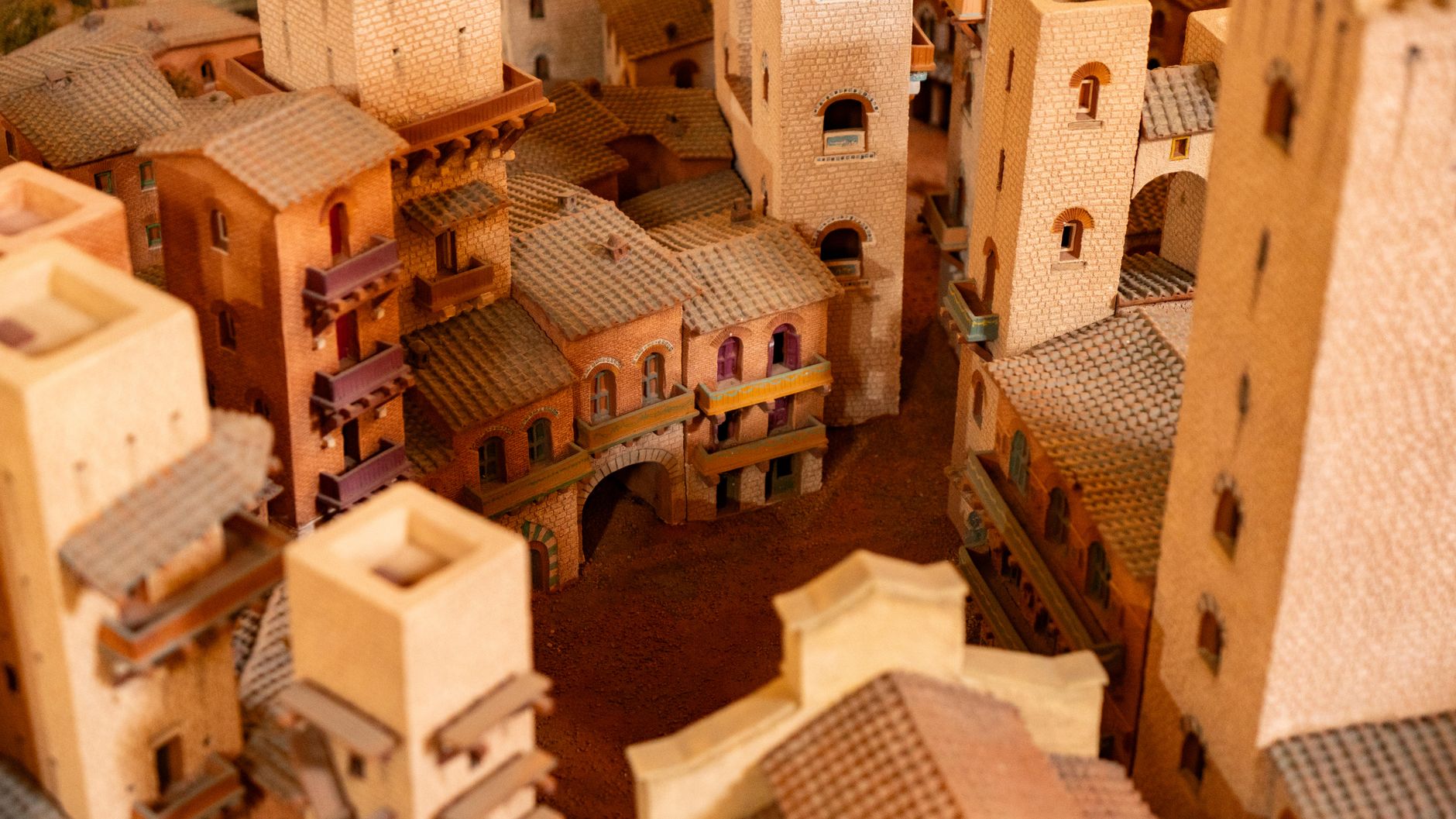
Orvieto is worth a half-day stop on the Rome–Florence train line. The cathedral facade alone justifies the detour. It is the easiest hill-town addition to a rail-based trip.

City · Toscana
Source VerifiedPisa
Pisa is worth a half-day stop, usually paired with Lucca. The Piazza dei Miracoli is genuinely extraordinary; the rest of the town is pleasant but not essential. Don't build a trip around it.
City · Emilia-Romagna
Source VerifiedRavenna
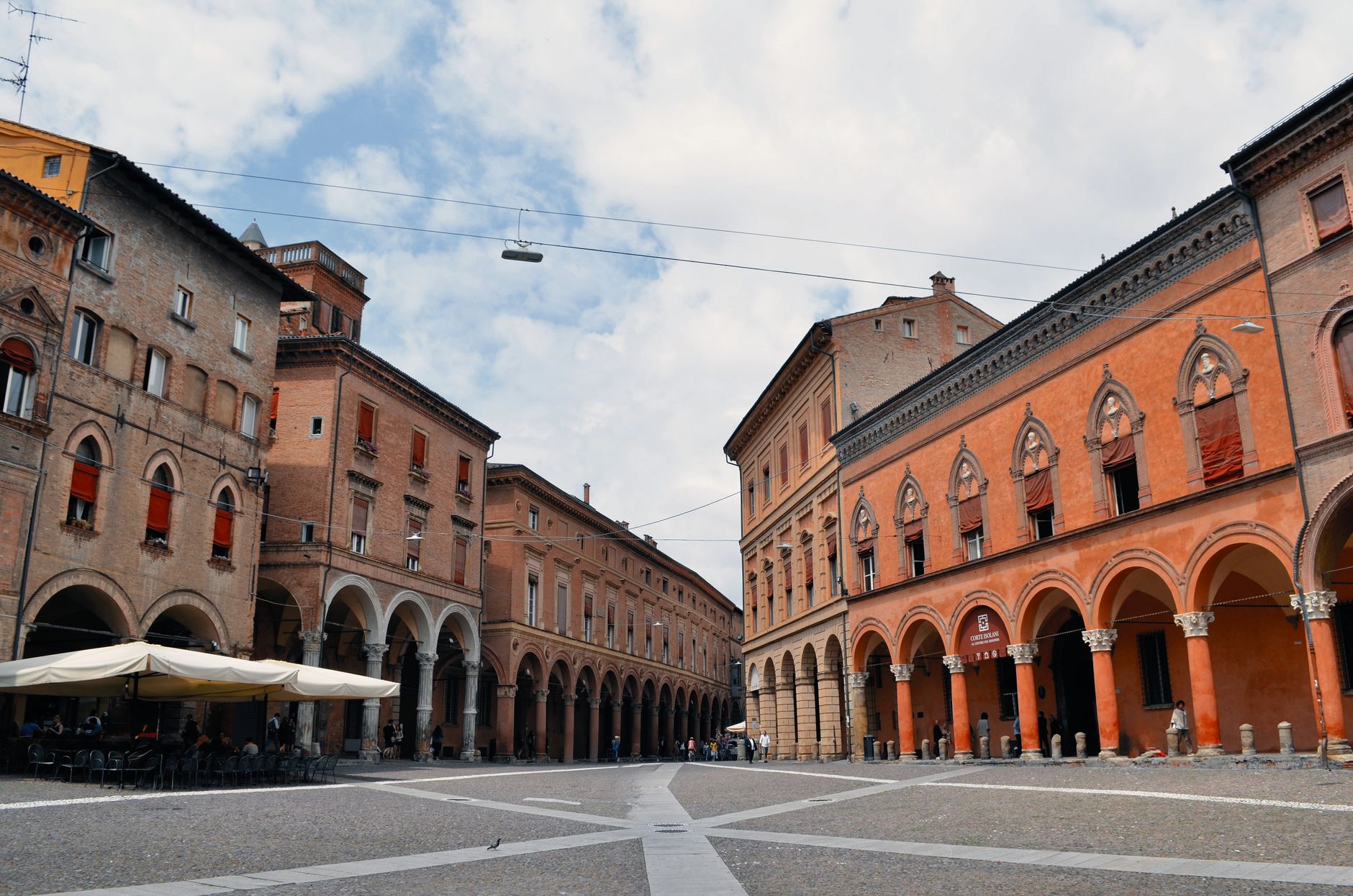
Ravenna is worth a full day. The mosaics are the best Byzantine art west of Istanbul, and the city is uncrowded and inexpensive compared to Florence. Pair it with Bologna.
City · Puglia
Source VerifiedLecce
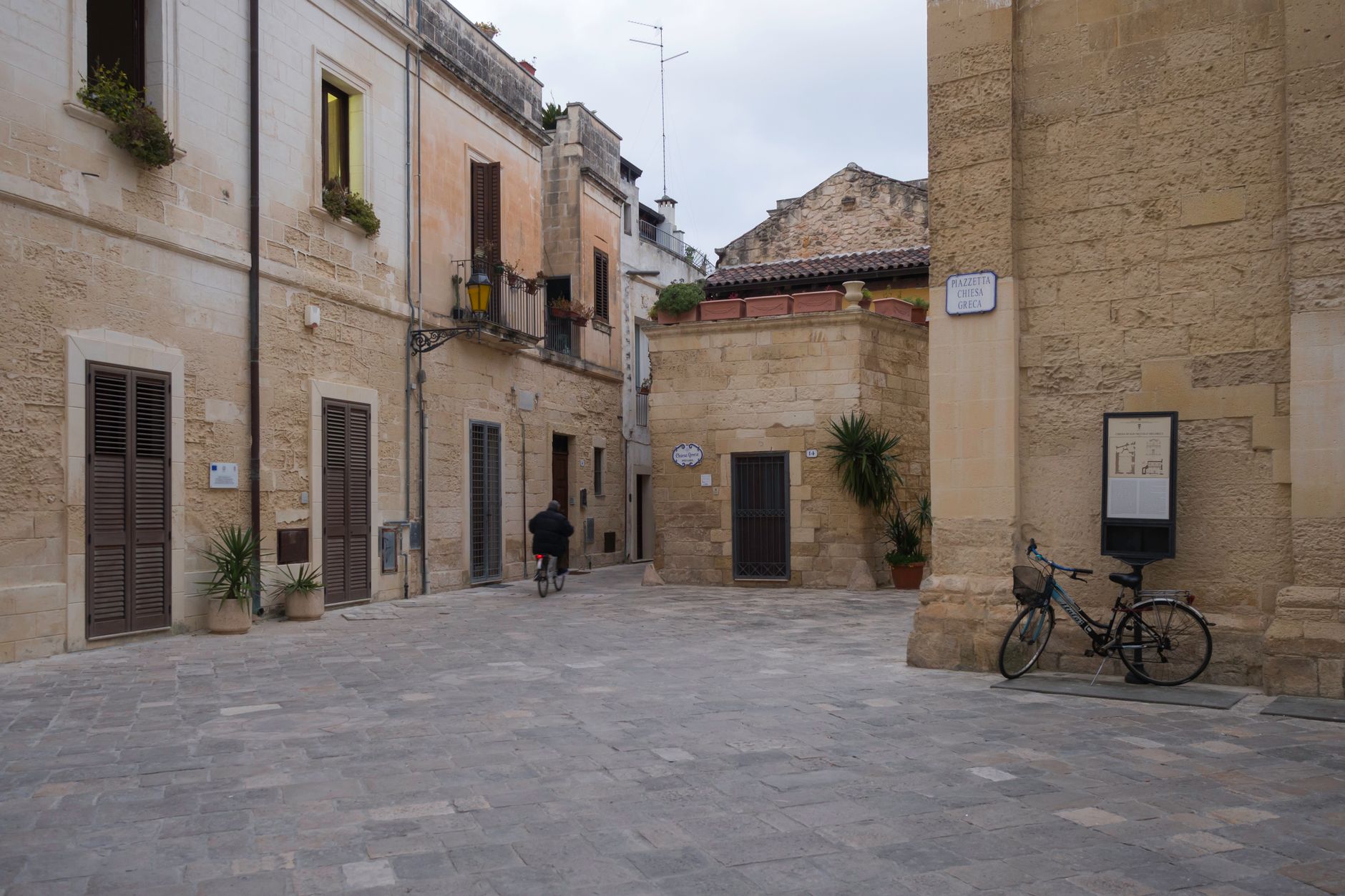
Lecce is worth two nights and is the best base for southern Puglia. It is the most beautiful Baroque city in Italy that isn't on the standard circuit. Pair it with Otranto and Gallipoli.

City · Toscana
Source VerifiedLucca
Lucca is worth a night or a day trip from Florence. Cycling the walls is the essential experience. It is quieter and less touristy than Siena or San Gimignano, which is the point.

Lake · Lombardia
Source VerifiedLake Como
Lake Como is worth two nights. Base in Bellagio, Varenna, or Menaggio and ferry between villages. You do not need a car — the ferry is the transport. Go in shoulder season; July is crowded and expensive.

Town · Umbria
Source VerifiedAssisi
Assisi is worth a half-day for the Basilica frescoes alone, even if you're not pilgrims. It is the most spiritually significant town in Umbria and one of the great fresco sites in Italy.
Coastline · Liguria
Source VerifiedCinque Terre
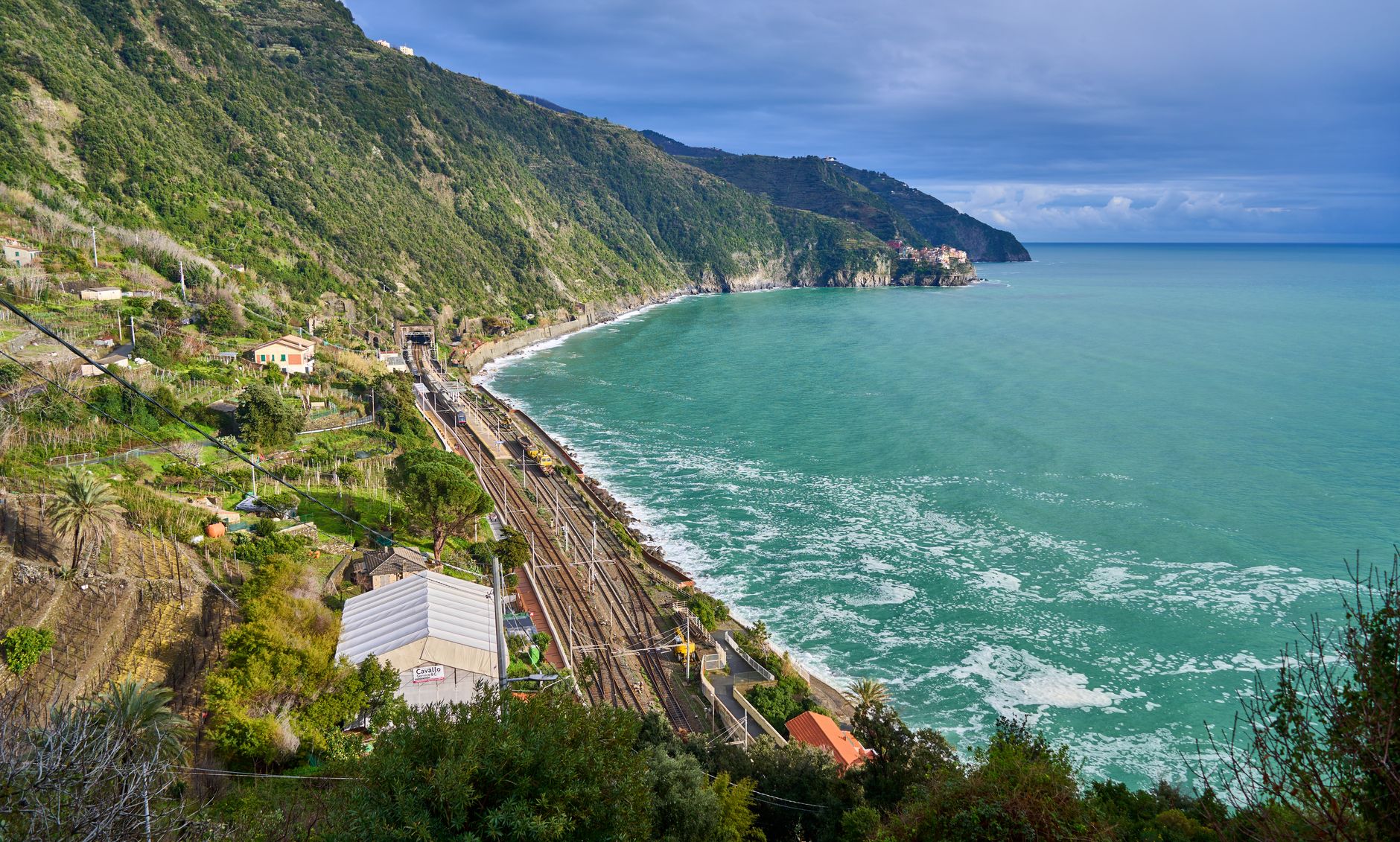
Cinque Terre is worth one or two nights if you go in shoulder season. In July and August it is a crowd-management exercise. Hike the trails, take the train between villages, and don't try to drive.
City · Lombardia
Source VerifiedMilan
Milan is worth a day or two, particularly as a gateway. The Last Supper alone justifies a stop if you book it ahead. Don't expect the open-air museum feel of Florence — Milan is a working city.
City · Emilia-Romagna
Source VerifiedBologna
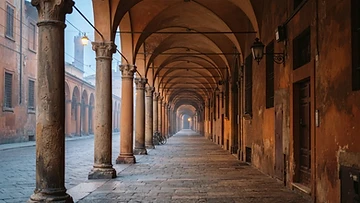
Bologna is worth two nights and is the best food city in Italy for travelers who want to eat seriously without the Florence prices or the Venice crowds. It is also the best rail hub in the country.
City · Lazio
Source VerifiedRome
Rome deserves at least three full days and rewards a fourth. It is the one Italian city where trying to see everything is the mistake — pick two major sites a day and leave time for wandering.

City · Campania
Source VerifiedNaples
Naples is worth two nights and rewards the traveler who doesn't need things tidy. It is the gateway to Pompeii, the Amalfi Coast, and Capri, and it has the best pizza in Italy. Skip it only if you need order and calm.

City · Toscana
Source VerifiedFlorence
Florence is worth two full days minimum and handles three well. It is small enough to walk end to end, which means it is also small enough to feel crowded — book the Uffizi and the Accademia ahead or you will waste half a day in line.

City · Veneto
Source VerifiedVerona
Verona is worth one or two nights. It is a more livable, less overwhelming alternative to Venice for travelers who want a beautiful Italian city without the intensity. Pair it with Valpolicella.

City · Toscana
Source VerifiedSiena
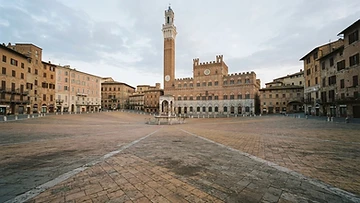
Siena is worth a night, or a long day trip from Florence. It is the best Tuscan base if you want a real city rather than a village. The Piazza del Campo alone justifies the visit.


City · Veneto
Source VerifiedVenice
Venice is worth at least two nights. A day trip from the mainland sells it short — Venice at dawn and after the day-trippers leave is a different city. Stay overnight or don't bother.

City · Sicilia
Source VerifiedPalermo
Palermo is worth two nights and is the best base for western Sicily. It is intense, faded, and magnificent. Pair it with Monreale and the coast, and use it to reach Erice and Segesta.
Booking
Booked through our partners. We may earn a commission, which never changes what the Guide recommends.
Ready to plan?
Ready to turn discovery into a trip?
Italy Field Guide helps you decide where to go. When you're ready to build the actual day-by-day itinerary, take your saved places to Travel Itinerary Co — your interests go with you.
Turn your saved Italy places into a trip