The Verdict
Essential for anyone interested in Italian art before the Renaissance. The Upper Church frescoes are contested but pivotal; the Lower Church is one of the most atmospheric spaces in Italy.
Why go
To see the Giotto fresco cycle of St. Francis — the moment medieval painting starts to tell a human story.
The Field Guide take
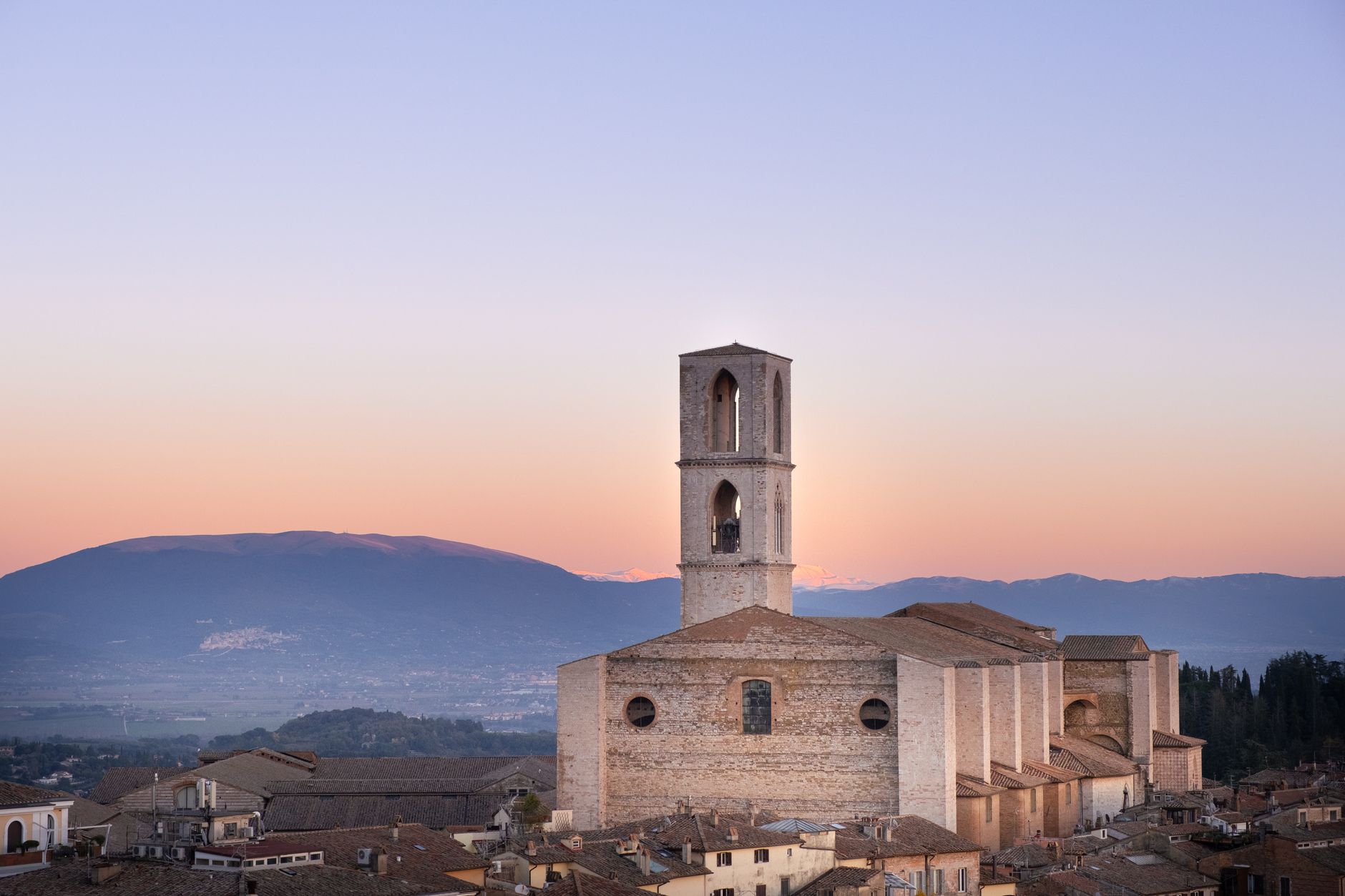
Perched on the edge of the hill town of Assisi in the Umbria region, the Basilica di San Francesco is a site of both intense religious history and a pivotal moment in the development of Western art. Built into the hillside, the complex consists of two separate churches, one stacked atop the other, guarding the tomb of St. Francis. The structure itself is a fortress-like anchor for the town, visible from miles away across the valley. It serves as a pilgrimage destination, though its significance extends well beyond theology to anyone following the timeline of European painting. ## The Evolution of the Frescoes The Upper Church is dominated by the cycle of frescoes attributed to Giotto and his assistants. These works represent a radical departure from the flat, gold-ground iconography that preceded them. For the first time, painters began to organize space with perspective and imbue figures with human expression and physical weight. These scenes document the life of St. Francis and mark the shift toward the naturalism that would eventually define the Renaissance. The debate over how much of the work was painted by the master himself continues, but the impact of the cycle on the trajectory of art history is indisputable. ## Atmosphere of the Lower Church Descending into the Lower Church changes the experience entirely. It is a low, dim, and moody space that feels carved into the earth. The air here is heavy and cool, emphasizing the proximity of the saint’s tomb beneath the floor. While the upper level is bright and didactic, the lower level is atmospheric, with vaulted ceilings covered in dark, ornate frescoes by Cimabue and Simone Martini. It is one of the most effective examples of religious space in Italy, designed to foster a sense of interior reflection. Visitors should note that the basilica is an active site of worship. Crowds can become substantial, particularly during the middle of the day. If you want to study the frescoes, plan for an early arrival to beat the tour buses. The town of Assisi remains a functional hill town, and walking from the base up to the basilica provides a necessary appreciation for the site’s verticality.
What makes it worth going
The double basilica built over St. Francis's tomb, with the Giotto fresco cycle that effectively begins Italian narrative painting.
Things to do
- Piazza
Temple of Minerva
Roman temple repurposed as a church in the main town square.
1 hour
- Castle
Rocca Maggiore
A climb to the fortress provides the best view of the Umbrian valley.
2 hours
- Cathedral
Basilica di Santa Chiara
Beautiful rose-window church with important relics and architecture.
1 hour
Eat
- Dish
Strangozzi
Thick, hand-cut pasta served with a savory truffle sauce.
- Street food
Torta al testo
Flatbread cooked on a hot stone, filled with cured meats and cheeses.
Stay
- Neighborhood
Centro Storico
The heart of the medieval town, steep and atmospheric.
- Neighborhood
Santa Maria degli Angeli
A flatter area at the foot of the hill, home to the Porziuncola.
What's nearby & pairs with
What to eat here
The regional specialties — not tonight's restaurant, the food worth understanding before you go.
Dish
Pasta al Tartufo
Pasta al Tartufo is deeply rooted in the agricultural traditions of the Valnerina valley in Umbria, particularly around the towns of Norcia and Spoleto. Unlike the commercially driven truffle markets of Piedmont, the Umbrian truffle tradition is born from the local landscape where the black winter truffle (Tuber melanosporum) grows wild in the beech and oak forests surrounding the Sibillini Mountains. Historically, the dish emerged as a way to feature the harvest of the season without the need for complex sauces that would mask the ingredient's aromatic profile. The dish serves as a culinary pillar for Norcia, a town historically known for its mastery of pork butchery and wild foraging. While black truffles are now cultivated, the practice of gathering them with trained dogs remains a cultural identity for local families. The simplicity of the pasta—pairing high-fat, high-egg content noodles with the earthy aroma of the truffle—reflects a peasant-influenced culinary philosophy that prioritizes ingredient quality over technical elaboration.
Cured Meat
Salsiccia di Norcia
Norcia has been synonymous with professional butchery for centuries, with the word 'norcino' becoming a term for a skilled pork butcher across Italy. This sausage reflects the simple, rugged diet of the Umbrian mountains. It is a product of necessity, designed to preserve the meat through the long, cold winters.
Dish
Lenticchie di Castelluccio
The Lenticchie di Castelluccio di Norcia are grown on the Piano Grande, a high-altitude glacial plain in the Apennine Mountains of Umbria, sitting at approximately 1,400 meters above sea level. This rugged, isolated environment—part of the Monti Sibillini National Park—is unique for its harsh winters and short, cool growing season, which prevents the proliferation of pests and eliminates the need for chemical pesticides. The cultivation of these lentils dates back centuries, documented as a staple of the local peasant economy where the crop thrived in the nutrient-poor, limestone-rich soil that many other plants could not tolerate. In 1997, the product was granted the PGI (Protected Geographical Indication) status to protect its identity and strict area of production. The region and the industry suffered a catastrophic blow during the 2016 earthquakes, which decimated the village of Castelluccio and disrupted access to the fields. However, the agricultural community has since restored the landscape and production remains a symbol of rural endurance and regional pride. The lentils are culturally inseparable from New Year's Eve, where their consumption is a ubiquitous tradition across Italy, symbolizing prosperity and wealth due to their coin-like appearance.
Local wine
All wine in Umbria →Getting there & around
Train
Well-connected by rail.
Car
A car adds value here.
We don't publish real-time schedules. Confirm train times on Trenitalia or Italo, and check current ZTL boundaries locally.
Ready to plan?
Ready to turn discovery into a trip?
Italy Field Guide helps you decide where to go. When you're ready to build the actual day-by-day itinerary, take your saved places to Travel Itinerary Co — your interests go with you.
Turn your saved Italy places into a trip