Editorial
Comparisons
Two popular places, honest verdicts, and a clear recommendation — built to help you choose when you can't do both.

Comparison
Rome vs Florence
Choose Florence if it's your first Italy trip and you want depth you can absorb on foot in 2–3 days — the Uffizi, the Duomo, the Ponte Vecchio, all close together. Choose Rome if you have more time (4+ days) and want scale, ruins, and the weight of a capital. If you can only do one and you've never been, Florence is the easier, more cohesive first taste; Rome rewards a longer, fuller visit.

Comparison
Venice vs Florence
Choose Venice if you want something you genuinely can't see anywhere else — there is no substitute for arriving by water and getting lost in the calli. Choose Florence if you want the densest, most walkable Renaissance art experience and easier logistics. Venice is the more unforgettable single day; Florence is the more rewarding longer stay. Do both if time allows; they pair better than any two cities in Italy.
Comparison
Rome vs Naples
Choose Rome for the monuments, the museums, and the polish of a world capital. Choose Naples for the street life, the pizza's birthplace, and a city that feels lived-in rather than staged for visitors. If you've done Rome already, Naples is the more surprising return trip. First-timers should still start in Rome.

Comparison
Milan vs Rome
Choose Rome for history, art, and the trip most people picture when they think of Italy. Choose Milan if you care about design, fashion, contemporary energy, or you're tagging a city onto a Lake Como or alpine trip. Milan is a great 2-day city; Rome needs 4.
Comparison
Bologna vs Florence
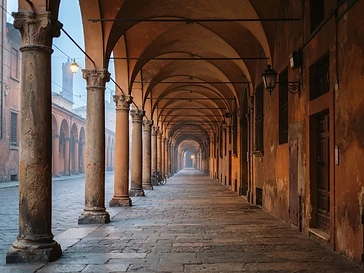
Choose Florence for the art and the postcard medieval-Renaissance atmosphere. Choose Bologna if food is the point of your trip — it's Italy's eating city, with the freshest, most grounded version of the cuisine most travelers think they know. Bologna is also cheaper, less crowded, and a better base. If you have a week, do both.

Comparison
Palermo vs Catania
Choose Palermo for the street markets, the Arab-Norman mosaic work, and the rawest city energy in Italy. Choose Catania for a cleaner Baroque base that puts you closer to Etna and the east coast. Palermo is the more memorable city; Catania is the more practical hub. If you're driving the whole island, do both.
Comparison
Syracuse vs Taormina
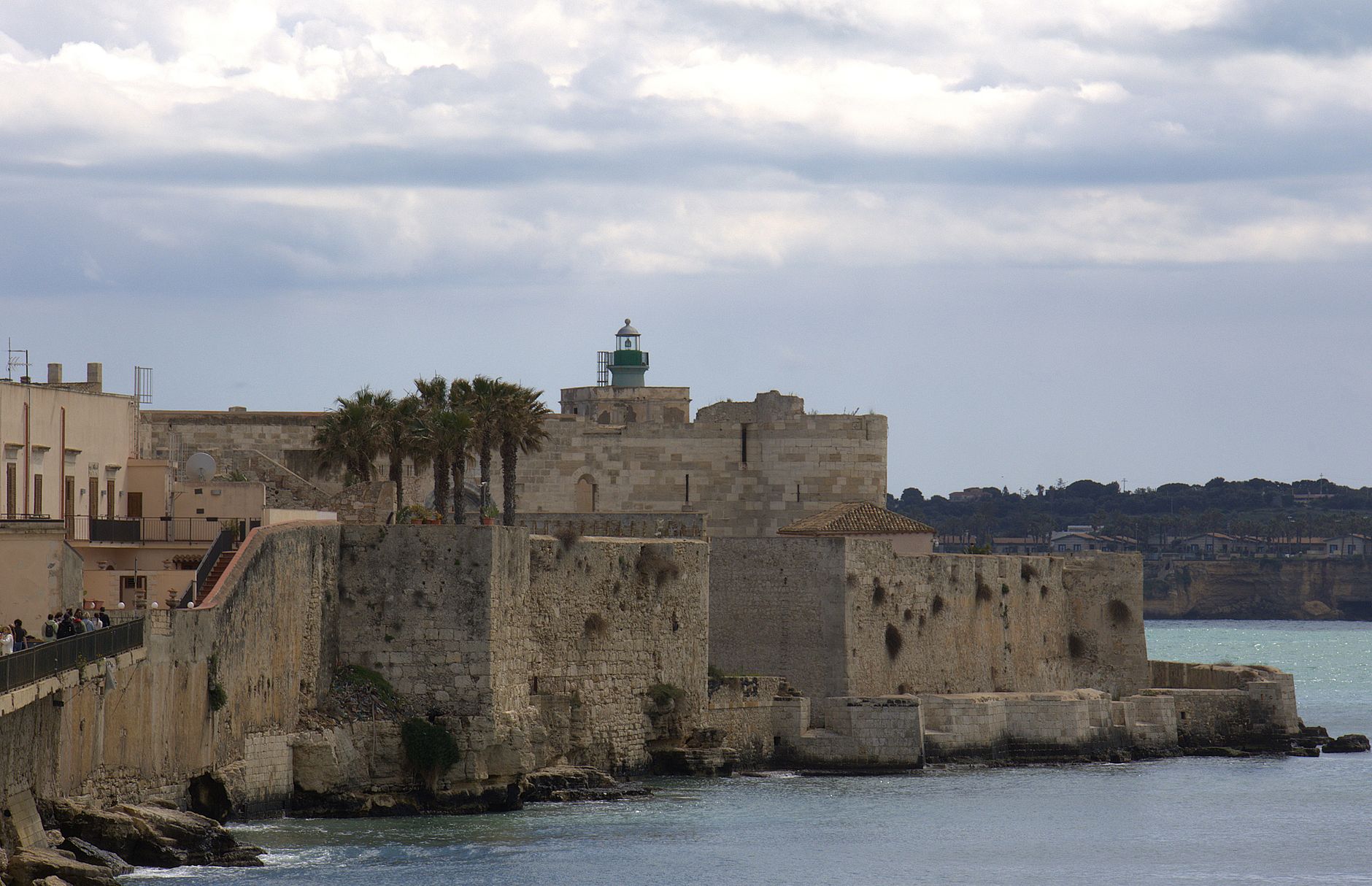
Choose Syracuse for the archaeology, Ortigia's livable old quarter, and a real working city. Choose Taormina for the views, the honeymoon atmosphere, and an easy base for Etna. Syracuse is the deeper, more authentic stop; Taormina is the prettier, more touristed one. Avoid Taormina in peak summer if you dislike crowds.

Comparison
Matera vs Alberobello
Choose Matera for the scale and the drama — it's a whole carved city you can stay in overnight, and it rewards two days. Choose Alberobello for the trulli, but know it's largely a day-trip destination and the most photographed zones are a theme park by midday. If you can only do one, Matera is the deeper experience; see Alberobello as a half-day stop on the way elsewhere.
Comparison
Lecce vs Ostuni
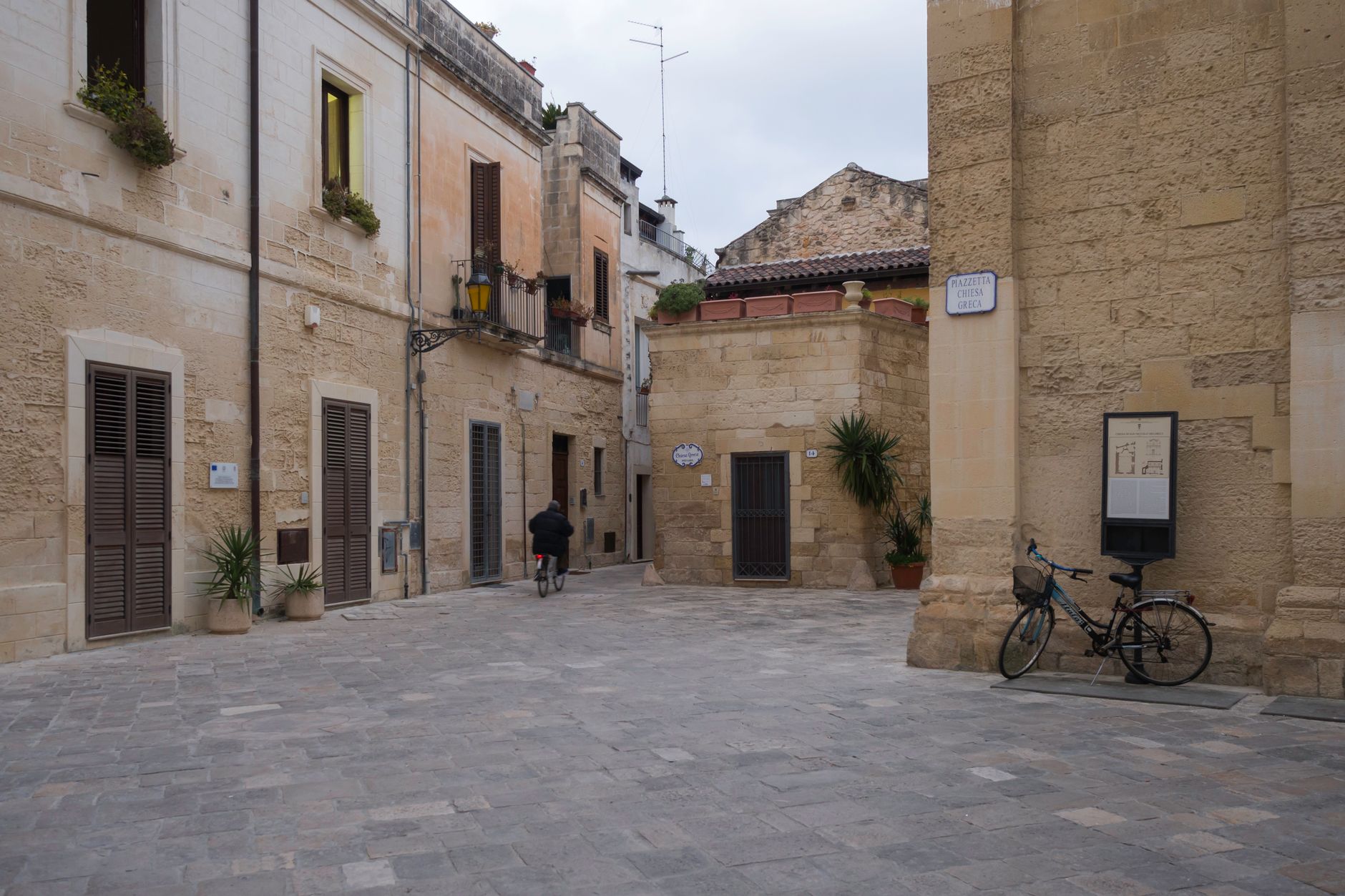
Choose Lecce if you want a real city with Baroque churches, good restaurants, and university energy — and a better base to sleep in. Choose Ostuni for the postcard white-town look and a slower, smaller stay. Lecce is the more substantial stop; Ostuni is the prettier day trip. Stay in Lecce, drive up to Ostuni.

Comparison
Assisi vs Orvieto
Choose Assisi for the religious weight, the Basilica frescoes, and the Umbrian hillside atmosphere. Choose Orvieto for the cathedral, the Etruscan caves, and an effortless stop right on the Rome–Florence train line. Orvieto is the better easy day trip; Assisi is the deeper, more specific experience if the Franciscan story matters to you.

Comparison
San Gimignano vs Siena
Choose San Gimignano for the skyline and a half-day stop — but expect crowds, and go early or late. Choose Siena for a full day or an overnight, real restaurants, and the most complete medieval cityscape in Italy. If time is short, do Siena and skip San Gimignano; the towers photograph well but the town empties of locals by dusk.
Comparison
Perugia vs Siena
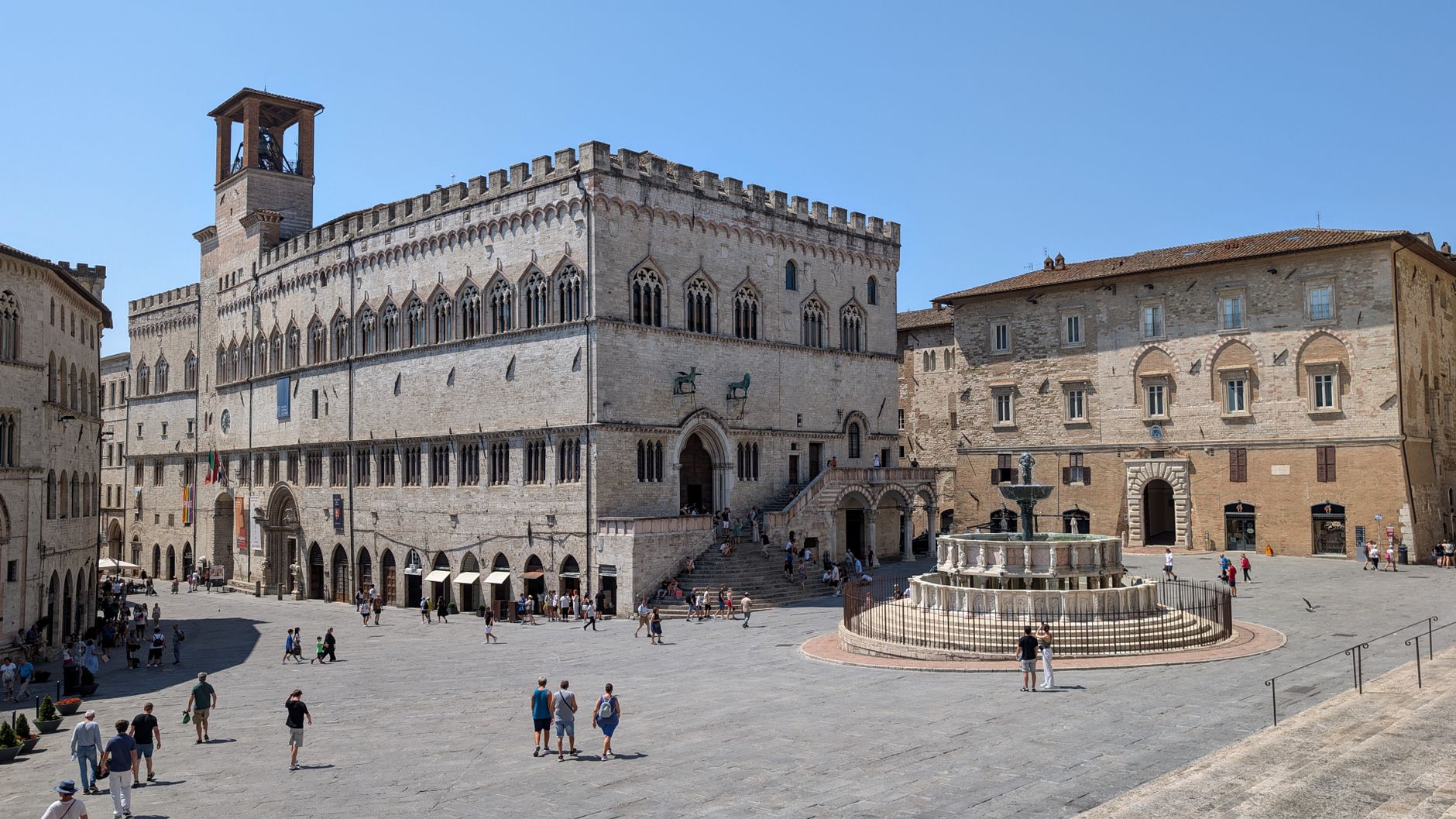
Choose Siena for the postcard medieval experience and the Campo. Choose Perugia for a less-touristed Umbrian base with a working university and a jazz festival. Siena is the better single visit; Perugia is the better base if you want to escape the crowds and radiate through Umbria.
Comparison
Ravenna vs Ferrara
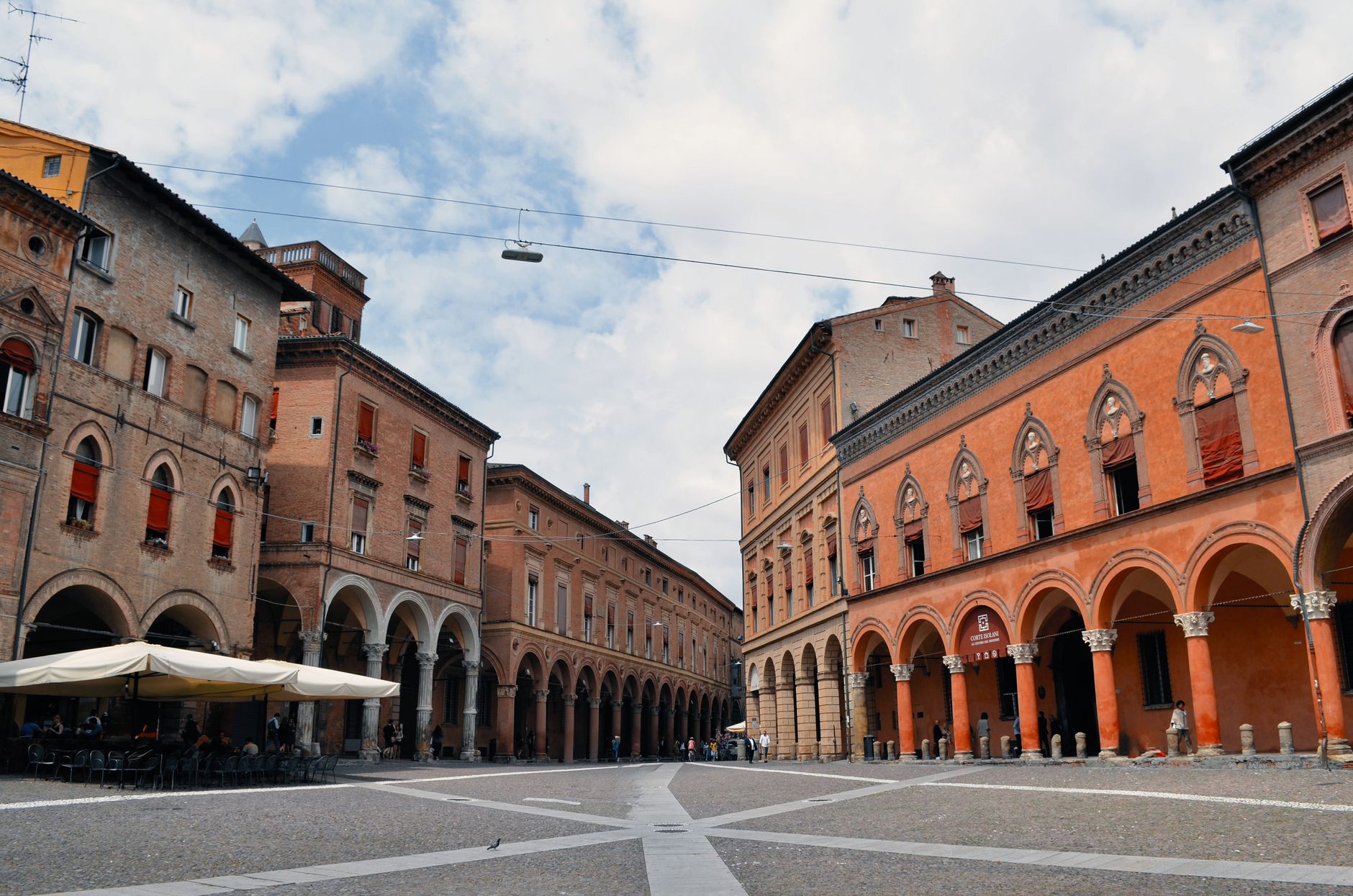
Choose Ravenna for the mosaics — they're genuinely world-class and the reason to go. Choose Ferrara for a cycleable, livable Renaissance city with fewer tourists and a castle in the center. If you can only do one from Bologna, Ravenna is the more unmissable single sight; Ferrara is the more rewarding place to actually stay.

Comparison
Trieste vs Venice
Choose Venice for the obvious — there's nothing else like it, and first-timers should not skip it. Choose Trieste if you've already done Venice, or you want a grown-up, caffeinated, Mitteleuropean city with sea air and no crowds. Trieste is the better place to slow down; Venice is the one you can't replace.

Comparison
Amalfi Coast vs Cinque Terre
Choose the Amalfi Coast for the glamour, the sea views from a rented villa, and a relaxed resort base like Positano or Ravello. Choose Cinque Terre for hiking between villages, a more rugged and egalitarian feel, and a tighter budget. Amalfi is the better splurge and the easier trip if you don't want to walk; Cinque Terre is the better trip if you do. Avoid both in peak July–August.

Comparison
Capri vs Ischia
Choose Capri for the sheer drama of the Faraglioni and the Blue Grotto — and accept that you'll share it with thousands. Choose Ischia for thermal gardens, a castle, slower villages, and an island that Italians themselves holiday on. Ischia is the better overnight; Capri is the better day trip if you must tick the box.

Comparison
Positano vs Ravello
Choose Positano if you want the Amalfi Coast you've seen in photographs — the beach, the boutiques, the vertical scene — and don't mind the crowds or the climb. Choose Ravello for the gardens, the views from above, the music festival, and a calmer, more grown-up stay. Ravello is the better base; Positano is the better day photo.

Comparison
Lake Como vs Lake Garda
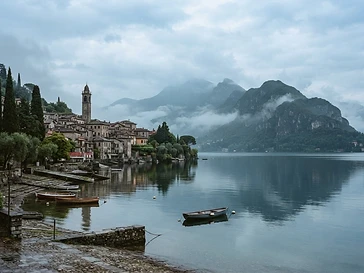
Choose Lake Como for the romance, the deep-blue fjord scenery, and a shorter, more luxurious stay around Bellagio or Varenna. Choose Lake Garda for more variety — sailing in the south, mountains in the north, theme parks, and a longer, more family-friendly trip. Como is the better honeymoon; Garda is the better week.

Comparison
Cortina vs Courmayeur
Choose Cortina d'Ampezzo for the Dolomites' pale spires, a prettier town, and the better beginner-intermediate ski experience. Choose Courmayeur for Mont Blanc, a more serious mountaineering scene, and an easy tunnel-hop from Chamonix. Cortina is the more beautiful resort; Courmayeur is the better base for the biggest mountain in the Alps.

Comparison
Barolo vs Chianti Classico
Choose Barolo if you want to drink Italy's most ageworthy red and tour the Langhe — a compact wine region you can do in two days from Alba. Choose Chianti Classico if you want to combine wine with a Tuscan agriturismo base between Florence and Siena. Barolo is the deeper, more serious wine trip; Chianti is the easier, more scenic one to fold into a first Italy trip.

Comparison
Montalcino vs Chianti
Choose Montalcino if you want to understand Brunello — a small, high-altitude territory worth a focused day from a Val d'Orcia base. Choose Chianti for the broader, more scenic wine country that sits conveniently on the Florence–Siena–Arezzo triangle and is easier to reach without a dedicated wine plan. Montalcino is the connoisseur's stop; Chianti is the all-rounder.

Comparison
Siena vs Lucca
Choose Siena if you want a big, dramatic, medieval set piece — the Piazza del Campo, the Duomo, the Palio's city. Choose Lucca if you want something quieter and flatter: rent a bike on the walls, eat well, and use it as a base to radiate. If you can't decide, Lucca is the easier first trip; Siena rewards a return.