The Verdict
Lecce is worth two nights and is the best base for southern Puglia. It is the most beautiful Baroque city in Italy that isn't on the standard circuit. Pair it with Otranto and Gallipoli.
Why go
Baroque limestone architecture so ornate it seems carved from butter — and the gateway to the Salento coast.
The Field Guide take
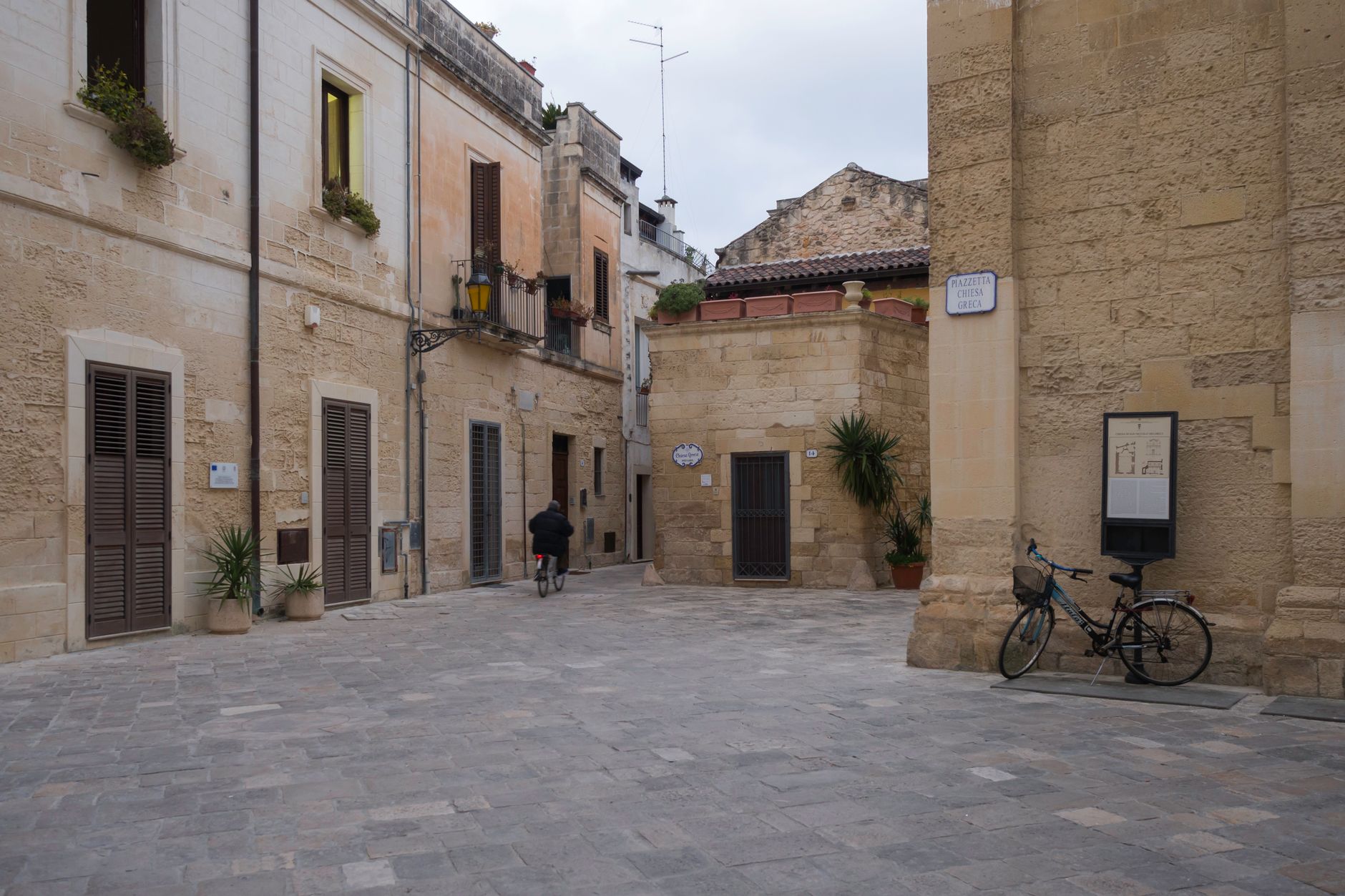
Lecce sits on the flat plains of the Salento peninsula, far removed from the architectural norms of the Italian north. The city is defined entirely by its use of pietra leccese, a soft, malleable limestone that has allowed generations of stonemasons to carve buildings with the detail of lace. This is not a city of grand, imposing marble structures, but one of intricate, weathered surfaces that glow golden under the southern sun. ## The Baroque Overload The city center is a dense grid of facades built during the 17th-century building boom. The Basilica di Santa Croce acts as the primary exhibit of this style; its front is so heavily decorated with cherubs, beasts, and floral motifs that the structural stone almost disappears. Walking through the historical core, you find a concentration of palaces and churches that, while technically Baroque, possess a local character that feels lighter and more playful than the heavy religious architecture found in Rome. ## Getting Around the Salento Lecce serves as the logistical hub for exploring southern Puglia. While the city itself is pedestrian-friendly, the surrounding region requires a vehicle to properly access the coast. To the east, the Adriatic towns of Otranto offer a different pace, focusing on maritime history and Romanesque mosaics. To the west, the Ionian coast near Gallipoli offers flatter, longer beaches. Base yourself in Lecce for the evenings to avoid the tourist sprawl of the coastal resorts. ## Food and Local Rhythm The food culture here is distinct from the rest of Italy, favoring heavy use of durum wheat, legumes, and sun-ripened vegetables over elaborate sauces. You will find rustico leccese, a puff pastry filled with béchamel, mozzarella, and tomato, sold at most street-side counters. Dinners in Lecce start late, and the city thrives after dark when the heat dissipates and the limestone facades are illuminated. Spend two nights here to digest the complexity of the architecture without feeling rushed by the logistics of coastal day trips.
What makes it worth going
The Florence of the South — a Baroque city carved from soft limestone, with a density of ornate facades unmatched in southern Italy.
Things to do
- Cathedral
Basilica of Santa Croce
The masterpiece of the local 'Barocco Leccese' style.
1 hour
- Main piazza
Piazza del Duomo
The dramatic, stone-enclosed center of the city.
1 hour
- Landmark
Roman Amphitheater
Visible right in the middle of the city's main street.
1 hour
Eat
- Street food
Puccia
A wood-fired bread stuffed with local veggies and meats.
- Street food
Pasticciotto
A decadent custard-filled pastry for breakfast or snacks.
Stay
- Neighborhood
Lecce Old Town
Golden limestone buildings are beautiful at sunset.
What's nearby & pairs with
What to eat here
The regional specialties — not tonight's restaurant, the food worth understanding before you go.
Dish
Orecchiette con le Cime di Rapa
Orecchiette, named for their resemblance to small ears, have been a staple of the Puglia region since at least the 12th century, with historical roots often traced to the town of Sannicandro di Bari. While some historians debate whether the shape was inspired by French influences introduced by the Angevins or earlier local traditions, the pasta became deeply embedded in the peasant culture of the Bari province. It is traditionally crafted from durum wheat semolina and water, a testament to the region's historical reliance on accessible, non-perishable ingredients grown in the sun-drenched landscape of southern Italy. The pairing of orecchiette with cime di rapa—the flowering tops of broccoli rabe—reflects the agricultural reality of the Puglian countryside. This dish is the definitive expression of 'cucina povera,' where humble, seasonal garden vegetables are elevated by the savory punch of preserved fish and the local abundance of high-quality olive oil. It is not a celebratory banquet dish in its origin, but rather the daily sustenance that came to define the culinary identity of the Bari region.
Dish
Tiella Barese
Tiella Barese is a defining dish of the Bari region in Puglia, born from the necessity of the working class and the abundance of the Adriatic Sea. Its name, tiella, refers specifically to the round, shallow terracotta or metal pan in which it is cooked, a vessel that dictates the proportions and heat distribution of the meal. Historically, it served as a practical solution for fishermen and laborers: a self-contained, nutrient-dense lunch that could be prepared at home and taken to the docks or the fields, remaining palatable whether hot, warm, or at room temperature. It reflects the cucina povera tradition, utilizing humble, caloric staples—rice and potatoes—as the backbone to extend the flavor of the more expensive, seasonally harvested mussels. While often associated with the city of Bari, its roots are shared across the coastal towns of the Bari province, where it remains a household staple rather than a restaurant specialty. It is rarely found in formal dining settings, as it is fundamentally a dish meant for home kitchens or local bakeries, where the ovens are primed for the long, slow bake required to crisp the bottom layer of potatoes.
Dish
Bombette
Bombette originate from the Valle d'Itria, a central Puglian valley spanning the provinces of Bari, Brindisi, and Taranto. They are historically linked to the tradition of 'fornello pronto,' where local butcher shops double as kitchens. Farmers and residents would bring meat to the butcher to be roasted in the large, wood-fired ovens used to bake bread, eventually evolving into a system where the butcher prepares and cooks the meat on-site for immediate consumption. Cisternino, Martina Franca, and Locorotondo are considered the spiritual homes of this dish. It emerged as a practical way for butchers to utilize thin slices of pork neck, providing a quick, high-protein meal for laborers and locals. Unlike slow-roasted meats, bombette were designed to be prepared rapidly, reflecting the pragmatic culture of the Puglian countryside.
Dish
Taralli Pugliesi
Taralli trace their origins to the rural kitchens of 8th-century Puglia, created as a resourceful solution to use up leftover bread dough scraps. In an era when bread was the primary caloric intake for peasants, waste was not tolerated, and by combining residual flour, olive oil, and wine into ring-shaped snacks, families could store a shelf-stable, portable food source for workers in the fields. It remains a staple of the 'cucina povera' tradition, reflecting the frugal ingenuity of the southern Italian agricultural landscape. Historically, the tarallo served as a symbol of hospitality. Known in regional dialect as the 'bread of the poor,' it was traditionally offered to guests with a glass of wine, a custom that persists in homes across the Salento and Bari provinces today. While once strictly a homemade necessity, the production of taralli became industrialized in the 20th century, cementing their status as Puglia's definitive contribution to the Italian snack market while maintaining their cultural identity as a symbol of regional frugality.
Cheese
Burrata
Burrata was invented in the early 20th century in Andria as a clever way to preserve leftover mozzarella scraps. By filling a pouch of mozzarella with cream and stracciatella, the makers created a luxury product that essentially re-envisions the cheese-making process. It remains one of Italy's most popular exports due to its decadent, oozing interior.
Getting there & around
Train
Well-connected by rail.
Car
A car adds value here.ZTL in the center. A car helps for the Salento coast.
We don't publish real-time schedules. Confirm train times on Trenitalia or Italo, and check current ZTL boundaries locally.
Ready to plan?
Ready to turn discovery into a trip?
Italy Field Guide helps you decide where to go. When you're ready to build the actual day-by-day itinerary, take your saved places to Travel Itinerary Co — your interests go with you.
Turn your saved Italy places into a trip