The Verdict
The aristocratic of the Italian lakes — the Borromean Islands (palaces and terraced gardens), the alpine north (the Val Grande wilderness), and the mild climate. Worth a couple of days for the islands.
Why go
For the Borromean Islands — Isola Bella (the baroque palace), Isola Madre (the gardens), and Isola dei Pescatori (the fishing village) — and the alpine north.
The Field Guide take
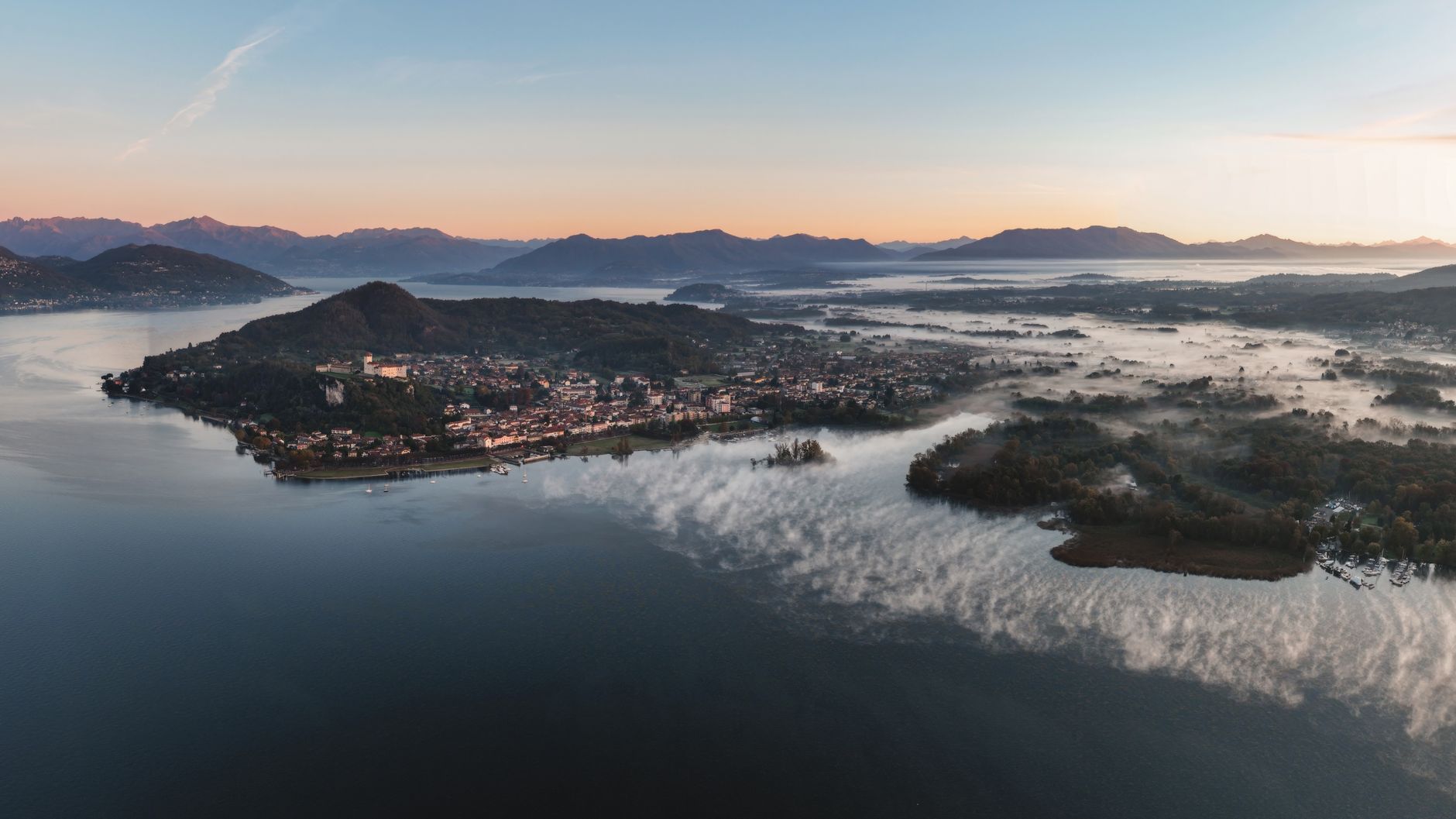
Lago Maggiore represents the most aristocratic and orderly of the Italian lakes. Situated on the border between the Piemonte region and Switzerland, it offers a more expansive landscape than Como, with a broader valley floor and a slightly more open feel. The lake is anchored by the Borromean Islands, a cluster of outcrops that have been managed by the Borromeo family for centuries. ## The Borromean Islands The primary attraction here is the trio of islands in the gulf of Verbania. Isola Bella is dominated by a massive baroque palace and a multi-level garden designed to impress from the water. Isola Madre is focused on its botanical park, which hosts exotic birds and rare plants, while Isola dei Pescatori maintains a more traditional, albeit tourist-oriented, fishing village atmosphere. You can spend an entire day moving between these three, using the local boat service to navigate the gulf. ## The Alpine North Unlike the southern, manicured section of the lake, the northern tip moves into the wilderness of the Val Grande. This area is far more rugged, serving as a gateway to mountain trekking and deep forest landscapes. The difference between the polished, flower-filled gardens of the southern islands and the stark, timber-heavy north is striking. It is this diversity that keeps the lake relevant for those who want both luxury sightseeing and genuine mountain access. ## The Aristocratic Vibe The overall atmosphere on Maggiore is more reserved than on Garda or Como. It feels like an established retreat for those who appreciate gardens, architecture, and a slower pace. The mild climate allows for a long growing season, which is reflected in the well-maintained public parks found in towns like Stresa and Verbania. It suits families and couples who prefer structured visits to villas and gardens over the more active, sports-oriented environment found further east. The lake is well-connected by rail, making it a logical stop for travelers arriving from Milan.
What makes it worth going
The second-largest Italian lake, between Piemonte and Switzerland — the Borromean Islands (palaces, gardens), the alpine north, and the year-round mild climate. The aristocratic lake.
Things to do
- palace
Isola Bella (the Borromean Palace)
The baroque palace on the island, with the terraced gardens (the ten terraces, the statues, the white peacocks) and the grotto rooms. The reason to come. Ferry from Stresa.
3 hrs
- garden
Isola Madre (the gardens)
The garden island, with the botanical collection (azaleas, camellias, the Kashmir cypress) and the free-roaming peacocks. The gentler of the two.
- town
Isola dei Pescatori
The fishing village island, the only one still inhabited year-round — the alleys, the church, the trattorias. The lunch stop.
Eat
- fish
Pesci persici (perch)
The lake fish, fried or in risotto — the freshwater plate, shared with Como.
- dish
Formaggio di montagna & polenta
The alpine staples; the lake is at the foot of the Alps.
Stay
- hotel
A hotel in Stresa or Verbania
Stay in Stresa (for the islands) or Verbania (for the lakefront), or on Isola dei Pescatori for the night island.
What to eat here
The regional specialties — not tonight's restaurant, the food worth understanding before you go.
Dish
Tajarin al Tartufo
Tajarin, a diminutive of the Piedmontese word for tagliolini, originated as a pasta of the Langhe hills and Monferrato region. Unlike the egg-based pastas of Emilia-Romagna, which often rely on a one-egg-per-100-grams ratio, traditional tajarin dough is famous for its extreme richness, frequently utilizing 30 to 40 egg yolks per kilogram of flour. Historically, this was a celebration of the abundance of farm-raised poultry during the harvest season. The marriage of this thin, delicate egg pasta with the white truffle of Alba (Tuber magnatum pico) is a logical convergence of two of the region's most prized culinary products: the pantry staple of the household and the wild-harvested subterranean luxury of the Piedmontese forests. While tajarin has been a domestic staple for generations, its emergence as a premier restaurant dish is inextricably linked to the commercial rise of the Alba White Truffle Fair, which turned the local tradition into a global benchmark for seasonal luxury.
Dish
Bagna Càuda
Bagna Càuda, which translates from Piedmontese dialect as 'hot sauce,' originated in the vineyards and cellars of Piedmont, particularly in the lower Monferrato, Langhe, and Roero areas. Historically, it served as a hearty, communal meal for vintners and harvesters celebrating the completion of the grape harvest in late autumn. The dish relies on ingredients that were easily accessible and preserved through trade routes from Liguria, specifically anchovies, which were brought inland by salt merchants in exchange for Piedmontese grain and wine. It is a dish born of peasant utility, designed to sustain workers during the transition into the cold winter months. By the 20th century, it evolved from a utilitarian harvest meal into a ritualized social experience, deeply tied to the hearth and communal bonding.
Dish
Vitello Tonnato
Vitello tonnato originates from the Piedmont region in northwest Italy, with its strongest ties to the province of Turin. While the exact date of its inception remains a subject of minor historical debate, it solidified as a staple of the Piedmontese culinary identity during the 18th and 19th centuries. It is widely considered a dish of the wealthy landed gentry and bourgeoisie, as it utilized both expensive cuts of veal and imported preserved goods like salt-cured anchovies and canned tuna, which were luxury items in landlocked northern Italy at the time. Historically, it served as a centerpiece for grand banquets and mid-summer feasts, designed to be prepared in advance and served cool to combat the heat of the Po Valley. Today, it has transcended its regional boundaries to become an ubiquitous presence on menus across Northern Italy, though the Piedmontese version remains the standard against which all others are measured.
Dish
Grissini di Torino
Grissini originated in the 17th century in Turin, Piedmont. Legend attributes their creation to the royal physician Teobaldo Pecchio, who devised a specialized, easily digestible bread for the young Duke Vittorio Amedeo II of Savoy, who suffered from poor health and digestive issues. By removing the soft crumb and focusing on the crisp crust, the palace bakers created the 'ghërsa,' a long, thin loaf that became the city's signature. The breadsticks quickly transitioned from a medical necessity to a staple of the royal court, and by the 18th century, they were a known delicacy across Europe, famously admired by Napoleon Bonaparte.
Dish
Gianduiotto
The gianduiotto emerged in Turin during the mid-19th century, a product of necessity and high taxes on cocoa. Following the Napoleonic blockade, the price of imported cocoa beans soared, forcing local chocolatiers to stretch their supply by incorporating the abundant hazelnuts of the Langhe region. In 1852, Michele Prochet of the Caffarel firm perfected the blend, naming the confection after Gianduja, the mask of the Turin carnival who represents the common Piedmontese citizen. This pairing of chocolate and hazelnut proved a significant success, marking the birth of gianduja as a staple of Northern Italian confectionery. By 1865, the chocolate was officially sold in its distinct, inverted-boat shape, becoming the first mass-produced, individually wrapped chocolate in Italy. It represents a pivot point in European chocolate history, setting a standard for craftsmanship that would eventually be simplified and diluted into the commercial hazelnut spreads familiar today.
Dish
Agnolotti del Plin
Agnolotti del Plin originates from the Langhe and Monferrato hills of Piedmont, specifically emerging from the peasant tradition of recycling Sunday roast leftovers. The name derives from the Piedmontese dialect word 'plin,' meaning 'pinch,' referring to the technique of pinching the pasta dough with the thumb and index finger to seal the filling. Historically, these were considered a pragmatic way to stretch expensive meat by combining it with vegetables and aromatics, ensuring nothing from the family meal went to waste. While these originated in rural homes, they evolved into a staple of the region's diverse culinary identity, bridging the gap between modest farmhouse fare and the refined kitchen of the local nobility. The precise birthplace remains a point of local pride between the provinces of Asti and Alessandria, but the dish is fundamentally tied to the agricultural cycle of the Piedmontese countryside.
Local wine
Wine Appellation
Barolo DOCG
Nebbiolo-based red from the Langhe hills around the village of Barolo — Italy's most prestigious, structured, and age-worthy wine. Five key communes, each with its own character.
Wine Appellation
Barbaresco DOCG
Nebbiolo-based red from four communes around the village of Barbaresco — more aromatic and earlier-drinking than Barolo, from a smaller, quieter zone.
Wine Appellation
Gavi di Gavi DOCG
Cortese-based white from the town of Gavi in southeastern Piedmont — crisp, precise, a classic Italian white.
Wine Region
Langhe
The rolling wine hills of Piedmont, around Alba — home to Barolo, Barbaresco, white truffles, hazelnuts, and some of Italy's best food.
Getting there & around
Train
Well-connected by rail.
Car
A car adds value here.The lake is drivable; the west shore (the SS33) is the main road. The Borromean Islands are by ferry from Stresa or Verbania.
We don't publish real-time schedules. Confirm train times on Trenitalia or Italo, and check current ZTL boundaries locally.
Ready to plan?
Ready to turn discovery into a trip?
Italy Field Guide helps you decide where to go. When you're ready to build the actual day-by-day itinerary, take your saved places to Travel Itinerary Co — your interests go with you.
Turn your saved Italy places into a trip