The Atlas
Destinations
Every traveler-relevant place in Italy, judged by Trip Role. Filter by tier to find major anchors, or by role to find day trips, detours, and quick stops.
23 places

Food Tour · Piemonte
Source VerifiedTruffle Hunting in the Langhe
Genuinely good in autumn; out of season it is a walk in the woods with a story attached.

City · Piemonte
Source VerifiedCuneo
One of Italy's most liveable small cities and a genuinely useful base for the southern Piedmont, though not a destination in its own right.

Hiking Trail · Piemonte
Source VerifiedGrande Traversata delle Alpi
The best long walk in Italy for anyone who wants mountains without a crowd. The GTA crosses the Piedmontese Alps in about a month, and it is designed around village accommodation and local food rather than refuges. A week of it, in the Maira or Grana valleys, is enough to understand.
Scenic Drive · Piemonte
Source VerifiedStrada del Barolo
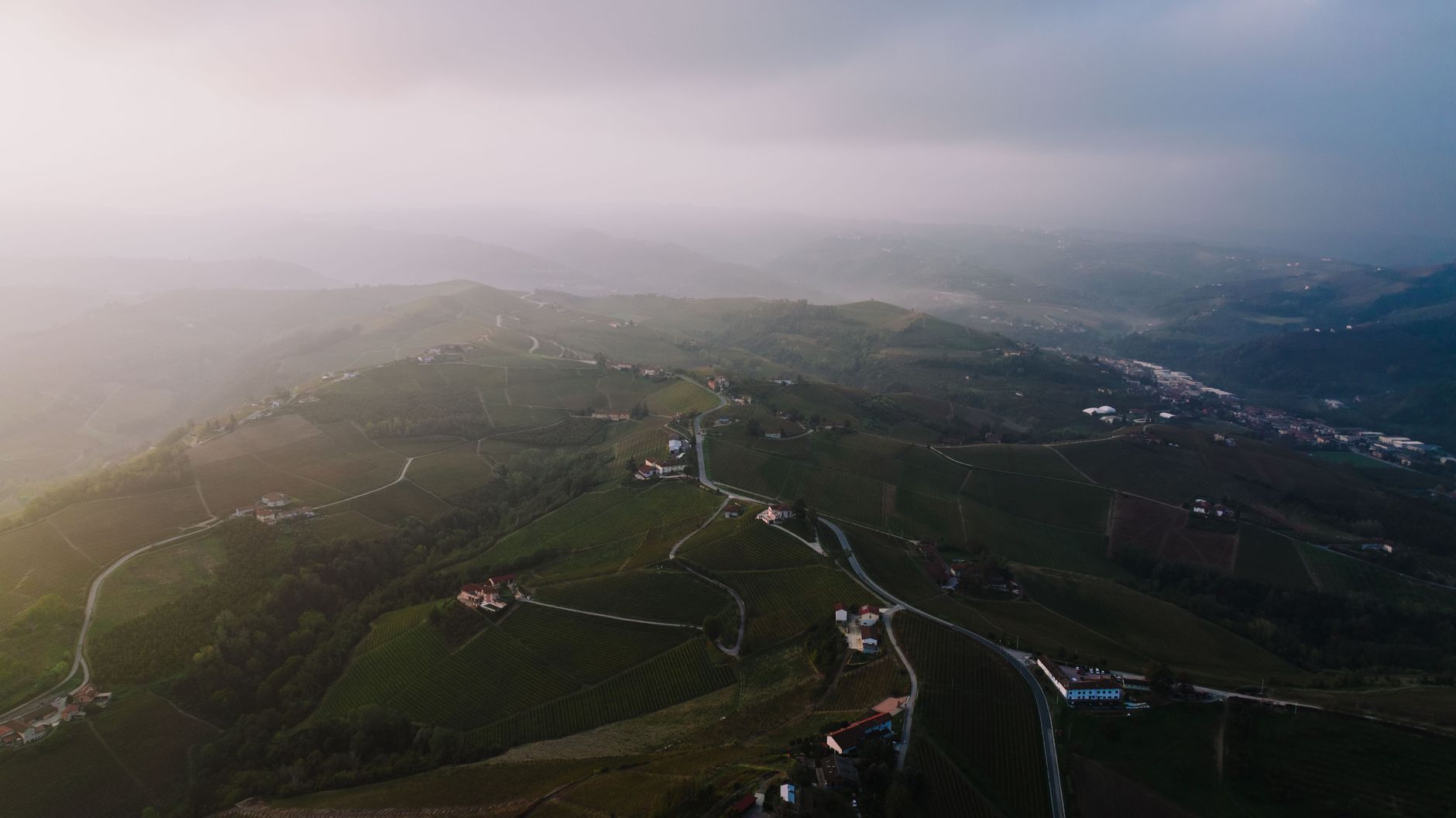
The single best wine drive in Italy, and short enough to do properly. Drive it east to west in the morning, stop in two villages rather than five, and book one tasting rather than three. The road is narrow and the turns blind; go slowly.
Cheese · Piemonte
Source VerifiedCastelmagno
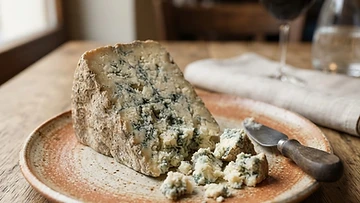
Castelmagno is the most distinctive cheese in Piedmont and one of the few Italian mountain cheeses with real character. It is dry, salty, and faintly blue, and the best versions are made on the summer pastures above the village. Buy it at altitude if you can.

Wine Appellation · Piemonte
Source VerifiedMoscato d'Asti DOCG
Moscato d'Asti is dismissed as a beginner's wine, which is a mistake: the good versions are delicate, bitter-edged, and the best possible thing with a plate of peaches or a slice of hazelnut cake. Drink it in the hills where it is made.

Monastery · Piemonte
Source VerifiedSacra di San Michele
The Sacra is the single best half day out of Turin and it takes an effort: a long staircase, wind, and a building that appears to have grown out of the mountain. Go early, walk up rather than drive to the top, and stay for the terrace.

Town · Piemonte
Source VerifiedAsti
Asti is the value base of Piemonte and the right choice if you want wine country without the Langhe's prices and crowds. The old town has a genuine Gothic core and a strong food scene, and the vineyards of Moscato and Barbera begin at the ring road. Worth a night, not two unless it is Palio week.
Town · Piemonte
Source VerifiedAlba
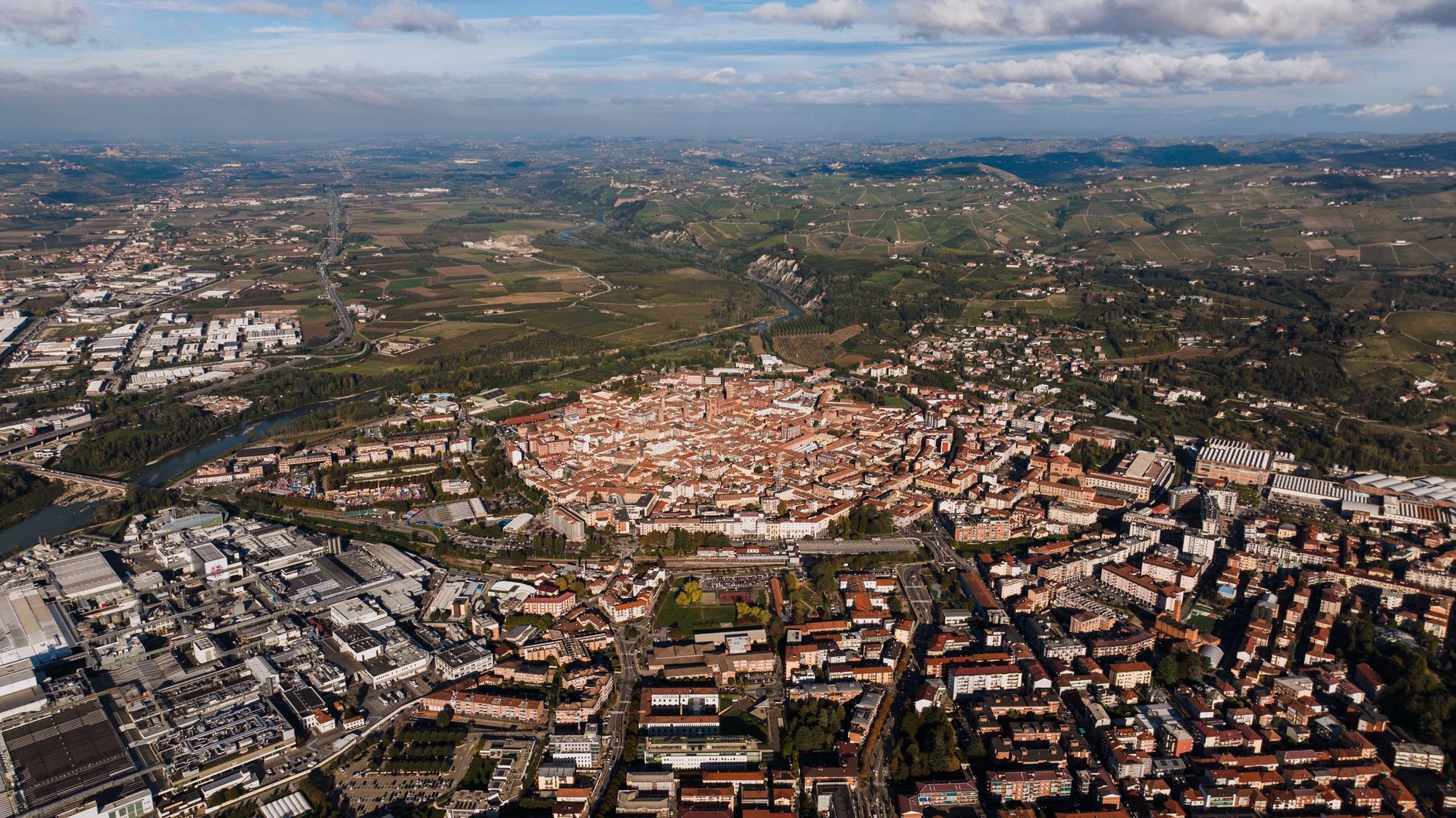
Alba is the correct base for the Langhe and the most useful town in Piemonte after Turin. It is a real place with a market, a station, and restaurants that do not depend on tourists, and every wine village you want is a twenty-minute drive away. Two nights minimum in truffle season, one night is thin.

Village · Piemonte
Source VerifiedNeive
Neive is the prettiest of the Langhe villages and the most satisfying for a non-specialist hour: you can walk the whole historic core in half an hour, then eat well and taste Barbaresco without driving on. Better than Barbaresco village if you want a village that feels inhabited.

City · Piemonte
Source VerifiedTurin
Turin rewards three nights and gets skipped by almost everyone. The arcaded center is walkable end to end, the food culture is confident rather than performative, and the museum pair — Egyptian and Cinema — is genuinely world class. Treat it as a city trip in its own right, not a gateway to the Langhe.

Village · Piemonte
Source VerifiedBarbaresco
Worth two hours if you are already in the Langhe, mainly for the tower view across the Tanaro valley to Barolo. The village itself is tiny — one piazza, one church, a handful of tasting rooms — so do not plan a day around it. Combine with Neive and Treiso.
Lake · Piemonte
Source VerifiedLago Maggiore
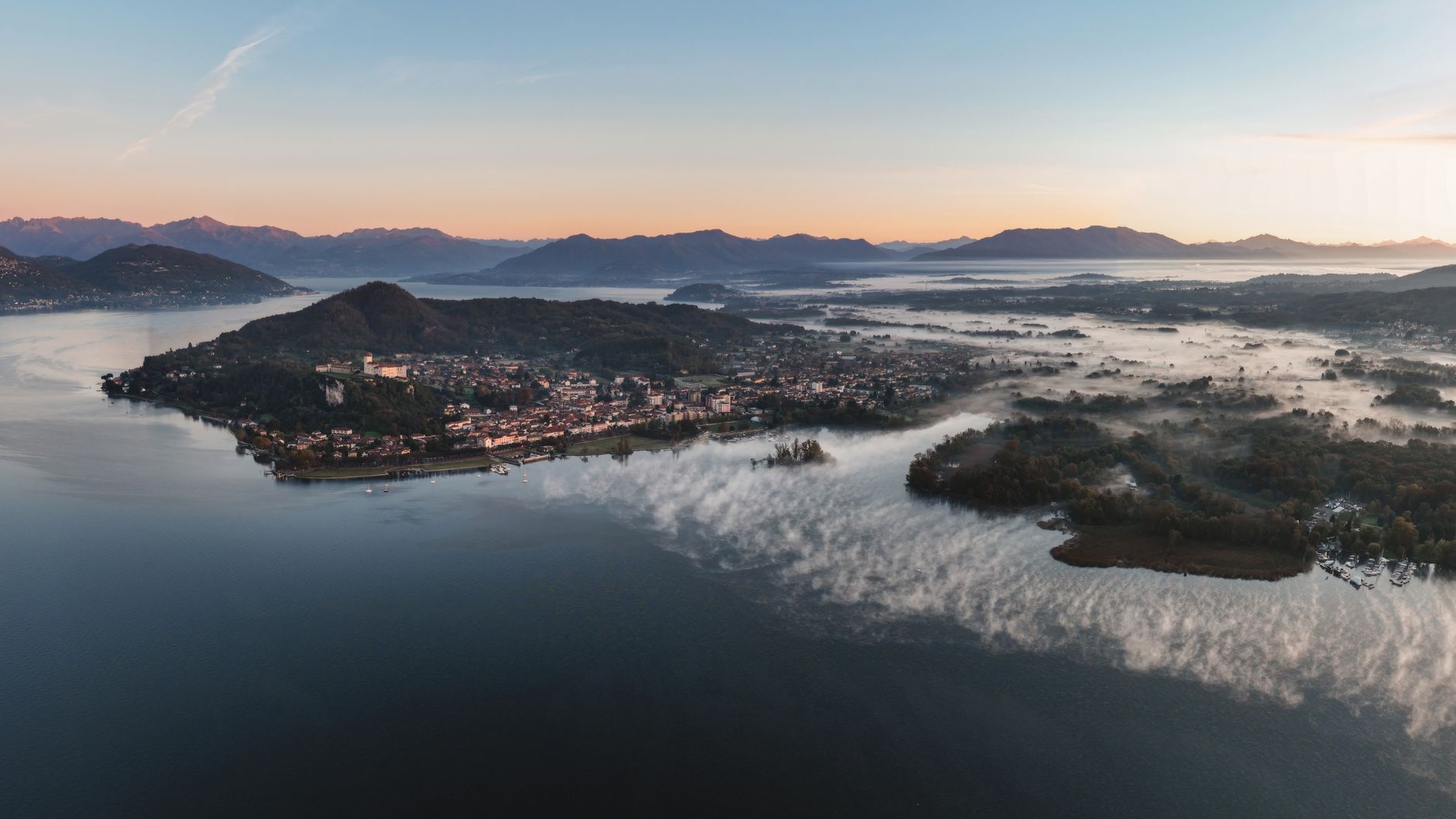
The aristocratic of the Italian lakes — the Borromean Islands (palaces and terraced gardens), the alpine north (the Val Grande wilderness), and the mild climate. Worth a couple of days for the islands.

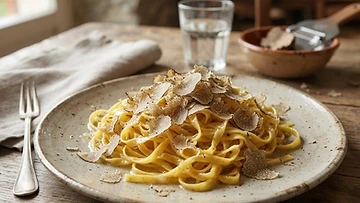
Dish · Piemonte
Source VerifiedTajarin al Tartufo
The dish that justifies the trip to Alba in October-November. Tajarin: thin, golden ribbons made with up to 40 egg yolks per kilo of flour. Tossed in butter and shaved with white truffle (tartufo bianco d'Alba), by weight, at the table. The pasta is the vehicle; the truffle is the point. Nothing else should interfere — no garlic, no cream, no tomato. When the truffle is good, this is the best pasta in Italy.

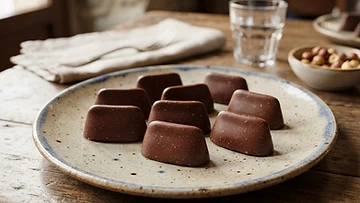
Dish · Piemonte
Source VerifiedGianduiotto
The chocolate that Nutella descends from, and is much better than. A small, boat-shaped piece of gianduja — a blend of cocoa and roasted Piedmontese hazelnuts (Tonda Gentile delle Langhe). Invented in Turin in the 1850s; the first wrapped chocolate in Italy. Eat it from a Turinese chocolatier, where it's still made with care. The nut flavor is deeper than the spread that copied it.

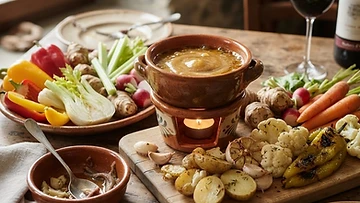
Dish · Piemonte
Source VerifiedBagna Càuda
The dish that proves Piedmont eats like no one else in Italy. A warm bath of melted butter, garlic, and salted anchovy (bagna cauda = 'hot sauce'), served in a terrine, with raw winter vegetables — cardoon, jerusalem artichoke, peppers, cabbage, carrots — to dip. Pungent, fishy, and communal — eaten slowly, with friends, with wine. Not for the faint of palate; a revelation for the bold.


Dish · Piemonte
Source VerifiedVitello Tonnato
The cold dish that defines a Piedmontese summer, and that the rest of Italy now eats too. Thin slices of cold braised veal, covered in a sauce of tuna, capers, anchovy, olive oil, and egg — emulsified into a creamy, savory blanket. The sauce is the work; the veal is the canvas. Invented in Turin, eaten across the north all summer. Best made a day ahead, so the flavors marry.


Dish · Piemonte
Source VerifiedGrissini di Torino
The breadstick that the world copied, and that Piedmont still does best. Long, pencil-thin, dry, and crisp, originally invented in Turin in the 17th century for a sick duke who couldn't digest bread. Eaten at every Piedmontese meal, as a starter, with prosciutto wrapped around them. The rubatà (hand-rolled) version is thicker and rougher than the industrial one. A small thing, done right.

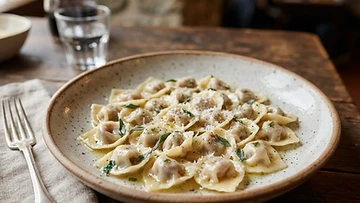
Dish · Piemonte
Source VerifiedAgnolotti del Plin
The filled pasta that defines Piedmontese home cooking. Small squares of egg pasta, pinched shut (plin means 'pinch'), filled with a mix of roasted meats — beef, rabbit, pork, and sometimes cabbage. Served either in broth or with butter and sage, or 'al tovagliolo' (on a napkin, dry). Traditionally made with the leftovers of a Sunday roast. The skill is the pinch and the smallness.

Wine Appellation · Piemonte
Source VerifiedGavi di Gavi DOCG
The most famous Piedmontese white — crisp, dry, and food-friendly. The best bottles come from vineyards within the commune of Gavi itself ('Gavi di Gavi'). Reliable and widely available.

Wine Region · Piemonte
Source VerifiedLanghe
The single best wine region in Italy to base yourself if you're serious about both wine and food. Barolo and Barbaresco are the headline, but the hazelnut groves, the white truffle fair in Alba, and the cooking of Le Langhe make it a complete trip. The landscape is a UNESCO World Heritage site. Go in autumn for the full effect.

Wine Appellation · Piemonte
Source VerifiedBarolo DOCG
The king of Italian reds. Nebbiolo at its most powerful and age-worthy, from five communes (Barolo, La Morra, Serralunga d'Alba, Monforte d'Alba, Castiglione Falletto) that each give a different expression. Book tastings in advance — the best producers are small, family-run, and don't do walk-ins. Base in Alba and drive out, or stay in a village for the immersive version.

Wine Appellation · Piemonte
Source VerifiedBarbaresco DOCG
Barolo's more aromatic, earlier-drinking sibling, from four communes (Barbaresco, Neive, Treiso, Trezzo Tinella) east of Alba. Slightly under the radar of casual wine tourists, which makes the experience quieter and the prices gentler. For serious Nebbiolo drinkers, some argue it's the more elegant expression.