The Verdict
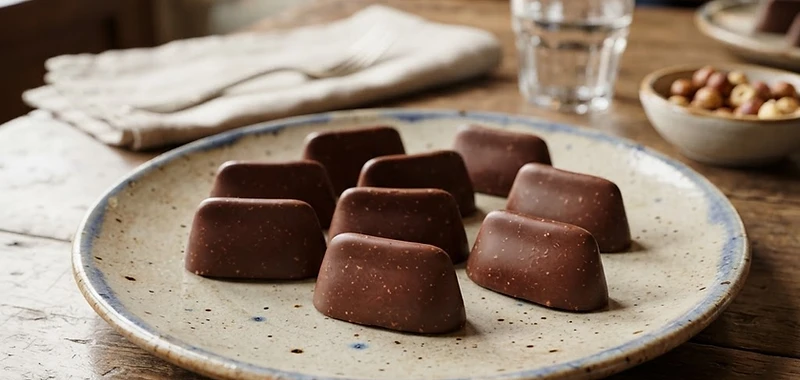
The chocolate that Nutella descends from, and is much better than. A small, boat-shaped piece of gianduja — a blend of cocoa and roasted Piedmontese hazelnuts (Tonda Gentile delle Langhe). Invented in Turin in the 1850s; the first wrapped chocolate in Italy. Eat it from a Turinese chocolatier, where it's still made with care. The nut flavor is deeper than the spread that copied it.
Why go
To taste the original hazelnut chocolate — in Turin, before Nutella was a thought.
The Field Guide take
The gianduiotto is the original hazelnut-chocolate of Turin, a confection that predates the modern era of industrial spreads by a century. It is a distinct, boat-shaped piece of gianduja—a silky, stable blend of cocoa and finely ground roasted hazelnuts. To eat a gianduiotto in its home province is to taste a fundamental piece of Piedmontese history, where local necessity dictated a global standard for confectionery.
A product of necessity
The gianduiotto emerged in Turin during the mid-19th century as a response to the prohibitive cost of imported cocoa beans following the Napoleonic blockade. With prices soaring, Turinese chocolatiers needed to stretch their inventory. By incorporating the abundant, high-quality hazelnuts of the Langhe region, they created a more affordable alternative that proved superior in flavor.
In 1852, Michele Prochet of the firm Caffarel refined the mixture, and by 1865, the candy was launched in its signature inverted-boat shape. It was named after Gianduja, a mask of the Turinese carnival who represents the traditional Piedmontese citizen. This was the first individually wrapped chocolate in Italy, a moment that marked a turning point in European confectionery by setting a high bar for the craftsmanship of blended chocolate and nut products.
The craft of the mold
A traditional gianduiotto is defined by the quality of its components: cocoa butter, cocoa paste, sugar, and the Tonda Gentile delle Langhe hazelnut, which carries IGP (Protected Geographical Indication) status.
Production begins with roasting and grinding the hazelnuts into an exceptionally fine, smooth paste. This is blended into the melted chocolate base. The mixture is then poured into small, boat-shaped metal molds—a process known as estrusion—rather than being cut from a slab. A properly made gianduiotto should feel velvety and melt cleanly on the tongue. If the chocolate leaves a waxy residue or feels grainy, it is likely that the producer has replaced cocoa butter with cheaper fats or used lower-grade hazelnuts. The flavor should be balanced, with the toasted, earthy notes of the hazelnut grounding the sweetness of the cocoa.
Where to find the authentic article
Turin is the primary destination for gianduiotto. Here, the city’s high-end historical chocolatiers maintain the standard, using high concentrations of PGI-certified hazelnuts and pure cocoa butter. You will find that smaller artisanal laboratories throughout the broader Piemonte region may experiment with the roast level of the hazelnuts. Some choose a light, creamy profile, while others roast the nuts deeply to create a bolder, more intense flavor. Avoid mass-produced versions sold in supermarkets; they often rely on excessive sugar and inferior ingredients, losing the delicate balance that defines the local craft.
When to eat it
While you can purchase gianduiotti year-round, they are most appropriate during the cooler autumn and winter months when the dense, rich nature of the chocolate is most satisfying. It is also a traditional gift during the holiday season in Italy.
The gianduiotto is best enjoyed in small quantities, as its high hazelnut-oil content makes it quite filling. If you are sitting in a historic café in Turin, pair it with a Bicerin—the classic local drink of espresso, chocolate, and cream—or a simple, strong shot of espresso to cut through the richness. For an evening pairing, it is frequently served alongside a glass of Barolo Chinato, an aromatic, herb-infused wine that complements the complexity of the gianduja.
The Story
Where Gianduiotto comes from
The gianduiotto emerged in Turin during the mid-19th century, a product of necessity and high taxes on cocoa. Following the Napoleonic blockade, the price of imported cocoa beans soared, forcing local chocolatiers to stretch their supply by incorporating the abundant hazelnuts of the Langhe region. In 1852, Michele Prochet of the Caffarel firm perfected the blend, naming the confection after Gianduja, the mask of the Turin carnival who represents the common Piedmontese citizen. This pairing of chocolate and hazelnut proved a significant success, marking the birth of gianduja as a staple of Northern Italian confectionery. By 1865, the chocolate was officially sold in its distinct, inverted-boat shape, becoming the first mass-produced, individually wrapped chocolate in Italy. It represents a pivot point in European chocolate history, setting a standard for craftsmanship that would eventually be simplified and diluted into the commercial hazelnut spreads familiar today.
What Defines It
Signature ingredients
Nocciola Piemonte IGP
The Tonda Gentile delle Langhe hazelnut is the core component, providing a distinct, intense nuttiness and a high oil content that defines the texture.
Cocoa butter
Provides the essential snap and melt-in-the-mouth quality that synthetic fats or palm oil lack in cheaper imitations.
Cocoa paste
High-quality cocoa mass is necessary to balance the richness of the hazelnuts without masking their subtle, earthy profile.
Refined sugar
Used to harmonize the natural bitterness of the cocoa and the roasted notes of the hazelnuts.
The Method
How it's made
Traditional production involves finely grinding the roasted hazelnuts into a smooth paste before blending them into the melted chocolate base. The mixture is then poured into small, boat-shaped metal molds—a process known as 'estrusion'—rather than being cut from a slab. A superior gianduiotto is characterized by its velvety, melt-away texture; it should not feel waxy or excessively sugary. Careless versions often replace high-grade cocoa butter with inferior fats and use lower-quality hazelnuts, resulting in a grainy mouthfeel and a one-dimensional sweetness that overpowers the delicate nut flavor.
Across Italy
Regional variants
Turin
The birthplace of the chocolate, where high-end chocolatiers emphasize higher concentrations of PGI-certified hazelnuts and pure cocoa butter.
Piemonte
Smaller artisanal laboratories across the region may vary the roast level of the hazelnuts, creating versions ranging from light and creamy to dark and deeply roasted.
Timing
When to eat it
Available year-round, though consumption peaks during the cooler autumn and winter months when the flavor of rich chocolate is most appropriate. It is a traditional gift during the holiday season.
Serve With
Classic pairings
Barolo Chinato
wineA spiced, aromatized red wine from the region that cuts through the fat of the hazelnut and complements the cocoa notes.
Bicerin
drinkA traditional Turinese layered drink of espresso, chocolate, and cream; it enhances the gianduiotto experience as an afternoon indulgence.
Espresso
drinkThe sharp bitterness of a concentrated shot of coffee serves as an ideal palate cleanser against the sweetness of the gianduja.
What makes it worth going
A hazelnut-and-chocolate confection from Turin — the original hazelnut chocolate, the forefather of Nutella.
Things to do
- pasticceria
A Turin pasticceria (e.g. Baratti & Milano, Peyrano, Streglio)
The home of the gianduiotto, in Turin. The hazelnut, the chocolate, the boat shape. The gold foil is the mark. Buy them by the box.
1 hr
- cafe
A gianduiotto tasting with a coffee
The gianduiotto with a coffee; the Turin afternoon tradition. The Bicerin (coffee, chocolate, cream) is the rival.
1 hr
- experience
A gianduiotto factory tour
The gianduiotto is the first wrapped chocolate in the world (1865); the gold foil is the history. A tour shows the production.
1.5 hrs
- cafe
The Piazza San Carlo cafés
The historic Turin squares, with the cafés that serve the gianduiotto and the Bicerin. The café is the context.
Eat
- chocolate
Gianduiotto
The classic: a smooth, creamy chocolate-hazelnut (gianduia) confection, shaped like an upturned boat, wrapped in gold foil. The hazelnuts are the Piedmontese Tonda Gentile; the chocolate is the base.
- drink
Bicerin
The Turin coffee-chocolate-cream drink, the rival; the gianduiotto and the Bicerin are the two Turin sweets.
- pairing
With a coffee or a grappa
The companions; the coffee is the afternoon, the grappa is the after-dinner.
Stay
- neighborhood
Turin center (Centro / Piazza San Carlo)
Near the best pasticcerias and cafés. Walkable and central.
- rural
The Langhe (hazelnut country)
In the hills, where the Tonda Gentile hazelnuts are grown. A car is required.
Experiences Worth Booking
Gianduiotto and chocolate tour
3 hrsA Turin pasticceria, a factory, a tasting of gianduiotti and Bicerin. The chocolate is the context.
The gianduiotto is the first wrapped chocolate; a tour shows you the hazelnut, the boat, and the foil.
Suits: Sweet tooths who want the Turin chocolate at its source.
Piedmont sweet and wine day
full dayA gianduiotto tasting, a hazelnut grove, a Barolo cellar. The full Piedmont arc.
The gianduiotto, the hazelnut, and the Barolo are the Piedmont trinity; a day covers all.
Suits: Food and wine travelers with a day for Piedmont.
What's nearby & pairs with
More food from Piemonte
Dish
Tajarin al Tartufo
Egg-yolk-rich ribbon pasta with butter and white truffle — the signature dish of the Alba truffle season.
Dish
Bagna Càuda
A warm dip of garlic, anchovy, and butter for raw vegetables — the communal dish of Piedmont's cold months.
Dish
Vitello Tonnato
Cold sliced veal with a tuna-caper sauce — the dish of the Piedmontese summer that everyone copies.
Dish
Grissini di Torino
Long, thin, crisp breadsticks from Turin — the breadstick the world copied, at its source.
Dish
Agnolotti del Plin
Tiny pinched pasta parcels filled with roast meat, from the Langhe and Monferrato — Piedmont's most refined pasta.
Ready to plan?
Ready to turn discovery into a trip?
Italy Field Guide helps you decide where to go. When you're ready to build the actual day-by-day itinerary, take your saved places to Travel Itinerary Co — your interests go with you.
Turn your saved Italy places into a trip