The Verdict
Lake Como is worth two nights. Base in Bellagio, Varenna, or Menaggio and ferry between villages. You do not need a car — the ferry is the transport. Go in shoulder season; July is crowded and expensive.
Why go
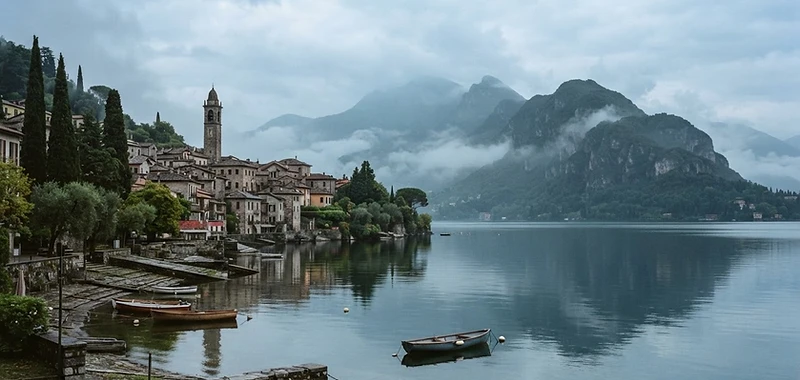
Alpine mountains dropping into deep water, grand villas, and a ferry network that makes a car unnecessary.
The Field Guide take
Lake Como, located in the Lombardia region, is characterized by its deep, glacial waters and the dramatic alpine mountains that frame its shores. Unlike the more agricultural landscapes found elsewhere in Italy, this is a refined setting defined by 19th-century villas, manicured gardens, and a network of ferry-linked villages. It is a mature, quiet destination that rewards those who enjoy slow movement and scenery. ## The Ferry as Transport A car is a burden on Lake Como. The roads are narrow, winding, and often congested, and parking in towns like Bellagio or Varenna is scarce. The local ferry system, however, is excellent. It connects the central lake towns and provides the best vantage point for viewing the estates that line the waterfront. Spend your time on the water, moving between the villages of the central basin to see how each town interacts with the lake. ## Regional Archetypes Each town has a distinct character. Bellagio is the most commercial and polished, functioning as the central hub. Varenna, on the eastern shore, is quieter and arguably more charming, with its steep waterfront walkways and views back toward the center. Menaggio offers a more laid-back pace on the western side. Exploring these towns is a matter of walking the narrow lakefront paths and visiting local churches, many of which house ornate woodwork and frescoes that have survived for centuries. ## When to Visit The lake is at its best during the shoulder seasons of May, June, and September. July and August bring intense heat and a significant influx of tourists, which can make the small ferry piers feel overwhelmed. Keep in mind that the weather can shift quickly in the mountains, so bring layers even if the forecast looks pleasant. This is a place to sit by the water, visit a villa garden, and take the boat to dinner. It is not an itinerary-heavy location; it is a place designed for sitting still.
What makes it worth going
The deepest of the Italian lakes — alpine scenery, grand villas, and ferry-connected villages. The most glamorous of the lakes.
Things to do
- historic center
Bellagio Waterfront
The 'Pearl of the Lake' and a must-visit for classic Como scenery.
2 hours
- museum
Villa del Balbianello
The most beautiful garden-focused villa on the lake; book in advance.
Half day
- viewpoint
Lake Ferries
The ferry is the only way to get a true perspective of the Alpine lake.
Half day
Eat
- Dish
Risotto con Pesce Persico
Classic lake perch served with buttered risotto; the regional specialty.
- Dish
Polenta Uncia
Rich, cheesy, butter-laden polenta that is perfect for Alpine air.
Stay
- Neighborhood
Varenna
A quieter, more atmospheric base than Bellagio, easily accessed by train.
- Neighborhood
Bellagio
The classic, central ferry hub for those who want to be in the action.
What's nearby & pairs with
What to eat here
The regional specialties — not tonight's restaurant, the food worth understanding before you go.
Dish
Risotto alla Milanese
This dish is the pride of Milan, reflecting the city’s historical connection to trade and luxury. Saffron was a prized import, used to tint the rice to the color of gold, symbolizing wealth. It is a refined, delicate risotto that demands careful attention to the grain's starch release.
Dish
Cotoletta alla Milanese
The Cotoletta alla Milanese is a long-standing point of contention with Vienna’s Schnitzel, but the Milanese claim it as their own centuries-old tradition. It was historically a dish for the wealthy, using premium veal fried in butter. Its defining characteristic is the bone-in cut, which keeps the meat succulent.
Dish
Ossobuco
Ossobuco, literally 'bone with a hole,' is the signature braised dish of Lombardy. It focuses on the marrow bone, which was long considered the most prized part of the veal. It is a slow, patient dish that exemplifies the classic Northern Italian love for tender, braised meats.
Cheese
Grana Padano
Grana Padano is the daily cheese of the Po Valley, having been produced since the 12th century by monks looking to preserve surplus milk. While similar to Parmigiano, it covers a much wider production area and is slightly more approachable in its youth. It is a workhorse cheese, essential to Italian cooking as both a table staple and a structural ingredient.
Cheese
Gorgonzola
Gorgonzola is one of the world's oldest blue cheeses, with legends suggesting it was discovered when a cheesemaker accidentally left a curd batch out to spoil. Named after a small town in Lombardy, it has become a staple of Northern Italian cuisine. It is split into two distinct styles based on aging time and mold intensity.
Cheese
Taleggio
Taleggio is a washed-rind cheese from the Val Taleggio, with history dating back to the Roman times. It was traditionally produced in the autumn after cows returned from alpine pastures. The distinctive orange rind comes from the regular washing of the surface with brine, which encourages specific microflora to develop its savory, pungent aroma.
Local wine
Wine Appellation
Franciacorta DOCG
Traditional-method sparkling wine from the glacial hills of Franciacorta, south of Lake Iseo — Italy's answer to Champagne, made the same way.
Wine Region
Franciacorta Wine Region
The rolling moraine hills south of Lake Iseo in Lombardy — Italy's premier traditional-method sparkling wine region, on glacial soils.
Getting there & around
Train
Well-connected by rail.
Car
A car is not necessary.Not relevant. The ferry is the point.
We don't publish real-time schedules. Confirm train times on Trenitalia or Italo, and check current ZTL boundaries locally.
Ready to plan?
Ready to turn discovery into a trip?
Italy Field Guide helps you decide where to go. When you're ready to build the actual day-by-day itinerary, take your saved places to Travel Itinerary Co — your interests go with you.
Turn your saved Italy places into a trip