The Verdict
Varenna is the best base on Lake Como if you want quiet and train access. It is less glamorous than Bellagio but more livable, and the ferry to Bellagio is 15 minutes.
Why go
A quiet, train-accessible Lake Como village with a waterfront promenade and easy ferry access to Bellagio.
The Field Guide take
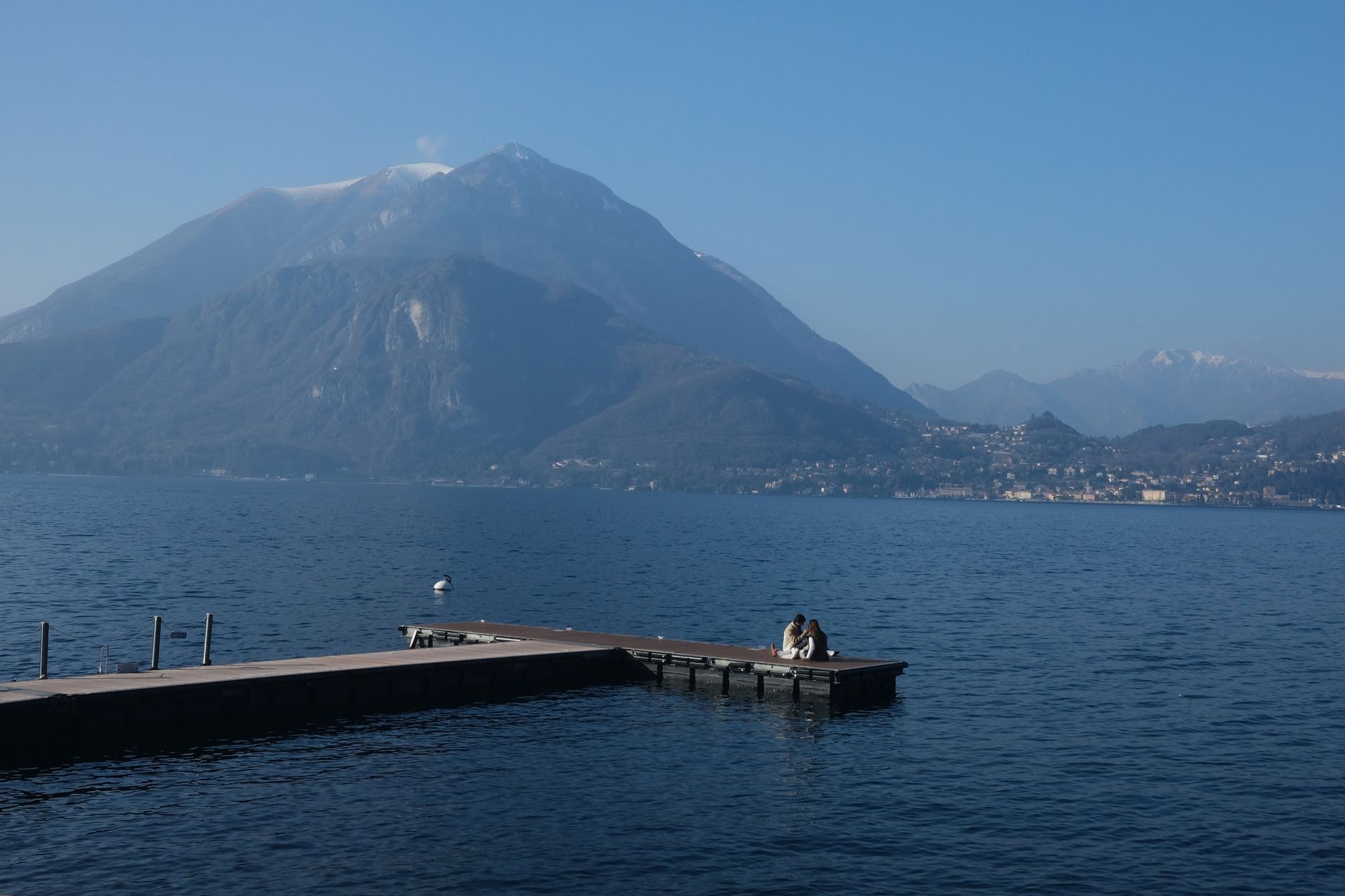
Varenna occupies a steep slice of the eastern shore of Lake Como in the Lombardia region. Unlike its western neighbor Bellagio, which feels like a polished commercial hub, Varenna maintains the functional, slightly hushed atmosphere of a residential village. It serves as a natural stop for rail commuters arriving from Milan, placing it on the main transit artery rather than at the end of a long, winding lakeside drive.
The Lakeside Promenade
The village is defined by a narrow, sun-drenched footway that clings to the limestone cliffs. This promenade connects the ferry dock to the small town square and a handful of stone-and-plaster buildings that house modest trattorias. It is an honest walk, unadorned by grand shopping arcades, though it does get congested during the peak summer afternoon hours when day-trippers arrive from the lake ferries.
Villa Life and Gardens
Two main estates, Villa Monastero and Villa Cipressi, dominate the southern end of the village. Both are set into the precipice, offering garden paths that overlook the water. They are well-maintained examples of 19th-century eclecticism, featuring botanic collections and terraces that emphasize the verticality of the lake landscape. You do not come here for rapid sightseeing, but for the slow, deliberate pace of walking these garden tiers.
Transport and Logistics
Varenna is a logistical convenience. The train station provides a direct link to Milan, and the ferry terminal acts as a gateway to the rest of the lake’s mid-section. Because the village is compact, the transition from the train tracks to the water is short and manageable. It is an ideal anchor for those who prefer to spend their mornings on a boat and their evenings in a quiet, manageable environment away from the heavy foot traffic of the larger, more commercialized lake towns. If you require absolute silence, seek accommodation on the upper slopes, away from the immediate sound of the ferry horn.
What makes it worth going
The quieter eastern-shore village on Lake Como — a train station, a waterfront promenade, and a better base than Bellagio for travelers who want calm.
Things to do
- Museum
Villa Monastero
Extensive gardens that stretch along the lakeside.
2 hours
- Castle
Castello di Vezio
A steep hike up rewards you with the best views of the lake.
2 hours
- Historic center
Varenna Promenade
A romantic walkway that hugs the cliffside.
1 hour
Eat
- Dish
Missoltino
Sun-dried lake shad fish, a traditional local specialty.
- Dish
Lavarello
Whitefish from the lake, usually served simply with lemon and herbs.
Stay
- Neighborhood
Old Varenna
Charming, steep, and close to the ferry dock.
- Neighborhood
Near Fiumelatte
Quieter area just south of the main village.
What's nearby & pairs with
What to eat here
The regional specialties — not tonight's restaurant, the food worth understanding before you go.
Dish
Risotto alla Milanese
This dish is the pride of Milan, reflecting the city’s historical connection to trade and luxury. Saffron was a prized import, used to tint the rice to the color of gold, symbolizing wealth. It is a refined, delicate risotto that demands careful attention to the grain's starch release.
Dish
Cotoletta alla Milanese
The Cotoletta alla Milanese is a long-standing point of contention with Vienna’s Schnitzel, but the Milanese claim it as their own centuries-old tradition. It was historically a dish for the wealthy, using premium veal fried in butter. Its defining characteristic is the bone-in cut, which keeps the meat succulent.
Dish
Ossobuco
Ossobuco, literally 'bone with a hole,' is the signature braised dish of Lombardy. It focuses on the marrow bone, which was long considered the most prized part of the veal. It is a slow, patient dish that exemplifies the classic Northern Italian love for tender, braised meats.
Cheese
Grana Padano
Grana Padano is the daily cheese of the Po Valley, having been produced since the 12th century by monks looking to preserve surplus milk. While similar to Parmigiano, it covers a much wider production area and is slightly more approachable in its youth. It is a workhorse cheese, essential to Italian cooking as both a table staple and a structural ingredient.
Cheese
Gorgonzola
Gorgonzola is one of the world's oldest blue cheeses, with legends suggesting it was discovered when a cheesemaker accidentally left a curd batch out to spoil. Named after a small town in Lombardy, it has become a staple of Northern Italian cuisine. It is split into two distinct styles based on aging time and mold intensity.
Cheese
Taleggio
Taleggio is a washed-rind cheese from the Val Taleggio, with history dating back to the Roman times. It was traditionally produced in the autumn after cows returned from alpine pastures. The distinctive orange rind comes from the regular washing of the surface with brine, which encourages specific microflora to develop its savory, pungent aroma.
Local wine
Wine Appellation
Franciacorta DOCG
Traditional-method sparkling wine from the glacial hills of Franciacorta, south of Lake Iseo — Italy's answer to Champagne, made the same way.
Wine Region
Franciacorta Wine Region
The rolling moraine hills south of Lake Iseo in Lombardy — Italy's premier traditional-method sparkling wine region, on glacial soils.
Getting there & around
Train
Well-connected by rail.
Car
A car is not necessary.Train from Milan to Varenna-Esino station. Ferry to Bellagio.
We don't publish real-time schedules. Confirm train times on Trenitalia or Italo, and check current ZTL boundaries locally.
Ready to plan?
Ready to turn discovery into a trip?
Italy Field Guide helps you decide where to go. When you're ready to build the actual day-by-day itinerary, take your saved places to Travel Itinerary Co — your interests go with you.
Turn your saved Italy places into a trip