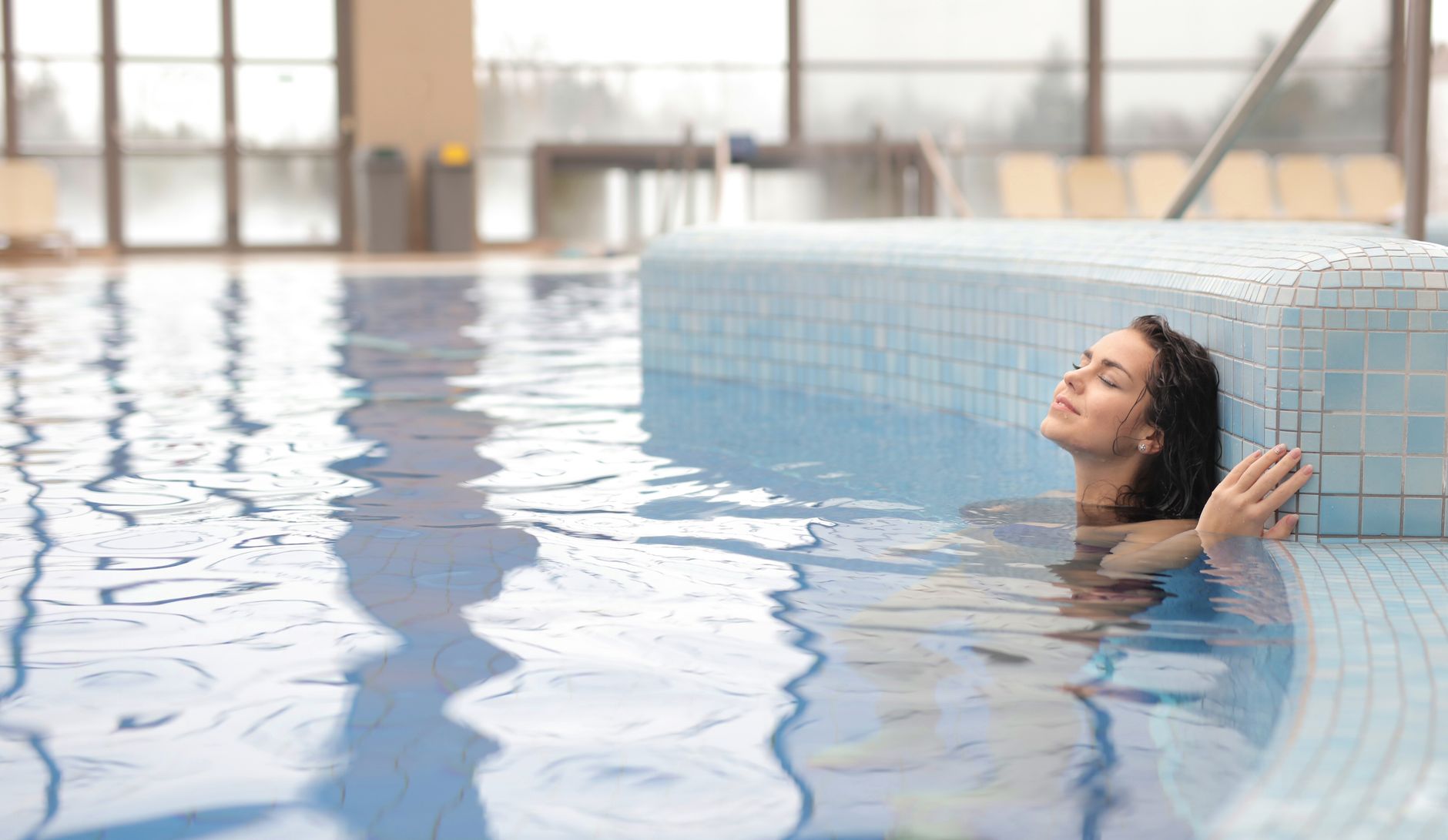
The Verdict
The most elegant of the Italian spa towns — the art-nouveau bathhouses, the parks, and the funicular to Montecatini Alto. Worth a day if you love Belle Époque; a night for the full resort.
Why go
For the art-nouveau bathhouses (the Tettuccio, the Tamerici) and the parks — the Belle Époque spa town, between Florence and Lucca.
The Field Guide take
Montecatini Terme is a town built entirely around the philosophy of the water cure. Located between Florence and Lucca, it rose to prominence in the late 19th century as a destination for the European bourgeoisie. The town is divided into two distinct parts: the bustling modern center and the ancient hill town of Montecatini Alto, accessible by a funicular railway. ## The Belle Époque Legacy The town’s historical appeal lies in its grand, art-nouveau bathhouses, specifically the Tettuccio and the Tamerici. The Tettuccio is a sprawling complex of columns, fountains, and frescoes that feels more like a palace than a medical facility. Even if you do not partake in a full treatment, the architecture provides a vivid snapshot of a time when the wealthy traveled from across the continent to 'take the waters' as a social and medicinal ritual. The town parks are expansive, manicured, and provide a buffer between the grand hotels and the nearby commercial streets. ## The Experience Today Montecatini is not a wilderness retreat; it is a city of legacy hotels and manicured green spaces. It suits travelers interested in the history of Italian tourism and the aesthetic of the turn-of-the-century spa movement. You can spend an afternoon walking between the grand porticos of the thermal complexes, then take the funicular up to the old medieval village for dinner. While the medical efficacy of the water is a matter of tradition, the town’s real value is its preservation of a bygone era. It remains a functional town that does not feel like a museum, though it lacks the rustic isolation of more rural Tuscan destinations. Come here if you enjoy wide boulevards, historical grand hotels, and the slow pace of a classic Italian resort town.
What makes it worth going
The grande dame of Italian spa towns — the Liberty (art-nouveau) bathhouses, the parks, and the funicular to the old town above. The turn-of-the-century Tuscan resort.
Things to do
- thermal_bath
Tettuccio Terme (the art-nouveau baths)
The grand art-nouveau bathhouse (1903), with the colonnade, the frescoes, and the drinking fountains (the mineral waters). The reason to come; the park is the setting. Day tickets for the baths.
half day
- experience
The funicular to Montecatini Alto
The 1898 funicular (the oldest in the world still running) to the old hill town above, with the view over the spa town and the plain to Florence. The afternoon trip.
- piazza
The parks & the Liberty villas
The spa parks (the Parco delle Terme), the art-nouveau pavilions, and the cafés — the Belle Époque resort, for a walk.
Eat
- dessert
Brigidini di Montecatini
The small anise wafers (the brigidini), the spa-town sweet, made since the 16th century. The after-bath treat.
- dish
Tuscan staples (ribollita, pappardelle)
The Tuscan classics; the spa town does them as well as anywhere.
Stay
- hotel
A grand hotel in the center
Stay in the center (the Grand Hotel or a B&B) for the parks and the baths; the funicular is at the edge.
What to eat here
The regional specialties — not tonight's restaurant, the food worth understanding before you go.
Cured Meat
Finocchiona
Finocchiona evolved in the Middle Ages as a way for clever Tuscan butchers to stretch expensive pepper, which was imported and costly. They used wild fennel seeds—abundant in the Tuscan countryside—to provide a similar aromatic intensity at no cost. Over time, it became the signature salume of Florence.
Dish
Bistecca alla Fiorentina
This is the king of Tuscan beef dishes, tied directly to the Chianina breed and the traditions of the Florence aristocracy. It was historically a feast food, designed to show off the quality of the local cattle. The preparation is aggressively simple, focusing entirely on the quality of the raw ingredient.
Dish
Pappardelle al Cinghiale
Wild boar hunting is a central part of Tuscan autumn and winter culture. The ragù made from the catch is a deep, gamey, and intensely flavorful sauce that defines the season. It is meant to be served with broad pasta noodles that can hold the dense, meaty sauce.
Dish
Ribollita
Ribollita originated as a classic cucina povera dish designed to waste nothing. Tuscan peasants would gather leftover minestrone and day-old bread, simmering them together with beans to create a hearty, restorative meal. It was often made in large batches and reboiled the next day, which is how it earned its name.
Cheese
Pecorino di Pienza
Born in the rolling hills of the Val d'Orcia, Pecorino di Pienza is a product of the Etruscan tradition of sheep herding. Unlike harder, sharper pecorinos, this cheese is celebrated for its versatility and the impact of the local flora on the final taste. It is deeply connected to the landscape of Tuscany, often reflecting the herbs found in the grazing fields.
Cured Meat
Lardo di Colonnata
Lardo di Colonnata is a hyper-local product from the Carrara marble quarries in Tuscany. Quarrymen used to bury slabs of pork fat in the very marble troughs used to extract the stone, covering them with herbs and salt. Today, it remains a rare, highly valued delicacy that defines the ingenuity of the region's working-class heritage.
Local wine
Wine Appellation
Brunello di Montalcino DOCG
100% Sangiovese from the hill town of Montalcino — Tuscany's most structured, age-worthy, and expensive red, from a small, strictly defined zone.
Wine Appellation
Chianti Classico DOCG
Sangiovese-based red from the original historic Chianti zone between Florence and Siena — the most famous wine landscape in Italy.
Wine Appellation
Bolgheri DOC
Coastal Tuscan appellation on the Bibbona plain — where Super Tuscans were born, with Bordeaux varieties that broke Italian wine rules and won.
Wine Appellation
Vino Nobile di Montepulciano DOCG
Sangiovese-based red from Montepulciano — the third of Tuscany's noble reds, often the best value.
Getting there & around
Train
Well-connected by rail.
Car
A car is not necessary.The center is drivable; the parks are walkable. The funicular is at the lower town.
We don't publish real-time schedules. Confirm train times on Trenitalia or Italo, and check current ZTL boundaries locally.
Ready to plan?
Ready to turn discovery into a trip?
Italy Field Guide helps you decide where to go. When you're ready to build the actual day-by-day itinerary, take your saved places to Travel Itinerary Co — your interests go with you.
Turn your saved Italy places into a trip