The Atlas
Destinations
Every traveler-relevant place in Italy, judged by Trip Role. Filter by tier to find major anchors, or by role to find day trips, detours, and quick stops.
49 places

Experience · Toscana
Source VerifiedGrape Harvest in Chianti
If you are in Chianti in September, the harvest is the thing to arrange — the rest of the year it is not on offer.

Festival · Toscana
Source VerifiedThe Palio di Siena
One of the few genuinely unrepeatable spectacles in Europe, and a hard day for a casual visitor.

Cooking Experience · Toscana
Source VerifiedFarmhouse Cooking in Chianti
The best version of this is small, seasonal, and in someone's own kitchen — avoid anything with a coach outside.

City · Toscana
Source VerifiedLivorno
Rough-edged and unfashionable, and a far better place to eat and sleep than the resorts south of it.
Town · Toscana
Source VerifiedGreve in Chianti
The most useful base in Chianti Classico: not the prettiest town in the hills, but the best placed and the least precious.

Scenic Drive · Toscana
Source VerifiedChiantigiana
The most famous wine road in Italy and, used correctly, still excellent. The trick is to leave before eight, drive it once without stopping, then pick a single village and walk. Between ten and four in summer it is a queue.

Wine Region · Toscana
Source VerifiedChianti
Chianti is a landscape rather than a destination, and the way to use it is to pick one village and stay two nights rather than driving between ten. Greve, Radda, and Castellina are the practical bases. Skip the Chiantigiana in August and go in October.

Valley · Toscana
Source VerifiedVal d'Orcia
The Val d'Orcia is the most photographed rural landscape in Italy and still works if you get off the main road. Three nights, based in Pienza or San Quirico, is the correct amount: one for the wine towns, one for walking, one for Monte Amiata. Avoid July and August heat.

Wine Appellation · Toscana
Source VerifiedRosso di Montalcino DOC
Rosso di Montalcino is the practical answer to Brunello's prices: same grape, same hills, less oak and less time in barrel. It is not a lesser wine so much as a different one, and for a lunch in the town it is the correct order.

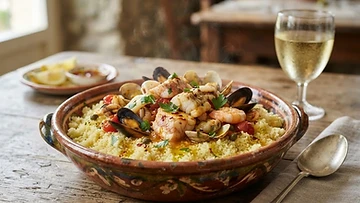
Dish · Toscana
Source VerifiedCouscous di pesce
The best single dish in western Sicily and a direct inheritance from North Africa, not a fusion invention. Eat it in Trapani or Marsala, where the fish is landed; it is less good inland and worse abroad.

Town · Toscana
Source VerifiedPitigliano
Pitigliano is a worthwhile detour rather than a base: one night or an afternoon, on a route between Tuscany and Rome. The town's fascination is geological as much as architectural, and the old Jewish quarter and synagogue add a history most hill towns do not have.

Town · Toscana
Source VerifiedCortona
Cortona is the best two-night base in southeastern Tuscany and the most rewarding hill town for anyone willing to walk uphill. It is steep and small, and the view from the Medici fortress justifies the climb. Under the Tuscan Sun made it famous; the town has absorbed that without losing its shape.

City · Toscana
Source VerifiedArezzo
Arezzo is the best value city base in eastern Tuscany and the counterweight to Siena's crowds. The fresco cycle in San Francesco is worth the trip on its own, the monthly antique fair is the largest in Italy, and Cortona and the Casentino are within reach. Two nights.

Palace · Toscana
Source VerifiedPalazzo Vecchio
Worth it. The Salone dei Cinquecento is one of the great painted rooms, and the tower climb gives the best view of the Duomo. The secret passages tour is the better ticket.

Museum · Toscana
Source VerifiedGalleria dell'Accademia
Worth it for David alone, but the rest is thin and the crowds are punishing. Go early or go late; skip if you cannot get a timed ticket.

Cathedral · Toscana
Source VerifiedDuomo di Firenze
Essential. The dome is the skyline of Florence. Climb it (with a timed ticket) to understand the engineering, then see the Baptistery doors and Giotto's campanile.

Cathedral · Toscana
Source VerifiedDuomo di Siena
Highly recommended. The striped marble interior, the Piccolomini Library, and the marble floor panels make this Siena's strongest single sight.

Museum · Toscana
Source VerifiedUffizi Gallery
Essential. You cannot understand Florentine art without it, and the early-Renaissance rooms alone justify the trip. Book ahead or you will lose half a day in line.

Piazza · Toscana
Source VerifiedPiazza del Campo
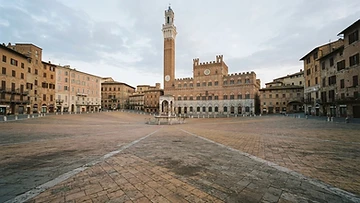
Essential. It is the room Siena is built around. Go at midday to see the square fill, or the evening before the Palio to feel the contrade.

Palace · Toscana
Source VerifiedPalazzo Pitti
Recommended for the Palatine Gallery alone; do not try to do all five in one visit. Pair with the Boboli Gardens behind it.

Piazza · Toscana
Source VerifiedPiazza dei Miracoli
Essential as a first sight; the tower gets the crowds but the Baptistery acoustics and the Camposanto fresco fragments are the real draw.

Garden · Toscana
Source VerifiedBoboli Gardens
Recommended. Pair with Palazzo Pitti. It is large and shaded; budget two hours and a hat.

Coastline · Toscana
Source VerifiedCosta degli Etruschi
The Etruscan coast of Tuscany — white beaches, the Bolgheri wine, and the Etruscan sites. Worth a day or two for the wine and the beach; the less-crowded Tuscan coast.

Mountain · Toscana
Source VerifiedAlpi Apuane
The marble mountains of Tuscany — the white Carrara quarries (the Michelangelo marble), the peaks, and the wildest side of the region. Worth a day for the quarries and the hikes; the surprise of Tuscany.
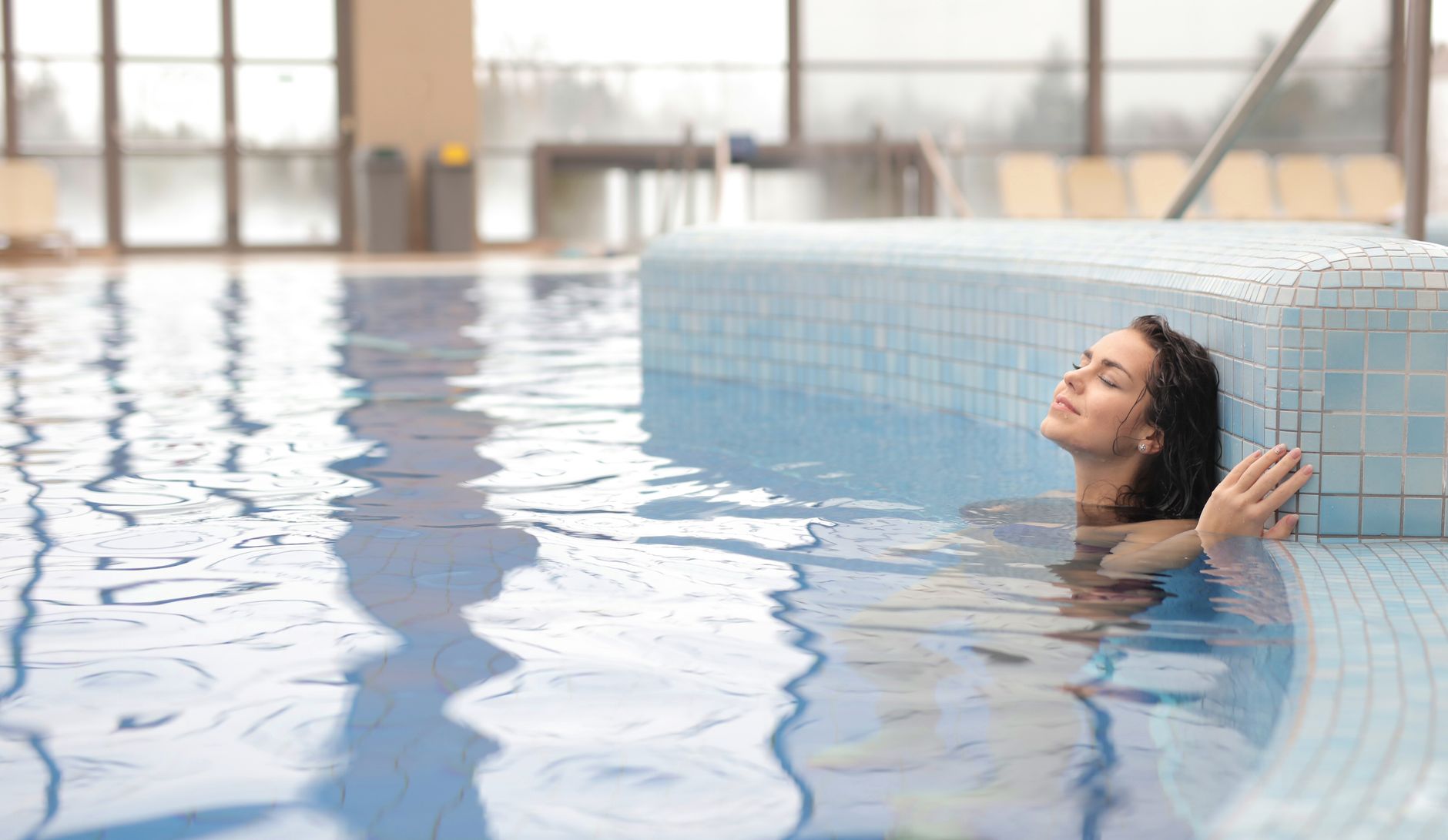
Thermal Bath · Toscana
Source VerifiedMontecatini Terme
The most elegant of the Italian spa towns — the art-nouveau bathhouses, the parks, and the funicular to Montecatini Alto. Worth a day if you love Belle Époque; a night for the full resort.

Thermal Bath · Toscana
Source VerifiedSaturnia Thermal Baths
The most famous wild hot springs in Italy — sulfurous water at 37°C, tumbling into limestone pools, for free, in the open. Worth a stop if you're in the Maremma; go at dawn or night to avoid the crowds.

Island · Toscana
Source VerifiedElba
The most accessible Italian island — sandy beaches, Napoleon's exile (Villa San Martino), the iron-mining history, and the mountain. Worth a few days for the beach-and-history mix, and it's an easy ferry from Piombino.

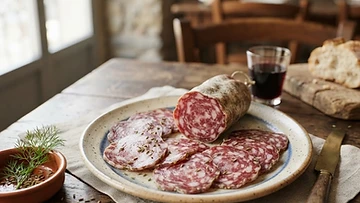
Cured Meat · Toscana
Source VerifiedFinocchiona
The salami of Tuscany, and the one you'll eat most without knowing its name. Coarsely ground pork, cured with fennel seeds (finocchio), black pepper, and red wine. The fennel gives it a sweet, anise scent that cuts the richness. Eaten in every Florentine panino and every Tuscan antipasto. The most everyday, and one of the best, of the Tuscan cured meats.


Dish · Toscana
Source VerifiedRibollita
The Tuscan peasant dish that proves poverty cookery is its own cuisine. Stale bread, cannellini beans, cavolo nero (black kale), carrots, celery, and onion, simmered and then reboiled the next day (ribollita means 'reboiled') until it's thick enough to stand a spoon in. It's the opposite of bistecca — cheap, slow, and, done right, one of the best things in Tuscan cooking.


Dish · Toscana
Source VerifiedPappardelle al Cinghiale
The pasta of the Tuscan autumn and winter. Wide, flat pappardelle with a slow-cooked ragù of wild boar (cinghiale) — tomato, red wine, rosemary, juniper, and the game itself. It's the dish that makes the case for Tuscany as a meat region, not just a wine one. Order it in a country trattoria in the Siena province, with a Brunello or a Chianti.


Cured Meat · Toscana
Source VerifiedLardo di Colonnata
The cured meat that sounds worst and is most surprising: pure pork fatback, aged in white marble basins (conche) from the Carrara quarries, layered with salt, garlic, rosemary, and spices. After 6 months, it's silky, translucent, and aromatic — sliced thin, it melts on warm bread. From Colonnata, a quarry village above Carrara. IGP-protected, and a genuine one-of-a-kind.

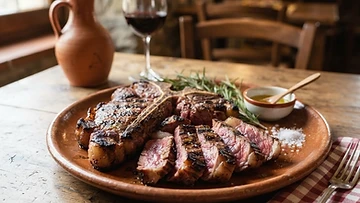
Dish · Toscana
Source VerifiedBistecca alla Fiorentina
The dish of Tuscany, and the one that divides people. A thick T-bone from Chianina cattle, grilled over wood embers, served rare — very rare — with only salt, olive oil, and sometimes rosemary. You order it by the kilo for a group. It's expensive, it's theatrical, and when it's good it's one of the best meat experiences in Europe. When it's bad it's an expensive chew.

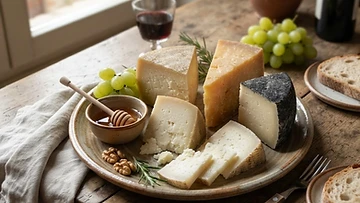
Cheese · Toscana
Source VerifiedPecorino di Pienza
The pecorino that proves Tuscany does sheep's milk as well as Lazio. From the hills around Pienza, in the Val d'Orcia, made in styles from fresh (pecorino fresco, soft and mild) to aged (stagionato, hard and nutty) to ash-rubbed (infossato, buried in walnut leaves). The aged version is a great pecorino for eating, not just grating. Buy it in Pienza and eat it with honey.
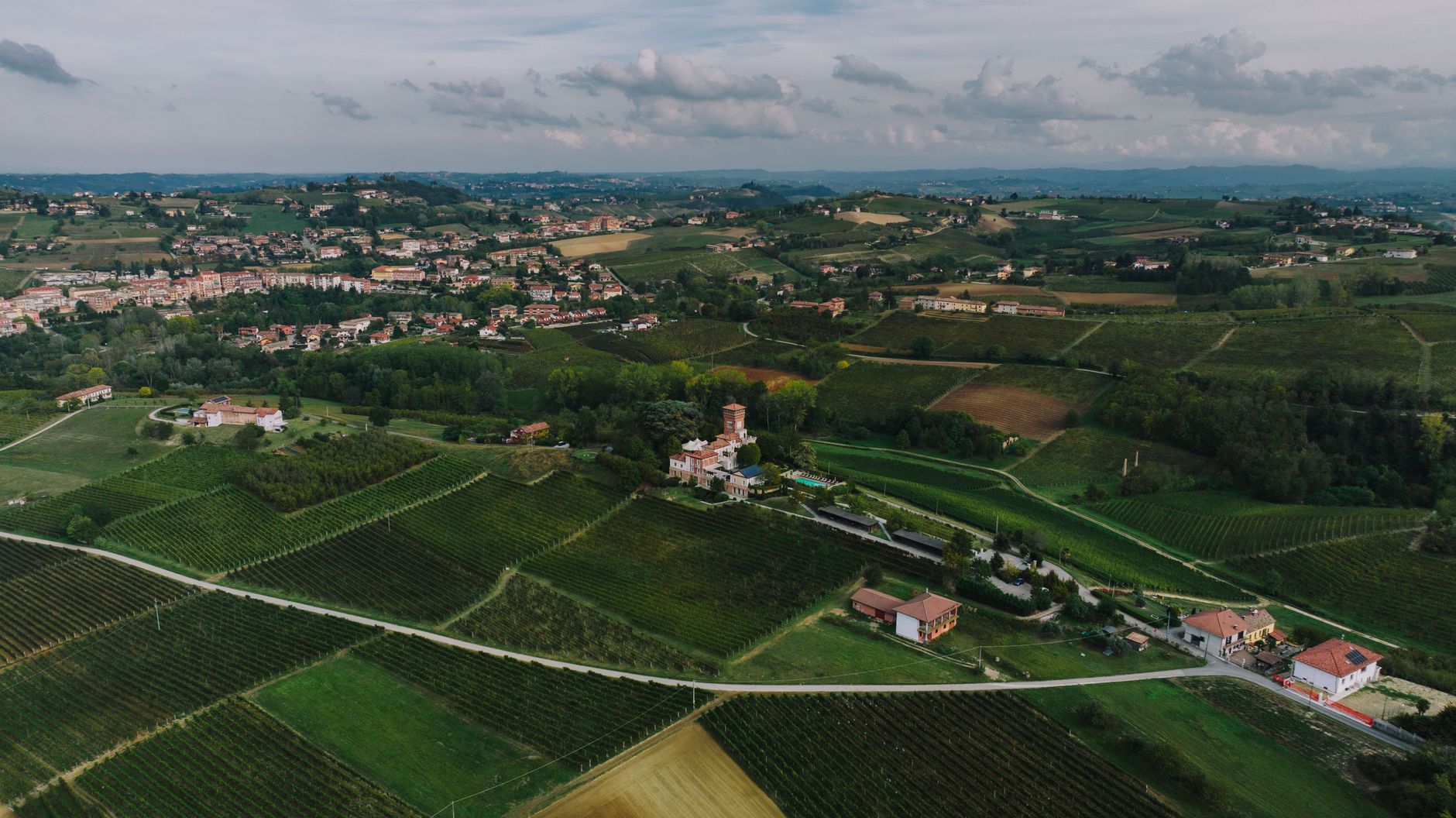
Wine Appellation · Toscana
Source VerifiedVino Nobile di Montepulciano DOCG
The most underappreciated of Tuscany's big three (after Chianti Classico and Brunello). Same grape, different town, gentler prices, and Montepulciano is a beautiful base.

Wine Appellation · Toscana
Source VerifiedBrunello di Montalcino DOCG
Tuscany's most age-worthy Sangiovese, 100% from the Brunello clone, aged a minimum of five years before release. Montalcino itself is a gorgeous, well-preserved medieval town. The wine is priced for collectors, not casual sippers — but the region delivers consistently, and the Val d'Orcia landscape around it is among Tuscany's best.

Wine Appellation · Toscana
Source VerifiedBolgheri DOC
Where Super Tuscans were born. Sassicaia, Ornellaia, Guado al Tasso — international varieties on coastal Tuscan soil, made in a way that was illegal under Italian wine law until the laws caught up with the quality. International prices, but genuinely world-class. The cypress avenue and the coastal location are a bonus.

Wine Appellation · Toscana
Source VerifiedChianti Classico DOCG
The heart of Chianti — the original historic zone, demarcated in 1716, between Florence and Siena. The best quality-to-name-recognition ratio in Italian wine: accessible, consistent, and the landscape is what people picture when they imagine Tuscany. The Black Rooster (Gallo Nero) seal marks the Classico zone.
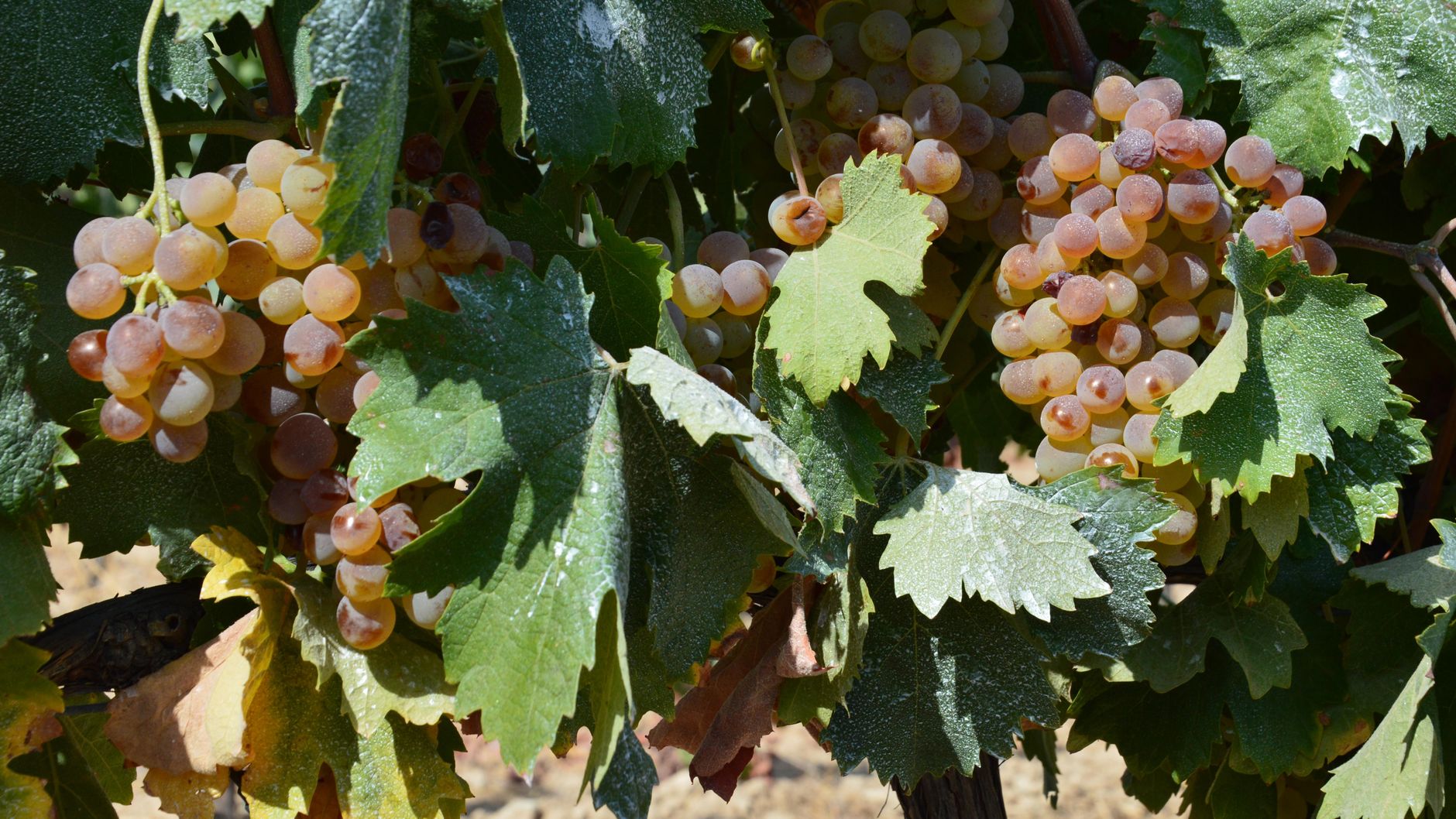
Wine Appellation · Toscana
Source VerifiedVernaccia di San Gimignano DOCG
Tuscany's only notable indigenous white, and it's been famous since the Renaissance. Crisp, slightly almond-bitter, and the perfect break from a diet of red. The towers of San Gimignano are right there.
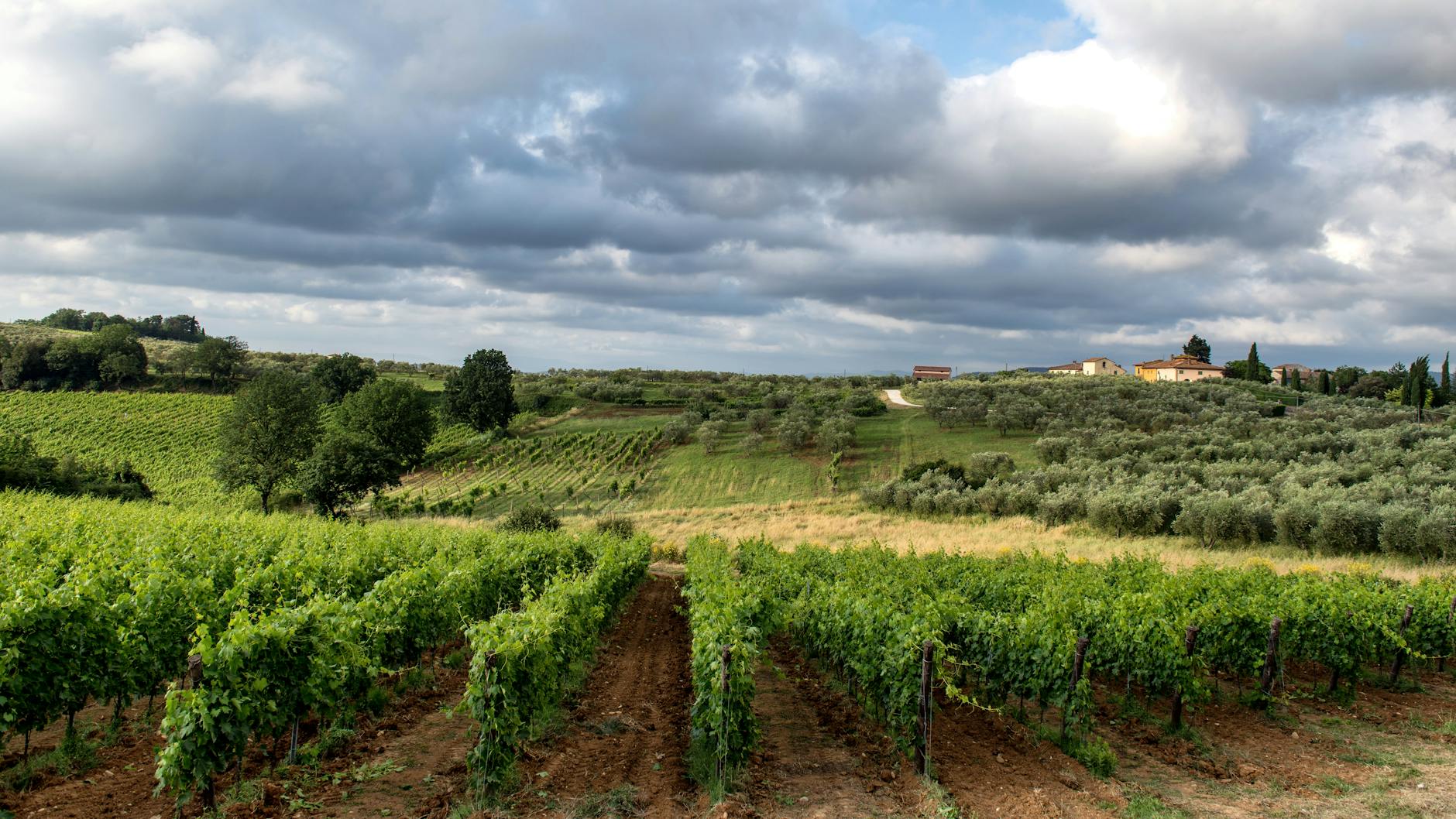
Wine Region · Toscana
Source VerifiedChianti
The wine landscape everyone pictures when they think of Tuscany. Chianti Classico is the historic core, demarcated in 1716; the broader Chianti zone spreads across seven sub-regions. It's touristy because it's genuinely beautiful — cypress trees, stone farmhouses, and rolling vineyards. Go in shoulder season if you can, and stay off the main road.

Wine Region · Toscana
Source VerifiedMontalcino
A beautiful hill town surrounded by the most expensive vineyards in Tuscany. Brunello is the draw, but Montalcino itself is one of the better-preserved medieval towns in the region. Combine with Montepulciano and Pienza for a Val d'Orcia base — the landscape between them is the famous Tuscan view.

Town · Toscana
Source VerifiedVolterra
Volterra is worth a half-day if you're based in San Gimignano or Siena. It is more ancient and less touristy than its neighbors. The Etruscan museum and the Roman theater are the essentials.

Town · Toscana
Source VerifiedMontalcino
Montalcino is worth a half-day if you're wine-focused and already in the Val d'Orcia. The Brunello is the reason. Don't add it to Montepulciano and Pienza unless wine is the trip's purpose.

Town · Toscana
Source VerifiedPienza
Pienza is worth a half-day and a lunch. It is the smallest of the major Val d'Orcia towns and the most architecturally coherent. Buy pecorino, eat it with honey, leave happy.

City · Toscana
Source VerifiedPisa
Pisa is worth a half-day stop, usually paired with Lucca. The Piazza dei Miracoli is genuinely extraordinary; the rest of the town is pleasant but not essential. Don't build a trip around it.

City · Toscana
Source VerifiedLucca
Lucca is worth a night or a day trip from Florence. Cycling the walls is the essential experience. It is quieter and less touristy than Siena or San Gimignano, which is the point.

Town · Toscana
Source VerifiedSan Gimignano
San Gimignano is worth a half-day. It is beautiful and very crowded — go early or late, and don't stay overnight unless you want the town empty. The towers are the point; the souvenir shops are not.

Town · Toscana
Source VerifiedMontepulciano
Montepulciano is one of the Tuscan hill towns worth giving real time to, particularly if wine is part of the trip. You still probably do not need more than one night.

City · Toscana
Source VerifiedFlorence
Florence is worth two full days minimum and handles three well. It is small enough to walk end to end, which means it is also small enough to feel crowded — book the Uffizi and the Accademia ahead or you will waste half a day in line.

City · Toscana
Source VerifiedSiena
Siena is worth a night, or a long day trip from Florence. It is the best Tuscan base if you want a real city rather than a village. The Piazza del Campo alone justifies the visit.