The Verdict
The world's best-selling sparkling wine — but the good stuff, from the steep Valdobbiadene hills and the Cartizze hilltop, is genuinely fine, with a delicacy and orchard-fruit character the supermarket tank version can't touch. The landscape is a UNESCO World Heritage site for a reason: impossibly steep hills, hand-harvested vines, and a wine route that's one of the easiest day trips from Venice or Treviso.
Why go
To taste Prosecco as it's meant to taste — on the steep hills where it's made, not from a supermarket can.
The Field Guide take
The Prosecco di Valdobbiadene DOCG appellation represents the upper echelon of a wine style often misunderstood by global consumers. While the name "Prosecco" is frequently associated with mass-produced, inexpensive sparkling wine sourced from the flat plains of the Veneto, the DOCG status belonging to the hills of Valdobbiadene and Conegliano identifies a different product entirely. This is an area where the terrain—defined by severe, limestone-heavy slopes—forces a level of viticulture that cannot be automated.
The place
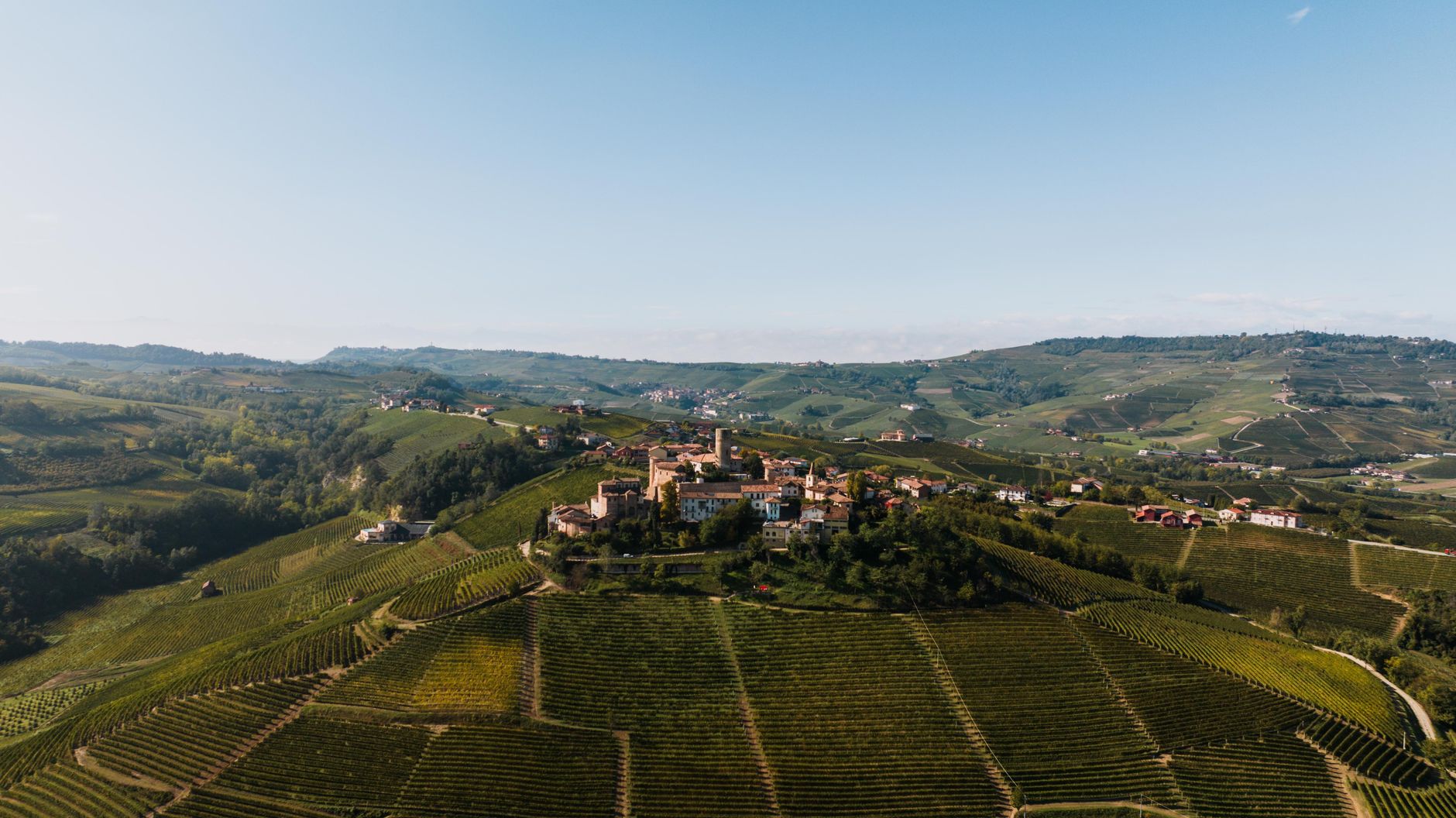
The heart of this region lies between the towns of Conegliano and Valdobbiadene in the province of Treviso. The landscape is marked by steep, narrow ridges that make mechanized farming impossible. In 2019, UNESCO designated these "le colline del Prosecco" a World Heritage site, acknowledging the historic labor required to maintain the vines on these precipitous slopes. It is a region of high-density, hand-tended plots that look down toward the plains but remain distinct from them, sheltered by the proximity of the Dolomite foothills.
The land and grapes
The primary grape here is Glera, a white variety that is traditionally suited to the limestone and clay soils of the Treviso pre-Alps. The geological composition of these hills is key to the wine's character. The limestone provides drainage and minerality, while the high altitude and diurnal temperature shifts help the grapes retain the acidity necessary for sparkling wine.
Within the DOCG, there is a classification hierarchy that helps define the quality. "Rive" wines come from designated, particularly steep slopes that emphasize the specific terroir of a single village. At the pinnacle is the area known as Cartizze, a small, highly prized hilltop site where the grapes reach a level of ripeness and aromatic complexity that consistently distinguishes these bottles from all other Prosecco production.
The wines
Unlike Champagne, which undergoes a second fermentation in the bottle, Prosecco DOCG is made using the tank (or Charmat) method. This process is deliberate; it is designed to capture the freshness, floral aromatics, and orchard-fruit character of the Glera grape rather than the toasted, yeasty profiles associated with long-term bottle aging.
A well-made Valdobbiadene DOCG is expected to be crisp and clean. Many modern producers have moved away from the residual sugar that defined earlier export versions, favoring "Brut" styles that emphasize the wine’s natural fruit purity. Because these wines are built for freshness rather than longevity, they should be consumed as young as possible, ideally within 18 months of their release.
Visiting
The region is an accessible day trip from Venice or Treviso. The primary infrastructure for visitors is the Strada del Prosecco, the oldest wine route in Italy. The route winds through the vineyards and villages, offering a clear view of the labor-intensive viticulture required by the terrain.
Visitors should expect a rural experience; this is a working agricultural zone rather than a theme park. While it is possible to visit during most of the year, the landscape is most active during the harvest, which occurs by hand in early autumn. Because the region is relatively compact, it is straightforward to navigate, but be prepared for narrow, winding roads that reflect the steep nature of the hillsides. If you are a purist who believes that only traditional-method sparkling wines (like Champagne or Franciacorta) hold value, you may find the tank-fermented profile of Prosecco underwhelming. However, if you are looking to understand the pinnacle of the Glera grape, the difference between a supermarket bottle and one from these slopes is definitive.
What to eat with it
The wine’s acidity and fruit-forward profile make it an effective companion for the regional cuisine of the Veneto. Prosciutto di San Daniele, with its balance of salt and fat, is a standard pairing that complements the bone-dry finish of a Brut Prosecco. The wine also pairs well with vegetable tempura or other light, fried appetizers, as the bubbles cut through the batter while the wine’s floral notes play against the sweetness of seasonal vegetables. Avoid heavy, cream-based sauces or intensely gamey meats, which can overwhelm the delicate structure of the wine.
The Story
Where Prosecco di Valdobbiadene DOCG comes from
Valdobbiadene is the historic heart of the Prosecco region, where steep slopes dictate hand-harvesting. Unlike the flat-land Prosecco DOC, these DOCG hills yield wines with significantly more aromatic focus and site expression. It matters because it separates a serious wine from mere sugary soda.
What Defines It
Defining grapes & terroir
Glera
A high-yielding but aromatic grape that smells of white flowers and pear.
Limestone
The bedrock of the steep hills that provides essential drainage and a taut finish.
The Method
How it's made
Produced via the tank (Charmat) method, which prioritizes freshness and fruit purity over secondary fermentation complexities. A good bottle is bone-dry (brut) and avoids the cloying sweetness of commercial versions.
Across Italy
Subzones & styles
Cartizze
The pinnacle vineyard area yielding the richest, most balanced examples.
Rive
Designated steep slopes that highlight specific village terroir.
Timing
When to drink it
Drink as young as possible, ideally within 18 months of release.
Serve With
Classic pairings
Prosciutto di San Daniele
foodThe salty, silky fat of the ham is lifted by the wine's bubbles.
Vegetable tempura
foodLight and crisp enough to pair with the delicate aromatics of the wine.
What makes it worth going
Glera-based sparkling wine from the steep hills of Valdobbiadene, in the Veneto — the good Prosecco, not the mass-market version.
Things to do
- viewpoint
Valdobbiadene and the Cartizze hill
The heart of the appellation. Drive or walk to the Cartizze hilltop — the grand cru of Prosecco, with a panorama over the steep vineyards.
half day
- scenic_drive
Strada del Prosecco (SR348)
The wine road through the Valdobbiadene and Conegliano hills. Steep, winding, and lined with tasting rooms.
half day
- settlement
Conegliano
The northern gateway to the Prosecco hills — a pleasant town with a castle, a wine school, and good restaurants.
half day
Eat
- dish
Radicchio di Treviso
Treviso's bitter red chicory — grilled, in risotto, or raw. The vegetable that defines the region's cooking.
- dish
Tiramisù
Treviso claims the invention of tiramisù — the region's dessert, and the Prosecco pairing no one thinks of.
- dish
Prosciutto and melon
The simple Veneto starter — Prosecco's natural pairing.
Stay
- agriturismo
Valdobbiadene hills
Stay among the vineyards for the full immersion — a few producers offer rooms.
- base
Treviso or Venice
Day-trip from either city — Treviso is closer and quieter, Venice is Venice.
Experiences Worth Booking
Prosecco hill tasting
1.5-2 hoursWalk through the Cartizze vineyards, tasting of Brut, Extra Dry, and Cartizze
The steep hills of Valdobbiadene are a UNESCO site. A tasting at a hilltop producer, with the landscape explained, is the way to understand why this is not the same wine as the one in the can.
Suits: All levels
What's nearby & pairs with
More wine from Veneto
Wine Appellation
Amarone della Valpolicella DOCG
Powerful dried-grape red from the Valpolicella hills north of Verona — Corvina, Rondinella, and Molinara, dried on racks for months before fermentation.
Wine Appellation
Soave DOC
Garganega-based white from the volcanic hills east of Verona — far better than its cheap reputation suggests.
Wine Region
Valpolicella
The wine hills north of Verona — home to Amarone, Ripasso, and Recioto, and the most accessible serious wine region in Italy.
Getting there & around
Train
Well-connected by rail.
Car
A car adds value here.
We don't publish real-time schedules. Confirm train times on Trenitalia or Italo, and check current ZTL boundaries locally.
Ready to plan?
Ready to turn discovery into a trip?
Italy Field Guide helps you decide where to go. When you're ready to build the actual day-by-day itinerary, take your saved places to Travel Itinerary Co — your interests go with you.
Turn your saved Italy places into a trip