The Verdict
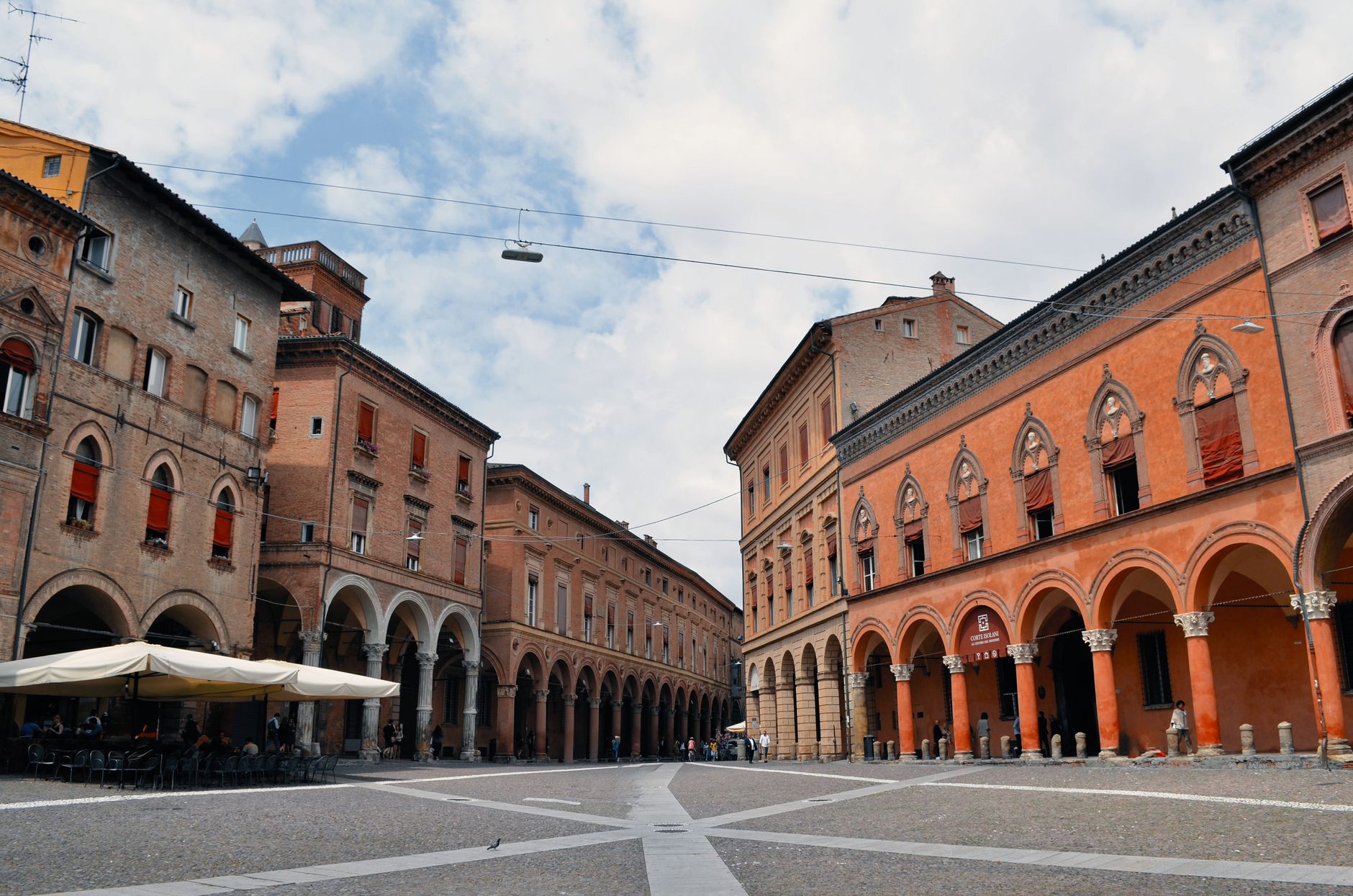
Ravenna is worth a full day. The mosaics are the best Byzantine art west of Istanbul, and the city is uncrowded and inexpensive compared to Florence. Pair it with Bologna.
Why go
The mosaics — six UNESCO sites of 6th-century Byzantine glass-and-gold tilework, unmatched outside Ravenna.
The Field Guide take
Ravenna is located on the flat plains of Emilia-Romagna, a stark contrast to the hill towns that define the rest of central Italy. It served as the capital of the Western Roman Empire and later as the center of Byzantine rule, a history that left the city with a specific set of visual treasures. While much of Italy focuses on fresco or sculpture, Ravenna is defined by glass and stone mosaic. These interiors are so dense and colorful that they make the art of most other Italian medieval cities seem plain by comparison. ## The Byzantine Masterpieces The mosaics in Ravenna’s churches and mausoleums, specifically San Vitale and the Mausoleum of Galla Placidia, are the finest examples of Byzantine art outside of Istanbul. These are not merely decorative wall coverings; they are intricate, light-refracting works of art that have survived for 1,500 years. Because Ravenna was an administrative center, the scale of the craftsmanship is imperial, utilizing expensive materials like gold leaf and exotic colored glass that would not have been available to common parish churches. ## A Flat, Quiet City Outside of the main mosaic sites, Ravenna is a comfortable, uncrowded city. It does not possess the intense tourist pressure of Florence or Venice, which makes it a pleasant place to walk. The city center is largely pedestrianized and maintains a low-key, professional atmosphere. It is an industrial region, yet the historic core feels like a preserved time capsule, quieted by the absence of the typical souvenir-focused crowds that populate major tourist hubs. ## Logistics and Itinerary Ravenna is worth a full day. The city is flat and easy to traverse on foot or by bicycle. Given its proximity to Bologna, it makes for a perfect secondary destination. You can easily reach it by regional train, and because the sites are scattered around the center, a full day allows you to see the key UNESCO-listed monuments without rushing. It is a site for the patient traveler, rewarding those who take the time to step into the dark interiors to watch the sunlight hit the tiles.
What makes it worth going
The Byzantine capital of Italy — mosaics so fine they make the rest of the country's medieval art look primitive. A flat, quiet, extraordinary city.
Things to do
- Cathedral
Basilica of San Vitale
The mosaic work here will leave you speechless.
1 hour
- Landmark
Mausoleum of Galla Placidia
Tiny, dark, and filled with the most intense blue mosaics.
1 hour
- Cathedral
Basilica of Sant'Apollinare Nuovo
Famous for the long, golden processions of saints.
1 hour
Eat
- Street food
Piadina
A thin flatbread stuffed with prosciutto and soft cheese.
- Dish
Cappelletti
Small stuffed pasta usually served in rich meat broth.
Stay
- Neighborhood
Ravenna historic center
Very flat and easy to cycle; most sites are within walking distance.
What's nearby & pairs with
What to eat here
The regional specialties — not tonight's restaurant, the food worth understanding before you go.
Dish
Tagliatelle al Ragù
In Bologna, the ragù is not a quick tomato sauce; it is a long-simmered technique born from the city's wealth and access to high-quality meat. It was designed to enrich fresh egg pasta, turning a simple meal into a luxury. The authentic version is famously light on tomato, relying instead on dairy and meat essence.
Dish
Tortellini in Brodo
Tortellini are the pride of Bologna, with historical records of the pasta dating back to the Middle Ages. They are traditionally served during high holidays, specifically Christmas, when the labor-intensive work of shaping each tiny piece by hand is a family ritual. The dish is considered a masterclass in regional balance, pairing rich meat with a clear, elegant broth.
Cheese
Parmigiano Reggiano
Known as the king of cheeses, Parmigiano Reggiano has been produced in the Emilia-Romagna region for centuries, with origins tracing back to medieval Benedictine and Cistercian monks. The production process is strictly controlled by a consortium to ensure specific cattle breeds and traditional methods are upheld. It remains one of the most recognizable food products in Italy, defined by its strict geographical limitations.
Cured Meat
Prosciutto di Parma
Prosciutto di Parma is the standard-bearer for Italian cured ham, produced in the hills surrounding Parma. Its fame is built on a specific microclimate, where the sea breezes from the Mediterranean are filtered through the Apennine Mountains, creating the perfect conditions for natural drying. It is a product of simplicity, requiring only pork, salt, and time.
Cured Meat
Culatello di Zibello
Culatello is the most prestigious cured meat in Italy, originating from the humid, fog-shrouded lowlands of the Po River near Zibello. It is made from the 'heart' of the pig's rear leg, which is removed from the bone and cured in a bladder. It is a product of patience and environmental necessity, as the river fog plays an essential role in its maturation.
Cured Meat
Mortadella di Bologna
Mortadella di Bologna is an ancient recipe, with the first evidence of it found in a 1661 decree in Bologna that protected its production. Unlike American 'baloney', real Mortadella is a highly refined emulsion of pork cuts, seasoned with aromatics and studded with lard cubes and pistachios. It is a masterpiece of balance and texture.
Getting there & around
Train
Well-connected by rail.
Car
A car is not necessary.ZTL in the center. Train from Bologna is 1 hour.
We don't publish real-time schedules. Confirm train times on Trenitalia or Italo, and check current ZTL boundaries locally.
Ready to plan?
Ready to turn discovery into a trip?
Italy Field Guide helps you decide where to go. When you're ready to build the actual day-by-day itinerary, take your saved places to Travel Itinerary Co — your interests go with you.
Turn your saved Italy places into a trip