The Verdict
Volcanic wine from the slopes of an active volcano — one of Italy's most exciting regions. Nerello Mascalese, on black volcanic ash, gives a red that's pale, nervy, and Burgundian in structure: high-toned, mineral, and capable of aging. The landscape, with Etna smoking behind the vines, is unforgettable. This is the region that made the wine world pay attention to Sicily.
Why go
Italy's most thrilling wine region right now, on the slopes of an active volcano, making a red unlike anything else in the country.
The Field Guide take
Etna Rosso is currently the most significant wine appellation in Italy, representing a departure from the traditional, high-alcohol wines historically associated with Sicily. Situated on the slopes of an active volcano in the province of Catania, these wines are defined by high altitudes, cool temperatures, and volcanic soils. They are characterized by a structural elegance often compared to Burgundy, marked by high acidity, fine tannins, and a pronounced mineral profile.
The landscape of the volcano
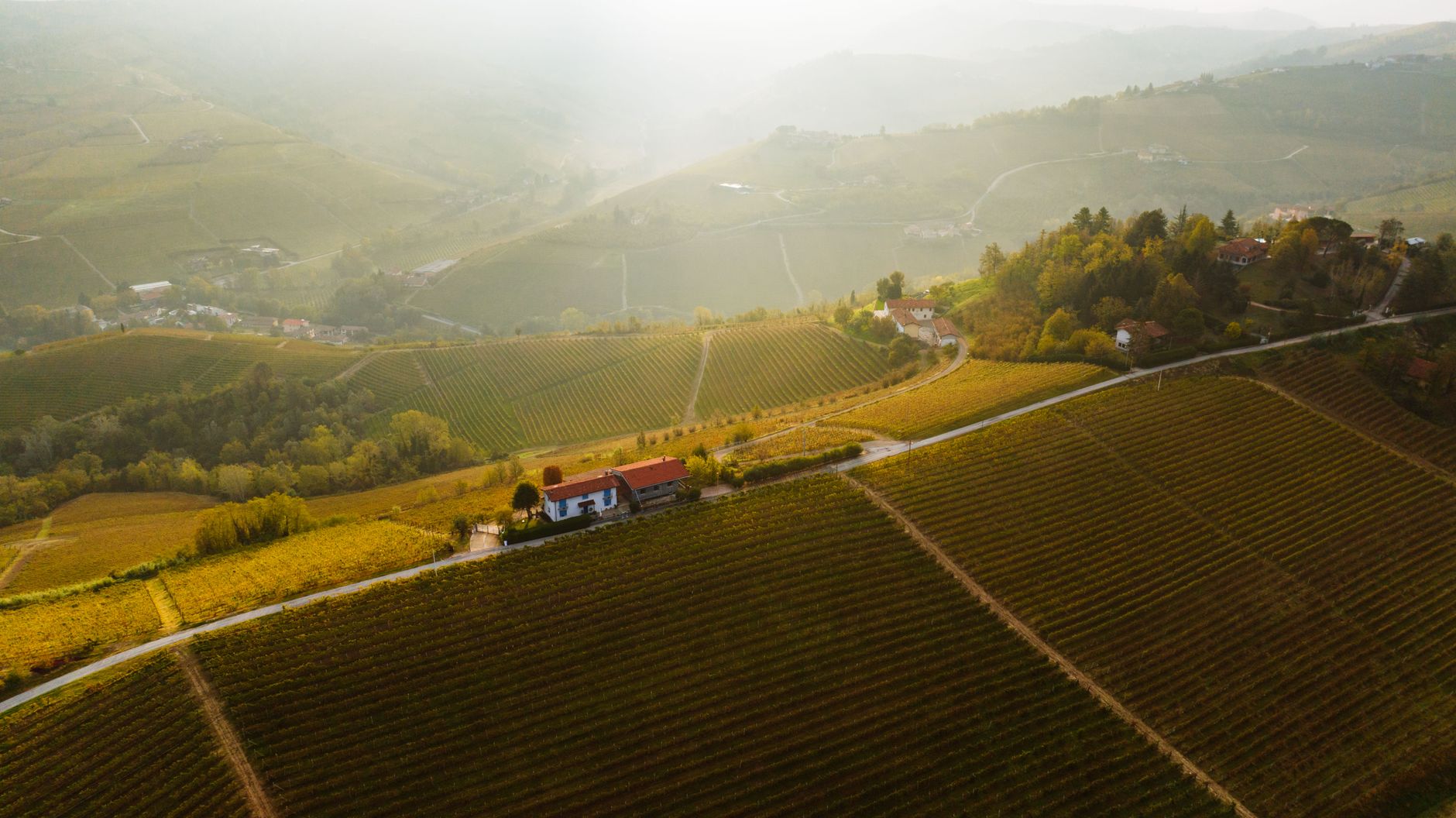
The Etna Rosso DOC covers the terraced slopes of Mount Etna, reaching heights of up to 1,000 meters above sea level. This is a mountainous, cool-climate zone that stands in stark contrast to the heat of the Sicilian plains. The viticulture here is physically demanding; many of the vines are ancient, ungrafted, and bush-trained (alberello), requiring labor-intensive, manual farming. The landscape is dominated by black basaltic sand and ash, which vary in composition depending on the age and frequency of past eruptions. Because the volcano remains active, the geography of the slopes is in a state of slow, constant flux.
Grapes and the 'Contrada' system
The primary grape variety in Etna Rosso is Nerello Mascalese, which must account for at least 80% of the blend. It is often supplemented by Nerello Cappuccio, a variety prized for its ability to soften the structured, sometimes austere nature of the Mascalese.
The identity of these wines is increasingly tied to the Contrada system. These are defined, site-specific sub-zones—effectively the Sicilian equivalent of a cru. Because the soil composition and microclimate can shift significantly over just a few hundred meters, wines from one Contrada may be distinctly more mineral or floral than those from a neighboring plot. Understanding an Etna Rosso often requires looking at the specific Contrada name on the label, as it is the most reliable indicator of the wine's specific terroir.
The style of the wines
Do not approach Etna Rosso expecting the dark, jammy, or high-alcohol profile of other Sicilian wines. These reds are typically pale in color, translucent, and light to medium-bodied. The winemaking philosophy is generally hands-off; producers typically avoid heavy extraction and favor aging in neutral oak or large casks. This is a deliberate choice intended to preserve the delicate aromatic profile of the Nerello grapes and the distinct volcanic salinity of the fruit. These wines are nervy and high-toned, capable of aging for 5 to 12 years from the vintage date. They are at their best when served with a slight chill.
Visiting the slopes
Travelers interested in wine will find the region highly accessible, though the terrain requires a vehicle. The town of Randazzo serves as a central hub, sitting in the shadow of the volcano and surrounded by historic vineyards. Unlike larger, more industrialized wine regions, Etna is characterized by a patchwork of small, independent producers.
Visitors should be aware that this region is not suited to those seeking plush, heavy-bodied reds. If your preference is for substantial, fruit-forward, or "oaky" wines, Etna Rosso will likely disappoint. However, for those interested in the influence of volcanic soil on viticulture and the elegance of high-altitude farming, this is currently the most compelling destination in Italy. The combination of the smoking crater above and the terraced vines below makes it an essential stop for any serious student of Italian wine.
Regional food pairings
The acidity and mineral structure of Etna Rosso make it an versatile partner for the food of eastern Sicily. Because the wine is not heavy, it stands up well to fatty fish, which is a staple of the coastal towns nearby; roasted tuna is a traditional, effective pairing. On land, the wine complements the region’s reliance on volcanic-grown produce, particularly eggplant. A classic caponata—a sweet and sour eggplant stew—mirrors the complexity and acidity of the wine, creating a balanced meal that reflects the local harvest.
The Story
Where Etna Rosso DOC comes from
Etna Rosso is perhaps the most exciting wine zone in Italy right now, centered on the active volcano in Sicily. It is a high-altitude, cool-climate landscape producing wines that resemble the elegance of Burgundy. It is far removed from the jammy wines of the Sicilian plains.
What Defines It
Defining grapes & terroir
Nerello Mascalese
Brings red-fruit aromas, high acid, and firm, ethereal tannins.
Volcanic sand
Gives the wine an unmistakable, sharp, saline finish.
The Method
How it's made
Usually aged in neutral oak or large casks to allow the wine's delicate aromatic profile to remain intact. The winemaking is generally hands-off to emphasize the varying soil compositions across the volcano's slopes.
Across Italy
Subzones & styles
Contrada
The official site-specific classifications that define the wine's character.
Timing
When to drink it
Best 5-12 years from vintage; excellent with a light chill.
Serve With
Classic pairings
Roasted tuna
foodThe wine's bright acidity balances the dense, fatty fish.
Eggplant caponata
foodThe sweet-and-sour nature of the dish matches the wine's fruit-mineral contrast.
What makes it worth going
Nerello Mascalese-based red from the volcanic slopes of Mount Etna — nervy, mineral, and unlike anything else in Italy, from old bush-trained vines.
Things to do
- scenic_drive
North slope vineyards (Passopisciaro, Randazzo)
The north and north-east slopes are the heart of Etna wine. Drive between Passopisciaro, Randazzo, and Linguaglossa on the SP7.
half day to 1 day
- settlement
Randazzo
A black-basalt medieval town on the north slope — the most atmospheric base for Etna wine country, with Norman churches and a Saturday market.
half day
- experience
Mount Etna park
Drive or take a guided tour up to the crater zone. The wine region is on the lower slopes; the volcano experience is above it. Combine both in a day.
half day
- viewpoint
Linguaglossa and the lava flows
Walk the old lava flows near Linguaglossa — the black ground the vines grow on, up close.
1-2 hours
Eat
- dish
Pasta alla Norma
Pasta with tomato, fried eggplant, ricotta salata, and basil — Catania's dish, named after Bellini's opera.
- dish
Caponata
Sweet-sour eggplant and vegetable stew — the Sicilian antipasto that Etna Rosso cuts through perfectly.
- dish
Sicilian seafood
The coast is close — fresh fish in Catania, swordfish, and tuna from the Ionian.
Stay
- base
Randazzo
The most atmospheric base — a basalt town on the north slope, close to the best vineyards.
- base
Catania or Taormina
For a city base — Catania is closer and more real; Taormina is more beautiful and more touristy.
Experiences Worth Booking
Etna contrada tasting
2-3 hoursWalk through old bush-trained vineyards, tasting of wines from different contrade (named vineyard parcels)
Etna is farmed in contrade — named parcels on different lava flows, each with its own character. Tasting across contrade is the way to understand why this region is compared to Burgundy.
Suits: Serious wine travelers
What's nearby & pairs with
More wine from Sicilia
Wine Appellation
Nero d'Avola
Sicily's signature red grape — plush, dark-fruited, and increasingly well-made.
Wine Appellation
Etna Bianco DOC
Carricante-based white from the volcanic slopes of Mount Etna — saline, mineral, and piercingly bright.
Wine Region
Etna Wine Region
Vineyards on the slopes of Mount Etna in Sicily — Italy's most exciting emerging wine region, on volcanic soils from an active volcano.
Getting there & around
Train
Limited or no direct rail access.
Car
A car adds value here.
We don't publish real-time schedules. Confirm train times on Trenitalia or Italo, and check current ZTL boundaries locally.
Ready to plan?
Ready to turn discovery into a trip?
Italy Field Guide helps you decide where to go. When you're ready to build the actual day-by-day itinerary, take your saved places to Travel Itinerary Co — your interests go with you.
Turn your saved Italy places into a trip