Wine Appellation · Puglia
Salice Salentino DOC
The Verdict
Salice Salentino is the best-value red in southern Italy and the wine that Puglians actually drink. The riserva versions, aged in wood, are more serious than the price suggests. Pair it with roasted meat and do not overthink it.
Why go
Old Negroamaro vines, cooperative cellars with tastings, and prices a third of the north.
The Field Guide take
Salice Salentino represents the practical heart of Puglian viticulture. Located in the northern reaches of the Salento peninsula, this DOC produces the red wine that defines the regional table. While northern Italian appellations often command high prices for prestige, Salice Salentino operates on a different logic: efficiency, volume, and an unwavering commitment to the Negroamaro grape. It is the definitive everyday red of southern Italy.
The place
The Salice Salentino zone centers on the province of Lecce. It is flat, sun-baked, and defined by red soil—terra rossa—which sits atop limestone bedrock. The landscape is dominated by low-trained vines and ancient olive trees. Agriculture is the primary industry here, and the towns of Salice Salentino, Veglie, and Guagnano serve as the hubs for the local cooperative cellars. These towns are not tourist centers; they are functional, quiet, and deeply agrarian. The architecture is sparse, defined by the white stone typical of the Salento.
The land and grapes
The identity of this wine rests entirely on Negroamaro. History suggests the Greeks introduced viticulture to this peninsula, and the name Negroamaro translates roughly to "black and bitter." It is a robust, dark-skinned grape capable of handling the intense, relentless heat of the Salento summer.
On its own, Negroamaro can be aggressive, with high tannins and a distinct, medicinal bitterness. To temper this, producers add Malvasia Nera, which introduces perfume and softens the structural edges of the Negroamaro. The vines here are often bush-trained, known locally as alberello, which helps protect the grapes from the scorched earth and maximizes flavor concentration.
The wines
The standard Salice Salentino is a medium-bodied red with dark fruit profiles, such as dried black cherry and plum. It is rarely subtle. The wines are marked by a rustic character and an earthy, sometimes dusty finish.
The Riserva classification requires two years of aging, with a portion of that time spent in wood. These bottles are the best value in the region. Barrel aging rounds off the sharp tannins and brings out notes of tobacco, leather, and dark chocolate. Because production volumes are high and marketing budgets are low, these wines remain affordable. They are not intended for decades of cellar aging; they are meant to be consumed within five to seven years of the vintage.
Visiting
Travel to the Salento for the wine, not for the viticultural theater. The experience here is grounded in the cooperative model, where small-scale farmers bring their harvest to a central facility. Many of these cooperatives, such as Leone de Castris, have professional tasting rooms that operate daily.
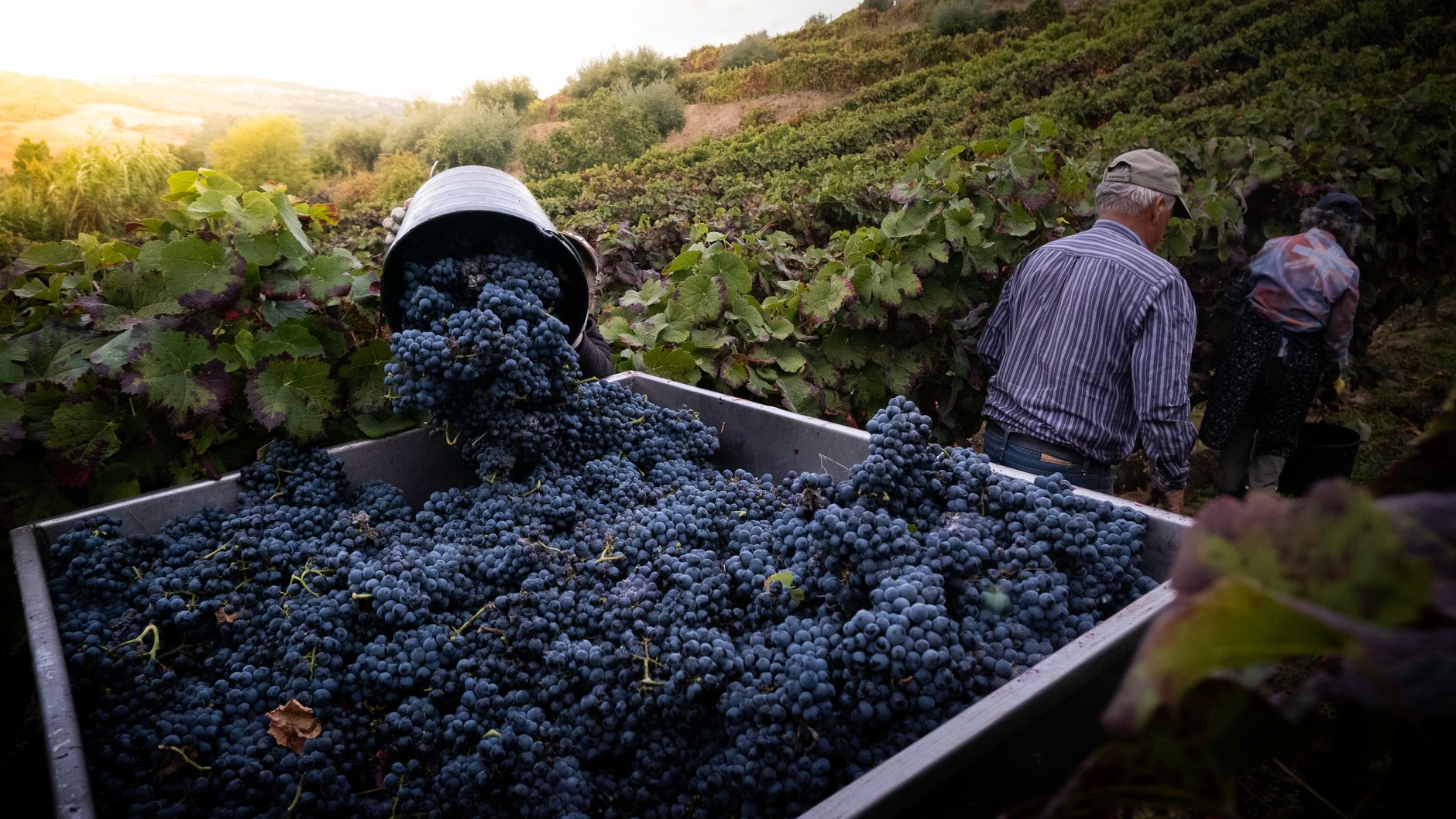
Do not expect polished vineyard tours through manicured estates. Instead, expect to walk into functional industrial spaces where the wine is produced, bottled, and sold directly to the public. It is a no-frills environment. Late September, during the harvest, is the most active time to see the crush. June and September offer the best weather; July and August temperatures regularly exceed 35 degrees Celsius, making extensive daytime exploration difficult.
What to eat with it
The wine reflects the food of the region: heavy, salty, and satisfying. Salice Salentino is built for fatty, roasted meats. Local lamb or bombette—small pork rolls stuffed with cheese and herbs—are the standard accompaniment. The wine’s tannin cuts through the fat of the meat, while the fruit softens the saltiness of the local Marzotica cheese, a sheep’s milk cheese produced during the spring.
For a regional contrast, the wine is also consumed alongside pasticciotto, a shortcrust pastry filled with lemon-scented custard. While a red wine with dessert is not a conventional pairing, the bitter-sweet profile of the Negroamaro against the richness of the custard is an established local custom. Do not overthink the pairing; the wine is made to be drunk with the food that grows in the same soil.
The Story
Where Salice Salentino DOC comes from
Negroamaro has been grown in the Salento since the Greeks, and the name may mean simply black and bitter. The zone around Salice took its modern form in the twentieth century around cooperative cellars.
The Method
How it's made
The grape gives deep color, high tannin, and a bitter finish. Blending with Malvasia Nera softens it. Riserva requires two years of aging, part in wood.
Timing
When to drink it
Harvest in September; the coast is best in June and September.
Serve With
Classic pairings
Pasticciotto
pastryMarzotica
cheeseWhat makes it worth going
Negroamaro and Malvasia Nera blended into the Salento's everyday red — dark, bitter-edged, and cheap.
What's nearby & pairs with
More wine from Puglia
Getting there & around
Train
Limited or no direct rail access.
Car
A car is not necessary.
We don't publish real-time schedules. Confirm train times on Trenitalia or Italo, and check current ZTL boundaries locally.
Booking
Booked through our partners. We may earn a commission, which never changes what the Guide recommends.
Ready to plan?
Ready to turn discovery into a trip?
Italy Field Guide helps you decide where to go. When you're ready to build the actual day-by-day itinerary, take your saved places to Travel Itinerary Co — your interests go with you.
Turn your saved Italy places into a trip