Wine Appellation · Molise
Tintilia del Molise
The Verdict
Tintilia is the best reason to stop in Molise, a region with almost no wine reputation and one very good grape. It is dark and structured with a wild edge, and the producers are few enough that a visit feels like a discovery rather than a transaction.
Why go
An obscure grape brought back from the brink, in hills that see almost no foreign visitors.
The Field Guide take
Tintilia del Molise is the only compelling reason to prioritize the Molise region on a wine-focused itinerary. This dark, structured red wine, revived from near extinction only two decades ago, represents one of Italy’s most successful efforts to restore a viticultural identity. While the rest of the country relies on well-known grapes, Molise offers a rugged, singular alternative that remains unpolished and difficult to find outside its home province.
The geography of Molise
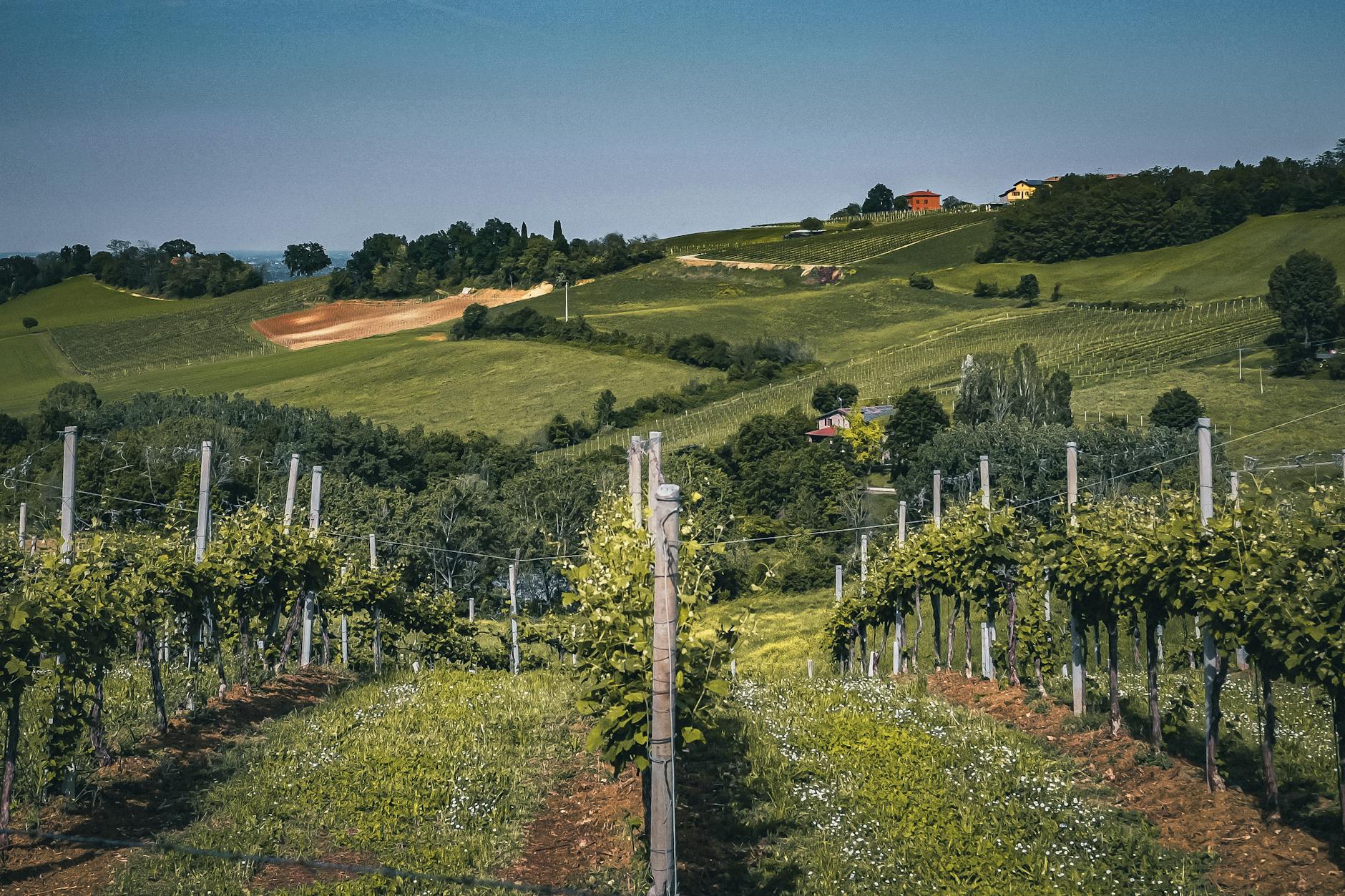
Molise sits between Abruzzo to the north and Puglia to the south. It is largely mountainous and lacks the tourist infrastructure found elsewhere in the peninsula. The viticultural focus is split between the provinces of Campobasso and Isernia. The terrain is defined by steep, clay-heavy hillsides that have been cultivated for centuries but largely ignored by industrial winemaking. Because the region is sparsely populated and lacks large-scale wine tourism, the landscape remains quiet. It is a place for travelers who prefer silence and empty roads over established wine circuits.
The vine and its origins
Genetic evidence and historical records suggest Tintilia was brought to Italy by the Spanish during the 18th century. For generations, it was a staple of the local rural economy, but it nearly vanished in the post-World War II exodus, as many farmers abandoned their plots for urban centers. By the 1990s, the grape existed only on a few scattered hectares.
The revival has been slow and deliberate. Tintilia is not an easy grape to farm; it is late-ripening and low-yielding. It demands poor, high-altitude soil to produce anything of substance. When grown in fertile valley floors, it loses its character. The best producers seek out older vines situated on elevated slopes where the drainage is difficult and the sunlight exposure is consistent.
The character of the wine
Expect a glass that demands time. Tintilia is naturally high in tannins and deep in pigment. In its youth, it can be aggressive and austere. The most serious winemakers emphasize lengthy maturation in oak barrels to soften the edges, though the best examples retain a wild, spicy finish that marks the grape as distinct from the polished Sangiovese or Montepulciano found in neighboring regions.
It is a savory wine, often leaning toward dark berries, licorice, and black pepper. It is rarely subtle. It is a wine of the earth, reflective of a region that has not yet been refined for mass consumption. If you seek high-acid, elegant wines, look elsewhere; if you want a wine with a brooding, rustic constitution, Tintilia is the standard.
Navigating the cellars
Visiting wine producers in Molise is an exercise in planning. Do not expect grand tasting rooms or concierge services. Most Tintilia producers are family-run operations where the winemaking takes place in converted barns or garages. An appointment is not just recommended; it is usually the only way to ensure someone is actually at the property to open a door.
Autumn is the preferred time to visit. The air in the Apennines cools significantly, and the harvest period provides a glimpse into the logistical challenges of farming such difficult terrain. Stick to small, artisanal growers in the hills around Isernia and the outskirts of Campobasso. Expect the experience to be informal, direct, and entirely devoid of pretense. If you prioritize efficiency or luxury, you will be disappointed. If you prefer to meet the person who actually pruned the vines and bottled the wine, the experience is rewarding. Confirm all visitation details well in advance, as schedules change seasonally.
Pairing with the table
The wines of Molise are heavy, and they require food that can hold its weight. The region is famous for its aged cheeses, specifically Caciocavallo, which is often tied with string and hung to mature. The salty, dense texture of a long-aged Caciocavallo matches the high tannins of Tintilia perfectly.
Pecorino di Capracotta is another essential partner. Named for the town of Capracotta, this sheep’s milk cheese has a sharp, intense profile that benefits from the dark, fruit-driven structure of the wine. Beyond cheese, the regional diet is dominated by robust, slow-cooked meat dishes, including wild boar and lamb. Avoid pairing Tintilia with delicate appetizers or fish; this is a wine built for the heavy, savory proteins of the Italian interior.
The Story
Where Tintilia del Molise comes from
Tintilia was probably brought by the Spanish in the eighteenth century and was nearly lost when the region's vineyards were abandoned after the war. Plantings were down to a few hectares before a revival began in the 1990s.
The Method
How it's made
The grape gives deep color and high tannin, and needs time in barrel. Older vines on poor hillside soils give the most interesting wines.
Timing
When to drink it
Visit in autumn; most producers are family farms.
Serve With
Classic pairings
Caciocavallo
cheesePecorino di Capracotta
cheeseWhat makes it worth going
A dark, tannic red grown in small plots across Molise, revived from near extinction in the last twenty years.
What's nearby & pairs with
More wine from Molise
Getting there & around
Train
Limited or no direct rail access.
Car
A car is not necessary.
We don't publish real-time schedules. Confirm train times on Trenitalia or Italo, and check current ZTL boundaries locally.
Booking
Booked through our partners. We may earn a commission, which never changes what the Guide recommends.
Ready to plan?
Ready to turn discovery into a trip?
Italy Field Guide helps you decide where to go. When you're ready to build the actual day-by-day itinerary, take your saved places to Travel Itinerary Co — your interests go with you.
Turn your saved Italy places into a trip