food
The Roman Pasta Quartet
Carbonara, Amatriciana, Cacio e Pepe, and Gricia — the four pastas that define Roman cooking.
Curatorial note
Rome's four signature pastas share a common base — guanciale, pecorino romano, and pasta — and diverge on a single ingredient. Eat all four in one trip to understand how little separates genius from redundancy.
Dish · Lazio
Source VerifiedAmatriciana
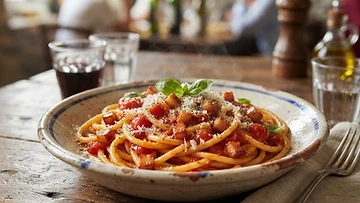
The Roman pasta with an origin story: from Amatrice, a town on the Lazio-Marche border, brought to Rome. Guanciale, tomato, pecorino, chili, and a little white wine. It's the savory, tangy one — less rich than carbonara, less minimalist than cacio e pepe, and arguably the most balanced of the four. The town of Amatrice was badly damaged in the 2016 earthquake; eating the dish is a small act of memory.
Dish · Lazio
Source VerifiedCarbonara
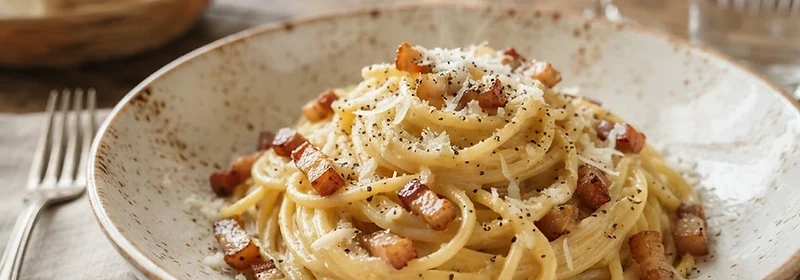
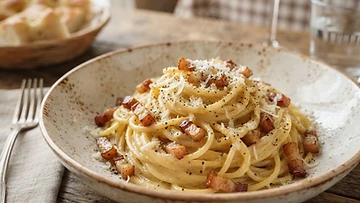
The Roman pasta the world gets most wrong. Real carbonara is guanciale (cured pork jowl), pecorino romano, egg yolk, and black pepper — no cream, no garlic, no bacon. The heat of the pasta cooks the egg into a glossy sauce. It's rich, sharp, and takes 10 minutes. The version with cream is a different dish; this is the one.

Dish · Lazio
Source VerifiedCacio e Pepe
The simplest Roman pasta and the hardest to get right. Three ingredients: tonnarelli pasta, pecorino romano, black pepper. The magic is the emulsion — the starchy pasta water melts the cheese into a sauce that clings to every strand. When it's right, it's the best three-ingredient dish in the world. When it's wrong, it's a clumpy mess.
Dish · Lazio
Source VerifiedGricia
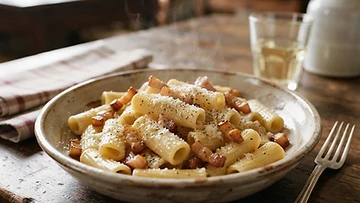
The least known of the Roman four, and the one purists love. Guanciale and pecorino, no tomato, no egg — just pork fat and cheese emulsified with pasta water. It's carbonara without the egg, amatriciana without the tomato. The oldest of the family, and the most austere. Order it to complete the set.

Cheese · Lazio
Source VerifiedPecorino Romano
The cheese that makes Roman pasta work. Sheep's milk, aged 5-8 months for table use, longer for grating. Salty, sharp, and dry — it's the pecorino in cacio e pepe, carbonara, and amatriciana. Most is now made in Sardinia (the milk is the same; the zone was extended), but the Roman tradition is the reason it exists. Try it young and soft, not just grated and dry.

City · Lazio
Source VerifiedRome
Rome deserves at least three full days and rewards a fourth. It is the one Italian city where trying to see everything is the mistake — pick two major sites a day and leave time for wandering.
Ready to plan?
Ready to turn discovery into a trip?
Italy Field Guide helps you decide where to go. When you're ready to build the actual day-by-day itinerary, take your saved places to Travel Itinerary Co — your interests go with you.
Turn your saved Italy places into a trip