The Verdict
The most important Renaissance city most travelers skip. The Ducal Palace is the masterpiece; the birthplace of Raphael is the bonus. Worth a night if you love Renaissance art and architecture.
Why go
To see the Ducal Palace — one of the great Renaissance buildings — in a hill-town most of the crowds miss.
The Field Guide take
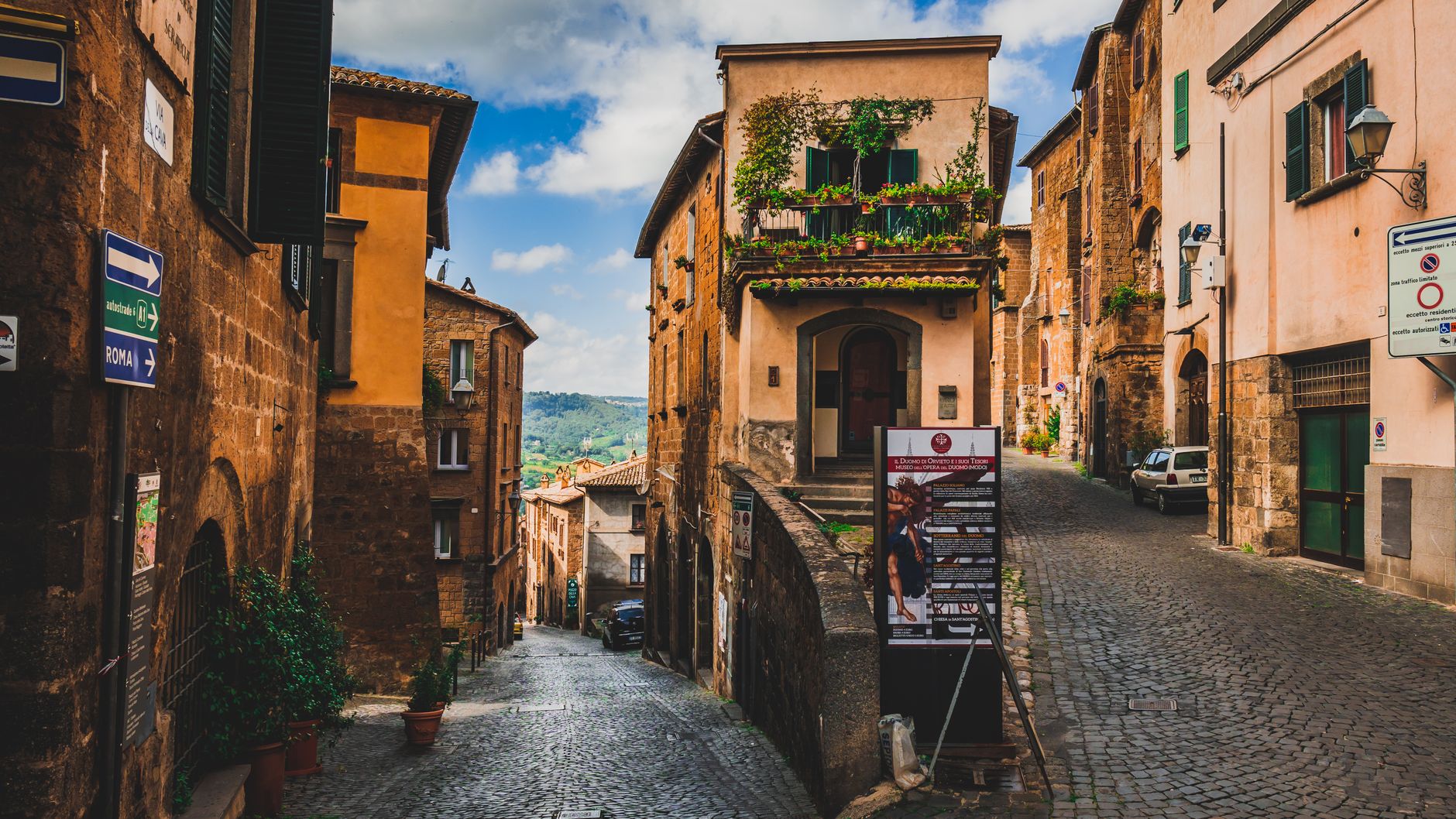
Urbino is an improbable city, a high-altitude Renaissance laboratory carved into the rolling hills of the Marche. It was once the seat of the Montefeltro family, who transformed a remote hill town into a center of art and humanism that rivaled Florence. It is a place that demands a steep climb to enter, and rewards the effort with one of the most concentrated architectural collections in Italy. ## The Ducal Palace Masterpiece The center of Urbino is the Palazzo Ducale, commissioned by Federico da Montefeltro. It is not merely a house but a stone-built vision of a perfect city. The courtyard, with its light-filled porticoes and intricate stonework, remains one of the defining achievements of the Renaissance. Inside, the Galleria Nazionale delle Marche contains masterpieces by Raphael, Piero della Francesca, and Titian. Unlike the crowded galleries in major cities, the scale of the palace allows for quiet, thoughtful viewing. ## The Birthplace of Raphael Raphael was born here, and his presence is felt in the humanist tone of the city. The house he grew up in is open to the public, though it is the architecture of the town itself that provides the real context for his early education. The streets are steep, winding, and lined with brick, creating a maze that hasn't changed its character in five hundred years. ## A Hill Town Atmosphere Urbino remains a university town, which provides a layer of youthful energy to its solemn Renaissance bones. This ensures the piazzas are populated and the taverns stay active late into the evening. It is an ideal stop for those interested in the transition from the Middle Ages to the Renaissance, as the city retains a structural layout that feels both defensive and deeply refined. Because it is somewhat difficult to reach by train, it remains free of the day-trip bus tours that plague other Italian historic sites. It suits travelers who want to see the heights of artistic achievement without fighting for space on a sidewalk.
What makes it worth going
The Renaissance city of the Montefeltro, a UNESCO hill-town built around the Ducal Palace and Raphael's birthplace.
Things to do
- palace
Palazzo Ducale (Galleria Nazionale delle Marche)
The Ducal Palace, by Luciano Laurana for Federico da Montefeltro — one of the great Renaissance buildings, with Piero della Francesca's Flagellation and Raphael's works. The reason to come. Book ahead in summer.
3 hrs
- house
Raphael's Birthplace (Casa Natale di Raffaello)
The small house where Raphael was born, with an early fresco attributed to him. A 20-minute stop; the pilgrimage.
30 min
- church
Oratorio di San Giovanni Battista
The 15th-century oratory with intact Salimbeni frescoes — a hidden gem in the literal sense, rarely visited.
30 min
- fortress
The Fortezza Albornoz
The hilltop fortress above town, for the panoramic view of the Ducal Palace and the Marche hills.
1 hr
Eat
- trattoria
Trattoria del Lupo
The benchmark Marche cooking — vincisgrassi, wild boar, the local puma di pesaro. Reserve.
- bread
Crescia sfogliata
The local flatbread, layered and rich — the Marche answer to the piadina, here often stuffed with herbs or cheese.
Stay
- hotel
Hotel Raffaello or a B&B in the center
Stay inside the walls; the center is compact and the walk at night is the point.
Experiences Worth Booking
Ducal Palace guided tour
2 hrsThe architecture, the Piero, the Raphael. The context for the Renaissance court.
The Palace is dense; a guide unlocks the Montefeltro story.
Suits: Art and history lovers.
What's nearby & pairs with
What to eat here
The regional specialties — not tonight's restaurant, the food worth understanding before you go.
Dish
Brodetto di Pesaro
Brodetto di Pesaro is a quintessential Adriatic seafaring dish, born of necessity among the fishing communities of the Marche region. Historically, fishermen utilized the 'scarti'—the undersized, broken, or less commercially valuable fish left over after the day's catch was sold—to feed their families. These disparate species were simmered together in a single pot, providing a nutrient-dense, filling meal for those spending long hours at sea or returning to the port after a shift. The dish serves as a point of fierce regional pride, with the coastal towns of Marche each claiming their specific iteration as the original or most authentic. While often grouped under the general term 'brodetto alla marchigiana,' the version from Pesaro is defined by its strict adherence to a multi-species requirement and a specific balance of acid and sweetness. It reflects a Mediterranean culinary philosophy where local availability dictates the recipe rather than a static list of ingredients.
Dish
Olive Ascolane
Olive Ascolane originate from the city of Ascoli Piceno in the Marche region. Their history is often traced back to the 19th century, when local wealthy families commissioned their personal chefs to create elaborate dishes using the local Tenera Ascolana olives. These olives, characterized by their large size and delicate, tender flesh, were stuffed with a rich filling of various meats, reflecting the prosperity of the area's culinary tradition at the time. Over time, the recipe migrated from aristocratic kitchens to the tables of ordinary citizens, becoming the quintessential festive food of the city. While the exact origins are debated by local culinary historians, it is widely accepted that they evolved as a way to utilize leftover roasted meats and slow-cooked stews, making them a resourceful yet luxurious snack. They have since become the defining culinary symbol of Ascoli Piceno, served at weddings, saint's days, and as a staple in the city's lively bar scene.
Dish
Vincisgrassi
Vincisgrassi originated in the Marche region, specifically centered around the province of Ancona. Its name is widely attributed by local tradition to the Austrian General Alfred von Windisch-Graetz, who commanded troops in Ancona during the siege of 1799. As the legend goes, the local cooks created a refined version of lasagna to honor the general, with the name eventually evolving from his surname into the Italianized 'Vincisgrassi'. While the etymology is largely accepted in the region, the dish itself draws from a long history of Marche's rural culinary traditions, utilizing ingredients common to the region's farmhouse kitchens. It was historically a celebratory dish, prepared for weddings, religious feast days, and significant family gatherings, serving as a display of resourcefulness and hospitality in the face of local scarcity. Unlike many other regional pasta dishes that rely on simple tomato-based sauces, Vincisgrassi represents a more complex, aristocratic influence applied to peasant-style proteins, particularly the use of offal.
Local wine
All wine in Marche →Getting there & around
Train
Limited or no direct rail access.
Car
A car adds value here.The historic center is ZTL; park at the lower lots and walk up. Steep climb to the center.
We don't publish real-time schedules. Confirm train times on Trenitalia or Italo, and check current ZTL boundaries locally.
Ready to plan?
Ready to turn discovery into a trip?
Italy Field Guide helps you decide where to go. When you're ready to build the actual day-by-day itinerary, take your saved places to Travel Itinerary Co — your interests go with you.
Turn your saved Italy places into a trip