The Verdict
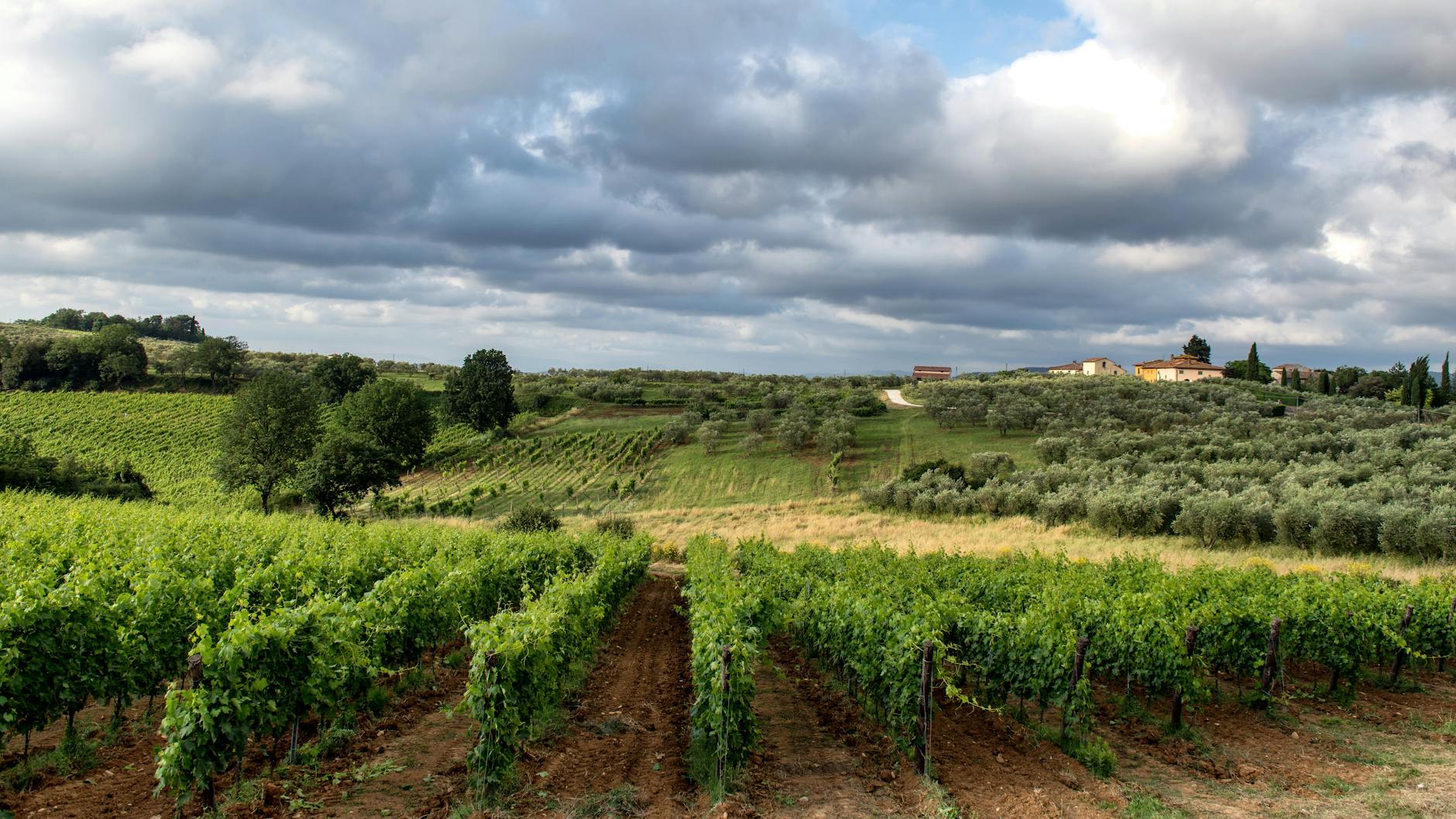
Tuscany earns the hype more than any other Italian region, and it's the best single region for a first trip. It also gets the most crowded and the most photographed, which means the famous towns — San Gimignano at midday, central Florence in summer — can feel exhausted. The reward is that you can spend two weeks here and barely scratch it: art cities, hill towns, coast, mountains, and a wine culture that's unmatched. Go, but go beyond the three places everyone else goes.
Why go
For the most complete Italy in one region — Renaissance art, medieval hill towns, world-class wine, and landscape that looks like the brochure.
What makes it worth going
Italy's most-visited region, and the one most travelers picture when they imagine the country — rolling hills, cypress roads, Renaissance cities, and the world's most famous food-and-wine country.
What's nearby & pairs with
What to eat here
The regional specialties — not tonight's restaurant, the food worth understanding before you go.
Cured Meat
Finocchiona
Finocchiona evolved in the Middle Ages as a way for clever Tuscan butchers to stretch expensive pepper, which was imported and costly. They used wild fennel seeds—abundant in the Tuscan countryside—to provide a similar aromatic intensity at no cost. Over time, it became the signature salume of Florence.
Dish
Bistecca alla Fiorentina
This is the king of Tuscan beef dishes, tied directly to the Chianina breed and the traditions of the Florence aristocracy. It was historically a feast food, designed to show off the quality of the local cattle. The preparation is aggressively simple, focusing entirely on the quality of the raw ingredient.
Dish
Pappardelle al Cinghiale
Wild boar hunting is a central part of Tuscan autumn and winter culture. The ragù made from the catch is a deep, gamey, and intensely flavorful sauce that defines the season. It is meant to be served with broad pasta noodles that can hold the dense, meaty sauce.
Dish
Ribollita
Ribollita originated as a classic cucina povera dish designed to waste nothing. Tuscan peasants would gather leftover minestrone and day-old bread, simmering them together with beans to create a hearty, restorative meal. It was often made in large batches and reboiled the next day, which is how it earned its name.
Cheese
Pecorino di Pienza
Born in the rolling hills of the Val d'Orcia, Pecorino di Pienza is a product of the Etruscan tradition of sheep herding. Unlike harder, sharper pecorinos, this cheese is celebrated for its versatility and the impact of the local flora on the final taste. It is deeply connected to the landscape of Tuscany, often reflecting the herbs found in the grazing fields.
Cured Meat
Lardo di Colonnata
Lardo di Colonnata is a hyper-local product from the Carrara marble quarries in Tuscany. Quarrymen used to bury slabs of pork fat in the very marble troughs used to extract the stone, covering them with herbs and salt. Today, it remains a rare, highly valued delicacy that defines the ingenuity of the region's working-class heritage.
Local wine
Wine Appellation
Brunello di Montalcino DOCG
100% Sangiovese from the hill town of Montalcino — Tuscany's most structured, age-worthy, and expensive red, from a small, strictly defined zone.
Wine Appellation
Chianti Classico DOCG
Sangiovese-based red from the original historic Chianti zone between Florence and Siena — the most famous wine landscape in Italy.
Wine Appellation
Bolgheri DOC
Coastal Tuscan appellation on the Bibbona plain — where Super Tuscans were born, with Bordeaux varieties that broke Italian wine rules and won.
Wine Appellation
Vino Nobile di Montepulciano DOCG
Sangiovese-based red from Montepulciano — the third of Tuscany's noble reds, often the best value.
Getting there & around
Train
Well-connected by rail.
Car
A car adds value here.
We don't publish real-time schedules. Confirm train times on Trenitalia or Italo, and check current ZTL boundaries locally.
Ready to plan?
Ready to turn discovery into a trip?
Italy Field Guide helps you decide where to go. When you're ready to build the actual day-by-day itinerary, take your saved places to Travel Itinerary Co — your interests go with you.
Turn your saved Italy places into a trip