The Verdict
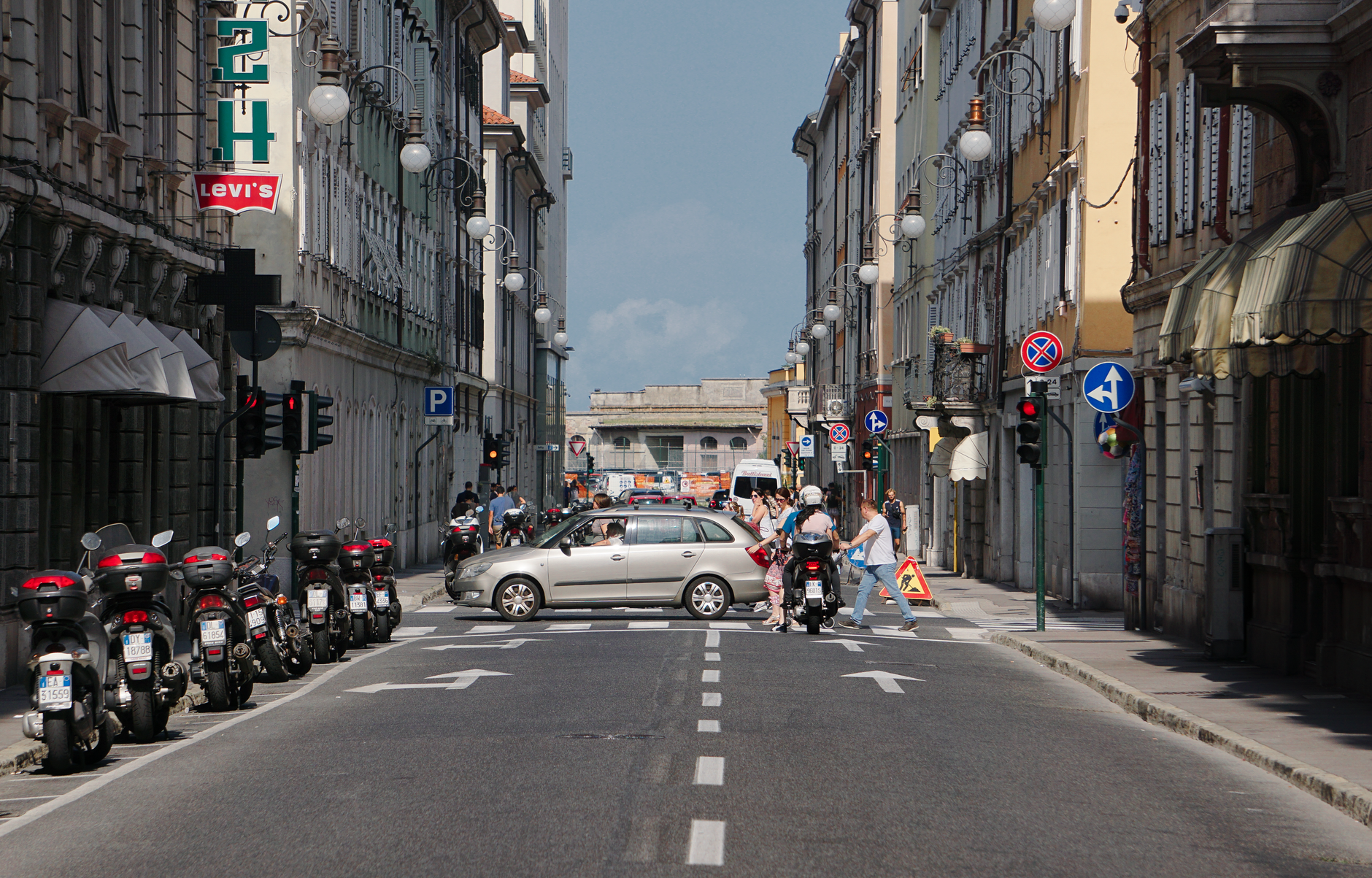
Friuli-Venezia Giulia is the most overlooked corner of Italy: Trieste is a Habsburg city on the sea, Aquileia has Roman mosaics to rival Ravenna, and the white wines are the country's most underrated. It's for travelers who've done the big circuits and want something genuinely different and nearly tourist-free. Pair with neighboring Veneto.
Why go
Trieste's Mitteleuropean seafront, Aquileia's mosaics, and the country's best underrated white wines.
What makes it worth going
Italy's northeast corner — Trieste, Aquileia's mosaics, Cividale's Lombard heritage, the Carso plateau, and white wine (Friulano, Ribolla Gialla). Austrian, Slavic, and Italian at once.
What's nearby & pairs with
What to eat here
The regional specialties — not tonight's restaurant, the food worth understanding before you go.
Dish
Frico
Frico traces its origins to the peasant kitchens of the Carnia region in the Friuli-Venezia Giulia mountains. Historically, it emerged as a method of food conservation and waste reduction, specifically designed to utilize the cheese scraps (the rinds and broken bits of Montasio) that were too hard to eat raw. By melting these remnants in a pan, mountain workers could create a portable, energy-dense meal that sustained them during long shifts in the alpine pastures or forests. Originally a humble, solitary dish for the working class, it has evolved into the defining culinary symbol of the Friulian identity. While the exact timeline of its invention is difficult to pinpoint, references to frico appear in medieval manuscripts, including a recipe attributed to Maestro Martino, a 15th-century chef, confirming its deep roots in Northern Italian foodways. It reflects the stoic, practical nature of Friulian mountain culture, turning limited mountain resources into a satisfying, caloric staple.
Dish
Gubana
Gubana originates from the Natisone Valleys, a borderland region in the province of Udine, Friuli-Venezia Giulia, where Italian, Friulian, and Slovenian cultures have long intersected. Its name derives from the Slovenian word 'guba,' meaning fold or wrinkle, which refers to the distinct coiled shape of the pastry. While often associated with the Cividale del Friuli area, its roots are deeply embedded in the folk traditions of the Slavic communities inhabiting the Eastern Friuli hills. Historically, gubana was a cake prepared for major milestones, including weddings, christenings, and religious feast days. Unlike the airy pandoro or panettone of other regions, gubana reflects the ingredients available to rural mountain families: walnuts, honey, dried fruit, and a enriched dough. It has evolved from a rustic home-baked staple to a protected regional specialty, officially recognized as a Prodotto Agroalimentare Tradizionale (PAT) of Friuli-Venezia Giulia.
Cured Meat
Prosciutto di San Daniele
Hailing from the Friuli region near the border with Austria, this ham benefits from the unique confluence of dry Alpine air and humid Adriatic currents. It has been documented since the 14th century, though it remained a local secret for many years. It is generally sweeter and more delicate than its Parma counterpart due to the specific climate in San Daniele.
Getting there & around
Train
Well-connected by rail.
Car
A car adds value here.
We don't publish real-time schedules. Confirm train times on Trenitalia or Italo, and check current ZTL boundaries locally.
Ready to plan?
Ready to turn discovery into a trip?
Italy Field Guide helps you decide where to go. When you're ready to build the actual day-by-day itinerary, take your saved places to Travel Itinerary Co — your interests go with you.
Turn your saved Italy places into a trip